
Key Takeaways
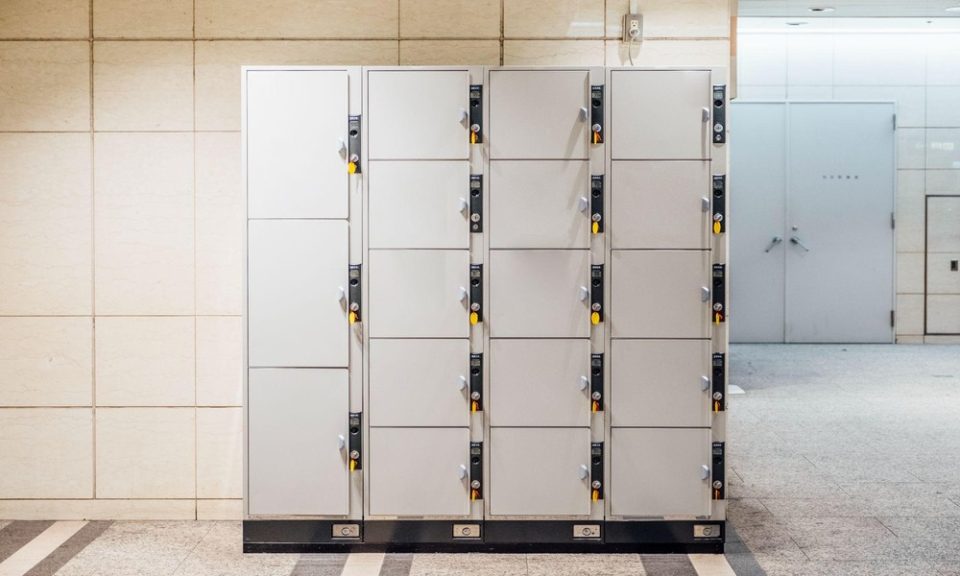
- Lockers are the most cost-efficient choice for document archiving and small collections like high-end footwear.
- Full-sized units are necessary for bulky furniture or inventory that requires frequent walkthrough access.
- Professional facilities allow for easy transitions between locker and room sizes as inventory grows or shrinks.
Introduction
Choosing a storage locker in Singapore requires careful consideration of storage space rates and more than just estimating how many boxes you plan to store, as space efficiency directly affects long-term costs and usability. Many people start with a rough idea of what they need, yet they only realise the limitations of their choice when access becomes inconvenient or when space runs out too quickly. The decision between compact lockers and larger units depends on how items are stored, how often they are accessed, and how much flexibility is required over time. Understanding these factors helps avoid unnecessary upgrades or wasted space.
1. Matching Unit Size to Item Volume
The total volume of stored items provides the most immediate indication of which unit size will work, directly influencing the overall storage space rates. Smaller collections such as documents, seasonal clothing, or personal keepsakes fit well within compact compartments that maximise vertical space. Larger belongings, such as furniture or appliances, require more floor area to prevent overcrowding. When items stack without proper spacing, retrieving them later becomes difficult, which defeats the purpose of organised storage. A clear assessment of item dimensions ensures that the selected unit supports both storage and accessibility.
2. Identifying Use Cases for Compact Storage
Compact units work best when items require protection rather than frequent handling. They suit individuals who need to store items that remain untouched for extended periods, such as archived paperwork or sentimental belongings. These lockers provide controlled environments that protect against humidity while maintaining a lower cost structure. For users who prioritise security over accessibility, smaller spaces deliver sufficient functionality without unnecessary expense. This makes them a practical choice for those with minimal storage demands.
3. Determining When Larger Units Add Value
Larger units become necessary when storage needs extend beyond simple containment into organisation and movement. While the higher storage space rates may initially seem like a drawback, businesses storing inventory or individuals managing household transitions benefit significantly from having space to arrange items systematically. Shelving, spacing, and clear pathways allow users to locate and retrieve items without shifting everything around. This level of organisation reduces time spent accessing stored belongings and prevents accidental damage caused by tight packing. In these situations, having an additional storage space in Singapore translates into improved efficiency rather than excess cost.
4. Considering Frequency of Access
How often you need to retrieve items influences the type of unit that will feel practical over time. Frequent access requires a layout that allows movement and visibility, which supports quicker retrieval. Compact lockers can limit this flexibility, especially when items are stacked or placed at the back of a narrow space. Users who access their storage regularly benefit from units that allow them to step inside and rearrange items as needed. Aligning unit size with usage habits ensures that storage remains convenient rather than restrictive.
5. Planning for Future Storage Needs
Storage requirements rarely remain fixed, especially during periods of transition such as moving or expanding a business. Choosing a unit that accommodates slight growth prevents the need for immediate upgrades. While it may seem efficient to select the smallest possible space, this approach can lead to overcrowding when additional items need to be stored. A balanced approach considers current needs while leaving room for adjustment, which supports long-term usability without frequent changes.
Conclusion
Selecting the right storage solution depends on how space, access, and future needs align within a single decision. When users consider these elements together, they can choose a unit that supports both organisation and convenience without unnecessary expense. A well-matched unit size allows stored items to remain protected while staying accessible when needed, which creates a more manageable storage experience overall.
Contact SpaceHub to find a storage solution that fits your space and access needs.
