
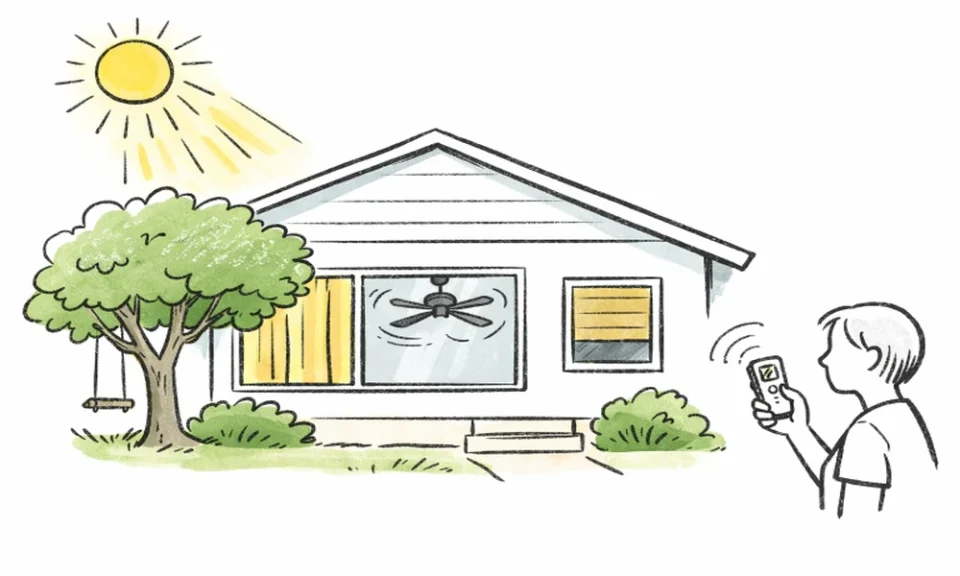
Key Takeaways
- Utilize window treatments to block heat.
- Optimize thermostat settings for efficiency.
- Maintain HVAC systems regularly.
- Enhance insulation to prevent heat gain.
- Use fans strategically to improve airflow.
- Limit heat-generating appliance use during peak hours.
Table of Contents
- Utilize Window Treatments to Block Heat
- Optimize Thermostat Settings for Efficiency
- Maintain HVAC Systems Regularly
- Enhance Insulation to Prevent Heat Gain
- Use Fans Strategically to Improve Airflow
- Limit Heat-Generating Appliance Use During Peak Hours
As temperatures soar, maintaining a comfortable and energy-smart home can be challenging. With the right strategies, you can enjoy a cool living environment and lower energy bills. Homeowners often search for guidance on managing heat and humidity, especially during summer, and practical methods are available for every budget. Even small changes can make a significant impact on your home’s comfort and energy consumption. If you want more insight into maintaining major appliances, explore this comprehensive guide from a Plumbing expert water heater lifespan and how efficient systems can benefit your cooling strategies.
Efficient home cooling not only creates a more pleasant living environment but also helps you save money and reduces your household’s impact on the power grid. This is especially important during peak demand periods, when both the risk of outages and cost per kilowatt-hour can be highest. By integrating simple upgrades and mindful habits, you can shield your home from the heat and keep air conditioning costs in check. These practical tips can benefit families, renters, and homeowners alike, providing comfort throughout the hottest seasons.
Window treatments, proper thermostat use, scheduled HVAC maintenance, improved insulation, strategic fan placement, and limiting the use of heat-generating appliances are cornerstone strategies for efficient summer living. Beyond indoor changes, taking care of the landscape surrounding your property, like planting trees for shade, can be a critical component of staying cool.
Households with proactive routines see notable improvements in both comfort and efficiency, and addressing trees and landscaping plays a crucial supplemental role. For those living in areas with established greenery or who need help with outdoor maintenance, consider scheduling Expert Wasatch tree maintenance to keep shady trees healthy and effective at cooling your home’s exterior.
Utilize Window Treatments to Block Heat
One of the simplest methods for controlling heat is to block it before it enters your home. Upgrading window coverings with blackout curtains, reflective window films, and cellular shades can reduce solar heat gain significantly. Focus on south- and west-facing windows, which receive the strongest sunlight during the day. The U.S. Department of Energy highlights that the use of well-designed window treatments can keep rooms much cooler, helping your air conditioner work less and lowering your utility costs. For even greater efficiency, installing exterior shading devices such as awnings or planting shade-providing landscaping can be highly effective. Learn more about energy-saving window treatments at the U.S. Department of Energy.
Many homeowners overlook the importance of exterior shutters or blinds, which can offer even greater heat blockage compared to interior options. Consider upgrading older single-pane windows to modern double- or triple-pane windows, which better insulate against both heat and cold. Window tints are a cost-effective, DIY-friendly upgrade that reflects ultraviolet and infrared rays, lowering interior temperatures without significantly reducing natural light. When planning window upgrades or renovations, select products with a high solar heat gain coefficient (SHGC) rating for the best results in summer.
Optimize Thermostat Settings for Efficiency
A programmable or smart thermostat allows you to control your cooling system more efficiently. Keeping your thermostat set to the highest comfortable temperature is a widely recommended strategy. The closer your indoor temperature is to the outdoor temperature, the slower your home will gain heat and the more you will save on cooling costs. During periods when you are home, aim for a setting around 78°F. When you are away for more than a few hours, consider increasing the setting to further reduce energy use. Humidity management is also important for comfort, so be sure that your cooling system is sized correctly for your space to provide both dehumidification and cooling.
Take advantage of scheduling features available on most smart thermostats, which allow for automatic temperature adjustments based on time of day, your work schedule, or when rooms are typically occupied. This ensures you aren’t cooling spaces unnecessarily. Some advanced models come with mobile apps that track your location and adjust settings based on whether you’re home or away. For an upgrade, explore thermostats equipped with learning capabilities that analyze your behavior and make energy-saving suggestions tailored to your habits. Additionally, using ceiling fans in conjunction with a slightly higher thermostat setting can provide the same comfort level while saving up to 10% on annual cooling costs.
Maintain HVAC Systems Regularly
Annual professional HVAC maintenance keeps your system running efficiently, which can translate to savings and improved comfort. Filters should be replaced every one to three months, or more frequently if you have pets or allergies. Check the condenser unit outdoors for leaves, debris, and ensure nothing blocks the airflow around the system. Regular inspections and tune-ups catch small issues before they grow into bigger, expensive problems, and a clean, effective system needs less energy to maintain cool indoor temperatures. According to the Environmental Protection Agency, proper HVAC maintenance not only helps you save energy but also supports good air quality in your home.
In addition to changing filters, ensure air vents and registers are clear of obstructions for consistent airflow throughout your home. If you live in an area with high pollen or dust, consider adding an air purifier or a higher-efficiency filter to your HVAC system. Pay attention to signs of HVAC strain, such as uneven cooling, loud noises from the unit, or increased run times. These may signal a need for professional servicing. For homeowners interested in long-term energy savings, consider upgrading to a high-efficiency system or installing a zoned cooling system that sends conditioned air only to occupied areas.
Enhance Insulation to Prevent Heat Gain
Upgrading insulation in attics, crawl spaces, and exterior walls is among the best investments for year-round temperature control. Insulation stops heat from entering in summer and traps warmth inside in winter. Even if your home is newer, check for gaps, settle-in insulation, or spaces where outdoor air could leak inside. Weatherstripping around doors and windows, along with sealing attic hatches and electrical outlets on exterior walls, can boost your efforts. Attics are notorious for allowing large amounts of hot air into the home, so consider inspecting this area first. Over time, improved insulation not only keeps your home cooler, it also lowers your energy usage and extends the life of your climate control systems.
New products such as spray foam insulation or blown-in cellulose can be particularly effective for hard-to-reach spaces. If you’re unsure about your home’s insulation needs, many energy companies offer home energy audits to identify weaknesses and suggest upgrades. Don’t forget to check insulation in less apparent places like basements, garages, and rim joists, which can also contribute to heat gain during the summer months. Consider using light-colored roofing materials that reflect sunlight instead of absorbing it, a simple way to keep attic and ceiling temperatures lower during the peak of summer.
Use Fans Strategically to Improve Airflow
Ceiling fans should be set to spin counterclockwise at a higher speed during summer, which pushes cool air downward and creates a wind-chill effect. This can make a room feel up to four degrees cooler, allowing you to set the thermostat higher. Use portable fans or box fans in windows in the evenings or early morning hours to draw in cooler outdoor air. During high heat, keep windows and window fans closed to avoid introducing more warm air. Proper ceiling fan use can also help spread conditioned air throughout a larger space, making each room more comfortable for less energy.
In multi-story homes, fans can help push hot air upward and out of upper-level windows in the early morning or late evening to encourage heat escape. Always turn off fans when leaving a room, as they cool people by moving air, not the room itself. Consider using exhaust fans in bathrooms and kitchens to quickly vent heat generated by bathing or cooking. Some homeowners invest in whole-house fans, which rapidly remove indoor heat through attic ventilation on cooler nights, further reducing the cost and need for constant air conditioning.
Limit Heat-Generating Appliance Use During Peak Hours
Large appliances such as ovens, stovetops, dryers, and dishwashers generate significant heat. During summer, schedule their use during early morning or late evening hours, or switch to alternatives like using a microwave, grilling outside, or air-drying clothes. Even small electronics like computers and televisions add to household heat, so turn them off when not in use. These adjustments can further alleviate your air conditioning load and keep your home more comfortable throughout the hottest hours of the day.
To further reduce interior heat gains, opt for energy-efficient appliances that emit less heat and use less electricity overall. Plan meals that require minimal cooking or utilize slow cookers and pressure cookers, which generate far less residual heat. When using clothes dryers, thoroughly clean lint filters to ensure proper airflow and reduce cycle times. Keep refrigerator and freezer doors closed as much as possible, and consider unplugging any seldom-used electronics or appliances during heatwaves. Every degree of heat you keep out of your living space cuts down on cooling costs and makes home life more pleasant.
Implementing these straightforward strategies can transform your approach to summer comfort, reducing your reliance on high energy consumption and volatile monthly bills. Preparing your home for warm weather not only offers immediate benefits but also lays the groundwork for healthier, more sustainable living in the long term.
To further support your efforts, consider joining local community energy programs or engaging with neighborhood initiatives that promote sustainable practices and energy conservation. Some utility providers offer rebates for smart thermostats, insulation upgrades, or efficient appliance purchases, allowing you to save even more. A well-designed cooling strategy that includes routine maintenance, thoughtful energy habits, and long-term investments can turn your home into an oasis, no matter how high the outside temperature climbs.
