
Key Takeaways
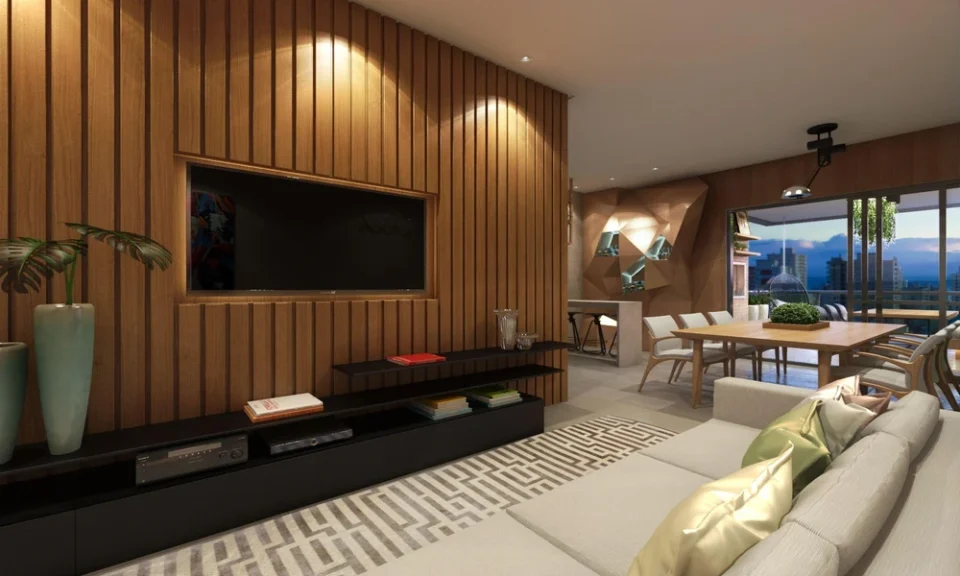
- Full-height fluted panels run from floor to ceiling and create a stronger visual statement.
- Partial installations cover selected wall sections and offer greater design flexibility.
- Full-height designs can make ceilings appear taller and spaces feel more cohesive.
- Partial panels often require less material and lower installation costs.
- The best choice depends on room size, budget, and the intended function of the feature wall.
Introduction
A fluted wood panel is widely used in modern interior design to add texture and depth to otherwise plain walls. The vertical grooves create visual interest while maintaining a clean and contemporary appearance. One of the most common applications is a TV console feature wall, where fluted panels help frame the television and create a focal point within the living area. However, homeowners often face a decision between full-height and partial fluted panel installations. While both options offer aesthetic benefits, they differ in terms of visual impact, functionality, and cost. Understanding these differences can help homeowners select the most suitable solution for their space.
Understanding Full-Height Fluted Wood Panel Installations
A full-height installation extends the fluted wood panel from the floor all the way to the ceiling. This approach creates a continuous surface that immediately attracts attention and establishes a strong architectural feature within the room.
One of the main advantages of full-height panels is their ability to enhance the perception of height. The uninterrupted vertical lines naturally draw the eye upwards, making ceilings appear taller and rooms feel more spacious. This makes full-height installations particularly effective in apartments and homes where creating a sense of openness is important. They also contribute to a more cohesive appearance, especially when integrated with built-in cabinetry or a TV console feature wall.
However, full-height installations typically require more materials and labour. As a result, they usually involve a higher overall budget. Homeowners should also ensure that the design complements the room’s proportions, as extensive wall coverage may feel overwhelming in certain spaces if not properly balanced with furniture and lighting.
Understanding Partial Fluted Wood Panel Installations
A partial installation covers only a specific section of the wall rather than the entire height. Common examples include panels installed directly behind a television, above a console cabinet, or within a framed feature area.
This approach offers greater flexibility in design. Instead of making the entire wall the centrepiece, partial panels allow homeowners to highlight a particular area while keeping the overall design more subtle. In a TV console feature wall, a partial panel installation can effectively draw attention to the entertainment area without dominating the room.
Partial installations also provide practical benefits. Since they use less material, they are generally more cost-effective than full-height alternatives. They can also be combined with other finishes such as paint, stone, laminate, or shelving systems, allowing for more customised design concepts. For homeowners seeking texture without committing to a large-scale feature, partial installations often provide an ideal balance.
Comparing Visual Impact and Functionality
The biggest difference between the two options is the level of visual impact they create. Full-height fluted panels deliver a bold and premium appearance. They create a strong sense of continuity and often become a defining feature of the room. This style works particularly well in contemporary interiors that emphasise clean lines and minimal clutter.
Partial installations offer a more controlled design statement. They create contrast and focus without overwhelming the space. This can be especially beneficial in smaller living rooms where excessive wall treatments may make the room feel crowded. Partial panels also offer greater flexibility for future renovations, as smaller feature sections are generally easier to modify or replace.
From a functional perspective, both options work well alongside storage cabinets, display shelves, and entertainment units. The decision often comes down to whether the homeowner wants the wall itself to be the primary feature or simply a complementary design element.
Conclusion
Both full-height and partial fluted wood panel installations have their advantages. Full-height designs create a seamless and dramatic feature that enhances room proportions, while partial installations offer flexibility, affordability, and a more subtle visual effect. When designing a TV console feature wall, homeowners should consider the room size, budget, and desired aesthetic before making a decision. Choosing the right installation style ensures the feature wall enhances both the appearance and functionality of the space.
Planning a new TV console feature wall for your home? Reach out to Jennings today for expert assistance.
