
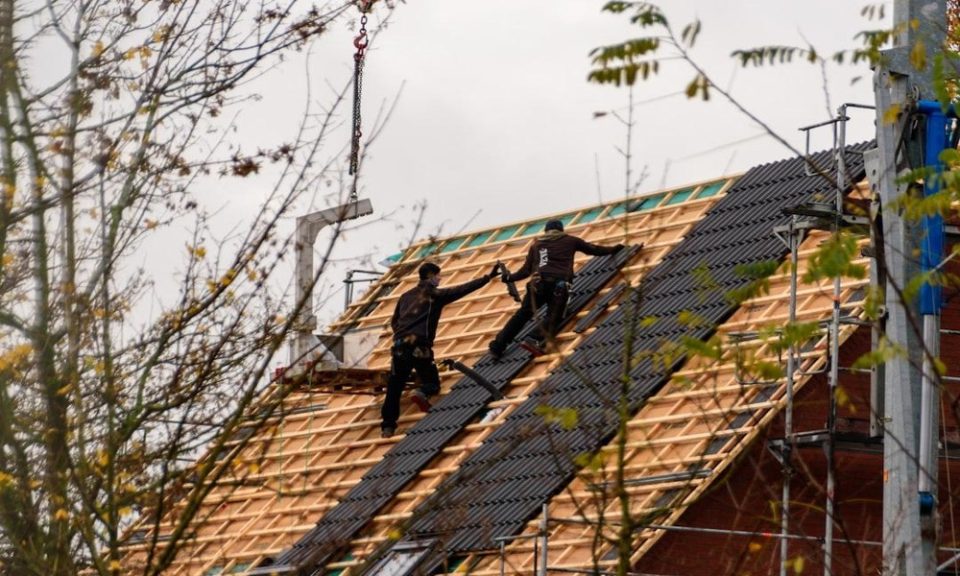
The Critical Role of Home Exterior Maintenance in Asset Preservation
Our homes are often our most significant investments. Their exteriors stand as the first line of defense against weather, pests, and time. Without proper care, small problems can quickly become large, expensive repairs. This neglect can also lower your home’s value and even create safety risks.
This guide offers essential strategies for long-term home exterior maintenance. We will explore how to protect your home and keep it looking its best. We will cover key areas like roofing, foundations, siding, and seasonal tasks.
By understanding these steps, you can prevent damage, save money, and ensure your home remains a safe and valuable asset for years to come. Recognizing when to perform DIY fixes and when to call for expert roofing and remodeling services is a key part of this proactive approach.
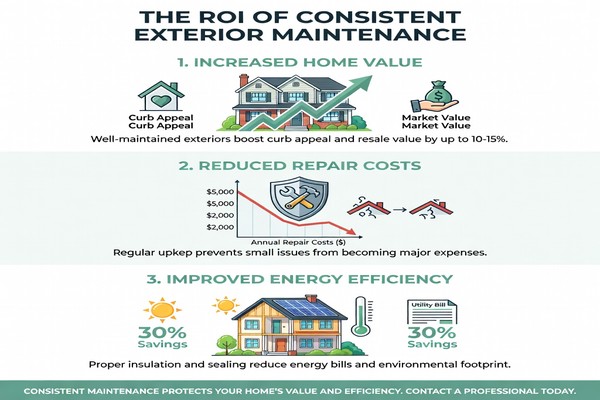
Regular exterior maintenance is the primary defense against environmental degradation and is estimated to save homeowners up to 3% of their home’s value in avoided repairs annually. Consistent upkeep prevents minor issues, such as hairline masonry cracks or loose shingles, from evolving into systemic failures that compromise the building envelope. Beyond structural safety, upholding high Ridge Top exterior maintenance standards suggests that a well-kept exterior significantly enhances resale value and ensures compliance with homeowner insurance policies.
The exterior of your home is constantly exposed to the elements: sun, rain, wind, snow, and fluctuating temperatures. Over time, these forces can cause wear and tear on every component, from the roof down to the foundation. Neglecting these issues can lead to a cascade of problems. A small crack in the siding might allow moisture to penetrate, leading to wood rot or mold growth within the wall structure. A clogged gutter can cause water to overflow, damaging fascia boards, landscaping, and even the foundation. These seemingly minor issues can escalate into major structural damage, requiring extensive and costly repairs.
Proactive maintenance, however, allows us to identify and address these problems when they are still small and manageable. By regularly inspecting and maintaining your home’s exterior, you’re not just preserving its aesthetic appeal; you’re actively safeguarding its structural integrity and extending its overall lifespan. This diligence translates directly into financial benefits, protecting your investment and potentially increasing its market value when it comes time to sell. Furthermore, a well-maintained exterior often signals to potential buyers that the home has been cared for, instilling confidence and justifying a higher asking price.
Proactive Home Exterior Maintenance for Energy Efficiency
Beyond preventing structural damage, diligent exterior maintenance plays a pivotal role in maintaining and improving your home’s thermal performance and energy efficiency. Gaps and cracks in the building envelope, often caused by neglected exterior components, are significant sources of air infiltration. This uncontrolled airflow allows heated or cooled air to escape, forcing your HVAC system to work harder to maintain comfortable indoor temperatures.
Key areas for attention include windows and doors. Over time, weatherstripping around these openings can degrade, crack, or become dislodged, creating pathways for air leaks. Similarly, the caulking around window frames, door jambs, and utility penetrations can dry out and shrink, leaving small but impactful gaps. Regularly inspecting and replacing worn weatherstripping and applying fresh caulk are simple, cost-effective tasks that can dramatically reduce drafts and improve your home’s ability to retain conditioned air. This not only enhances indoor comfort but also leads to noticeable reductions in your monthly energy bills.
For a comprehensive approach to improving your home’s energy performance through exterior care, consider exploring resources like the weatherization guide available on our site. This guide delves into various strategies for sealing your home against the elements, ensuring that your heating and cooling efforts are not wasted. Additionally, the UGA Home Maintenance Checklist provides an excellent framework for identifying and addressing energy-related maintenance tasks across your entire home, helping you create a more efficient and comfortable living environment. By focusing on these details, we can significantly reduce our carbon footprint and enjoy substantial savings on utility costs.
Pest Prevention and Insurance Compliance
The exterior of your home acts as a barrier, not just against weather, but also against unwanted intruders like pests. Small cracks, gaps, and deteriorated materials can become convenient entry points for insects, rodents, and other critters seeking shelter, food, or water. Termites, for instance, can exploit even the tiniest fissures in your foundation or siding to gain access, leading to extensive and costly damage that often goes unnoticed until it’s severe.
Regular exterior maintenance includes diligent inspections for potential entry points. We look for gaps around utility lines, dryer vents, and pipes, as well as cracks in the foundation or siding. Sealing these gaps with appropriate materials like caulk, mortar, or expanding foam is a critical step in pest prevention. Furthermore, managing moisture around your home is essential, as many pests are attracted to damp environments. Ensuring proper drainage, repairing leaks, and addressing any areas of standing water can significantly reduce pest infestations. For practical advice on sealing gaps to protect your home from pests and drafts, several excellent resources are available online.
Beyond pest control, consistent exterior maintenance is often a prerequisite for maintaining insurance compliance and warranty validity. Homeowner insurance policies typically require the property owner to take reasonable steps to prevent damage. Neglecting obvious maintenance issues, such as a severely damaged roof or persistent water leaks, could lead to denied claims if these issues result in further damage. Similarly, many manufacturer warranties for roofing, siding, or windows require regular maintenance to remain valid. Ignoring these stipulations could void your warranty, leaving you responsible for the full cost of repairs that would otherwise be covered. Additionally, if your home is part of a Homeowners Association (HOA), adherence to their exterior maintenance guidelines is often mandatory, with non-compliance potentially resulting in fines or forced repairs. By staying on top of exterior maintenance, we protect our homes from pests, ensure our insurance coverage remains active, and uphold the integrity of our product warranties.
Roofing Systems: The First Line of Defense Against Structural Damage
The roof is arguably the most critical component of your home’s exterior, serving as its primary shield against environmental forces. A residential roof should be professionally inspected every three years to identify latent damage from UV exposure, wind, and thermal expansion. In regions prone to volatile weather, such as Central Texas, homeowners should prioritize a thorough roof and attic inspection following any significant storm event. Early detection of granule loss or lifted flashing can significantly extend the lifespan of an asphalt shingle roof, which typically lasts 20 to 30 years with proper care.
The constant barrage of sun, rain, hail, and wind takes a toll on roofing materials. UV rays can degrade asphalt shingles, causing them to become brittle and lose their protective granules. High winds can lift or tear shingles, leaving the underlying structure vulnerable to water intrusion. Thermal expansion and contraction, due to temperature fluctuations, can stress materials and fasteners over time. Regular inspections, both by the homeowner and a qualified professional, are essential for catching these issues before they escalate. We look for signs of wear such as curling, buckling, or missing shingles, as well as any visible damage to flashing around chimneys, vents, and skylights. Addressing these problems promptly can prevent leaks, wood rot in the attic, and even structural damage to the roof deck.
Emergency Roofing Services and Storm Damage Mitigation
Severe weather events, such as hailstorms, high winds, or heavy snowfalls, can inflict immediate and significant damage on a roof. In these situations, prompt action is crucial to prevent further harm to your home’s interior and structure. When a storm hits, especially one involving hail damage roof repair, it’s imperative to assess the situation quickly and safely. Even if a leak isn’t immediately apparent, underlying damage to shingles, flashing, or the roof deck could be present, leading to future problems.
For homeowners in areas like Pflugerville, Texas, a specialized EMC roof inspection Pflugerville service can provide a rapid and accurate assessment of storm-related damage. These professionals are trained to identify subtle signs of impact and structural compromise that might be missed by an untrained eye. In cases of active leaks or significant damage, emergency tarping services can provide a temporary solution, protecting your home until permanent repairs can be made. This immediate mitigation is vital in preserving structural stability and preventing secondary damage like mold growth or ruined insulation. Understanding the need for swift storm damage repair is key to minimizing the long-term impact of severe weather on your home. We recommend having a trusted roofing professional’s contact information readily available, especially if you live in a storm-prone region. Their expertise can make all the difference in protecting your home when disaster strikes.
Critical Components: Shingles, Flashing, and Ventilation
Understanding the critical components of your roofing system is vital for effective maintenance. Shingles, whether asphalt, wood, or tile, are the most visible layer of protection, shedding water and shielding the underlying structure. However, their effectiveness relies heavily on proper installation and the integrity of other hidden elements. Our Asphalt roof maintenance playbook offers detailed guidance on caring for this common roofing material, emphasizing regular checks for wear and tear.
Flashing, often made of metal, is strategically installed around vulnerable areas like chimneys, skylights, vents, and where the roof meets a wall (known as valley joints). This material creates a watertight seal, preventing water from seeping into the roof structure. Damaged, corroded, or improperly installed flashing is a common source of roof leaks. Regular inspections should include checking the condition of all flashing and ensuring it remains securely attached and uncompromised. For any issues found, prompt roof repair is essential to maintain the integrity of these crucial seals.
Proper ventilation is another often-overlooked but essential aspect of a healthy roof. Ridge vents, soffit vents, and other attic ventilation systems work together to circulate air, preventing heat and moisture buildup. Inadequate ventilation can lead to a host of problems, including premature aging of shingles, increased energy costs, and the formation of ice dams in colder climates. It can also contribute to moisture accumulation in the attic, fostering mold growth and potentially compromising the structural integrity of the roof deck. A well-maintained chimney cricket, a small diversion roof structure behind a chimney, also plays a role in guiding water away from this vulnerable area. Understanding how these components work together allows us to implement a comprehensive maintenance strategy that ensures our roof provides optimal protection for decades.
Managing Moisture: Gutters, Siding, and Foundation Integrity
Effective moisture management is paramount to the long-term health of any home. It requires that all drainage systems, particularly gutters and downspouts, direct water at least three feet away from the home’s foundation to prevent soil erosion and hydrostatic pressure. Clogged gutters are the leading cause of basement flooding and siding rot, making biannual cleaning essential. Homeowners should also utilize the “screwdriver test” to check for wood rot on window sills and door frames, as paint can often camouflage internal decay.
Water is a home’s greatest enemy. When it’s not properly managed, it can cause extensive damage to various parts of the exterior, leading to costly repairs. The goal is to get water off the roof and away from the foundation as quickly and efficiently as possible. This is where a well-maintained gutter system becomes indispensable. If gutters are clogged with leaves, twigs, and other debris, rainwater will overflow, cascading down the sides of the house. This can saturate siding, cause paint to peel, and create ideal conditions for mold, mildew, and wood rot. When water pools around the foundation, it can seep into the basement or crawl space, leading to dampness, musty odors, and even structural issues over time due to hydrostatic pressure.
Gutter Maintenance and Water Diversion Strategies
Maintaining your gutters is a relatively simple task that yields significant protective benefits. We recommend cleaning gutters at least twice a year-once in late spring after tree pollen and seeds have fallen, and again in late fall after all the leaves have dropped. In areas with heavy tree cover, more frequent cleaning might be necessary. Beyond simply removing debris, it’s important to inspect the gutters themselves for any signs of damage, such as cracks, loose hangers, or sagging sections.
For comprehensive protection, consider investing in gutter sealing and repair to address any leaks or weak points. Ensuring that all seams are watertight prevents drips that can erode landscaping or damage fascia boards. Downspout extensions are crucial for directing water far enough away from the foundation. Without them, even clean gutters can deposit water directly at the base of your home, defeating the purpose. Splash guards, installed at the bottom of downspouts, can further disperse water and prevent concentrated erosion. For those seeking professional assistance, professional gutter services can handle everything from cleaning and repair to installation of gutter guards that reduce the frequency of cleaning. Our detailed gutter repair guide provides step-by-step instructions for common DIY fixes, empowering homeowners to tackle minor issues themselves. By prioritizing gutter maintenance and effective water diversion, we can protect our homes from the ground up.
Siding Protection and Foundation Monitoring
Siding is your home’s vertical defense, protecting the structural walls from moisture, wind, and pests. Different siding materials require specific maintenance approaches. For vinyl siding, regular cleaning with a mild detergent and a soft brush or low-pressure washer can prevent the buildup of dirt, grime, and mildew, which can degrade the material over time. Any cracks or holes in siding should be promptly addressed with siding repair services to prevent water intrusion.
For brick and masonry, monitoring the mortar joints is crucial. Hairline cracks in mortar are common, but if they widen or crumble, they may need tuck-pointing or re-pointing, a process of removing old mortar and replacing it with new. Weep holes, small openings at the bottom of brick walls, are essential for allowing moisture to escape from behind the veneer; ensure they are clear and unobstructed. For those facing issues with concrete, learning how to effectively perform fixing concrete cracks can prevent minor fissures from becoming major problems.
The foundation is the bedrock of your home, and its integrity is paramount. While minor hairline cracks in concrete foundations are often normal due to settling and curing, monitor them. Any crack that is wider than 1/4 inch, appears to be widening over time, or shows signs of displacement (one side higher than the other) warrants immediate professional evaluation. Regular inspections around the perimeter of your home for signs of foundation issues, such as uneven settling or significant cracking, are a key part of exterior home repair. By diligently maintaining your siding and regularly monitoring your foundation, we ensure the long-term stability and protection of our homes.
Seasonal Checklists for Year-Round Home Exterior Maintenance
Effective home exterior maintenance isn’t a one-time event; it’s a continuous process that adapts to the changing seasons. Just as we prepare our wardrobes for different weather, our homes require seasonal attention to remain resilient. Spring cleaning and winterization are two well-known concepts, but a year-round approach ensures no critical task is overlooked. Our comprehensive Monthly Exterior Home Maintenance Checklist offers a detailed breakdown of tasks, ensuring you stay ahead of potential issues.
Pressure washing is a powerful tool for maintaining cleanliness and preventing buildup. For instance, eco-friendly exterior painting projects often begin with a thorough pressure wash to ensure optimal adhesion and a lasting finish. Deck staining, HVAC filter replacements, and sprinkler system inspection are other tasks that benefit from seasonal scheduling. By planning these activities in advance, we can spread the workload and prevent overwhelming to-do lists.
Here’s a comparison of typical spring and fall maintenance priorities:
| Task Category | Spring Priorities | Spring | Fall | | Roofing | Inspect for winter damage, clean debris | Inspect for winter prep, clean debris | | Gutters | Clean debris, check for clogs/leaks | Thoroughly clean, ensure proper drainage | | Siding | Wash off winter grime, inspect for damage | Inspect for cracks, seal gaps before winter | | Windows & Doors | Clean, inspect weatherstripping/caulking | Check/replace weatherstripping, seal drafts | | Foundation | Inspect for cracks, ensure proper drainage | Inspect for cracks, ensure proper drainage | | Decks & Patios | Clean, inspect for rot/damage, reseal/stain | Clean, prepare for winter storage | | Landscaping | Trim vegetation, clear beds, fertilize | Rake leaves, trim trees, winterize plants | | HVAC | Change filters, schedule AC tune-up | Change filters, schedule furnace tune-up | | Outdoor Faucets/Sprinklers | Check for leaks, turn on systems | Turning off external faucets, winterize systems | | Chimney | Inspect for damage after winter | CSIA-Certified inspection and cleaning |
Spring and Summer: Cleaning and Inspection
As the weather warms and days lengthen, spring and summer offer the ideal conditions for thorough exterior cleaning and inspection. This is the time to wash away the grime and buildup accumulated over winter. Power washing your home’s exterior can remove dirt, mildew, and algae, instantly boosting curb appeal and preventing long-term damage. Remember to use appropriate pressure settings for different surfaces; for example, a lower setting for siding and a higher one for concrete driveways.
Beyond cleaning, a detailed inspection of various components is crucial. Check window screens for tears or holes, repairing or replacing them to keep insects out. Inspect decks and patios for signs of wear, loose boards, or rot. For those with advanced decking materials like Zuri Premium Decking, cleaning is often simpler, but still necessary to maintain its pristine appearance. We also recommend trimming back vegetation, ensuring trees and shrubs are not touching the house. This prevents moisture retention against siding, reduces pest access, and minimizes the risk of damage from falling branches. For guidance on effective trimming vegetation to protect your home, several expert resources can be consulted. Finally, clean your AC condenser unit to ensure efficient operation during the hotter months, removing any accumulated debris that could impede airflow.
Fall and Winter: Fortification and Weatherproofing
As autumn approaches and winter looms, the focus shifts from cleaning to fortification and weatherproofing. Preparing your home for colder temperatures and harsher conditions is vital to prevent costly damage. A top priority is gutter clearing. Clogged gutters can lead to ice dams, which force melting snow under your roof shingles, causing leaks and water damage. Ensuring they are thoroughly cleaned before the first freeze is non-negotiable.
Another critical task is turning off external faucets and draining garden hoses. If water remains in outdoor pipes during freezing temperatures, it can expand and burst pipes, leading to significant plumbing damage. Insulating exposed pipes and disconnecting hoses are simple preventive measures. If you have a fireplace, fall is the time for a chimney sweep and a CSIA-Certified inspection. This ensures the chimney is free of creosote buildup, which can cause fires, and that the structure is sound for safe winter use.
Checking and replacing weatherstripping around doors and windows is essential to seal drafts and improve energy efficiency, keeping warm air in and cold air out. In regions prone to heavy snowfall, consider strategies for roof snow removal to prevent structural strain and ice dam formation. While some tasks can be DIY, others, like professional chimney inspections or complex roof snow removal, are best left to experts to ensure safety and proper execution.
Professional vs. DIY: When to Call the Experts
While homeowners can manage basic tasks like raking leaves, cleaning windows, or inspecting gutters from the ground, high-risk activities such as multi-story gutter cleaning, structural roof repairs, or complex electrical work should always be reserved for licensed professionals. Attempting DIY fixes on intricate systems like garage door springs or chimney flues can lead to severe injury, costly mistakes, or even the voiding of manufacturer warranties. For expert assistance with your home’s exterior, contact a specialist at 512-877-8946 to schedule a comprehensive evaluation.
The decision to undertake a home maintenance task yourself or hire a professional often boils down to a few key factors: safety, expertise, specialized tools, and time. For tasks that involve working at heights, handling hazardous materials, or require specific technical knowledge, the risks of DIY often outweigh the potential cost savings. A professional brings not only their skill but also the correct equipment and insurance, providing peace of mind.
Safety Protocols and Specialized Equipment
Safety should always be our top priority. Tasks involving ladders, especially those extending to a second story or higher, carry a significant risk of falls. Professionals are trained in ladder safety and often use scaffolding or specialized lifts for high-access jobs. Similarly, operating power tools like pressure washers requires adherence to strict safety protocols. The CDC pressure washer safety guidelines highlight the importance of proper technique and protective gear to prevent injuries.
Many exterior maintenance tasks also require specialized sealants, tools, or diagnostic equipment that the average homeowner doesn’t possess. For instance, diagnosing a subtle roof leak might require thermal imaging cameras, while certain types of roofing knowledge center repairs demand specific sealing compounds or techniques that ensure a watertight, durable fix. Attempting to use improper materials or tools can lead to ineffective repairs that fail prematurely, ultimately costing more in the long run. Professionals also have access to higher-grade, longer-lasting materials not typically available to the general public, ensuring the longevity and quality of repairs.
Identifying Structural Red Flags
Part of effective exterior maintenance is knowing when a problem transcends a simple DIY fix and indicates a deeper, potentially structural issue. Homeowners should be vigilant in identifying these structural red flags, as early intervention can prevent catastrophic damage. Signs of foundation settling, such as significant cracks in the exterior walls (especially those that are horizontal, stair-step, or wider than 1/4 inch), doors and windows that stick, or uneven floors, demand immediate professional attention. A comprehensive foundation inspection by a structural engineer or a qualified foundation repair specialist is crucial in these scenarios.
Similarly, a sagging roofline is a serious indicator of underlying structural problems with the roof trusses or framing, possibly due to excessive weight, water damage, or improper construction. Persistent leaks, particularly those that reappear after repairs or affect multiple areas, can signal extensive damage that requires more than just patching. Electrical line interference, such as tree branches growing too close to power lines, poses a significant safety hazard and should be reported to the utility company or a professional arborist. While we can perform routine checks, recognizing these critical warning signs and knowing when to call for professional roof inspection services or other specialists is a homeowner’s most important maintenance skill. Trusting experts for these complex issues safeguards both your home and your family.
Frequently Asked Questions about Home Exterior Maintenance
How often should I have my roof inspected?
A qualified professional should perform a comprehensive roof inspection every three years, especially in areas prone to severe weather. However, homeowners should conduct a ground-level visual check with binoculars twice annually-once in the spring to assess winter damage and again in the fall to prepare for winter. After any significant storm event, an immediate visual inspection is also highly recommended.
What is the best way to prevent wood rot on my home’s exterior?
The best way to prevent wood rot is to maintain a high-quality paint or stain seal on all exposed wooden surfaces. Paint and stain act as barriers against moisture, which is the primary cause of rot. Most exterior paints are made to last from five to 10 years, varying by formula, sun exposure, wall material, and weather conditions, so regular repainting or touch-ups are crucial. Wood decks typically need re-staining every two to three years depending on the environment. Additionally, ensuring proper drainage, repairing leaks promptly, and trimming vegetation away from wooden components will help keep them dry and extend their lifespan.
How do I know if a foundation crack is serious?
Hairline cracks in concrete foundations, driveways, and sidewalks are often the result of normal concrete curing or minor settling and are generally not serious. However, any crack that is wider than 1/4 inch, continues to expand over time, shows signs of displacement (where one side of the crack is higher or lower than the other), or is accompanied by other symptoms like sticking doors/windows or uneven floors, should be evaluated by a structural engineer or a qualified foundation repair specialist immediately. Early intervention for serious cracks can prevent much more extensive and costly repairs down the line.
Conclusion
Our homes are enduring investments, and their exteriors are the guardians of that value. By embracing a proactive approach to home exterior maintenance, we not only preserve the aesthetic appeal of our properties but also safeguard their structural integrity and enhance their long-term value. From the crucial role of a well-maintained roof to the intricate dance of moisture management through gutters and siding, every component plays a part in protecting our living spaces.
We’ve explored the importance of seasonal checklists, the energy efficiency gains from diligent weatherization, and the critical need for pest prevention. Most importantly, we’ve highlighted the wisdom in knowing when to tackle a DIY project and when to call upon the expertise of professionals for tasks that demand specialized skills, tools, or safety precautions. This balanced approach ensures that our homes remain resilient, efficient, and beautiful for years to come.
Consistent care is the cornerstone of asset preservation. By investing time and effort into your home’s exterior, you’re not just performing maintenance; you’re securing your investment and ensuring a safe, comfortable environment for your family. And for those moments when unexpected challenges arise, such as after a severe storm, knowing you can rely on emergency roof repair services provides invaluable peace of mind. Let’s commit to these essential strategies, protecting our homes, one exterior task at a time.
