
High-Impact ROI and Strategic Storage
As we step into April 2026, many homeowners are seeking ways to revitalize their living spaces. Home interior upgrades offer far more than just a fresh look; they’re a strategic investment in daily comfort, enhanced functionality, and your home’s future value. Whether you’re preparing to sell, wanting to boost curb appeal, or simply aiming to create a more inviting environment, thoughtful improvements can yield remarkable results.
We often observe that buyers form an impression of a home within a mere eight seconds. This means every detail, from the entryway to the overall flow, plays a crucial role. This guide will explore how to make those details count. We’ll delve into updates that promise a high return on investment, such as kitchen and bathroom renovations, along with the transformative impact of professional painting and expert lighting design.
Furthermore, we’ll uncover how strategic organization, including options like Custom Boston closet designs, can dramatically improve both aesthetics and livability. We’ll also examine future-proofing technologies, low-cost DIY projects, and the art of personalizing your space. Join us as we reveal how to elevate your home’s interior, making it both beautiful and highly functional for years to come.
When considering home interior upgrades, maximizing your return on investment (ROI) is often a top priority, especially if selling is on the horizon. Some renovations consistently demonstrate their value, not just in terms of aesthetic appeal but also in tangible financial returns.
Maximizing ROI with Home Interior Upgrades
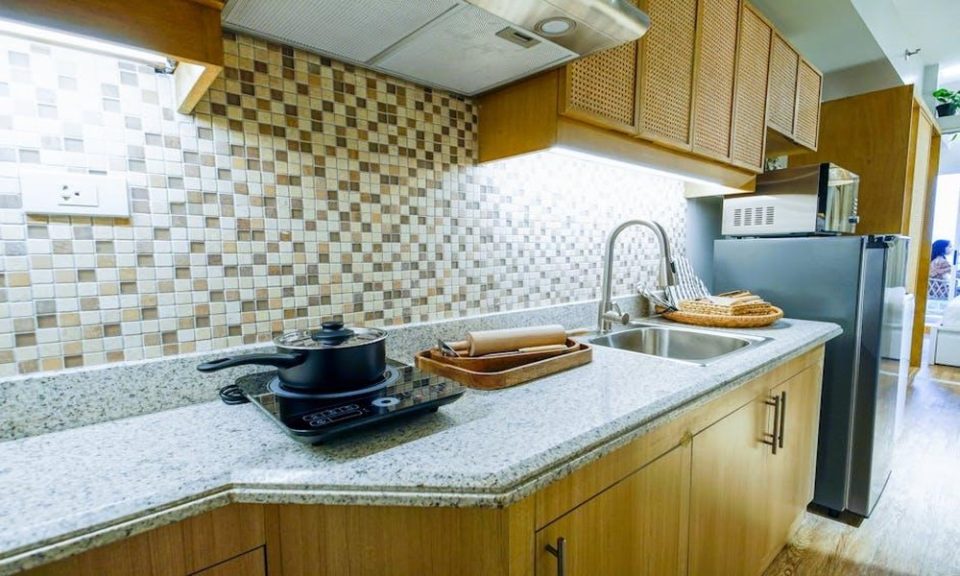
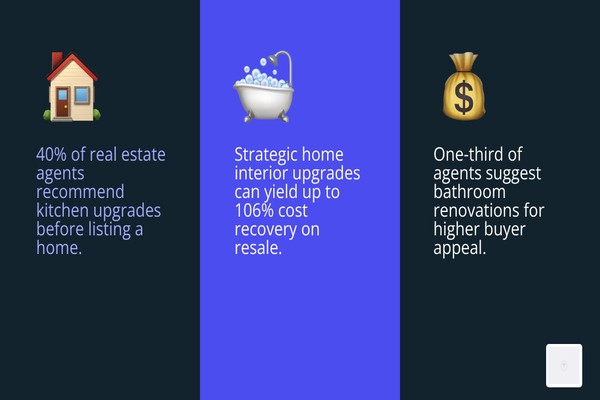
The National Association of REALTORS® (NAR) consistently highlights specific renovations that resonate most with buyers and yield significant resale value. For instance, a complete kitchen renovation frequently tops the list for both buyer appeal and increased home resale value. In fact, 40% of real estate agents suggest sellers upgrade their kitchen before listing, with 20% attributing a closed sale to such an improvement. While a full overhaul can be substantial, even smaller tweaks like refreshing the backsplash, painting cabinets, or updating appliances can make a big difference.
Bathroom remodeling is another area with strong ROI. One-third of real estate agents recommend bathroom renovations prior to listing. Even a powder room refresh can add significant ground-floor appeal. For homes lacking, adding a second bathroom or repurposing a closet for a new en suite can dramatically increase functionality and value. Main suite expansions, which might involve annexing less desirable formal living areas, also report high homeowner satisfaction, with 65% reporting increased enjoyment and functionality.
Flooring upgrades are particularly notable for their financial returns. New wood flooring, for example, boasts an impressive 106% recovered project cost, meaning a $4,700 investment could recoup $5,000 at sale. Similarly, refinishing existing hardwood floors can recover 100% of the project cost, with an estimated $2,600 investment yielding $2,600 back. These statistics underscore the enduring appeal and value of quality flooring.
When it comes to selecting materials for these high-traffic areas, especially kitchens and bathrooms, the choice of countertops is paramount. Upgrading to High-quality stone upgrades like marble or quartz can instantly elevate a space, signaling luxury and durability to potential buyers. Marble offers classic elegance, while quartz provides exceptional resilience and low maintenance. Swapping out laminate counters for these premium materials, along with updated plumbing fixtures, can create a sophisticated, new look without requiring a complete structural change.
Upgrade Type Estimated Investment Recovered Value % Recovered Cost New Wood Flooring $4,700 $5,000 106% Refinished Hardwoods $2,600 $2,600 100% Basement Conversion $46,900 $30,000 64% Attic Conversion $80,000 $44,800 56% Table: Comparing ROI for various home upgrades
Enhancing Functionality Through Custom Organization
Beyond aesthetic appeal and resale value, the daily livability of a home is profoundly impacted by its organization and storage solutions. A cluttered home not only feels chaotic but can also appear smaller and less inviting. This is where strategic organization and custom storage come into play, transforming spaces from mere rooms into highly functional environments.
Decluttering is the essential first step, allowing you to assess what you truly need and use. Once the excess is removed, the challenge becomes intelligent storage. Custom solutions, such as Custom Boston closet designs, are invaluable here. They maximize every inch of space, providing tailored compartments for clothing, accessories, and personal items, effectively turning chaos into order. Walk-in closets, for instance, can be designed with specific shelving, drawers, and hanging rods to accommodate diverse wardrobes, making daily routines smoother and more enjoyable.
But organization extends far beyond the bedroom. Mudrooms, often the gateway for daily comings and goings, benefit immensely from custom storage that includes cubbies, hooks, and benches, keeping outerwear and shoes neatly contained. Laundry rooms can become models of efficiency with built-in cabinetry, folding stations, and smart shelving for supplies. Pantries, too, can be optimized with custom shelving and pull-out drawers, ensuring every ingredient is accessible and visible. Even garages can be transformed from dumping grounds into functional spaces with robust storage systems, pegboards, and overhead shelving.
Hidden storage solutions, like built-in benches with lift-top lids or entertainment centers with integrated cabinets, contribute to a clean, streamlined look while providing essential storage. The goal is to create a home where everything has its place, reducing visual clutter and enhancing the overall sense of calm and order. This not only makes a home more pleasant to live in but also significantly boosts its appeal to potential buyers who value functionality and tidiness.
Professional Painting and Lighting Design
The power of paint and light to transform a space cannot be overstated. These elements are not merely decorative; they are fundamental to creating mood, enhancing perceived space, and defining a home’s character.
Luxury Details and Lighting Layers
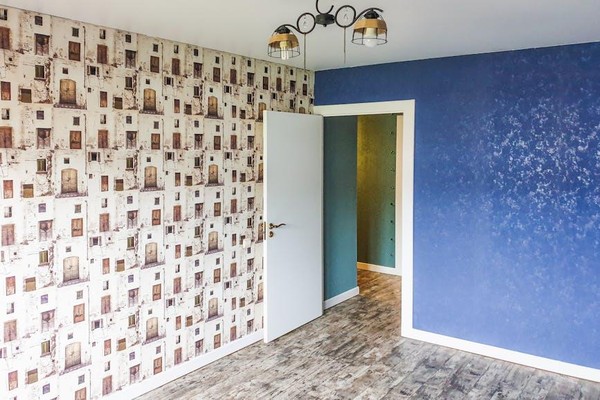
Professional painting is one of the most impactful and cost-effective ways to refresh a home. Techniques like color drenching, where walls, ceiling, and trim are painted the same color, can create an illusion of expanded space and a cohesive, sophisticated look. This trend, popular in 2025, makes a room feel enveloped and intentional. For those seeking to add personality without committing to a full room repaint, an accent wall can be a striking focal point.
Choosing the right colors is crucial. Warm neutrals like soft whites, greiges, and subtle tans are perennially popular because they brighten spaces, calm the atmosphere, and photograph exceptionally well, which is a significant advantage if you’re selling. These colors also provide a versatile backdrop for various decor styles. Matte finishes on walls offer a contemporary, soft look, while a satin finish on trim adds a subtle contrast and durability. For truly quality home interior upgrades, surface preparation is key-proper cleaning, patching, and priming ensure a smooth, lasting finish that elevates the entire room.
Beyond paint, architectural details like crown molding, wainscoting, and updated baseboards serve as the “jewelry” of a room, framing spaces elegantly and adding a sense of refinement. These details draw the eye upward, contributing to a feeling of grandeur and bespoke craftsmanship.
Lighting is another critical layer of design. A well-lit room feels inviting and functional, while poor lighting can make even the most beautiful space feel dull. Designers advocate for layered lighting, incorporating ambient (general illumination), task (for specific activities), and accent (to highlight features) lighting. Statement chandeliers can serve as a focal point, while sconces add atmospheric light and architectural interest. For optimal coziness and to enhance textures, we recommend using warm-toned bulbs, ideally around 2700K. Dimmable LEDs and smart bulbs further enhance comfort and energy efficiency, allowing homeowners to adjust the mood with ease. Custom window treatments, such as tailored Roman shades or elegant drapes, complete the picture by controlling natural light, adding texture, and providing privacy with a luxurious touch.
Future-Proofing and Smart Technology
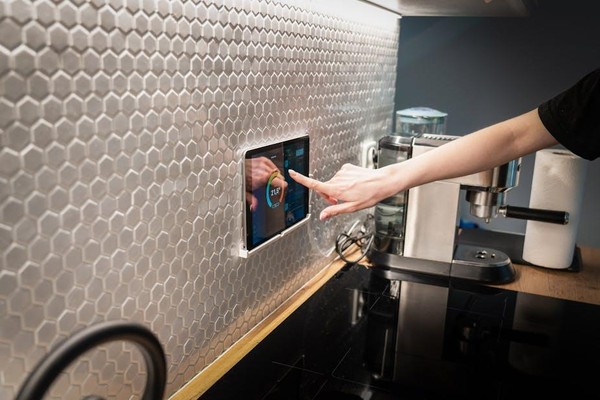
Investing in home upgrades that anticipate future needs and leverage smart technology is a forward-thinking approach that enhances comfort, saves money, and adds long-term value.
Long-Term Value and Accessibility
Energy-efficient updates are paramount in April 2026. Replacing an outdated HVAC system, for instance, not only cuts energy bills but also significantly improves indoor comfort. A remarkable 66% of homeowners report increased enjoyment of their home after replacing their HVAC system. Complementary upgrades like enhanced insulation and air sealing further boost efficiency, keeping homes warmer in winter and cooler in summer. Smart thermostats, which learn your habits and can be controlled remotely, are excellent additions to optimize energy usage.
Smart technology extends to other areas of the home, improving daily living. Smart locks offer enhanced security and convenience, allowing keyless entry and remote access control. Virtual assistants integrate seamlessly into smart home ecosystems, managing everything from lighting to entertainment. Motion sensor lights, particularly in entryways or hallways, add safety and convenience, eliminating the need to fumble for switches in the dark. Homeowners should also explore potential energy tax credits for certain energy-efficient installations, which can further offset initial costs.
For homeowners planning to age in place or those with accessibility needs, specific upgrades can future-proof a home. Heated floors provide luxurious comfort and are particularly beneficial for those with mobility issues. Step-in showers, replacing traditional tubs, offer easier access and reduce fall risks. Chair-height ADA toilets and wider hallways (expanding from 30 inches to 36 inches or more) are thoughtful modifications that enhance long-term usability. While major conversions like a basement to living area (64% value recovery) or an attic to living area (56% value recovery) represent larger investments, they significantly increase usable square footage and can be designed with future accessibility in mind. Multi-use flex spaces, home offices, and wall beds offer versatility, adapting to changing lifestyle needs. Even simple additions like solatubes can dramatically brighten dark interiors, reducing reliance on artificial lighting and improving mood.
Low-Cost and DIY Home Interior Upgrades
Transforming your home doesn’t always require a hefty budget or professional contractors. Many high-impact upgrades can be achieved with minimal investment and a bit of DIY spirit.
Personalization Through Art and Upcycling
One of the most immediate and free ways to refresh a living room is through furniture rearrangement. Shifting existing pieces, repositioning rugs, and rethinking focal points can dramatically alter the flow and feel of a space. For rug placement, a good rule of thumb is to ensure the front legs of major seating pieces rest on the rug, leaving about 8-12 inches of floor visible around the edges to define the space.
Adding textiles is another low-cost, high-impact strategy. Throw pillows, sourced affordably from big box stores or by simply swapping covers, introduce color, texture, and comfort. Velvet slipcovers can instantly give a tired sofa a luxurious new look. Greenery, whether real or faux, breathes life into any room. Fiddle leaf fig trees, though sometimes challenging to maintain, are designer favorites for their elegant, sculptural presence. Faux versions offer a practical alternative for those without a green thumb. Foraged branches from your yard or simple bouquets of flowers can also make a significant statement.
Personalization through art and upcycling allows homeowners to inject unique character into their spaces. Gallery walls, featuring a mix of framed prints, personal photos, or even abstract art, create visual interest and tell a story. Oversized mirrors strategically placed can reflect light, making a room feel larger and brighter. For existing furniture, a coat of chalk paint or updated hardware can completely transform an outdated piece into a bespoke item. Wooden slat panels offer both aesthetic appeal and practical benefits, like sound absorption, making them a great DIY project for noisy neighbors or echoey rooms. Even small details like using washi tape to create decorative borders or cable management boxes to hide unsightly wires contribute to a polished, intentional look.
Frequently Asked Questions about Home Interior Upgrades
We understand that embarking on home interior upgrades can bring up many questions. Here, we address some of the most common inquiries to guide your decisions.
What are the most effective low-cost living room updates?
Many designers agree that some of the most effective living room upgrades require minimal financial outlay. These include:
- Bringing in greenery: Plants (real or high-quality faux) and fresh flowers instantly add life and color.
- Swapping throw pillows: New covers can dramatically change a sofa’s look and introduce new textures or patterns.
- Rearranging furniture: This free update can improve flow, create new focal points, and make a room feel fresh.
- Adjusting lighting temperature: Switching to warmer (2700K) LED bulbs can create a cozier, more inviting ambiance.
- Strategic mirror placement: An oversized mirror can reflect light and views, making a room feel larger and brighter.
- Decluttering and editing: Removing excess items makes a space feel calmer and more intentional.
For more ideas on how to refresh your space without breaking the bank, explore 32 Easy Tips To Upgrade Your Living Room.
Which renovations offer the highest return on investment?
When considering upgrades for resale value, certain renovations consistently outperform others. Based on recent data:
- New wood flooring: Recovers an impressive 106% of its cost.
- Refinishing hardwood floors: Recoups 100% of the investment.
- Kitchen upgrades: While a full overhaul can be costly, even minor kitchen updates (like painting cabinets or new backsplashes) are highly recommended by real estate agents and often help close sales.
- Bathroom additions/renovations: Adding a second bathroom or updating existing ones, even powder rooms, significantly boosts appeal.
- HVAC replacement: Improves comfort, energy efficiency, and homeowner satisfaction, making a home more attractive.
For a deeper dive into upgrades that increase home value, particularly in areas like Massachusetts, consider resources like Best Interior Upgrades to Increase Home Value in Massachusetts.
Avoiding common mistakes in home interior upgrades
Even with the best intentions, mistakes can happen. Here are some common pitfalls to avoid:
- Undersized rugs: A rug that’s too small can make a room feel disjointed. Ensure the front legs of all major seating pieces rest on the rug.
- Matched furniture sets: Buying an entire matching set can make a room feel flat and uninspired. Mix styles and periods for a more curated, personal look.
- Poor lighting scale: Installing light fixtures that are too small or too large for the room, or relying solely on overhead lighting, can ruin the ambiance. Layer different light sources.
- Over-cluttering: Even after decluttering, adding too many decorative items can make a space feel busy. Less is often more.
- Neglecting storage: Without adequate storage, even a newly upgraded home can quickly become messy. Plan for functional and aesthetically pleasing storage solutions.
- DIY electrical risks: While some DIY is encouraged, complex electrical work should always be left to professionals.
- Skipping primer: Especially when painting over dark colors or glossy surfaces, primer is essential for a smooth, even, and long-lasting finish.
- Ignoring floor measurements: Always measure your space accurately before purchasing furniture, rugs, or window treatments to avoid costly returns.
For a comprehensive guide on redesigning rooms on a budget and avoiding common missteps, refer to Redesign a Room on a Budget: A Guide | TimelessHome.ai.
Conclusion
As we’ve explored, home interior upgrades in April 2026 offer a vast spectrum of possibilities, from high-impact renovations that boost resale value to low-cost DIY projects that refresh a space instantly. The key lies in strategic planning, understanding your goals, and making informed choices that align with both your budget and your vision for your home.
Whether you’re investing in quality materials like stone countertops, optimizing functionality with custom closet solutions, or transforming ambiance with professional painting and lighting design, each upgrade contributes to a more comfortable, beautiful, and valuable home. Remember to consider long-term value, energy efficiency, and accessibility to future-proof your living space.
Your home should be a reflection of you-a place of comfort, functionality, and personal style. By combining professional expertise with thoughtful personalization, you can achieve a home interior that not only meets April 2026 design standards but also enhances your daily life for years to come. Start with a plan, embrace quality, and enjoy the transformative journey of elevating your home’s interior.
