
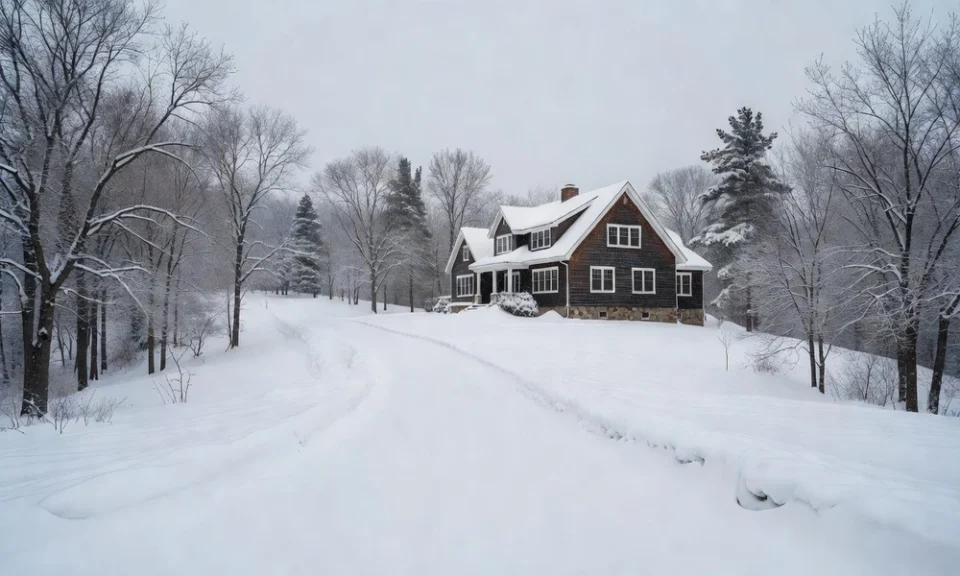
Every October, the roads around Grand Traverse Bay fill with trailers hauling docks and boat lifts back to storage. Shutters go up, porch furniture moves inside, and thousands of seasonal cottages settle in for five or six months of snow, wind and temperatures that often slip below zero. What happens inside those walls over the winter depends mostly on one decision made before the owner drives away.
That decision is whether to keep the heat running or to drain the water system and let the house go cold. Both approaches work when done carefully, and both fail in expensive ways when shortcuts creep in. Because the choice touches the furnace, the water lines and sometimes a well or boiler at the same time, many owners around Traverse City ask a licensed plumbing and heating contractor like Stag Mechanical LLC to look at the whole setup before deciding. Even so, it helps to understand what each path actually asks of the house.
Two Ways to Leave a House Behind
A heated house stays at a low temperature all winter, and its plumbing remains full and pressurized. The appeal is obvious. The cottage is ready for a February ski weekend, wood floors and drywall avoid the stress of deep cold, and there is no reopening routine in spring.
A drained house has its water removed so there is nothing left to freeze. The heat can be switched off or set very low, which cuts fuel costs sharply. The tradeoff is that the home becomes unusable until someone refills and checks the system.
Plenty of owners land somewhere in between. They keep a modest amount of heat on and also close the main water valve, which limits how much water can escape if something goes wrong.
The Case for Keeping the Heat On
The usual advice is to set the thermostat no lower than 55 degrees. The Indiana Office of Utility Consumer Counselor gives that same figure in its guide to preventing frozen pipes and also recommends having someone check the home during extreme cold.
The weak point is that every bit of protection relies on the furnace running without interruption for months. It needs steady power, steady fuel and a healthy ignition system. Propane tanks run dry when delivery schedules slip. Ice storms take down lines along rural roads in Leelanau and Antrim counties. A thermostat on an interior wall can read 55 while a kitchen supply line inside a north facing exterior wall sits well below freezing.
Smart thermostats, wireless temperature sensors and leak detectors close part of that gap. They are only useful, though, if someone nearby holds a key and can respond within hours rather than days.
How a Winter Failure Usually Unfolds
The typical story is slow and silent. During a January cold snap, a dirty flame sensor causes the furnace to lock out. Indoor temperatures fall a few degrees every hour. Within a day or two, water in the most exposed pipes turns to ice and splits the copper or loosens a fitting.
Nothing leaks yet, because the water is frozen. The damage shows up later, when a March thaw arrives and water starts flowing through the crack. In an empty house, it can run for days before anyone notices, soaking subfloors, ceilings and insulation. A closed main valve does not stop the pipe from bursting, but it shrinks the flood to whatever water was already sitting in the lines.
What Draining Really Involves
Draining sounds simple, yet a partial job can be worse than none, because owners then assume the house is safe. A thorough winterization typically covers:
- Closing the main valve, or on a well system, switching off the pump and emptying the pressure tank
- Shutting off fuel or power to the water heater and draining the tank completely
- Opening every hot and cold faucet, plus the lowest drain point in the house
- Blowing compressed air through the lines, since horizontal runs and low spots hold water
- Emptying toilet tanks and bowls, then adding nontoxic RV antifreeze to every trap and floor drain
- Disconnecting appliances that hold water, such as the dishwasher, washing machine, ice maker, softener and filters
The traps deserve extra attention. A trap that dries out lets sewer gas drift into the house, while one left full of plain water can crack. Propylene glycol antifreeze made for RVs keeps the seal intact without harming septic systems. Automotive antifreeze has no place in household plumbing.
Boilers Play by Different Rules
Homes heated by a boiler with baseboard or radiant floors carry water in the heating loop as well as in the plumbing. Draining that loop is harder than draining a sink line, and refilling it in spring often brings air locks and noisy circulation.
Many owners of these systems have the heating loop filled with a glycol solution instead. That allows the heat to run low or even stop without risk to the piping. The fluid breaks down over time, so it needs periodic testing and eventual replacement. Radiant tubing buried in a concrete slab cannot be drained at all in any practical way, which pushes those homes toward the glycol route or continuous heat.
Equipment That Runs Unwatched
A heated but empty cottage means fuel burning equipment operating for months with nobody around to notice a problem. Drifting snow can bury the sidewall intake and exhaust pipes of a high efficiency furnace, causing shutdowns or poor venting. Mice like to nest in warm flues and intake pipes during autumn.
The EPA explains that carbon monoxide is odorless and colorless and stresses proper venting and regular inspection of fuel burning appliances. For a seasonal home, that argues for a fall tune-up before departure, with the flame sensor cleaned, the igniter tested, the filter replaced and the venting checked from end to end. A carbon monoxide alarm that sends alerts to a phone adds another layer for a house nobody is sleeping in.
Spring Brings Its Own Checklist
Reopening a drained house works best slowly. The drains get closed first, then the main valve opens partway while someone listens and looks for drips at fittings, valves and appliance connections. The water heater must be completely full before its burner or elements switch on, because a dry tank can be damaged within minutes. Each faucet then runs until the antifreeze clears and the water turns clean.
A heated house needs attention too. A furnace that worked through the whole winter has logged a season of hard use and deserves a look before summer guests arrive.
Choosing the Right Approach
No single method suits every cottage. The better choice depends on how often the owner visits in midwinter, what kind of heating system the house has, whether a trusted neighbor can check in, and how the home sits on its lot. Insurance matters as well. Many homeowner policies require either steady heat or a shut off water supply for vacant homes, and a claim can be denied if neither was in place.
What every approach shares is timing. Decisions made in calm October weather, with time to inspect equipment and test valves, tend to hold up far better than anything rushed on the last morning before the drive south.
