
The Core Components of Professional HVAC Services
Professional HVAC services encompass a wide range of solutions designed to maintain optimal indoor comfort and air quality. Beyond simply fixing a broken unit, these services involve a holistic approach to your home’s heating, ventilation, and air conditioning systems. In a region like Metro Atlanta, where temperatures fluctuate significantly throughout the year, ensuring every component is functioning efficiently is paramount.
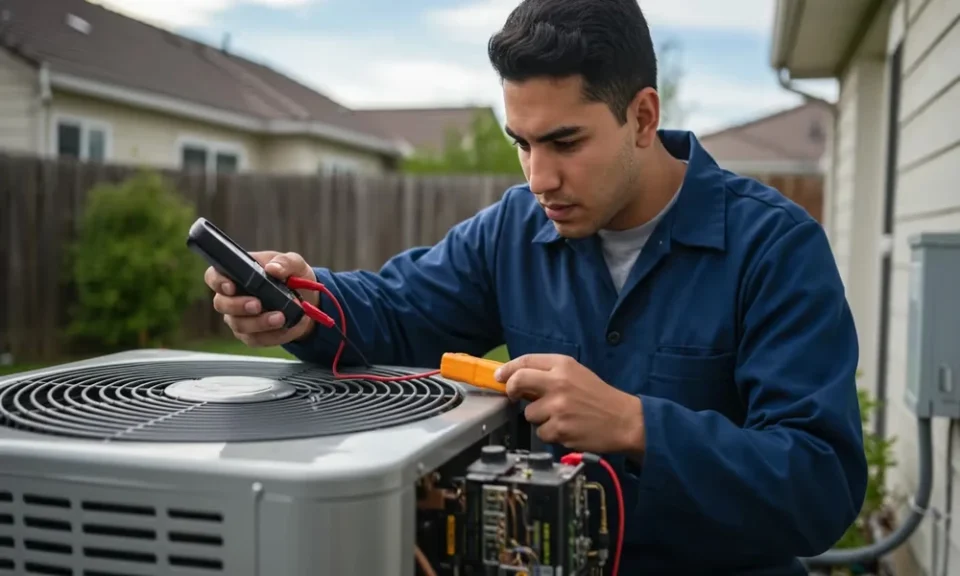
At its core, professional HVAC service begins with thorough system diagnostics. Technicians utilize specialized tools and expertise to identify underlying issues, assess performance, and pinpoint areas for improvement. This diagnostic phase is critical for both preventative maintenance and effective repairs. Following diagnosis, component cleaning is often a key part of the service. Dust, debris, and other contaminants can accumulate on coils, fans, and other internal parts, hindering efficiency and potentially leading to breakdowns. Regular cleaning helps restore the system’s original performance benchmarks.
Ventilation is another crucial aspect, ensuring a steady exchange of indoor and outdoor air, which is vital for removing pollutants and maintaining healthy oxygen levels. Modern HVAC systems integrate advanced ventilation technologies to achieve this balance. Professional HVAC services aim to provide comprehensive care for your heating systems, air conditioning units, and overall ventilation, ensuring they operate reliably and efficiently, regardless of the challenging Georgia climate.
Heating and Cooling Solutions for Georgia Homes
Georgia homeowners face distinct challenges when it comes to maintaining comfortable indoor temperatures. Our summers demand robust air conditioning, while winters necessitate reliable heating. Professional HVAC providers offer tailored solutions for both.
For heating, services typically include expert furnace repair and comprehensive maintenance to ensure your system is ready for colder months. This might involve checking gas lines, burners, and safety controls, or inspecting electrical connections for electric furnaces. When it’s time for an upgrade, or if you’re seeking a more energy-efficient option, heat pump installation is a popular choice. Heat pumps offer both heating and cooling capabilities, making them a versatile solution for our climate. For those in areas like Alpharetta, Milton, or Dunwoody looking for advanced heat pump solutions and NATE-certified expertise, exploring resources like Staton NATE Johns Creek heat pump can provide valuable insights into trusted local providers and their offerings.
On the cooling side, air conditioning maintenance is essential to prevent costly breakdowns during peak summer heat. This service typically involves checking refrigerant levels, cleaning coils, inspecting electrical components, and ensuring the thermostat is calibrated correctly. Regular AC tune-ups help improve efficiency, extend the unit’s lifespan, and ensure consistent cooling throughout your home. Whether it’s a routine check-up or an emergency repair, professional HVAC services ensure your heating and cooling systems are always performing at their best.
Indoor Air Quality and Ventilation Systems
Beyond temperature control, the quality of the air we breathe indoors significantly impacts our health and comfort. Professional HVAC services extend to sophisticated indoor air quality (IAQ) solutions and ventilation systems. Poor IAQ can exacerbate allergies, respiratory issues, and even lead to general discomfort.
One of the primary components of IAQ improvement is air filtration. Modern HVAC systems can be equipped with high-efficiency air filters, such as MERV 8-16, that capture microscopic particles like dust, pollen, pet dander, and mold spores. Regular inspection and replacement of these filters are crucial. Humidity control is another vital aspect, especially in the humid climate of Peachtree Corners and surrounding areas. Excessive humidity can foster mold growth and attract pests, while air that is too dry can cause discomfort and damage to furnishings. Whole-home dehumidifiers and humidifiers work in conjunction with your HVAC system to maintain optimal moisture levels.
Ductwork inspection is also fundamental to IAQ. Leaky or dirty ducts can distribute contaminants throughout your home and reduce system efficiency. Technicians can inspect ductwork for integrity, seal leaks, and recommend professional cleaning if significant build-up is present. By addressing these elements, professional HVAC services ensure not only comfortable temperatures but also a healthier living environment, significantly reducing allergens and airborne pollutants.
Maximizing Efficiency and Lifespan with Regular Maintenance
Preventative maintenance is the cornerstone of a well-functioning HVAC system. Just like a car needs regular oil changes and tune-ups, your heating and cooling equipment requires consistent professional attention to perform optimally. This proactive approach is critical for ensuring system longevity, minimizing utility bills, and maintaining consistent comfort.
Regular service appointments allow technicians to identify and address minor issues before they escalate into major, expensive repairs. They can clean components, lubricate moving parts, check electrical connections, and calibrate thermostats, all of which contribute to the system running smoothly. This attention to detail ensures optimal airflow optimization, preventing your system from working harder than necessary. Without preventative maintenance, systems tend to degrade faster, consume more energy, and are more prone to unexpected breakdowns, often at the most inconvenient times.
The Benefits of Scheduled HVAC Services
Investing in scheduled HVAC services offers a multitude of benefits for homeowners. One of the most significant advantages is energy savings. A well-maintained system operates more efficiently, consuming less energy to heat or cool your home. This translates directly into lower utility bills, providing a tangible return on your maintenance investment.
Another crucial benefit is warranty validation. Most major HVAC manufacturers require proof of annual professional maintenance to keep their warranties valid. Neglecting routine service could void your warranty, leaving you responsible for the full cost of repairs or replacements that would otherwise be covered.
Regular maintenance also plays a vital role in emergency prevention. By catching small problems early, technicians can prevent them from turning into costly emergencies. Homeowners seeking Expert Utah HVAC services can benefit from professional inspections, preventive maintenance, and timely repairs that help maximize system efficiency, extend equipment lifespan, and keep heating and cooling systems operating reliably throughout the year. Imagine your AC failing on the hottest day of summer or your furnace going out during a winter freeze-scheduled tune-ups significantly reduce these risks. For optimal performance, biannual maintenance is often recommended, with a spring tune-up for your cooling system and a fall inspection for your heating system. This seasonal approach helps ensure your HVAC equipment is prepared for changing weather conditions and provides greater comfort and peace of mind year-round.
When to Repair vs. Replace Your System
One of the most challenging decisions for homeowners is whether to repair a failing HVAC system or invest in a full replacement. Several factors come into play, including system age, the frequency of breakdowns, and the cost of repairs versus a new unit.
Generally, if your HVAC system is over 10-15 years old, replacement becomes a more viable option. Older units are inherently less energy-efficient than newer models, and their components may be harder to find or more expensive to replace. Frequent breakdowns are another strong indicator that replacement might be more cost-effective in the long run. If you’re constantly calling for repairs, the cumulative cost can quickly approach that of a new system.
A common guideline often cited is the “$5,000 rule” (though specific figures can vary based on market and system type). This rule suggests multiplying the repair cost by the age of the unit. If the result exceeds a certain threshold (e.g., $5,000), replacement is often the more financially prudent choice. Modern systems boast significantly higher energy efficiency ratings, measured by SEER (Seasonal Energy Efficiency Ratio) for ACs and AFUE (Annual Fuel Utilization Efficiency) for furnaces, leading to substantial long-term savings on utility bills.
Here’s a table comparing common indicators for HVAC repair versus replacement:
Indicator Lean Towards Repair Lean Towards Replacement System Age Under 10 years old Over 10-15 years old Repair Frequency Infrequent, minor issues Frequent breakdowns, recurring problems Repair Cost Less than 30% of a new system’s cost, or minor component failure More than 50% of a new system’s cost, or major component failure (e.g., compressor) Energy Bills Relatively consistent, no sudden spikes Steadily increasing, indicating poor efficiency Comfort Level Consistent heating/cooling, minor adjustments needed Uneven temperatures, difficulty maintaining desired indoor climate Refrigerant Type Uses modern, readily available refrigerants Uses phased-out refrigerants (e.g., R-22) that are costly to replenish Warranty Status Still under manufacturer’s warranty Warranty has expired Choosing the Right Provider for Your Home Comfort Needs
Selecting the right HVAC service provider is a critical decision that impacts your home’s comfort, energy efficiency, and long-term system reliability. It’s about finding a partner you can trust to deliver quality workmanship and exceptional customer service. Beyond immediate repairs, consider providers who offer comprehensive service agreements, ensuring ongoing maintenance and priority support.
A good provider understands that emergencies don’t adhere to business hours, offering prompt emergency support when you need it most. Customer satisfaction should be a top priority, often reflected in positive reviews and testimonials. Furthermore, local expertise is invaluable. A company familiar with the specific climate challenges and building codes of your area can offer more tailored and effective solutions.
What to Look for in Local HVAC Services
When evaluating local HVAC services, several key factors should guide your decision. Foremost among these is technician certification. Look for companies employing NATE-certified technicians. NATE (North American Technician Excellence) certification signifies a high level of competency and ongoing training in the HVAC industry, ensuring that the professionals working on your system are knowledgeable and skilled.
Proper licensing is also non-negotiable. Ensure the company holds all necessary state and local licenses, which indicates they meet regulatory standards for safety, insurance, and professionalism. Transparent communication is another vital aspect. A reputable provider will offer clear explanations of services, provide upfront assessments, and avoid hidden fees. They should be willing to answer all your questions thoroughly.
Many top-tier companies also offer same-day service for urgent issues, understanding the importance of restoring comfort quickly. While our focus is on Georgia, the principles of finding a reliable HVAC partner are universal. For instance, those seeking quality service in other regions might look for Expert Utah HVAC services to understand what defines a leading provider in that market, often highlighting similar commitments to expertise, responsiveness, and customer care. By prioritizing these attributes, you can confidently choose an HVAC service provider that will meet your home comfort needs effectively.
Residential vs. Commercial Climate Control
While both residential and commercial HVAC services aim to provide comfortable indoor environments, there are significant differences in their scale, complexity, and specific requirements. Understanding these distinctions helps ensure you receive the appropriate expertise for your property.
Residential HVAC systems are designed for individual homes, focusing on comfort, energy efficiency, and indoor air quality for families. These systems typically include standard furnaces, air conditioners, heat pumps, and ductless mini-splits. Zoning systems can be integrated into residential setups to allow for different temperature control in various areas of a home, enhancing personalized comfort and efficiency.
Commercial HVAC, on the other hand, deals with much larger spaces, higher occupancy rates, and often more specialized needs. These systems are typically larger, more powerful, and more complex, designed to handle the demands of multi-unit properties, office buildings, retail spaces, and industrial facilities. Commercial services might involve robust rooftop package units, intricate custom ductwork, and advanced control systems. Furthermore, commercial applications often require specialized services such as commercial refrigeration for restaurants or grocery stores, and ventilation systems designed to meet specific industry regulations or air exchange requirements for laboratories or manufacturing plants. The expertise required for commercial systems often involves a deeper understanding of building management systems, load calculations for larger spaces, and compliance with commercial safety standards.
Frequently Asked Questions
Homeowners often have a range of questions regarding their HVAC systems, from maintenance schedules to troubleshooting common issues. Addressing these inquiries helps empower property owners to make informed decisions about their home comfort and system performance.
How often should home heating and cooling systems be serviced?
For optimal performance, efficiency, and longevity, home heating and cooling systems should ideally undergo biannual maintenance. This means scheduling one service appointment in the spring for your air conditioning system and another in the fall for your heating system. This seasonal preparation ensures that each unit is thoroughly inspected, cleaned, and tuned up before it’s put to heavy use. Regular maintenance helps identify potential issues early, prevents unexpected breakdowns, and keeps your system running as efficiently as possible. Beyond professional servicing, homeowners should also regularly replace air filters, typically every 1 to 3 months, depending on usage, pet ownership, and indoor air quality needs.
What are the most common signs that a system needs repair?
Recognizing the early signs of HVAC trouble can prevent minor issues from escalating. Some of the most common indicators that your system needs repair include:
- Uneven temperatures: If some rooms are significantly hotter or colder than others, it could point to issues with ductwork, airflow, or the system’s overall capacity.
- Strange noises: Rattling, banging, squealing, or grinding sounds coming from your unit are usually signs of mechanical problems, such as loose parts, worn-out bearings, or motor issues.
- Sudden utility bill spikes: An unexplained increase in your energy bills, without a corresponding change in usage, often indicates that your HVAC system is working harder than it should be due to inefficiency.
- Short cycling: If your unit turns on and off frequently in short bursts, it’s known as short cycling. This can be caused by an improperly sized system, a clogged filter, or issues with the thermostat or refrigerant levels.
- Weak airflow: Reduced air coming from your vents can indicate problems with the fan, ductwork leaks, or a severely clogged filter.
If you notice any of these signs, it’s advisable to contact a professional HVAC technician for a thorough inspection and diagnosis.
Can installing a smart thermostat improve energy efficiency?
Absolutely. Installing a smart thermostat can significantly improve your home’s energy efficiency and overall comfort. Unlike traditional thermostats, smart models offer advanced features such as:
- Temperature scheduling: You can program specific temperature settings for different times of the day or week, aligning with your family’s schedule to avoid heating or cooling an empty home.
- Remote access: Most smart thermostats allow you to control your HVAC system from anywhere using a smartphone app, enabling you to adjust temperatures before you arrive home or check settings while away.
- Zoning integration: For homes with multiple zones, smart thermostats can manage each zone independently, ensuring that only occupied areas are conditioned to your desired temperature.
- Energy tracking: Many smart thermostats provide detailed reports on your energy usage, helping you understand your consumption patterns and identify opportunities for further savings.
- Learning capabilities: Some advanced models can “learn” your preferences and automatically adjust settings over time, optimizing comfort and efficiency without constant manual input.
By providing more precise control and insightful data, smart thermostats empower homeowners to manage their energy consumption more effectively, leading to reduced utility bills and a more comfortable living environment.
Conclusion
Ensuring year-round comfort in your home is a continuous endeavor, and professional HVAC services are your most valuable ally in achieving this goal. From the scorching heat of a Georgia summer to the crisp chill of winter, a well-maintained heating, ventilation, and air conditioning system is essential for a pleasant and healthy indoor environment.
By understanding the core components of HVAC services, recognizing the profound benefits of proactive care, and knowing when to choose repair over replacement, homeowners can make informed decisions that protect their investment and enhance their quality of life. Regular maintenance not only extends the lifespan of your equipment and reduces utility bills but also ensures reliable performance when you need it most.
When selecting an HVAC provider, prioritize expertise, certifications, and a commitment to transparent, customer-focused service. For those in the Atlanta area, partnering with a reputable local company ensures that your home comfort needs are met with efficiency and professionalism. By embracing proactive HVAC care, we can all enjoy consistent, year-round comfort and peace of mind in our homes.
