

Upgrading to Energy-Efficient HVAC and Electrical SystemsThe Role of Energy-Efficient HVAC in Modern Homes
As we look towards June 2026, the demand for energy-efficient solutions in our homes continues to grow, driven by both environmental consciousness and the desire for lower utility bills. Modern HVAC systems, particularly those incorporating heat pumps, variable-speed technology, and inverter compressors, represent a significant leap forward in home comfort and efficiency. These innovations allow systems to precisely match their output to your home’s actual needs, avoiding the energy waste associated with older, less sophisticated units that operate at a single, fixed speed. This adaptability means they run more consistently, quietly, and effectively, providing superior comfort while consuming less energy. For a more detailed look at the advantages of these advanced systems, exploring a comprehensive resource on energy-efficient HVAC options can provide valuable insights into how these technologies are reshaping home climate control.
Central Air Conditioning Systems
Central air conditioning remains a cornerstone of home cooling for many. At its core, a central AC system consists of an outdoor unit (condenser and compressor) and an indoor unit (evaporator coil and air handler), connected by refrigerant lines. The indoor unit is typically housed in a closet, attic, or basement, and works in conjunction with a network of ducts that distribute cooled air throughout the entire home. A single thermostat usually controls the temperature for all conditioned spaces, providing a uniform cooling experience. This traditional approach to home climate control has been a reliable choice for decades, offering consistent temperatures across large areas. You can learn more about the broader concept of these systems and how they contribute to home comfort by exploring general information on air conditioning.
Ductless Mini-Split Systems
Ductless mini-split systems offer a more targeted approach to cooling and heating. Unlike central AC, mini-splits do not rely on extensive ductwork. Instead, an outdoor compressor unit is connected to one or more individual indoor air-handling units (often called “heads”) via small conduits that pass through a minimal opening in the wall. Each indoor head is typically wall-mounted, though ceiling and floor-mounted options exist, and can be controlled independently, creating distinct “zones” of comfort. This allows for precise temperature regulation in specific rooms or areas, making them incredibly flexible. To gain a deeper understanding of how these innovative systems function and their benefits, we recommend exploring resources that delve into understanding ductless mini-split systems and heat pumps.
Central AC vs. Ductless Mini-Split: A Direct Comparison
When evaluating central AC against ductless mini-splits, look beyond the surface and consider how each system truly performs in terms of efficiency, installation, and daily operation. Reviewing a Best energy-efficient HVAC comparison can help clarify how these systems stack up against each other in real-world scenarios. The fundamental difference lies in air distribution: central AC uses a network of ducts to cool an entire home from a single point, while mini-splits deliver conditioned air directly to individual zones without requiring ductwork. This distinction influences everything from energy consumption to aesthetic impact. For a foundational understanding of these types of systems, particularly the “split unit” concept, reviewing what exactly is a split unit in HVAC can clarify the basic operational principles common to both.
Energy Efficiency and Performance of Energy-Efficient HVAC
Energy efficiency is often a top priority for homeowners, and both central AC and ductless mini-splits have made significant strides in this area. Efficiency is primarily measured by the Seasonal Energy Efficiency Ratio (SEER), or more recently, SEER2, which became the standard in 2023, reflecting real-world performance more accurately.
Ductless mini-splits often boast higher SEER2 ratings, sometimes reaching well over 30, due to their inverter compressors and variable-speed technology. These components allow the system to operate at the precise capacity needed, rather than constantly cycling on and off at full power. This “part-load operation” is incredibly efficient, especially in homes where only certain rooms are occupied or when maintaining a set temperature. Furthermore, mini-splits eliminate the energy losses associated with ductwork, which can account for a substantial portion of a central system’s cooling energy-up to 30% in many homes.
While central AC systems have also improved significantly, with high-end models reaching SEER2 ratings in the mid-20s, their real-world efficiency can be compromised by leaky or poorly insulated ductwork. Even a highly efficient central unit can lose a considerable amount of cooled air before it ever reaches your living spaces. The inherent design of ductless systems bypasses this issue entirely. Many mini-splits are also heat pumps, offering both highly efficient cooling and heating from a single unit. If you’re considering a system that can handle both, exploring whether you should get a ductless heat pump can provide valuable context on their dual functionality and efficiency benefits.
Indoor Air Quality and Filtration
Indoor air quality (IAQ) is a growing concern for many homeowners, impacting health and comfort. Central AC systems typically have an advantage in this area due to their design. They circulate air through a single, central return vent, allowing for the use of larger, more robust filters. These filters, often rated by their Minimum Efficiency Reporting Value (MERV), can effectively capture a wide range of airborne particles, including dust, pollen, pet dander, and even some mold spores. Many central systems can also integrate with whole-home air purification systems, UV lights, and humidifiers/dehumidifiers, providing comprehensive IAQ management.
Ductless mini-splits, while offering basic filtration to protect their internal components and improve the air in their immediate zone, generally do not provide the same level of whole-home air purification. Their smaller filters require more frequent cleaning (often every few weeks) and are primarily designed for particulate removal within their specific zone, rather than scrubbing the air for the entire house. While some advanced mini-split models offer enhanced filtration features, they typically cannot match the comprehensive air quality control capabilities of a well-maintained central system combined with specialized IAQ accessories.
Choosing the Right System for Your Oregon Home
Deciding between central AC and ductless mini-splits for your Oregon home, whether in Portland, Beaverton, or surrounding areas, involves weighing several factors unique to your property and lifestyle. Your home’s layout, age, existing infrastructure, and even your family’s daily routines all play a crucial role in determining the most suitable system. For instance, homeowners with historic properties or those undertaking room additions often face different challenges than those in newer constructions.
The choice also extends beyond just cooling. Many modern systems, particularly ductless mini-splits, offer efficient heating capabilities, which is a significant consideration for Oregon’s varied climate. Understanding how these systems can keep your home warm and comfortable throughout the year is just as important as their cooling performance. For those interested in the heating aspect, resources on how to keep your home warm with a ductless system can offer valuable information.
When to Choose Central Air
Central air conditioning often makes the most sense for homes that already have existing ductwork in good condition. If your home was built with or previously had a central heating system, the infrastructure is already in place, making central AC a more straightforward and often more aesthetically pleasing option. It provides uniform temperature control throughout the entire house, which is ideal for large, open layouts or homes where most rooms are used consistently. The discreet nature of central AC, with only vents visible, appeals to homeowners who prefer their climate control system to be out of sight and out of mind.
When to Choose Ductless Mini-Splits
Ductless mini-splits shine in situations where installing or extending ductwork is impractical, expensive, or undesirable. This includes older homes without existing ducts, new additions or converted spaces (like garages or attics) that aren’t connected to the main HVAC system, or even individual rooms that consistently struggle with temperature control (e.g., a perpetually hot upstairs bedroom). The ability to create individual zones allows for customized comfort, letting you cool or heat only the areas you’re using, which can lead to significant energy savings. If you’re exploring options for targeted comfort or for homes without traditional ductwork, learning more about mini-split systems can guide your decision.
Electrical System Requirements and Power Demands of Energy-Efficient HVAC Systems
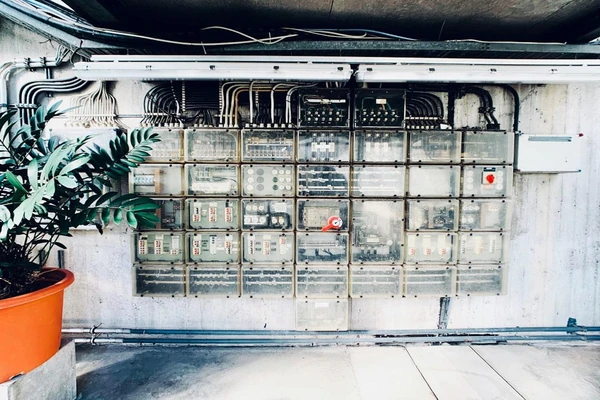
Upgrading to a new, energy-efficient HVAC system, whether central AC or ductless mini-split, often comes with important considerations for your home’s electrical system. Modern units, particularly those with high SEER2 ratings and variable-speed technology, are designed for efficiency, but they still require adequate power. Your existing electrical panel and wiring must be able to handle the increased load. Many newer systems, especially multi-zone mini-splits or high-capacity central air conditioners, may require dedicated circuits to ensure safe and reliable operation.
A professional Portland electrician can assess your current electrical panel, check the amperage, and determine if an upgrade is necessary. This might involve installing a larger panel, adding new circuit breakers, or upgrading wiring to accommodate the new system’s voltage and power demands. Ensuring proper electrical infrastructure is not just about functionality; it’s a critical safety measure that prevents overloads, power fluctuations, and potential fire hazards. Investing in a panel upgrade or other necessary electrical work at the same time as your HVAC installation ensures your entire system operates efficiently and safely, providing stable voltage and protecting your home.
Smart Thermostat Integration
The integration of smart thermostats has revolutionized how we interact with our HVAC systems, enhancing both convenience and energy efficiency. Both central AC and ductless mini-splits can benefit from smart thermostat technology, though the implementation differs.
For central AC, a single smart thermostat can provide comprehensive control over your entire home’s climate. Features like Wi-Fi connectivity, remote access via smartphone apps, programmable schedules, and energy monitoring allow you to optimize your cooling and heating cycles, often learning your preferences over time.
Ductless mini-splits, with their inherent zoning capabilities, also integrate seamlessly with smart controls. While each indoor unit typically comes with its own remote, smart thermostats or specialized controllers can be added to manage multiple zones from a central interface or smartphone. This allows for even more precise automation and energy management, enabling you to set different temperatures for each room or turn off units in unoccupied spaces. To truly maximize the efficiency and convenience of these systems, understanding how to make your mini-split smart with a thermostat is an excellent step towards advanced home climate control.
Frequently Asked Questions About Home Comfort Upgrades
When considering a significant home comfort upgrade like a new HVAC system, homeowners often have numerous questions about functionality, costs, and long-term benefits. Here, we address some of the most common inquiries to help you make an informed decision.
Can I combine central AC and ductless mini-splits in a hybrid setup?
Absolutely! A hybrid HVAC setup, combining central AC with ductless mini-splits, is an increasingly popular and often highly effective solution for many homes. This approach allows you to leverage the strengths of both systems. For instance, you might use your central AC to cool the main living areas and bedrooms that have existing ductwork, providing uniform comfort throughout the primary spaces. Then, you can install single-zone or multi-zone ductless mini-splits in areas that are difficult to cool with central air, such as new additions, converted attics or garages, sunrooms, or rooms that consistently run hotter or colder than the rest of the house. This targeted cooling for “problem zones” not only enhances comfort but can also improve overall energy efficiency by preventing your central system from overworking to compensate for these challenging areas.
How often do energy-efficient systems require maintenance?
Regardless of whether you choose central AC or ductless mini-splits, regular maintenance is crucial for ensuring optimal performance, energy efficiency, and longevity. While both systems benefit from annual professional service, there are some differences in routine homeowner maintenance.
For central AC, we recommend replacing or cleaning the air filter every one to three months, depending on usage and household factors like pets or allergies. Annual professional tune-ups, typically conducted in the spring, involve inspecting components, checking refrigerant levels, cleaning coils, and ensuring the system is operating safely and efficiently. Duct cleaning may also be recommended every few years.
Ductless mini-splits require more frequent homeowner attention to their individual indoor unit filters. These washable filters should be cleaned every two to four weeks, especially if the unit is in constant use. Professional annual service for mini-splits includes deep cleaning the indoor coils and fans, checking refrigerant lines, and inspecting the outdoor unit. While the filters are smaller, their frequent cleaning is vital to maintain air quality and prevent efficiency loss. Consistent maintenance for both systems helps prevent costly breakdowns and extends their operational lifespan.
Do ductless mini-splits provide adequate heating in cold weather?
Yes, most ductless mini-splits available today are actually heat pumps, meaning they provide both cooling and heating. Modern heat pump mini-splits are highly efficient heating systems, especially in moderate climates like much of Oregon. They work by extracting heat from the outside air (even when it’s cold) and transferring it indoors, a much more energy-efficient process than generating heat from scratch.
For colder climates or during extreme cold snaps, “cold-climate” mini-split models are specifically designed to operate effectively at much lower outdoor temperatures, sometimes down to -15°F (-26°C) or even lower, without significant loss of heating capacity. For homes in very cold regions or those with exceptionally high heating demands, a hybrid approach might be considered, where the mini-split handles most of the heating, and a supplemental heat source (like a furnace or electric resistance heating) kicks in only during the coldest days. This ensures consistent comfort and can still result in substantial energy savings compared to traditional heating methods.
Conclusion
Choosing between central AC and ductless mini-splits is a significant decision that impacts your home’s comfort, energy consumption, and long-term value. As we’ve explored, neither system is universally superior; the best choice truly depends on your specific home, its existing infrastructure, your budget, and your personal comfort preferences. From the whole-home uniformity of central air to the zoned precision of mini-splits, modern HVAC technology offers a solution for every need.
The most effective way to make this decision is through a thorough assessment by qualified professionals. They can evaluate your home’s unique characteristics, discuss your comfort goals, and recommend the most suitable and energy-efficient system for your situation. Investing in professional installation and regular maintenance ensures your chosen system operates at peak performance for years to come, providing reliable comfort and maximizing your energy savings. For homeowners in Cornelius and the wider Oregon region, making an informed decision about your HVAC system is a step towards a more comfortable, efficient, and valuable home.
