
Local HVAC Services for Year-Round ComfortCore Offerings, Lifespans, and Financial Planning
We all value a comfortable home, a sanctuary from the outside world. Much of that comfort, regardless of the season, relies on a well-functioning heating, ventilation, and air conditioning (HVAC) system. These complex systems work tirelessly to keep our indoor environments just right, whether it’s battling a summer heatwave or a winter chill.
Understanding your local HVAC services is not just about fixing problems when they arise. It’s about proactive care, energy efficiency, and making informed decisions. These choices contribute to your home’s long-term well-being and your family’s comfort. From routine maintenance to emergency repairs and system upgrades, having a reliable local partner is essential.
In this extensive guide, we will explore the critical aspects of local HVAC services. We’ll delve into the most common needs homeowners face, how pricing is structured, and what credentials to seek in a contractor. We’ll also cover vital maintenance schedules, signs of system trouble, and effective energy-saving strategies. Our goal is to empower you with the knowledge to ensure your home remains comfortable and efficient throughout the year. For instance, in areas with distinct seasonal changes, like those served by Mankato heating and cooling, understanding these local nuances is key to optimal home comfort.
Maintaining a comfortable home environment often involves a range of HVAC services, from ensuring your heating systems are ready for winter to keeping your cooling systems running efficiently through summer. Beyond just temperature control, modern HVAC services also encompass indoor air quality solutions, which are increasingly important for our health and well-being. Understanding the typical lifespan of your HVAC equipment and how to financially plan for its eventual repair or replacement is crucial for any homeowner. This section will break down the essential services, system longevity, and the financial considerations involved in managing your home’s climate control.
Essential Local HVAC Services for Homeowners
Homeowners frequently require a variety of HVAC services to maintain their comfort and ensure system efficiency. Among the most common are furnace repair, which becomes a priority during colder months, and air conditioning installation, especially when older units fail or new homes are built. Beyond these fundamental services, many homes benefit from specialized solutions like ductless mini-splits, offering zoned comfort for specific areas, and heat pumps, which provide both heating and cooling in a single, energy-efficient system. Whether it’s a routine check-up or a complex system overhaul, local providers offer comprehensive support. For detailed information on a wide array of residential heating and air conditioning HVAC services, particularly in areas like Mankato, MN, exploring dedicated local service pages can provide valuable insights into available options and expertise.
Lifespan and Repair vs. Replace Decisions
Knowing the expected lifespan of your HVAC system is vital for making informed decisions about repairs and replacements. Most modern air conditioning units are designed to last between 15 to 20 years, while furnaces typically have a longer lifespan, ranging from 15 to 30 years. These estimates, however, depend heavily on regular maintenance, usage patterns, and the quality of the initial installation.
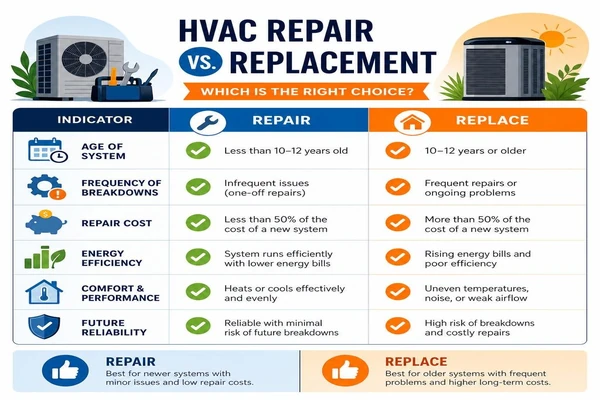
When a system begins to show signs of wear or frequent breakdowns, homeowners often face the dilemma of whether to repair or replace. A common guideline, sometimes referred to as the “50% rule,” suggests that if the cost of a repair is more than 50% of the cost of a new system, replacement is generally the more cost-effective option in the long run. This is especially true for older systems nearing the end of their expected life, as continued repairs can become a money pit, and newer units offer significantly improved energy efficiency. We encourage homeowners to consider not just the immediate repair cost, but also the potential for future breakdowns, rising energy bills from an inefficient old unit, and the enhanced comfort and reliability a new system provides.
Understanding HVAC Service Pricing Structures
Local HVAC companies typically structure their pricing in a few ways, offering transparency and flexibility to homeowners. For repairs, an hourly rate is common, often ranging from $50 to $150 per hour, depending on the technician’s experience and the complexity of the job. Many companies also utilize flat fees for specific services, such as diagnostic charges, which might be around $150 to $500 to assess a problem before any work begins. This ensures you know the cost of the diagnosis upfront.
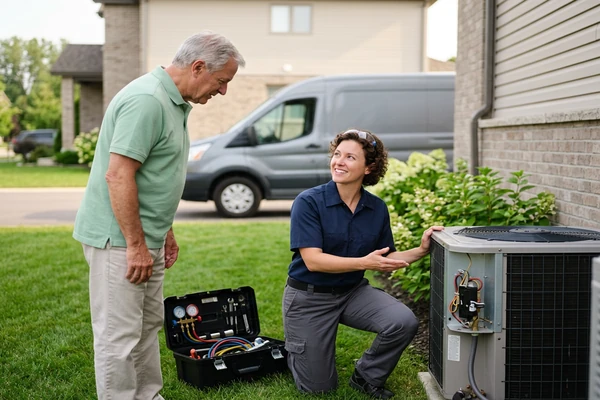
The average cost of HVAC repairs is around $350, but this can vary widely. Minor fixes, like replacing a capacitor, are relatively inexpensive, typically costing between $100 and $500. More significant repairs, such as addressing a faulty compressor, can range from $750 to $2,000 or even more, depending on the unit and labor involved. For maintenance and installations, pricing is often provided as a flat rate after an assessment, giving homeowners a clear understanding of the total investment.
Key Factors Influencing Installation Costs
The cost of a new HVAC system installation or replacement is influenced by several critical factors. One of the primary determinants is the equipment capacity, which must be appropriately sized for your home to ensure efficient operation and optimal comfort. An undersized unit will struggle to heat or cool effectively, while an oversized one will “short cycle,” leading to increased wear and reduced efficiency.
Another significant factor is the Seasonal Energy Efficiency Ratio (SEER) rating for air conditioners and heat pumps, or the Annual Fuel Utilization Efficiency (AFUE) for furnaces. Higher SEER or AFUE ratings indicate greater energy efficiency, which can lead to substantial savings on utility bills over the system’s lifespan, but typically come with a higher upfront cost. A professional load calculation, which considers your home’s square footage, insulation, window efficiency, and climate, is essential to determine the correct system size and type.
Finally, ductwork modifications can add to the overall cost. If your existing ductwork is old, damaged, or improperly sized, it may need to be repaired, replaced, or reconfigured to accommodate a new, more efficient system. These factors collectively determine the total investment required for a new HVAC installation, making it crucial to get detailed estimates from qualified local professionals.
Choosing the Right Provider for Local HVAC Services
Selecting the right HVAC contractor is a decision that impacts your home’s comfort, safety, and energy efficiency for years to come. When looking for local HVAC services, it’s not just about finding someone to do the job; it’s about partnering with a reliable, trustworthy professional. We understand that contractor selection can feel daunting, but by focusing on key indicators like clear service guarantees, upfront pricing, and a strong commitment to customer satisfaction, you can make an informed choice. This section will guide you through the essential credentials and reputation checks to ensure you hire the best local HVAC provider for your needs.
Licensing, Certifications, and Credentials
When hiring an HVAC contractor, verifying their licensing, certifications, and credentials is paramount. These qualifications ensure that the technicians are knowledgeable, skilled, and adhere to industry standards and safety regulations. We always recommend looking for professionals who hold a state-issued license, as this is often a legal requirement and signifies that the contractor has met specific educational and experience benchmarks.
Beyond licensing, certifications like the North American Technician Excellence (NATE) certification are strong indicators of a technician’s expertise. NATE-certified technicians have passed rigorous exams demonstrating their real-world working knowledge of HVAC systems. Additionally, any technician handling refrigerants should possess an EPA Section 608 certification, which is legally required and ensures they are trained in environmentally safe refrigerant handling practices. Finally, always confirm that the company carries adequate liability insurance to protect both you and their workers in case of accidents or damage during service. Ensuring these credentials are in place helps guarantee professional, compliant, and high-quality service. For comprehensive HVAC services in the Mankato area, it’s wise to consult providers who emphasize their certified and licensed professionals.
Verifying Reviews and Reputation

Verifying a local HVAC company’s reputation is easier than ever, but it requires a discerning eye. We advise homeowners to start by checking independent review platforms, such as Google Reviews, Yelp, and the Better Business Bureau (BBB). Look for patterns in feedback, both positive and negative, rather than focusing on a single review. Pay attention to how companies respond to complaints, as this can reveal a lot about their commitment to customer service.
Local business bureaus can also provide valuable information regarding a company’s history and any unresolved disputes. Be wary of common red flags, such as an excessive number of negative reviews citing poor workmanship, missed appointments, or unexpected charges. High-pressure sales tactics, where a contractor tries to rush you into an expensive decision without providing clear explanations or alternatives, should also raise concerns. Reputable companies will offer transparent quotes, clearly explain their recommendations, and allow you time to make an informed decision without undue pressure. A thorough check of reviews and reputation helps ensure you’re hiring a trustworthy and reliable service provider.
Preventative Maintenance, Efficiency, and Emergency Care
Proactive care is the cornerstone of a long-lasting, efficient HVAC system. Preventative maintenance not only extends the life of your equipment but also plays a significant role in reducing your utility bills and ensuring consistent system performance. This section will explore the importance of regular upkeep, how to enhance energy savings through smart upgrades, and how to recognize the early warning signs of system failure. Furthermore, we’ll discuss what to expect when faced with an HVAC emergency, ensuring you’re prepared for any unexpected issues.
Seasonal Maintenance Schedules and Checklists
Regular preventative maintenance is crucial for keeping your HVAC system running efficiently and extending its lifespan. We recommend scheduling professional maintenance twice a year: a spring AC tune-up before the cooling season begins, and a fall furnace check-up in preparation for winter. These seasonal visits typically include a comprehensive checklist of tasks.
For air conditioning units, technicians will clean condenser and evaporator coils, check refrigerant levels, inspect electrical connections, lubricate moving parts, and test thermostat accuracy. For furnaces, they will clean burners, inspect the heat exchanger for cracks, check gas pressure, test safety controls, and ensure proper airflow. In both cases, filter replacement is a key component, as dirty filters restrict airflow and reduce efficiency. Electrical inspections are also vital to prevent potential hazards and ensure all components are functioning correctly. Adhering to these seasonal maintenance schedules can prevent costly breakdowns, improve energy efficiency, and maintain optimal indoor comfort throughout the year.
Energy-Saving Upgrades and Tips
Beyond regular maintenance, several energy-saving upgrades and daily tips can significantly lower your utility bills and improve your home’s overall energy efficiency. One of the most impactful upgrades is installing programmable thermostats or smart home integration systems. These devices allow you to set schedules for heating and cooling, optimizing energy use when you’re away or asleep, and can even learn your preferences over time.
Simple, yet effective, tips include sealing air leaks around windows and doors with caulk or weatherstripping, which prevents conditioned air from escaping and unconditioned air from entering. Professional duct sealing is another excellent investment, as leaky ducts can waste a significant amount of energy by allowing conditioned air to escape into unconditioned spaces like attics or crawl spaces. Upgrading to energy-efficient windows, adding insulation to your attic, and even planting shade trees strategically around your home can further reduce the workload on your HVAC system, leading to long-term savings and enhanced comfort.
Common Signs of System Failure
Being aware of the common signs that your HVAC system needs repair or replacement can save you from unexpected breakdowns and costly emergency services. We advise homeowners to pay attention to any unusual changes in their system’s operation. Strange noises, such as grinding, squealing, or persistent banging, often indicate mechanical problems that require immediate attention. Uneven temperatures throughout your home, where some rooms are too hot while others are too cold, can point to issues with airflow, ductwork, or even a struggling unit.
Short cycling, where your system turns on and off frequently, suggests that the unit is either improperly sized or experiencing a malfunction that prevents it from completing a full heating or cooling cycle. Water pooling around your indoor or outdoor unit can signal a clogged condensate drain line or a refrigerant leak. A noticeable increase in your energy bills without a corresponding change in usage patterns is a clear indicator of declining efficiency. Lastly, poor indoor air quality, characterized by excessive dust, humidity, or unusual odors, might mean your system’s filtration or ventilation is compromised. Addressing these signs promptly can prevent minor issues from escalating into major, expensive repairs.
When to Call for Emergency Local HVAC Services
While preventative maintenance helps avoid many issues, sometimes emergencies strike, often at the most inconvenient times. Knowing when to call for emergency local HVAC services is crucial for your family’s safety and comfort. We define an emergency as any situation where a sudden system failure compromises your home’s habitability, poses a safety risk, or occurs during extreme weather conditions.
Most reputable local HVAC companies offer 24/7 emergency dispatch services, ensuring that help is available around the clock. When you call, expect clear communication regarding response times, which can vary depending on demand and your location. Be prepared for emergency diagnostic fees, which are typically higher than standard service call charges due to the immediate nature of the service. Examples of emergencies include a complete heating failure during freezing winter temperatures, an AC breakdown during a scorching summer heatwave, or any situation involving gas leaks or electrical hazards related to your HVAC system. In such cases, prioritizing safety and contacting professionals immediately is paramount.
