
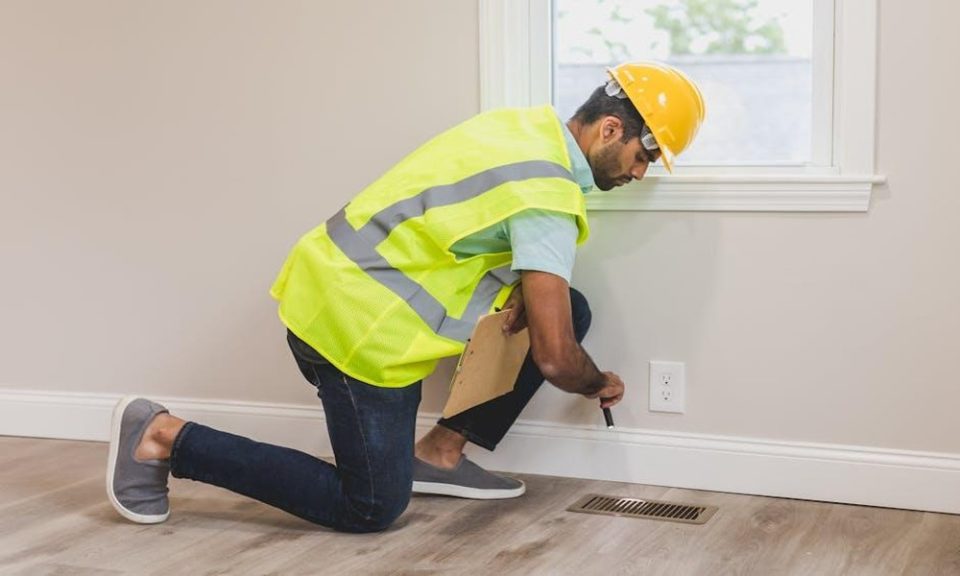
The Strategic Value of Essential Home Maintenance
As homeowners, we understand the peace of mind that comes with a well-maintained property. Protecting your home isn’t just about aesthetics; it’s about safeguarding your investment, ensuring your family’s safety, and avoiding expensive surprises down the road. In this guide, we will explore the essential home maintenance practices that keep your house in top condition. We will cover crucial aspects like optimizing your HVAC system, maintaining a sturdy roof, and implementing effective pest control strategies. By adopting proactive care, you can preserve your home’s value and enjoy comfortable living for years to come.
Our homes represent one of the most significant investments we will ever make. Therefore, safeguarding this asset through consistent maintenance is not merely a chore, but a strategic imperative. Regular upkeep directly contributes to property appraisal, ensures the longevity of critical systems, and upholds essential safety protocols for everyone living within.
Consider the dedication homeowners already show: on average, individuals dedicate over 17 hours each month to home repair, maintenance, or improvement projects. This commitment is widespread, with a remarkable 97% of homeowners reporting that they perform at least some maintenance work on their properties. This collective effort underscores a fundamental truth: proactive care is vital for value preservation and risk mitigation. By staying ahead of potential issues, homeowners can prevent minor problems from escalating into costly repairs, protecting their financial investment and ensuring structural integrity. For comprehensive insights into maintaining your property’s value, exploring resources on Prime essential home maintenance can offer valuable perspectives.
Monthly Tasks for Essential Home Maintenance
Establishing a routine for monthly maintenance tasks is crucial for early detection of potential problems and ensuring the smooth operation of your home’s systems. These quick checks can save significant time and money in the long run.
Here is a list of monthly safety checks and maintenance tasks we recommend:
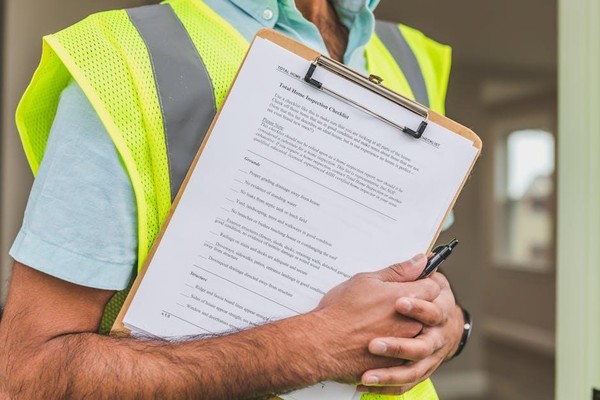
- Smoke Detector and Carbon Monoxide Alarm Checks: Test these life-saving devices monthly by pressing the test button. This ensures they are functioning correctly and ready to alert you in an emergency.
- HVAC Filter Inspection: Visually inspect your furnace or air conditioning filter. A dirty filter restricts airflow, reduces efficiency, and can impact indoor air quality. Depending on usage, pet ownership, and allergy concerns, you may need to replace it monthly or every few months.
- Garbage Disposal Cleaning: Run hot water down the drain while the disposal is on, occasionally adding citrus peels or ice cubes to clean and sharpen the blades. This prevents odors and keeps the unit running efficiently.
- GFCI Outlet Testing: Ground Fault Circuit Interrupter (GFCI) outlets, typically found in bathrooms, kitchens, and outdoor areas, should be tested monthly. Press the “test” button, which should trip the circuit, then press “reset.” This ensures they provide crucial protection against electrical shock.
- Visual Plumbing Inspections: Take a few moments to look under sinks, around toilets, and near appliances for any signs of leaks, drips, or moisture. Catching a small leak early can prevent significant water damage and mold growth.
- Range Hood Filter Degreasing: Remove and clean your range hood filters, typically made of mesh. Soaking them in hot, soapy water helps remove grease buildup, ensuring proper ventilation and fire safety in your kitchen.
These simple, consistent actions form the bedrock of a well-maintained home, contributing significantly to both safety and efficiency.
Long-Term Planning for Essential Home Maintenance
Effective home maintenance extends beyond monthly checks; it requires a forward-thinking approach that includes both do-it-yourself (DIY) efforts and professional services. Understanding when to tackle a task yourself and when to call in an expert is key to maximizing efficiency and ensuring quality.
DIY vs. Professional Requirements:
- DIY Tasks: Many routine inspections, filter changes, cleaning, and minor repairs can be handled by homeowners. This includes testing safety alarms, cleaning gutters, inspecting for leaks, and performing basic yard work. These tasks empower homeowners, foster familiarity with their property, and save on labor costs.
- Professional Services: For complex systems or critical structural components, professional expertise is indispensable. This category includes annual HVAC tune-ups, detailed roof inspections, chimney cleaning, significant electrical work, and specialized plumbing repairs. Professionals bring specialized tools, knowledge, and certifications, often ensuring compliance with safety codes and preserving warranties.
A common and practical budgeting rule for home maintenance is to set aside 1% to 4% of your home’s value annually. For newer homes, the lower end of this range might suffice, while older properties or those with aging systems typically require a larger allocation. This budget should cover both DIY supplies and the costs of professional services.
Long-term planning also involves anticipating major system lifespans and scheduling their maintenance or replacement:
- Roof Inspection Cycles: While visual checks can be done regularly, a qualified roofer should inspect your roof every three years to catch subtle issues before they become major problems.
- Septic Tank Pumping: If your home has a septic system, regular pumping (typically every 3-5 years, depending on household size and usage) is critical to prevent backups and costly system failures.
- Water Heater Replacement Timelines: Most water heaters have a lifespan of 10-15 years. Planning for replacement in advance can prevent emergency situations and allow for a more energy-efficient upgrade.
- Foundation Monitoring: Annually inspect your home’s foundation for cracks, shifting, or moisture. Early detection of foundation issues can prevent extensive and expensive structural damage.
- Siding Repainting/Maintenance: Depending on the material, siding may need repainting or resealing every 5-10 years to protect the home’s exterior and maintain curb appeal.
- 5-Year Maintenance Cycles: Consider a comprehensive review of your home every five years, encompassing larger projects like deck sealing, driveway resealing, and potentially major appliance checks, to ensure all elements are in good condition.
By integrating these long-term considerations into your maintenance strategy, you can avoid unexpected financial burdens and ensure your home remains a safe, comfortable, and valuable asset for decades to come.
Seasonal Defense: Roofing and Exterior Care
The changing seasons bring unique challenges and opportunities for home maintenance, particularly concerning your roof and exterior. Proactive seasonal defense is crucial for protecting your home from the elements and preserving its structural integrity.
Roofing and Gutter Maintenance: Your roof is your home’s primary shield against weather, and its maintenance is paramount. Roughly 37% of homeowners experience roof-related maintenance issues, highlighting the importance of regular attention.
- Gutter Cleaning and Downspout Clearance: In spring, after pollen and seeds have fallen, and again in late fall, after leaves have dropped, clean your gutters thoroughly. Clogged gutters can lead to water overflow, causing fascia rot, foundation damage, and even leaks into your home. Ensure downspouts are clear and direct water at least several feet away from the foundation.
- Shingle Health: Visually inspect your roof from the ground twice a year (spring and fall) and after any major storms. Look for cracked, curling, missing, or damaged shingles. Early detection of these issues can prevent significant water penetration and extend your roof’s lifespan.
Exterior Protection and Landscaping: The exterior of your home, including its siding, foundation, and surrounding landscape, also demands seasonal attention.
- Painting and Staining: Exterior painting and staining account for approximately 55% of all home maintenance and repair work, underscoring its importance for both aesthetics and protection. Inspect exterior paint and caulk yearly for signs of cracking, peeling, or deterioration, especially before winter.
- Foundation Grading and Soil Slope: Ensure the soil around your foundation slopes away from the house at a grade of about 6 inches over the first 10 feet. This prevents water from pooling against the foundation, which can lead to moisture intrusion and structural damage.
- Tree Limb Trimming: Trim tree branches that are too close to your roof or power lines, ideally keeping them at least 3 feet away from the roofline. This prevents damage from falling limbs during storms and reduces pest access.
- Window Screen Replacement and Exterior Caulking: In spring, inspect window screens for tears and repair or replace them as needed to keep insects out. Annually, check exterior caulking around windows and doors, reapplying where necessary to seal against drafts and moisture.
- Deck Sealing: Clean and reseal your deck every 2-3 years, or as recommended by the sealant manufacturer. This protects the wood from moisture damage, UV rays, and extends its life.
By diligently addressing these seasonal exterior tasks, we can effectively defend our homes against wear and tear, ensuring they remain robust and visually appealing year-round.
Optimizing Indoor Climate and Air Quality
Maintaining a comfortable and healthy indoor environment hinges significantly on the performance of your heating, ventilation, and air conditioning (HVAC) system. Optimizing your indoor climate and air quality is a year-round commitment that involves both routine homeowner tasks and professional expertise.
HVAC System Care:
- HVAC Efficiency and Professional Bi-annual Tuning: To ensure peak performance and extend the lifespan of your system, schedule professional HVAC tune-ups twice a year-ideally in the spring for your air conditioning unit and in the fall for your heating system. This proactive approach helps identify minor issues before they become major breakdowns, improves energy efficiency, and is often required to maintain manufacturer warranties. For homeowners in areas like Roseville, ensuring your heating system is ready for cooler months is crucial, and resources like Roseville essential furnace replacement can provide guidance on maintaining or upgrading your heating units.
- Ductwork Integrity: Periodically inspect visible ductwork for leaks or disconnections. Leaky ducts can significantly reduce system efficiency and allow dust and allergens to circulate throughout your home. Consider professional duct sealing or cleaning if you suspect issues.
- Thermostat Calibration: Ensure your thermostat is accurately calibrated. A smart or programmable thermostat can help maintain consistent temperatures and optimize energy usage.
- Air Leak Sealing and Weatherstripping: Air leaks around windows, doors, and other openings can account for a significant portion of energy loss, impacting both comfort and utility bills. Use caulk to seal small cracks and gaps, and apply weatherstripping to doors and windows to prevent drafts.
- Attic Ventilation: Proper attic ventilation is critical for regulating indoor temperatures and preventing moisture buildup. Ensure attic vents are clear and unobstructed to allow for adequate airflow, which can reduce cooling costs in summer and prevent ice dams in winter.
Appliance and Air Quality Maintenance:
- Refrigerator Coil Cleaning: Twice a year, clean the condenser coils on the back or underneath your refrigerator. Dust and pet hair accumulation can reduce efficiency and shorten the appliance’s life.
- Dryer Vent Safety: Clean your dryer vent from the dryer to the exterior at least once a year, or more frequently if you notice clothes taking longer to dry. Lint buildup is a significant fire hazard and reduces dryer efficiency.
- Indoor Humidity Control: Maintaining indoor humidity levels between 30-50% is ideal for both comfort and health. In dry climates or during winter, a humidifier can add moisture, while dehumidifiers are useful in humid environments to prevent mold growth.
By diligently following these practices, we can create an indoor environment that is not only comfortable but also energy-efficient and conducive to good health.
Plumbing and Pest Prevention Protocols
The plumbing system is the hidden network that keeps our homes running smoothly, while pests are unwelcome guests that can cause significant damage and health concerns. Proactive maintenance in both these areas is essential for preventing costly repairs and maintaining a healthy living environment.
Plumbing System Health: Plumbing accounts for a substantial portion of household maintenance tasks, around 48%, underscoring its importance.
- Leak Detection: Regularly check under sinks, around toilets, and near appliances like washing machines and dishwashers for any signs of leaks or moisture. Even small drips can lead to significant water damage, mold growth, and increased water bills if left unaddressed.
- Water Heater Flushing: Sediment buildup is the primary cause of most water heater issues. Flush your water heater once or twice a year to remove these deposits, which helps maintain efficiency and extends the unit’s lifespan.
- P-Trap Maintenance: The P-trap, the U-shaped pipe under sinks, holds water to prevent sewer gases from entering your home. If a drain isn’t used regularly, the water in the P-trap can evaporate. Run water down all drains every week or two to keep P-traps filled and functional.
- Frozen Pipe Prevention: In colder climates, preventing frozen pipes is critical. Insulate exposed pipes in unheated areas like basements, crawl spaces, and garages. During freezing weather, open cabinet doors under sinks on exterior walls, and let faucets drip slowly to keep water moving. Knowing the location of your main water shut-off valve is also crucial for quickly mitigating damage if a pipe bursts.
- Sump Pump Testing: If you have a basement or crawl space, test your sump pump annually, ideally before the rainy season. Pour a bucket of water into the sump pit to ensure the pump activates and drains the water effectively.
- Drain Cover Utilization: Install drain covers on all drains in sinks and showers to catch hair and debris. This simple step can significantly reduce the frequency of clogs.
Pest Prevention Strategies: Pests are not just an annoyance; they can cause structural damage, contaminate food, and pose health risks. Implementing preventative essential home maintenance strategies is key to keeping them out.
- Termite Inspections: Schedule annual termite inspections, especially in regions prone to these destructive insects. Early detection is vital to prevent extensive structural damage. Look for mud tubes, discarded wings, or damaged wood.
- Landscaping Barriers: Maintain a clean perimeter around your home. Trim back tree branches and shrubs so they don’t touch the house, creating bridges for pests. Store firewood at least 20 feet away from the foundation and off the ground. Seal cracks and openings in your foundation and exterior walls to block entry points.
By integrating these plumbing and pest prevention protocols into our routine, we can safeguard our homes from water damage, maintain healthy indoor conditions, and deter unwanted invaders.
Frequently Asked Questions about Home Upkeep
How often should HVAC filters and safety detectors be checked?
HVAC filters should be inspected monthly and replaced every 1 to 3 months, depending on the filter type, household activity (e.g., pets, allergies), and air quality. Standard 1-inch fiberglass filters may need changing every 30 days, while pleated filters can last 60-90 days. For safety detectors, smoke alarms and carbon monoxide detectors should be tested monthly by pressing their test buttons. Their batteries should be replaced twice a year, often coinciding with daylight saving time changes. The units themselves have a limited lifespan: smoke detectors should be replaced every 10 years, and carbon monoxide detectors every 5-7 years, regardless of battery status.
What are the primary signs of structural or pest issues?
Recognizing early signs of structural or pest problems can prevent significant damage.
- Structural Issues: Look for cracked foundation walls (especially horizontal cracks), sagging rooflines, uneven floors, doors or windows that stick or don’t close properly, and interior wall cracks (particularly those that are wide or extend diagonally). Unexplained moisture in basements or crawl spaces, or a persistent musty odor, can also indicate water intrusion affecting structural elements.
- Pest Issues: Common signs include mud tubes (termites), small piles of wood shavings or frass (carpenter ants, powderpost beetles), unexplained droppings (rodents, cockroaches), gnaw marks on wood or wiring, and unusual sounds like scratching in walls. Spiderwebs, insect trails, or seeing pests themselves are clear indicators.
When is it necessary to hire a professional for maintenance?
While many tasks can be DIY, certain maintenance items require professional expertise for safety, efficacy, and warranty compliance.
- Annual Chimney Sweeping: If you use your fireplace regularly, an annual chimney inspection and cleaning by a certified sweep is crucial to prevent creosote buildup and fire hazards.
- Professional Roof Inspections: Beyond visual checks, a professional roofer should inspect your roof every three years, or more frequently if your roof is older or after severe weather, to identify subtle damage.
- Complex Electrical Repairs: Any work involving your electrical panel, wiring, or significant fixture replacement should be handled by a licensed electrician to ensure safety and compliance with codes.
- HVAC Refrigerant Handling: Tasks involving refrigerant, such as recharging or leak repair, must be performed by a certified HVAC technician due to environmental regulations and the specialized equipment required.
- Structural Foundation Repairs: If you suspect significant foundation issues, consult a structural engineer or a specialized foundation repair contractor.
- Main Sewer Line Snaking: Persistent clogs in multiple drains or sewage backups often indicate a main sewer line issue, requiring professional snaking or camera inspection.
- Termite Treatments: Addressing termite infestations effectively requires professional pest control services, as DIY methods are rarely sufficient.
Conclusion
As we navigate April 2026, the principles of essential home maintenance remain timeless. Adopting a proactive mindset and a systematic approach to upkeep is the cornerstone of responsible homeownership. By diligently performing routine checks, understanding seasonal demands, and knowing when to engage professional expertise, we ensure not only the long-term residential comfort of our living spaces but also the preservation of our home’s value. This commitment to maintenance translates directly into homeowner peace of mind, allowing us to enjoy our most significant investment without the constant worry of unexpected and costly repairs.
