
Emerging Trends in Lifestyle and Home Design for 2026
Our homes are far more than just structures; they are reflections of our inner worlds and personal narratives. In an ever-changing world, creating spaces that truly resonate with our lifestyles and bring us joy has become essential. We believe a well-designed home supports our well-being, fosters creativity, and offers a unique canvas for self-expression.
This article will guide you through the exciting intersection of lifestyle and home design. We’ll explore the top emerging trends for 2026, from mood-boosting colors to biophilic elements that connect us with nature. We will also delve into practical ideas for every room, offering insights into optimizing layouts, maximizing storage, and incorporating unique vintage finds. Our aim is to help you craft a living environment that is not only stylish and functional but also authentically ‘you’.
The landscape of home design is constantly evolving, with 2026 poised to introduce exciting shifts that prioritize personal well-being, vibrant expression, and sustainable living. We’re moving away from sterile minimalism towards spaces that tell a story and evoke emotion. Pinterest, Yelp, and Realtor.com have already highlighted some defining trends for the coming year, emphasizing comfort, nature, and bold color choices.
Here’s a comparison of the design philosophies:
Feature 2025 (General Trend) 2026 (Emerging Trend) Aesthetic Minimalist, understated Expressive, personalized Color Palette Neutrals, muted tones Vibrant, mood-boosting colors Materials Sleek, manufactured Natural, biophilic, vintage Functionality Open-concept, efficient Zoned, multi-functional, cozy Focus Simplicity, clean lines Well-being, emotional connection These trends collectively signal a desire for homes that are more than just aesthetically pleasing; they are designed to nurture our souls and reflect our individuality. This shift encourages homeowners to embrace unique styles and create spaces that feel genuinely their own, fostering a sense of belonging and comfort. This commitment to individuality extends to every detail, allowing for truly bespoke home aesthetics that resonate deeply with personal taste. When we consider the overall look and feel of our living spaces, we aim for a truly personal touch, ensuring the aesthetics align with our unique lifestyle. This holistic approach to design ensures that every element, from furniture to decor, contributes to a cohesive and inviting atmosphere, reflecting a truly Crafted style for life and home.
Dopamine Decor and Mood-Boosting Palettes in Lifestyle and Home Design
One of the most exciting trends for 2026 is “dopamine decor,” a movement focused on using color and playful elements to uplift spirits and create a sense of joy. As winter blues can often dampen our moods, incorporating mood-boosting colors becomes particularly relevant. Pink rooms, for instance, are gaining significant traction as an effective way to combat seasonal melancholy. The dopamine decorating trend, as seen across social media feeds, leverages vibrant hues to provide a much-needed mood boost.
Designers are recommending a range of palettes beyond just pink to achieve this mood-enhancing effect. Color drenching, where an entire room (walls, ceiling, trim, and even furniture) is painted in a single color or varying shades of the same hue, creates an immersive and cohesive environment that can profoundly impact mood. This technique can make a room feel larger and more enveloping, promoting feelings of calm or energy depending on the chosen color. When selecting paint colors, it’s crucial to consider their psychological impact. Warm colors like yellows and oranges can evoke happiness and enthusiasm, while certain greens and blues can promote tranquility and relaxation. Martha Stewart Living, for example, highlights how specific paint colors can brighten dark rooms or create a calming bedroom retreat. Our aim is to help you choose colors that resonate with your desired emotional state, transforming your home into a personal sanctuary.
Sustainable Architecture and Natural Light
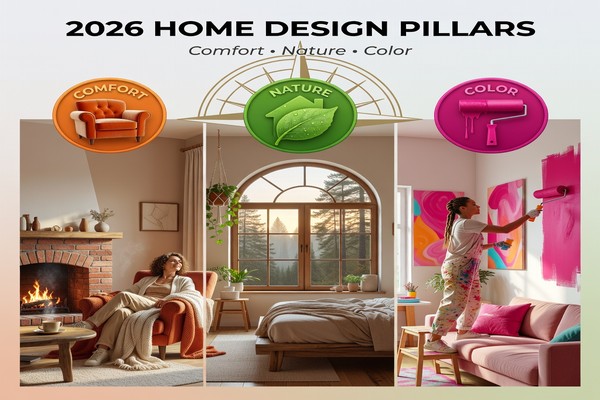
Sustainability continues to be a cornerstone of modern home design, evolving beyond mere eco-friendliness to integrate nature seamlessly into our living spaces. Biophilic elements, which involve bringing natural light, materials, and plant life indoors, are paramount. This trend aims to reduce stress, enhance creativity, and improve overall well-being by fostering a connection with the natural world.
Energy-efficient home improvements are not just about reducing utility bills; they are about creating healthier, more comfortable environments. Companies like Lifestyle Home Products, founded in 1989, exemplify this commitment by offering solutions such as all-season sunrooms, replacement windows, and insulated doors. Their in-house design, manufacturing, and installation processes ensure high-quality, ENERGY STAR-certified products that meet Natural Resources Canada standards. Sunrooms, in particular, are becoming popular additions, extending living spaces and allowing homeowners to enjoy natural light and outdoor views year-round, even in colder climates. These additions offer a unique way to expand your home without the need to move, creating personalized leisure spaces that blend indoor comfort with the beauty of nature. The emphasis on natural light not only brightens interiors but also contributes to the psychological benefits of biophilic design, making homes feel more open, airy, and connected to the outside world.
Optimizing Room-Specific Layouts for Modern Living
Each room in our home serves a distinct purpose, and optimizing its layout and design is key to enhancing both functionality and aesthetic appeal. Modern living demands spaces that are adaptable, efficient, and tailored to our daily routines and aspirations. From the bustling kitchen to the serene bedroom, thoughtful design can transform ordinary rooms into extraordinary havens.
Here are some room-specific must-haves for 2026:
- Kitchens: Double islands for prep and entertaining; smart storage solutions; integrated appliances.
- Bathrooms: Spa-like showers with multiple heads; freestanding tubs; smart mirrors; natural stone finishes.
- Bedrooms: Tech-free zones for relaxation; statement headboards; layered textiles for comfort.
- Living Rooms: Flexible seating arrangements; integrated media solutions; biophilic accents.
- Outdoor Spaces: Dedicated dining and lounging areas; fire pits; smart lighting; native plant landscaping.
These elements reflect a desire for both luxury and practicality, catering to a lifestyle that values comfort, convenience, and connection with nature.
Kitchen and Bathroom Innovations
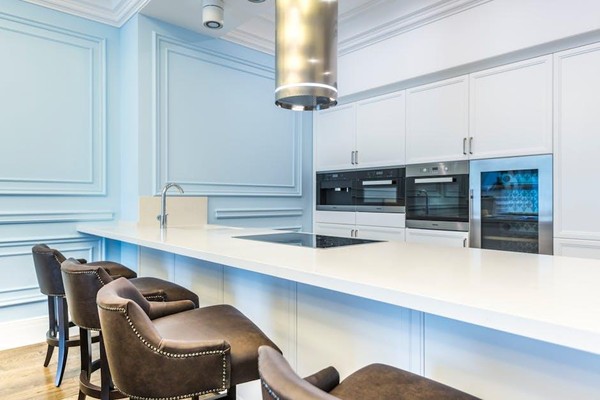
The kitchen remains the heart of the home, evolving to become a highly functional and social hub. Double islands are a prime example of this innovation, providing ample space for food preparation, casual dining, and entertaining guests. Minimalist cabinetry, often with handle-less designs, contributes to a sleek, uncluttered aesthetic while maximizing storage. Integrated appliances blend seamlessly into the design, further enhancing the streamlined look. Green kitchens are also experiencing a surge in popularity, with designers embracing calming green hues for cabinetry and walls, reflecting a desire for nature-inspired tranquility.
Bathrooms are transforming into personal sanctuaries, emphasizing relaxation and rejuvenation. Spa-like showers, featuring multiple showerheads, steam options, and built-in seating, are becoming standard in luxury homes. Freestanding tubs remain a popular choice for their sculptural beauty and indulgent appeal. Smart storage solutions, such as recessed cabinets and vanity organizers, help maintain a serene, clutter-free environment. Terrazzo tiles, with their unique speckled appearance, are making a comeback, adding a touch of vintage charm and durability to floors and walls. These innovations demonstrate a commitment to creating highly personalized and luxurious spaces that cater to both practical needs and emotional well-being.
Specialized Zones for Relaxation and Hobbies
Beyond the traditional living spaces, modern homes are increasingly incorporating specialized zones designed for relaxation, hobbies, and personal pursuits. These areas cater to individual interests, offering dedicated spaces for unwinding, creative expression, or focused activities.
Home bars, for instance, are becoming more sophisticated, moving beyond simple carts to fully integrated setups with custom cabinetry, wine fridges, and elegant glassware displays. These spaces are perfect for entertaining or simply enjoying a quiet evening drink. For those who enjoy a good workout, dedicated home gym setups are designed to be both functional and aesthetically pleasing, often featuring specialized flooring, mirrored walls, and integrated sound systems.
The concept of a “man cave” has evolved significantly, no longer just a utilitarian space but a thoughtfully designed retreat for leisure. These spaces can be themed around sports, movies, gaming, or simply provide a quiet escape. Thoughtful Man cave lighting design is crucial in these areas, using adjustable fixtures, accent lighting, and even neon signs to create the desired ambiance. Wine cellars, once reserved for grand estates, are now being integrated into more modest homes, offering climate-controlled storage and tasting areas. Furthermore, the trend towards “screen-free zones” in bedrooms and living areas encourages intentional disconnection, promoting better rest and deeper engagement with hobbies like reading or crafting. These specialized zones are about creating environments that support personal passions and provide a much-needed escape from daily demands.
Practical Strategies for Small Spaces and Organization
Living in smaller spaces doesn’t mean sacrificing style or functionality. In fact, it often inspires creative and ingenious design solutions. Maximizing every square inch through clever organization and multifunctional pieces is a hallmark of contemporary small-space living.
Here are some essential small space design tips:
- Vertical Storage: Utilize wall space with shelves, floating cabinets, and tall, narrow units.
- Multifunctional Furniture: Choose pieces that serve dual purposes, like ottomans with storage or sofa beds.
- Foldable/Nestable Items: Opt for furniture that can be easily tucked away when not in use.
- Strategic Lighting: Use ample lighting to make a room feel larger and brighter.
- Mirrors: Place mirrors strategically to reflect light and create an illusion of depth.
- Declutter Regularly: A minimalist approach helps maintain an open and airy feel.
These strategies empower homeowners to create efficient, comfortable, and stylish environments regardless of size.
Maximizing Storage and Closet Efficiency
Effective storage and closet organization are foundational to a well-functioning home, especially in smaller dwellings. Wardrobe organization goes beyond simply hanging clothes; it involves optimizing every drawer, shelf, and rod to ensure accessibility and order. Professional organizers emphasize techniques like category-based sorting, vertical stacking, and using drawer dividers to maximize space.
Hidden compartments, such as built-in storage under beds or benches, are invaluable for stashing away seasonal items or less frequently used belongings. Vertical storage solutions, like floor-to-ceiling shelving units or wall-mounted cabinets, draw the eye upward, making a room feel taller and providing abundant storage without encroaching on floor space. Decluttering techniques, such as the “one in, one out” rule or regular purges, are essential for maintaining an organized home and preventing accumulation. Pro organizers also share tips for making small spaces feel “huge” by minimizing visual clutter and employing smart storage. By implementing these strategies, we can transform chaotic closets and cramped rooms into serene, functional areas.
Practical Applications for Lifestyle and Home Design
The principles of smart design extend to every aspect of our homes, offering practical solutions for enhancing daily living. Multifunctional pieces are at the forefront of this approach, providing versatility and efficiency. A coffee table with hidden storage, a dining table that expands, or a sofa that converts into a bed are all examples of furniture that adapts to varying needs and space constraints.
For renters or those on a budget, rental-friendly fixes offer impactful changes without permanent alterations. Peel-and-stick wallpaper, temporary lighting fixtures, and easily removable shelving can personalize a space without violating lease agreements. Thoughtful lighting solutions, including layered lighting (ambient, task, and accent), can dramatically change the mood and functionality of a room. Window treatments, from sheer curtains that maximize natural light to blackout blinds for privacy, play a crucial role in controlling ambiance and energy efficiency. Even small details, like choosing hardware that reflects a Crafted style for life and home, can elevate the overall aesthetic. Budget-friendly refreshes, such as painting an accent wall, rearranging furniture, or incorporating thrift store finds, prove that a stylish and personalized home doesn’t require a hefty investment. These practical applications ensure that good design is accessible to everyone, empowering us to create spaces that truly support our lifestyles.
Integrating Vintage Aesthetics and Architectural Details
The allure of the past continues to shape contemporary home design, with antique and vintage elements adding character, depth, and a sense of history to modern spaces. Integrating these pieces is not just about nostalgia; it’s about sustainable sourcing, unique storytelling, and creating a truly personalized aesthetic that stands apart from mass-produced trends.
From the rich patina of aged brass to the comforting embrace of a vintage quilt, these elements bring an heirloom quality that enriches our homes. The goal is to blend old with new seamlessly, creating a cohesive yet eclectic look. This approach also champions sustainability by giving new life to pre-loved items, reducing waste, and celebrating craftsmanship that has stood the test of time. Thrift finds and flea market treasures become focal points, each piece carrying a unique narrative that contributes to the home’s overall story.
Authenticating Antique Brass and Textiles
As the popularity of vintage elements grows, so does the need to distinguish authentic antiques from reproductions. For antique brass, authenticity can be determined by examining its patina, construction, and weight. Genuine antique brass often develops a rich, uneven patina over time, which can be difficult to replicate artificially. Experts suggest looking for signs of wear consistent with age, and checking for solid brass construction rather than plated alternatives. House Beautiful offers specific guidance on how to tell if antique brass is fake, helping collectors make informed decisions.
Vintage textiles, such as patchwork quilts, are also highly sought after. Their value lies in their age, craftsmanship, fabric quality, and historical significance. Authentic quilts often show signs of hand-stitching, natural fading, and fabric patterns that were popular during specific eras. Understanding the difference between antique (typically over 100 years old) and vintage (generally 20-99 years old) is crucial for both authentication and appreciation. These pieces not only serve as beautiful decor but also as tangible links to history and artistry, making them cherished additions to any home.
Statement Ceilings and Terrazzo Finishes
Beyond furniture and decor, architectural details play a significant role in defining a home’s style and enhancing its balance. Statement ceilings, for instance, are emerging as a powerful design element, transforming the “fifth wall” into a focal point. This can involve intricate molding, painted murals, textured wallpaper, or even exposed beams, adding visual interest and a sense of luxury to a room. When combined with principles like Feng Shui, which emphasizes the flow of energy (chi) through a space, these architectural details can profoundly impact the home’s overall balance and harmony. Feng Shui principles often guide furniture placement and material choices to create a positive and inviting environment.
Terrazzo tiles are also making a strong comeback, celebrated for their durability, unique speckled appearance, and sustainable composition (often made from recycled materials). Used on floors, countertops, or even accent walls, terrazzo adds a sophisticated yet playful texture that complements both modern and vintage aesthetics. The interplay of these design elements, from the foundational balance of Feng Shui to the striking visual impact of statement ceilings and terrazzo, contributes to a home that is not only stylish but also deeply harmonious and reflective of a considered lifestyle.
Frequently Asked Questions about Lifestyle and Home Design
We understand that navigating the myriad of design choices can be daunting. Here, we address some common questions to help clarify popular trends and practical applications in lifestyle and home design.
How can I use color to combat winter blues?
Combatting winter blues with color is a core tenet of dopamine decorating. We recommend embracing vibrant, mood-boosting palettes that evoke warmth and cheer. Pink rooms are a popular choice, offering a soft yet uplifting ambiance. Beyond pink, consider sunny yellows, warm oranges, or even rich jewel tones like emerald green or sapphire blue, which can add depth and vibrancy. Incorporating warm lighting, such as lamps with soft, ambient glows, can further enhance the cozy and inviting atmosphere. The key is to choose colors that personally resonate and bring you joy, transforming your space into a comforting retreat during colder months.
What is the difference between antique and vintage?
The terms “antique” and “vintage” are often used interchangeably, but they have distinct meanings in collectibles and design. Generally, an item is considered antique if it is 100 years old or older. This 100-year rule is a widely accepted standard. Vintage items, on the other hand, are typically defined as being at least 20 years old but less than 100 years old. Both categories possess collectible value and unique charm, but their age dictates their classification. Authenticating these items often involves examining their craftsmanship, materials, and any marks or labels that indicate their era of production. Understanding this distinction helps in appreciating the historical context and value of your decor.
How does Feng Shui improve home balance?
Feng Shui is an ancient Chinese art and science that focuses on arranging living spaces to create balance with the natural world. It aims to optimize the flow of “chi” (life force energy) within a home, leading to improved well-being, harmony, and prosperity. Key principles include strategic furniture placement to avoid blocking energy pathways, decluttering to prevent stagnant energy, and balancing the five elements (wood, fire, earth, metal, water) through color, materials, and shapes. For example, placing a bed against a solid wall for support or ensuring clear pathways in entryways are common Feng Shui practices. By consciously designing our spaces with these principles in mind, we can foster a sense of calm, reduce stress, and enhance the overall positive energy of our homes.
Conclusion
As we’ve explored, lifestyle and home design in 2026 is all about creating personalized sanctuaries that reflect who we are and how we want to live. From the mood-lifting power of dopamine decor and biophilic elements to the timeless charm of vintage finds, the trends point towards homes that are not just beautiful but also deeply authentic and nurturing.
Whether you’re incorporating energy-efficient sunrooms, optimizing small spaces with clever storage, or embracing the architectural details of statement ceilings, the goal remains the same: to craft a living environment that genuinely feels like ‘you’. With millions of design inspirations available from top designers, and a growing emphasis on budget-conscious luxury, homeowners have unprecedented opportunities to create spaces that are both stylish and sustainable. By focusing on personalization, well-being, and thoughtful design, we can all build future-proofed homes that support our lifestyles for years to come.
