
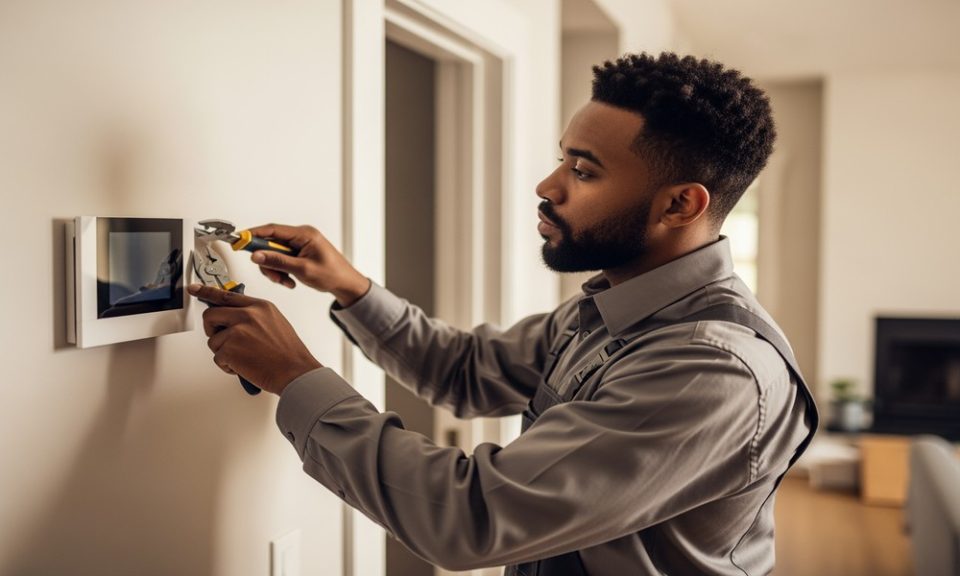
Navigating Smart Home Systems and Licensing Requirements
The landscape of smart home technology is rapidly expanding, offering homeowners unprecedented convenience, security, and energy efficiency. However, behind every seamlessly integrated system lies a complex web of regulations and licensing requirements. Companies specializing in smart home security installations, such as Fluent Home, must navigate these varying mandates across different US states and Canadian provinces to ensure legal operation and consumer protection. These requirements often include state-level certifications, provincial alarm licenses, and specific low-voltage permits, reflecting the diverse regulatory environments.
For instance, in the United States, each state typically governs its own licensing for security system installers, often requiring specific contractor licenses, alarm installation licenses, or low-voltage electrical licenses. This means a company operating nationwide must obtain and maintain a multitude of distinct credentials. Fluent Home, for example, holds active licenses in 28 U.S. states, including North Dakota (License #TM-00182), Washington (License #EC FLUENTHL872PD), Texas (License #B20698, ACR-1859996), and California (License #ACO 7153). These diverse license numbers underscore the granular nature of compliance, where each jurisdiction may have unique classifications and oversight bodies.
Similarly, in Canada, provincial regulations dictate the terms for smart home security system providers. Fluent Home is licensed in 6 Canadian provinces/territories: British Columbia (License #B5375), Manitoba (#40937), Nova Scotia (#18-2332314), Ontario (Registration #1902772), Alberta (#330530), and Saskatchewan (#326424), with Quebec and Newfoundland pending. This extensive licensing demonstrates a commitment to professional installation standards and adherence to local consumer protection laws. Understanding these varied requirements can be a challenge for any business. For a deeper dive into the intricacies of obtaining and managing such credentials, exploring resources like an Expert home systems licensing guide can be incredibly beneficial. This ensures that installations are not only technologically sound but also legally compliant, safeguarding both the provider and the homeowner.
Essential Components of Home Systems and Licensing
Modern smart home systems are far more than just security alarms; they are comprehensive ecosystems designed to automate and manage various aspects of a household. These systems typically revolve around a central smart control panel, which acts as the brain, integrating and coordinating all connected devices. Beyond security, smart homes often feature advanced environmental controls like smart thermostats, which learn occupancy patterns and optimize energy usage.
Security remains a cornerstone, with components such as security cameras (indoor, outdoor, and video doorbells) providing visual surveillance, and smart locks offering keyless entry and remote access control. Environmental sensors also play a critical role, including smart smoke detectors, carbon monoxide detectors, and smart water valves that can detect leaks and automatically shut off water supplies. A smart garage door opener adds another layer of convenience and security.
The true power of these systems lies in their seamless integration. All these diverse products are designed to work together, often managed through a single mobile app, like the Fluent Home App. This allows homeowners to customize their system, setting up routines, receiving alerts, and controlling devices remotely. Crucially, many smart home security systems come with 24/7 professional monitoring services, ensuring that emergency services are dispatched promptly in case of an alarm. This comprehensive approach transforms a house into an intelligent, responsive living space, enhancing comfort, safety, and peace of mind.
Verifying Your Provider’s Home Systems and Licensing Status
For homeowners, selecting a smart home system provider involves more than just comparing features and prices; it requires due diligence to ensure the company is properly licensed and reputable. Operating without the necessary licenses can expose consumers to significant risks, including shoddy workmanship, lack of recourse in disputes, and even potential safety hazards.
Fortunately, verifying a company’s licensing status is a straightforward process. Most states and provinces maintain public registries or online databases where consumers can search for licensed contractors and businesses. When considering a provider, always ask for their specific license numbers for your state or province. Once you have these numbers, you can visit the relevant regulatory body’s website (e.g., state contractor boards, alarm licensing divisions, or provincial consumer protection agencies) to confirm the license’s active status and any disciplinary history.
Beyond simply checking for an active license, it’s wise to look into the contractor’s background, including reviews and references. Consumer protection bureaus often provide additional resources and information regarding registered complaints. By taking these proactive steps, homeowners can ensure they are working with a legitimate, compliant, and accountable professional, protecting their investment and ensuring the long-term reliability and safety of their smart home system.
Regulatory Frameworks for Electrical and Wireless Infrastructure
The installation and operation of home systems, particularly those involving smart technology, rely heavily on robust electrical and wireless infrastructure. Consequently, these areas are subject to stringent regulatory frameworks designed to ensure safety, prevent interference, and promote efficient resource allocation. This includes everything from the electrical wiring within your walls to the radio frequencies used by wireless devices.
In Canada, for example, the management of wireless spectrum is a critical aspect of home systems, especially for those utilizing cellular or specialized radio frequencies. Innovation, Science and Economic Development Canada (ISED) oversees Non-Competitive Local Licensing (NCLL) for spectrum in bands like 3900 MHz. This framework is designed to facilitate local, non-competitive wireless deployments, which can be relevant for certain smart home wireless systems that require dedicated spectrum for reliable operation.
On the electrical front, provinces like Ontario have specific regulations governing electrical contractor licensing. Ontario Regulation 570/05, enforced by the Electrical Safety Authority (ESA), mandates that anyone offering electrical installation services to the public must be licensed. This ensures that all electrical work, including that for smart home systems, is performed by qualified professionals, safeguarding homes and families from electrical hazards. Similarly, other foundational home systems, such as plumbing and drainage, are also subject to strict licensing requirements to ensure public health and safety. For homeowners, understanding these diverse regulations is key, whether it’s for smart tech or maintaining Licensed home drain systems.
The table below illustrates the distinctions between low power and medium power NCLL licenses in Canada, highlighting key differences in technical parameters and application:
Feature Low Power NCLL (3900 MHz) Medium Power NCLL (3900 MHz) EIRP Limits Max 20 dBm/MHz Max 37 dBm/MHz Area Size 0-15 km² 75-165 km² Spectrum Cap 20 MHz per single licensee in any location 20 MHz per single licensee in any location Eligible Regions Urban/Metro, Rural, Remote Urban/Metro, Rural, Remote Typical Use Indoor, small campus, localized urban applications Larger outdoor coverage, rural broadband, regional services Wireless Spectrum Standards in Home Systems and Licensing
The proliferation of wireless smart home devices necessitates careful management of the radio frequency spectrum to prevent interference and ensure reliable operation. In Canada, the 3900 MHz band is a prime example of how spectrum is allocated for non-competitive local uses, which can include specialized smart home wireless systems. NCLL licenses in this band cap a single licensee at no more than 20 MHz of spectrum in any location, promoting fair access and preventing monopolization.
The distinction between low power and medium power NCLL licenses is crucial for tailoring deployments to specific needs. Low power licenses are designed for smaller, localized applications, limited to 15 km² areas with a maximum Equivalent Isotropically Radiated Power (EIRP) of 20 dBm/MHz. These are ideal for single buildings, campuses, or dense urban environments where coverage needs are confined. In contrast, medium power licenses cater to larger areas, ranging from 75 km² to 165 km², with a higher EIRP limit of 37 dBm/MHz, suitable for broader rural coverage or regional services.
Annual NCLL license fees are calculated based on a formula: Annual base rate × total bandwidth (MHz) × area size (km²). For instance, in metro/urban areas, the rate is $1.80/MHz/km², while rural areas are $0.45, and remote areas are $0.01. The minimum annual fee for 2024 is $48.00. This tiered fee structure reflects the value and demand for spectrum in different geographical contexts. Licensees are also subject to deployment requirements, typically needing to deploy at least one station within two years and upload monthly site data, ensuring active use of the allocated spectrum and efficient resource management.
Electrical Safety and Contractor Obligations
Electrical safety is paramount in any home, and the integration of smart home systems adds another layer of complexity that demands professional expertise. In Ontario, the Electrical Safety Authority (ESA) plays a critical role in regulating electrical installations and ensuring public safety. Under Ontario Regulation 570/05, it is a legal requirement for any person or company offering electrical installation services to the public to hold an ESA license. This applies directly to smart home installations that involve electrical work, such as wiring for control panels, cameras, or smart appliances.
The ESA licensing framework ensures that all electrical work is overseen by a Master Electrician, who is responsible for the overall compliance and safety of the installation. This professional accountability is vital, as unlicensed electrical work poses significant risks, including fire hazards, electrical shock, and property damage. The ESA actively targets the “underground economy” of unlicensed contractors, emphasizing that such work endangers families and homes.
Licensed Electrical Contractors and Master Electricians are obligated to comply with the Electricity Act, O. Reg. 570/05, and other applicable laws. This includes adhering to the Ontario Electrical Safety Code and undergoing regular inspections. For homeowners, engaging an ESA-licensed contractor provides assurance that the work will be performed safely, correctly, and in accordance with all regulatory standards, protecting their property and loved ones.
Licensing Standards in New Home Construction and Management
The construction of new homes, particularly those incorporating advanced smart systems, is subject to comprehensive licensing and regulatory oversight. This ensures quality, safety, and consumer protection from the ground up. In Ontario, the New Home Construction Licensing Act, 2017, plays a pivotal role, mandating licenses for both vendors and builders of new homes. This legislation is a cornerstone of consumer protection, establishing a framework that ensures accountability and professionalism in the new home market.
Under this Act, no person can act as a vendor or builder of new homes without a license, subject to prescribed requirements. This includes individuals or companies involved in selling or constructing homes that may feature integrated smart systems, HVAC, plumbing, and electrical installations. The regulatory authority designated under the Act is responsible for administering these licenses, overseeing compliance, and enforcing standards.
Beyond the initial construction, the ongoing management of residential complexes, especially condominiums, also falls under specific licensing regimes. In Ontario, the Condominium Management Regulatory Authority of Ontario (CMRAO) licenses individuals and businesses providing condominium management services. These licenses ensure that managers are qualified, adhere to a code of ethics, and protect the interests of condominium owners. This layered approach to licensing, from construction to ongoing management, creates a robust system designed to safeguard homeowners and maintain the integrity of residential properties, including the proper functioning and maintenance of their integrated smart systems.
Warranty Integration in Home Systems and Licensing
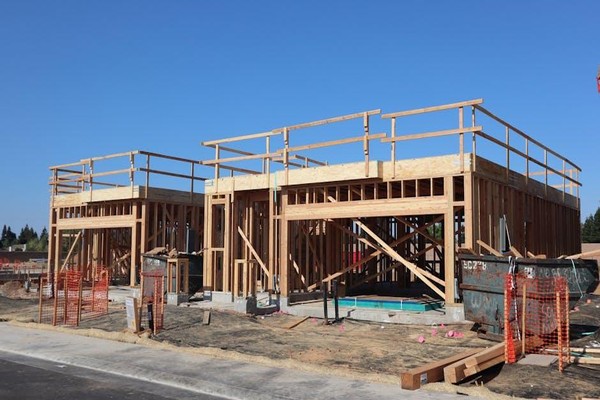
The interplay between licensing, warranty authorities, and regulatory bodies is crucial for ensuring compliance and consumer protection, especially in new homes equipped with smart systems. In British Columbia, for instance, the Homeowner Protection Act defines a residential builder as a person who engages in, arranges for, or manages all or substantially all of the construction of a new home. This Act mandates that new homes must be registered for home warranty insurance, a critical layer of protection for purchasers.
Licensed residential builders are required to arrange home warranty insurance with an approved third-party provider. This involves registering the project on the Licensed Residential Builders Portal and paying relevant fees, including a $40 per-unit licensing fee per new home. In some specific cases, such as multi-unit buildings in coastal climate zones, a $750 per unit reconstruction fee may also apply. This process ensures that homes are covered against defects, providing financial recourse for homeowners if issues arise with the construction or integrated systems.
The New Homes Registry is a public resource where homebuyers can verify that a new home is registered and covered by warranty. Regulatory bodies, like BC Housing, oversee this entire process, ensuring that builders maintain their licenses, comply with warranty requirements, and adhere to construction standards. This comprehensive system of licensing, warranty, and regulation works in concert to protect consumers, giving them confidence in the quality and longevity of their new home and its integrated smart systems.
Professional Management of Residential Complexes
For residential complexes, particularly condominiums, the professional management of the property, including its shared smart systems and infrastructure, is governed by specific licensing standards. In Ontario, the Condominium Management Services Act, 2015 (CMSA), and its General Regulation mandate that all individuals and businesses providing condominium management services must hold a valid license issued by the Condominium Management Regulatory Authority of Ontario (CMRAO).
The CMRAO issues different types of licenses to reflect varying levels of responsibility and expertise: the General Licence and Limited Licence for individuals, and the Condominium Management Provider Licence for businesses. These licenses are based on education and experience requirements, ensuring that managers possess the necessary knowledge to oversee complex properties. For example, individuals holding a General Licence must accumulate 10 Continuing Professional Education (CPE) credits each licensing year to renew their license, promoting ongoing professional development.
These licensed professionals are bound by a strict code of ethics, which dictates their conduct and ensures they act in the best interests of condominium corporations and unit owners. Regulatory oversight by CMRAO includes public disclosure of licensing actions, such as refusals, revocations, or suspensions, enhancing transparency and consumer protection. This framework ensures that the management of shared smart systems, security, and other common elements within residential complexes is handled by qualified and accountable professionals, contributing to the overall safety, efficiency, and value of the property.
Consequences of Unlicensed Operations in Home Improvement
Operating without proper licenses for home security installations or any other regulated home improvement service carries severe consequences for both the individual or company and, crucially, for the consumer. Regulatory bodies across North America are increasingly vigilant in enforcing licensing laws, recognizing the significant risks posed by unlicensed work.
For companies or individuals, the penalties can be substantial. These may include administrative fines, which can range from thousands to tens of thousands of dollars, depending on the jurisdiction and the nature of the offense. In Ontario, for instance, under the New Home Construction Licensing Act, 2017, administrative fines can reach up to $50,000 for individuals and $100,000 for corporations. Beyond fines, regulatory bodies have the power to issue freeze orders on assets, preventing the movement of funds, and can initiate corporate prosecution, leading to criminal charges and even imprisonment for serious or repeat offenders. The most immediate consequence is often license revocation or refusal to grant a license, effectively barring the entity from legally operating in the industry.
For consumers, engaging an unlicensed contractor can lead to a cascade of problems. Unlicensed work often means uninspected work, which can result in safety hazards, such as faulty electrical wiring in smart home systems or improperly installed security components that fail when needed most. Homeowners may also find themselves without recourse if the work is substandard, incomplete, or causes damage, as unlicensed contractors typically lack insurance or bonding. Furthermore, warranties on products or installations may be voided if not installed by a licensed professional. While an unlicensed service might seem cheaper upfront, the long-term consumer liability and risk to safety far outweigh any perceived savings. Regulatory bodies are committed to protecting the public by ensuring that only qualified and accountable professionals perform work on homes.
Frequently Asked Questions about Home Systems and Licensing
We understand that home systems and licensing can be complex. Here, we address some common questions to help clarify key aspects.
What are the specific requirements for NCLL spectrum licenses in Canada?
In Canada, Non-Competitive Local Licensing (NCLL) for spectrum, particularly in the 3900 MHz band, is designed for local, non-competitive wireless deployments. Licensees can typically obtain blocks of 10 or 20 MHz of spectrum, with a maximum cap of 20 MHz per single licensee in any given location. There are two main types: low power and medium power. Low power licenses are limited to areas of 15 km² and have an Equivalent Isotropically Radiated Power (EIRP) limit of 20 dBm/MHz, suitable for localized coverage. Medium power licenses cover larger areas, from 75 km² to 165 km², with a higher EIRP limit of 37 dBm/MHz for broader regional coverage. Annual fees are calculated based on the total bandwidth (MHz) and the area size (km²), with varying rates for metro/urban, rural, and remote regions. Licensees are also required to meet deployment deadlines, typically deploying at least one station within two years of license issuance to ensure active use of the spectrum.
Why is ESA licensing mandatory for smart home electrical work in Ontario?
Electrical Safety Authority (ESA) licensing is mandatory for smart home electrical work in Ontario primarily for public safety. Ontario Regulation 570/05, under the Electricity Act, legally requires anyone offering electrical installation services to the public to be licensed by the ESA. This ensures that all electrical installations, including those for smart home systems, are performed by qualified professionals who adhere to the Ontario Electrical Safety Code. The licensing framework mandates that a Master Electrician oversees the work, providing a layer of professional accountability. This regulation aims to prevent electrical hazards such as fires and shocks, which can arise from improper wiring or installations by unlicensed contractors. It protects homeowners by ensuring that their smart home systems are integrated safely and reliably into their electrical infrastructure.
How can homeowners verify the licensing of a new home builder?
Homeowners can verify the licensing of a new home builder by consulting the public registries maintained by the relevant regulatory authority in their province or state. For instance, in Ontario, the designated regulatory authority under the New Home Construction Licensing Act, 2017, provides a registry where consumers can check a builder’s license status. This includes confirming if the license is active, reviewing any history of administrative penalties, and verifying compliance with the Act. Additionally, in provinces like British Columbia, homeowners can use the New Homes Registry to ensure that a builder’s project is enrolled in a home warranty insurance program, which is often a prerequisite for licensed builders. Always ask the builder for their license number and then independently verify it through the official channels to ensure they are legitimate and compliant.
Conclusion
Ensuring the quality and compliance of home improvement projects, particularly those involving intricate home systems, is a shared responsibility between service providers and homeowners. We have explored the critical role of licensing in guaranteeing safety, professional accountability, and consumer protection across diverse areas, from smart home security installations in the US and Canada to electrical work in Ontario and new home construction. The complex regulatory environment, encompassing state and provincial licenses, wireless spectrum standards, and specific construction acts, underscores the necessity for adherence.
By understanding these frameworks, verifying provider credentials, and recognizing the severe consequences of unlicensed operations, homeowners can make informed choices that safeguard their investments and the well-being of their families. Regulatory adherence is not just a bureaucratic hurdle; it is the foundation for long-term system reliability, safety assurance, and successful home improvement.
