
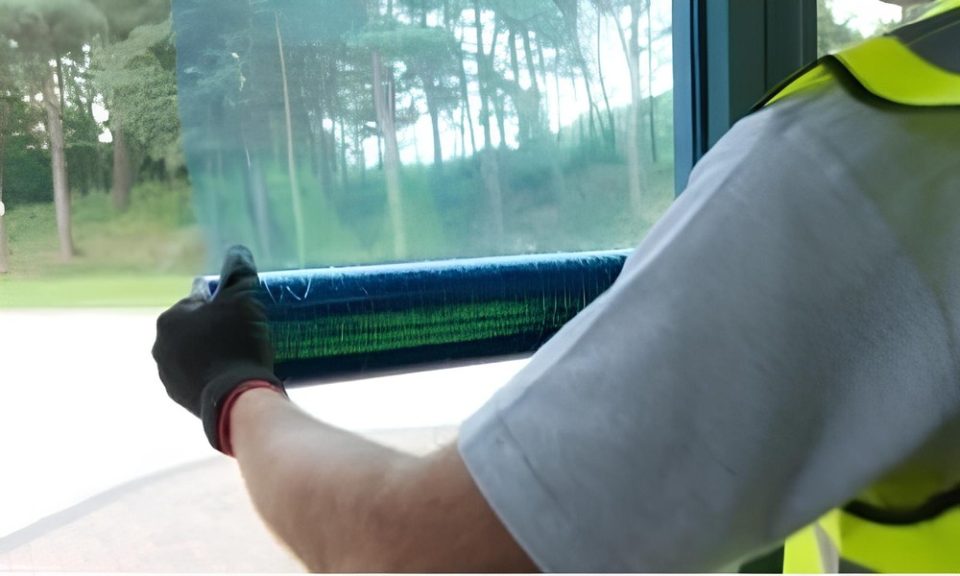
Windows and glass surfaces are among the most vulnerable elements during construction and renovation projects. From home renovations to large commercial projects, glass surfaces are highly vulnerable to scratches, stains, and lasting damage caused by dust, paint, debris, and construction tools.
Proper protection is not just a precaution-it’s a cost-saving strategy that preserves aesthetics, reduces rework, and ensures a smooth project handover.
Why Glass Protection Matters
Glass surfaces are highly susceptible to damage during construction. Airborne dust, cement splatter, paint overspray, and accidental impacts can all leave marks that are difficult-or sometimes impossible-to remove. Replacing damaged glass is expensive and can delay project timelines.
More importantly, scratched or stained windows compromise the overall appearance of a finished space, which is especially critical in high-end residential or commercial projects.
Protecting glass early in the construction process helps maintain clarity, transparency, and surface integrity. It also minimizes post-construction cleaning efforts, saving both time and labor costs.
Common Risks to Windows and Glass
During construction and renovation, glass surfaces face multiple risks:
- Dust and debris accumulation: Fine particles can scratch glass when wiped or cleaned improperly.
- Paint and chemical exposure: Paint splashes, adhesives, and sealants can leave stubborn residues.
- Welding sparks and heat: High-temperature processes can cause burn marks or micro-pitting.
- Mechanical impact: Tools, ladders, or construction materials can crack or chip glass.
Understanding these risks is the first step toward implementing effective protection measures.
Effective Protection Methods
1. Use Temporary Protective Film
One of the most effective ways to safeguard windows is by applying temporary protective film. These films are specifically designed for construction environments and provide a physical barrier against scratches, dust, and liquid contamination.
High-quality glass protective films offer:
- Strong adhesion to stay in place during work
- Easy removal without leaving residue
- Resistance to UV exposure and temperature fluctuations
They are suitable for various glass types, including tempered, laminated, and coated glass.
2. Install Physical Barriers
For areas with heavy construction activity, consider installing rigid barriers such as plastic sheets, cardboard panels, or plywood boards over windows. These provide additional protection against impact damage and are particularly useful in high-traffic zones.
However, ensure that these materials do not trap moisture against the glass, as this can lead to staining or mold growth.
3. Seal Edges and Frames
Window frames and edges are often overlooked but equally vulnerable. Use masking tape or edge protection strips to seal gaps where dust, paint, or liquids might seep in. This not only protects the glass but also preserves the condition of window frames and seals.
4. Maintain a Clean Work Environment
Regular cleaning during construction is essential. Avoid letting dust and debris accumulate on glass surfaces, as this increases the risk of scratches during later cleaning. Use soft tools such as microfiber cloths and avoid abrasive materials.
Implementing dust control measures-such as plastic partitions or negative air systems-can further reduce contamination.
5. Monitor and Replace Protection Materials
Protection is not a one-time task. Regularly check temporary protective films and protective coverings to ensure they stay secure and continue performing effectively. Damaged or peeling films should be replaced promptly to maintain continuous protection.
Best Practices for Long-Term Results
- Apply protective materials as early as possible in the project
- Choose products specifically designed for construction use
- Train workers to avoid leaning tools or materials against glass
- Schedule final cleaning only after all major construction activities are complete
Conclusion
Protecting windows and glass during construction and renovation is a critical step that should never be overlooked. Combining protective films, physical barriers, and proper site cleanliness can greatly minimize damage risks and reduce expensive rework.
In the end, proper glass protection ensures that the final result reflects the quality and professionalism of the entire project-delivering clean, flawless surfaces that enhance the overall space.
