
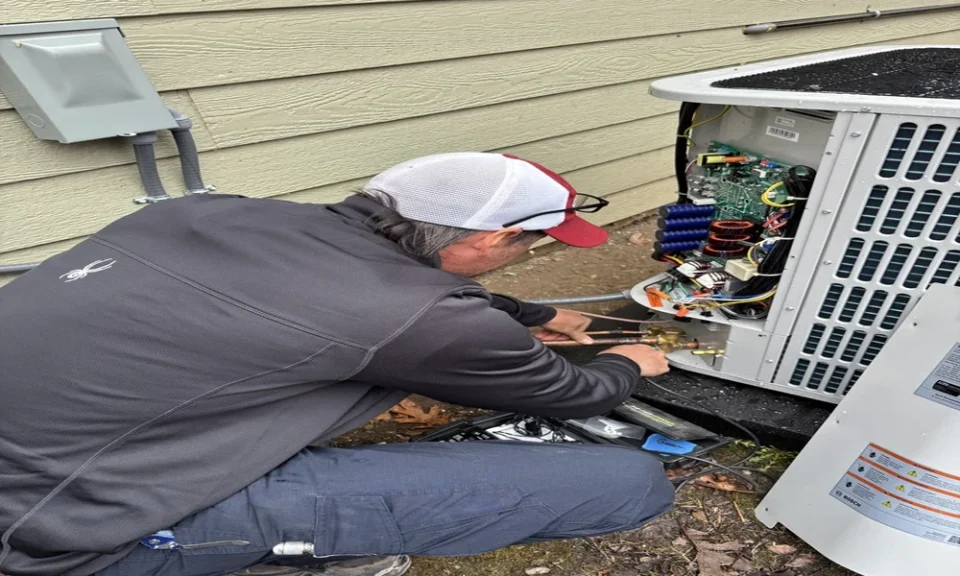
Prompt and Professional HVAC Repair ServicesRecognizing the Need for Urgent HVAC Repair
When your home’s heating or cooling system falters, it’s not always immediately clear if it warrants an emergency call or can wait for standard business hours. However, recognizing the signs of a true HVAC emergency is paramount for the safety and comfort of your household. We understand that during peak seasons, when temperatures are at their most extreme, the likelihood of an HVAC breakdown significantly increases. In fact, statistics show that 70% of homeowners experience an HVAC breakdown during these critical times, with over 60% of all HVAC emergencies occurring when systems are needed most. This makes prompt action and informed decisions crucial. For those in the Johnson County area, understanding the nuances of a Prompt emergency HVAC repair Johnson County can make all the difference in mitigating discomfort and potential damage.
Common Signs of System Failure
Several indicators can signal that your HVAC system is in distress and may require immediate attention. These aren’t just minor inconveniences; they can point to serious underlying issues that, if ignored, could lead to more extensive damage or safety hazards.
- Weak Airflow: If you notice significantly reduced airflow from your vents, or some rooms are much colder or hotter than others, it could indicate a blocked duct, a failing blower motor, or even issues with your outdoor unit. This often leads to your system working harder, increasing energy bills and accelerating wear.
- Strange Noises: Your HVAC system should generally operate with a consistent, low hum. Any departure from this, such as grinding, banging, squealing, or screeching sounds, is a red flag. Grinding noises often suggest worn-out motor bearings, while banging can point to loose or broken parts within the compressor or blower fan. Ignoring these sounds can quickly turn a minor repair into a major component replacement.
- Burning Smells: A burning odor emanating from your vents is perhaps one of the most alarming signs. This could indicate an overheating motor, electrical wiring issues, or even a fire hazard. If you detect a burning smell, it’s crucial to turn off your system immediately at the thermostat and circuit breaker and contact a professional.
- Refrigerant Leaks: While not always visible, signs of a refrigerant leak include ice buildup on your AC’s coils or refrigerant lines. This ice acts as an insulator, preventing your system from cooling effectively and putting immense strain on the compressor. Refrigerant leaks not only harm the environment but also pose health risks and significantly reduce your system’s efficiency.
Thermostat Malfunctions and Airflow Issues
Beyond the more dramatic signs, seemingly minor issues can also escalate into emergencies, particularly those related to your thermostat or general airflow.
- Thermostat Malfunctions: It might surprise you to learn that about 40% of HVAC emergencies begin with thermostat malfunctions. A faulty thermostat can lead to your system running continuously, short cycling (turning on and off rapidly), or failing to respond to temperature changes. While sometimes it’s as simple as dead batteries, a persistent issue indicates a deeper problem that affects your system’s ability to maintain comfort and efficiency.
- Short Cycling: When your HVAC system turns on and off frequently without completing a full heating or cooling cycle, it’s known as short cycling. This not only wastes energy but also puts excessive stress on your system’s components, leading to premature wear and potential breakdown. Causes can range from an oversized unit to clogged filters, low refrigerant, or a malfunctioning thermostat.
- Clogged Filters: A dirty or clogged air filter is a common culprit behind many HVAC problems. It restricts airflow, forcing your system to work harder, which can lead to overheating, frozen coils, or even complete system shutdown as a safety measure. Regularly checking and replacing your filters is a simple yet effective preventative measure.
- Electrical Issues: Tripped circuit breakers are a clear sign of an electrical problem. While a single trip might be an anomaly, repeated trips indicate an electrical overload, potentially due to a failing motor, a short circuit, or other component issues. Continuously resetting a tripping breaker without addressing the root cause can be dangerous and lead to serious electrical damage or fire.
What to Expect During an Emergency Service Call
When you’ve determined that your HVAC issue is a true emergency, the next step is to call for professional help. We understand that the unknown can be stressful, especially when your home’s comfort and safety are on the line. Knowing what to expect during an emergency service call can help alleviate some of that anxiety and ensure a smoother process. Our goal is always to provide prompt, efficient, and transparent service, getting your system back up and running as quickly as possible.
Upon your call, our team prioritizes emergency requests, especially during extreme weather conditions. You can expect a professional and courteous representative to gather essential information about your system’s symptoms and your current situation. This initial communication helps us dispatch the right technician with the appropriate tools and potential parts. While response times can vary depending on call volume and technician availability, emergency calls are always given precedence. Once a technician is dispatched, we will provide you with an estimated arrival time, keeping you informed every step of the way.
The Diagnostic Process in HVAC Repair
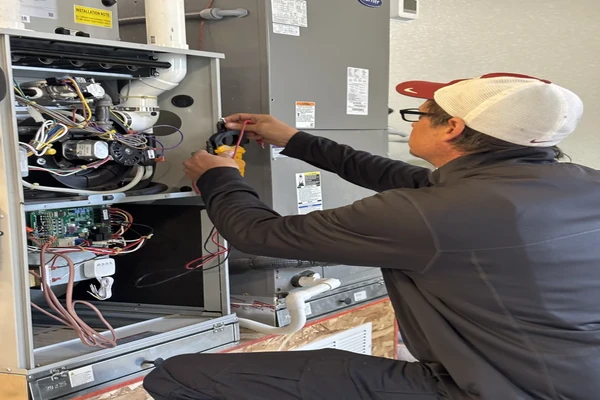
Once our technician arrives at your home, their first priority is to conduct a thorough diagnostic assessment of your HVAC system. This process is crucial for accurately identifying the root cause of the problem, rather than just treating the symptoms. Most diagnostics are completed efficiently, often within 30 minutes, allowing us to provide you with an upfront cost estimate before any repair work begins.
During the diagnostic phase, the technician will:
- Perform a Comprehensive System Inspection: This involves a visual check of both your indoor and outdoor units, looking for any obvious signs of damage, leaks, or unusual wear.
- Analyze System Controls: The thermostat and other control components are checked to ensure they are functioning correctly and communicating properly with the rest of the system. About 40% of HVAC emergencies start with thermostat malfunctions, so this is a key area of focus.
- Inspect Electrical Components: The technician will check wiring, circuit boards, capacitors, and other electrical parts for signs of damage, corrosion, or overheating. Electrical issues can be dangerous, so this is a critical safety check.
- Evaluate Airflow: Proper airflow is essential for efficient heating and cooling. The technician will assess the airflow through your system and ducts, checking for obstructions or issues with the blower motor.
- Check Safety Controls: Modern HVAC systems are equipped with various safety mechanisms designed to prevent dangerous situations. The technician will verify that these controls are operating correctly to ensure your system runs safely.
Same-Day Fixes and Parts Availability
A common question homeowners have during an emergency is whether their system can be fixed on the same day. We strive to complete repairs during the initial visit whenever possible. Many common issues can indeed be resolved on the spot, often taking between 2 to 4 hours to complete, depending on the complexity.
- Capacitor Replacement: Capacitors are among the most frequently replaced parts in an AC system, vital for starting and running motors. We typically stock common parts like capacitors and contactors directly on our service trucks, allowing for immediate same-day fixes. A capacitor replacement, for instance, can often be completed within 1 to 2 hours.
- Fan Motors: Issues with indoor or outdoor fan motors are also common and can often be addressed quickly if the necessary parts are on hand.
- Temporary Solutions: In cases where a specialized part is required and not immediately available, our technicians may be able to implement a temporary solution to restore some level of comfort while the part is ordered. We will communicate clearly about the timeline for part arrival and the scheduling of a follow-up visit to complete the full repair.
- Complex Issues: For more complex repairs, such as a compressor replacement, the process might take longer, potentially 6-8 hours, and may require a return visit. However, our upfront diagnostic process ensures you are informed of the scope of work and estimated time before we proceed.
How to Stay Safe and Comfortable While Waiting
Waiting for an HVAC technician to arrive during an emergency can feel like an eternity, especially when temperatures are extreme. However, there are crucial steps you can take to ensure your family’s safety and maintain some level of comfort in your home. We emphasize that safety should always be your top priority during these times.
Immediate Troubleshooting Steps for Homeowners
Before calling a professional, or while you’re waiting for them to arrive, there are a few quick troubleshooting steps you can try. These simple checks can sometimes resolve minor issues, potentially saving you an emergency service fee.
- Check Thermostat Settings and Batteries: Ensure your thermostat is set to the correct mode (heat or cool) and temperature. If it’s a digital thermostat, fresh batteries can often resolve responsiveness issues. This simple check resolves a surprising number of “emergencies.”
- Inspect and Reset Circuit Breakers: Locate your home’s electrical panel and check the circuit breaker corresponding to your HVAC system (often labeled “Furnace,” “AC,” or “HVAC”). If it’s tripped, reset it once. However, if it trips again immediately or repeatedly, do not continue to reset it, as this indicates a more serious electrical problem requiring professional attention.
- Replace Dirty Air Filters: A clogged air filter can severely restrict airflow, causing your system to overheat or freeze up. Inspect your filter and replace it if it appears dirty or blocked. A clean filter can sometimes restore proper operation and always improves efficiency.
- Verify Furnace Power Switch: For heating systems, ensure the power switch located near the furnace (often resembling a light switch) is in the “ON” position. It can sometimes be accidentally bumped off.
- Clear Debris Around Outdoor Unit: For air conditioners, ensure the outdoor condenser unit is free from leaves, grass clippings, and other debris that can obstruct airflow and cause the unit to overheat.
Safe Practices for Temporary Climate Control
While waiting for professional help, managing your home’s temperature can significantly improve comfort and prevent health risks, especially for vulnerable family members.
- For Heating Emergencies (Cold Weather):Gather in One Room: Conserve heat by gathering your family in a single, well-insulated room.
- Use Blankets and Warm Clothing: Layer up with warm clothes and use blankets to stay warm.
- Space Heaters (Safely): If using portable space heaters, ensure they are placed on a flat, stable surface, away from flammable materials, and never left unattended. Use them sparingly to avoid overloading electrical circuits.
- Seal Drafts: Block drafts from windows and doors with towels or blankets.
- Close Unused Rooms: Close vents and doors to unused rooms to direct what little heat might be available to occupied areas.
- For Cooling Emergencies (Hot Weather):Close Blinds and Curtains: Block direct sunlight from entering your home, especially during the hottest parts of the day.
- Use Fans: Portable fans or ceiling fans can help circulate air and create a cooling effect, though they don’t lower the ambient temperature.
- Stay Hydrated: Drink plenty of water to prevent dehydration.
- Take Cool Showers: A cool shower can help lower your body temperature.
- Avoid Heat-Generating Activities: Limit the use of ovens, dryers, and other appliances that generate heat.
- Consider Temporary Relocation: If temperatures become dangerously high, especially for the elderly, infants, or those with health conditions, consider seeking refuge in a cooler place like a public library, mall, or a friend’s home.
Evaluating Long-Term System Performance
An HVAC emergency often forces homeowners to confront not just the immediate problem, but also the long-term health and efficiency of their system. Beyond the immediate repair, it’s a critical moment to evaluate whether continuing repairs is the most cost-effective path or if replacement offers better value and performance in the long run. We believe in empowering our customers with the information needed to make informed decisions that benefit their comfort and budget for years to come.
Deciding on HVAC Repair vs. Replacement
The decision to repair or replace an HVAC system can be complex, weighing immediate costs against future savings and reliability. Here’s how we approach this crucial decision:
- The $5,000 Rule: A useful guideline to consider is the “$5,000 rule.” This rule suggests that if the age of your unit multiplied by the cost of the repair exceeds $5,000, it might be more cost-effective to replace the system rather than repair it. For example, an 8-year-old unit with a $400 repair would be 8 x 400 = $3,200 (repair recommended), while a 15-year-old unit with a $350 repair would be 15 x 350 = $5,250 (replacement recommended). This rule helps account for the diminishing returns on investment in an aging system.
- Unit Age: The typical lifespan of an HVAC system is between 15-25 years in the Kansas City area, with AC units often lasting 10-25 years depending on maintenance. If your system is over 10 years old and facing a significant repair, especially if it’s been prone to frequent breakdowns, replacement often makes more financial sense.
- Frequency of Repairs: A system that requires frequent repairs is a clear indicator of declining reliability. While individual repairs might seem manageable, the cumulative cost and inconvenience can quickly outweigh the cost of a new, more efficient system.
- System Reliability: An older system that frequently struggles to maintain desired temperatures, especially during peak seasons, is signaling its inefficiency. Modern systems offer advanced features and superior performance that can significantly enhance your home comfort.
Here’s a comparison to help weigh your options:
Factor Repair Replacement Initial Cost Lower (often a few hundred to a couple thousand) Higher (several thousand dollars) System Age Generally for units under 10 years old Recommended for units over 10-15 years old Frequency of Issues For occasional, isolated problems For recurring breakdowns or major component failures Efficiency Maintains current efficiency (which may be low) Significantly improves energy efficiency Warranty Repair may or may not be warrantied New system comes with a full manufacturer warranty Future Costs Potential for more repairs in the near future Reduced repair costs for many years Comfort Restores current comfort level Often provides superior and more consistent comfort Energy Efficiency and System Lifespan
Beyond immediate costs, considering energy efficiency and the overall lifespan of your system is crucial for long-term savings and environmental impact.
- Energy Waste: Older HVAC systems are notoriously less energy-efficient. They consume more electricity or fuel to produce the same amount of heating or cooling as newer models. This translates directly to higher utility bills and a larger carbon footprint.
- Modern Systems: Significant advancements in HVAC technology mean that modern AC systems, for example, use 20-40% less energy than units over 10 years old. Investing in a new, high-efficiency unit can lead to substantial annual savings on your energy bills.
- High-Efficiency Units: Features like variable-speed motors, smart thermostats, and improved SEER (Seasonal Energy Efficiency Ratio) ratings make today’s systems far more efficient. These units not only save you money but also provide more consistent temperatures and better humidity control.
- Environmental Impact: Opting for a new, energy-efficient system also contributes to a reduced environmental impact. Less energy consumption means fewer greenhouse gas emissions, aligning with modern sustainability goals. Furthermore, newer refrigerants are often more environmentally friendly than those used in older systems.
Frequently Asked Questions
We understand that homeowners have many questions when faced with an HVAC emergency. Here, we address some of the most common concerns to provide clarity and peace of mind.
What qualifies as a true heating or cooling emergency?
A true HVAC emergency is any situation that poses an immediate risk to the health and safety of your household, could cause significant damage to your property, or leaves you without essential heating or cooling during extreme weather conditions. This includes:
- Extreme Weather: No heat when outside temperatures are below freezing (e.g., 32°F or below) or no AC when outside temperatures are dangerously high (e.g., 95°F or above), especially if there are vulnerable individuals (elderly, infants, those with health conditions) in the home.
- Gas Leaks: A strong smell of rotten eggs (natural gas) requires immediate evacuation of your home, calling your gas utility from outside, and then contacting emergency services.
- Carbon Monoxide (CO) Alarms: If your CO detector sounds, evacuate immediately and call 911. CO is an odorless, colorless, and deadly gas.
- Sparks, Smoke, or Burning Odors: Any visible sparks, smoke, or persistent burning smells from your HVAC system indicate an electrical fire hazard. Turn off the system immediately and call for emergency repair.
- Major Water Leaks: Significant water leaking from your indoor unit could indicate a clogged drain line that could lead to extensive water damage to your home.
- Complete System Failure: If your system is completely unresponsive and won’t turn on, especially during critical weather conditions, it’s an emergency.
Can most system issues be resolved in a single visit?
We strive to resolve most HVAC issues during the initial emergency service call. Our technicians come prepared with a wide range of common replacement parts, such as capacitors, contactors, and fan motors, which allows for many same-day repairs.
- Repair Duration: Most AC repairs typically take between 2 to 4 hours to complete. Simpler fixes, like a capacitor replacement, can be done in 1 to 2 hours.
- Parts Stocked: Our service vehicles are essentially mobile warehouses, stocked with the most frequently needed components to minimize delays.
- Complex Issues: For more complex problems, such as a compressor replacement or a significant refrigerant leak repair, the process might take longer (e.g., 6-8 hours for a compressor) or require a specialized part that needs to be ordered. In such cases, we will provide a clear explanation, discuss temporary solutions if possible, and schedule a follow-up visit. The diagnostic process, usually completed within 30 minutes, allows us to give you an accurate assessment and timeline upfront.
How does regular maintenance prevent sudden breakdowns?
Regular, professional HVAC maintenance is the single most effective way to prevent unexpected emergencies and ensure your system operates reliably and efficiently.
- Breakdown Prevention: Homeowners who schedule regular HVAC maintenance are 50% less likely to experience an emergency breakdown. This significant reduction is due to technicians identifying and addressing minor issues before they escalate into major failures.
- Annual Tune-Ups: Comprehensive annual tune-ups involve cleaning, inspecting, and calibrating your system’s components. This includes checking refrigerant levels, electrical connections, motor performance, and safety controls.
- Filter Changes: Regular filter replacement, as recommended by your system’s manufacturer, maintains optimal airflow and prevents strain on your system.
- System Efficiency: A well-maintained system operates at peak efficiency, consuming less energy and extending its overall lifespan. It also ensures your system is ready to handle the demands of peak seasons without faltering.
- Early Detection: Maintenance appointments provide an opportunity to catch small problems, such as worn belts, minor leaks, or electrical inconsistencies, before they lead to a complete system failure. This proactive approach saves you from the stress and higher costs associated with emergency repairs.
Conclusion
Navigating an HVAC emergency can be a daunting experience, but understanding what to expect can significantly reduce stress and help you make informed decisions. From recognizing the critical signs of system failure and taking immediate safety measures to understanding the diagnostic and repair process, being prepared is your best defense. We’ve seen how regular maintenance can drastically reduce the likelihood of these disruptive events, saving homeowners money and providing invaluable peace of mind.
Your home’s comfort and your family’s safety are our top priorities. When an unexpected breakdown occurs, knowing you have a reliable, professional team ready to respond quickly and efficiently is essential. Don’t let an HVAC emergency leave you in discomfort or danger. Take proactive steps with regular maintenance, and when an emergency strikes, trust in expert service to restore your home’s equilibrium.
When you’re ready to ensure your system is running optimally or if you find yourself in need of urgent assistance, professional help is just a call away. Schedule professional AC service in Kansas City today to experience the difference of prompt and professional care.
