
Choosing the Right Roofing Materials for Extreme WeatherEvaluating Roofing Materials for Extreme Weather Performance
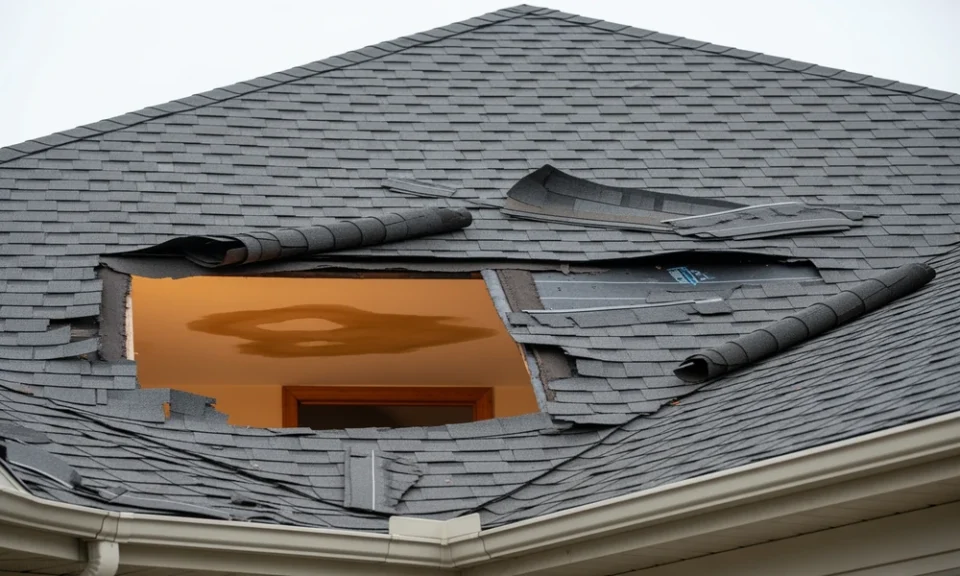
In June 2026, homeowners in Southern Oregon face increasing challenges from extreme weather. High winds, damaging hail, heavy snow, and relentless UV rays can severely test a roof’s strength. Your roof is your home’s main shield. Choosing the right roofing materials for extreme weather is now more important than ever. A poorly chosen roof can lead to costly repairs, insurance headaches, and even structural damage. We understand the need for reliable protection, which often starts with selecting high-quality roofing materials, skylights. This guide will help you navigate the options. We will explore how different materials perform under harsh conditions and what features offer the best defense for your Southern Oregon home.
To learn more about durable roofing solutions and protect your home, explore our comprehensive guide to residential roofing or contact us for a professional consultation.
When selecting roofing materials, it’s crucial to understand how different options stand up to the specific threats posed by extreme weather. We consider factors like wind uplift, impact resistance, thermal expansion and contraction, and UV degradation. Each material offers a unique set of advantages and trade-offs.
Here’s a look at some of the key weather-resistant roofing materials we’ll discuss:
- Metal Roofing Systems: Known for exceptional durability and longevity.
- Impact-Resistant Shingles: Engineered to withstand hail and debris.
- Synthetic Roofing Materials: Often lightweight and highly durable.
- Slate Roofing: Offers premium longevity and aesthetic appeal.
- Architectural Asphalt Shingles: A popular, cost-effective, and robust option.
Understanding the strengths and weaknesses of each type is paramount. For example, while traditional asphalt shingles remain a popular choice due to their affordability, their performance can vary significantly depending on quality and specific weather challenges. In contrast, specialized materials are designed from the ground up to excel in harsh environments. When considering any roofing project, prioritizing Quality roofing materials and their installation is the foundation for long-term home protection.
Metal Roofing Systems and Wind Resistance
Metal roofing systems are increasingly recognized for their superior performance in high-wind conditions. Unlike traditional shingles that can be torn off by strong gusts, many metal roofs feature interlocking panels that create a robust, unified surface. This design significantly reduces wind uplift, a primary cause of roof failure during severe storms.
Statistics show that metal roofs can withstand wind speeds exceeding 140 mph, making them a top choice for hurricane-prone areas. Standing seam metal roofs, in particular, offer excellent wind resistance due to their concealed fasteners and continuous panels. This creates a smooth surface that allows air to flow easily over it, further reducing uplift pressure. For instance, some metal roofing products are tested to pass the ASTM D3161 Class F test, handling wind speeds up to 110 mph, with others achieving even higher ratings. Their inherent strength and secure fastening make them incredibly resilient against powerful winds.
Impact-Resistant Shingles and Hail Protection
Hailstorms can wreak havoc on roofs, leading to costly damage and premature wear. For homeowners in hail-prone regions, impact-resistant shingles are a game-changer. These shingles are specifically engineered to absorb and dissipate the energy of hailstones, minimizing dents, cracks, and granule loss.
The gold standard for hail resistance is the UL 2218 Class 4 impact rating. This is the highest rating available, meaning the shingle can withstand a 2-inch steel ball dropped from 20 feet twice on the same spot without cracking. Many polymer-modified asphalt shingles achieve this rating, incorporating materials like SBS (Styrene-Butadiene-Styrene) into the asphalt. This modification gives the shingles a rubber-like flexibility, allowing them to better absorb impacts and resist cracking, especially in cooler temperatures where standard asphalt can become brittle. Products like TAMKO’s StormFighter FLEX shingles are UL 2218 Class 4 impact rated and can significantly reduce insurance premiums in hail-prone areas, offering both protection and financial benefits.
Key Weather-Resistance Ratings and Standards to Look For
Understanding industry ratings and standards is crucial when evaluating roofing materials for extreme weather. These certifications provide objective measures of a material’s performance under specific conditions, helping homeowners make informed decisions.
Some of the most important ratings include:
- Wind Resistance:ASTM D3161 Class F: Indicates the material can withstand wind speeds up to 110 mph.
- ASTM D7158 Class H: Demonstrates resistance to wind speeds up to 150 mph.
- TAS-100: A Florida-specific test for wind-driven rain resistance, essential in hurricane zones.
- Impact Resistance:UL 2218 Class 4: The highest rating for hail impact, as discussed above.
These standards, along with local building codes, ensure that roofing materials meet minimum performance requirements. However, for true extreme weather resilience, we often recommend materials that exceed these minimums.
How to Select Roofing Materials for Extreme Weather in High-Wind Zones
For homes in areas prone to hurricane-force winds, selecting the right roofing system involves more than just the material itself; it encompasses the entire installation. High-wind zones demand materials and construction techniques that can withstand sustained pressure and sudden gusts.
Here are key considerations:
- Material Choice: Standing seam metal roofing is often lauded for its robust performance in high winds, thanks to its interlocking design and hidden fasteners. Architectural asphalt shingles can also perform well, with some achieving wind ratings up to 130 mph when properly installed.
- Fastening Systems: The type and quantity of fasteners are critical. Ring-shank nails, which have greater withdrawal resistance than smooth nails, are highly recommended. Proper nailing patterns, as specified by the manufacturer and local building codes, are non-negotiable. Some systems even recommend double nailing for enhanced security.
- Roof Design: A hip roof design, where all sides slope downwards to the walls, generally performs better in high winds than a gable roof. A moderate roof pitch, ideally around a 30-degree pitch, can help deflect wind and reduce uplift pressure, distributing forces more evenly across the structure.
- Underlayment and Decking: A high-quality, synthetic underlayment provides an additional layer of protection against wind-driven rain, even if primary roofing materials are compromised. A strong roof deck, typically plywood or OSB, provides the necessary foundation for the fasteners to hold securely.
Choosing Roofing Materials for Extreme Weather in Heavy Snow Regions
Heavy snowfall and prolonged cold temperatures present unique challenges for roofs, primarily related to snow load and the formation of ice dams. In regions with significant winter weather, material selection and system design are paramount for preventing structural damage and moisture intrusion.
- Snow Load Capacity: The roof must be able to bear the immense weight of accumulated snow. Metal roofing, with its smooth, low-friction surface, allows snow to slide off more easily, reducing snow load and preventing dangerous buildup. This natural snow shedding also helps mitigate the formation of ice dams.
- Ice Dam Prevention: Ice dams form when snow on the warmer parts of the roof melts, runs down to colder eaves, and refreezes, creating a barrier that prevents further meltwater from draining. This trapped water can then back up under shingles and into the home. Proper attic ventilation is crucial for maintaining consistent roof temperatures and preventing ice dams. Additionally, a quality ice and water shield underlayment applied to the eaves and valleys acts as a waterproof barrier.
- Freeze-Thaw Cycle Resilience: Materials must withstand repeated freezing and thawing without cracking or deteriorating. Polymer-modified shingles, for example, maintain flexibility in cold temperatures, making them less prone to cracking. Natural slate roofs are also highly resistant to freeze-thaw cycles and offer exceptional longevity in cold climates.
- Snow Guards: For metal roofs, custom snow guards can be installed to manage snow release, preventing large sheets of snow and ice from sliding off abruptly and posing a hazard to people or property below. These can be color-matched to the roofing system for aesthetic integration.
For those seeking robust solutions for homes in challenging winter environments, exploring options from reputable providers is a good step. America Roofing extreme weather materials, for instance, offer insights into various materials designed to endure severe conditions, including heavy snow and ice.
The Critical Role of Installation Quality and System Components
Even the most advanced roofing materials will fail prematurely if not installed correctly. The quality of installation and the integrity of the entire roofing system – not just the visible top layer – are paramount to a roof’s ability to withstand extreme weather.
Every component plays a vital role:
- Underlayment: This protective layer beneath the primary roofing material acts as a secondary barrier against moisture. In extreme weather, a high-quality synthetic underlayment or an ice and water shield is essential, especially in areas prone to wind-driven rain or freeze-thaw cycles. It prevents water from penetrating the roof deck if shingles are damaged or lifted.
- Ventilation: Proper attic ventilation is crucial for temperature and moisture control. In hot climates, it expels heat, reducing strain on materials and lowering cooling costs. In cold climates, it prevents condensation and helps maintain a consistent roof temperature, which is key to preventing ice dams.
- Flashing: Flashing, typically made of metal, is installed around roof penetrations (chimneys, skylights, vents) and at valleys to prevent water intrusion. Incorrectly installed or damaged flashing is a common source of leaks, especially during heavy rain or snowmelt.
- Fastening Systems: As mentioned earlier, the type, quantity, and pattern of fasteners are critical for wind resistance. Adhering strictly to manufacturer specifications and local building codes for fastening ensures the material stays put during high winds.
- Roof Deck: The structural integrity of the roof deck (typically plywood or OSB) is the foundation of the entire system. It must be sound and properly secured to support the roofing materials and withstand external forces.
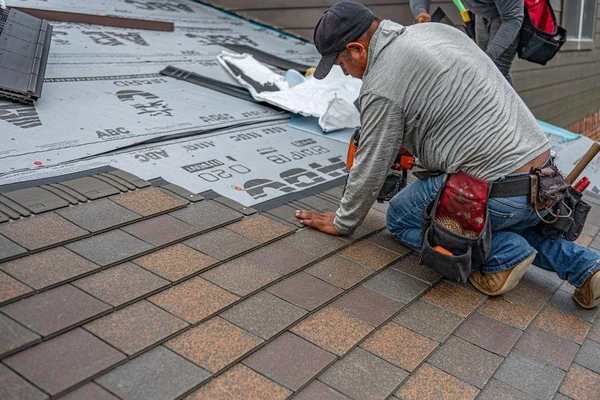
A professional roofing contractor understands how all these elements work together to create a resilient roof system. They ensure that each component is installed to the highest standards, maximizing the roof’s lifespan and its ability to protect your home from the harshest weather.
Regional Considerations for Southern Oregon Climates
Southern Oregon, encompassing areas like Medford, Ashland, and Grants Pass, experiences a diverse range of weather conditions that demand specific roofing considerations. While not typically associated with hurricanes, the region can see intense heat, occasional heavy snowfall in higher elevations, and significant wind events, particularly during winter storms. UV exposure is also a year-round concern due to the high number of sunny days.
For homeowners in this unique climate, selecting materials that can handle both scorching summers and wet, sometimes snowy, winters is key. Metal roofing performs exceptionally well here, offering excellent UV resistance against intense sun and efficient snow shedding. Impact-resistant shingles are also a wise investment, given the potential for hail. Understanding how Southern Oregon climate affects your roof is crucial for making informed decisions. A premier roofing contractor in Southern Oregon will have extensive experience with these local conditions, guiding you toward materials and installation techniques that provide optimal protection and longevity. They can assess your home’s specific needs and recommend solutions tailored to the regional weather patterns.
Frequently Asked Questions About Weather-Resistant Roofs
Homeowners often have many questions when considering an investment in a weather-resistant roof. Here, we address some of the most common inquiries to help you navigate your options and make informed decisions about protecting your home from extreme weather.
What is the highest impact rating for roofing materials?
The highest impact rating for roofing materials is UL 2218 Class 4. This rating signifies that the material has passed a rigorous test where it withstands the impact of a 2-inch steel ball dropped from 20 feet, twice in the same spot, without cracking or rupturing. Shingles with a Class 4 rating offer superior protection against hail and wind-borne debris. Beyond the physical protection, many insurance providers offer significant insurance discounts for homes equipped with Class 4 impact-rated shingles, making them a smart investment for both safety and savings in hail-prone areas.
How do metal roofs perform in heavy snow and ice?
Metal roofs are exceptionally well-suited for heavy snow and ice conditions due to several inherent properties:
- Snow Shedding: Their smooth, hard surface allows snow to slide off easily, preventing heavy accumulation and reducing the risk of structural stress from snow load. This natural shedding also minimizes the time snow sits on the roof, which helps prevent ice dam formation.
- Ice Dam Prevention: While no roof is entirely immune to ice dams without proper ventilation, the smooth surface of a metal roof, combined with good attic ventilation, significantly reduces their likelihood. When ice dams do form, they are less likely to cause water backup under the roofing material compared to granular surfaces.
- Custom Snow Guards: For areas where controlled snow release is desired (e.g., above walkways or entryways), custom snow guards can be installed. These devices hold snow in place until it melts, preventing large, dangerous avalanches of snow and ice.
- Durability: Metal is non-porous and resists water absorption, meaning it won’t degrade from repeated freeze-thaw cycles, unlike some other materials.
Overall, metal roofs offer a highly effective solution for managing heavy snow and ice, contributing to a longer-lasting and safer roof system.
Can upgrading my roof lower my homeowners insurance premiums?
Yes, upgrading your roof with weather-resistant materials can often lead to significant reductions in your homeowners insurance premiums. Insurance companies recognize that roofs with enhanced wind and impact resistance are less likely to incur damage from severe weather events, reducing their risk exposure.
Here’s how it works:
- Impact-Resistant Shingles: Installing UL 2218 Class 4 impact-rated shingles is a common way to qualify for insurance discounts, particularly in hail-prone regions. Many insurers offer specific premium reductions for these materials.
- Wind Mitigation: Upgrading to roofing materials with higher wind resistance ratings (e.g., ASTM D7158 Class H for 150 mph) or incorporating wind-resistant installation techniques (like hurricane straps or specific fastening patterns) can also result in lower premiums, especially in high-wind or hurricane-prone areas.
- Longevity and Durability: While not always directly tied to a specific discount, choosing materials with superior longevity and durability, such as metal or slate, can be viewed favorably by insurers as they represent a lower long-term risk of claims.
It’s always recommended to consult with your insurance provider before undertaking a roof upgrade. They can provide specific information on available discounts, eligibility requirements, and how different material choices might affect your policy. Proactive investment in storm-resistant roofing can offer both peace of mind and tangible financial benefits.
Conclusion
In an era where extreme weather events are becoming more frequent and intense, investing in the right roofing materials is one of the most critical decisions a homeowner can make. Your roof is your home’s first line of defense, and its ability to withstand high winds, hail, heavy snow, and relentless UV exposure directly impacts your property’s safety, longevity, and value.
We’ve explored how materials like metal roofing, polymer-modified shingles, and synthetic options offer superior performance against these threats, often backed by rigorous industry standards and impressive statistics. We’ve also highlighted the indispensable role of quality installation, proper underlayment, and effective ventilation in creating a truly resilient roofing system. Balancing upfront costs with long-term durability, potential insurance savings, and reduced repair needs is key to making a smart investment.
For homeowners in Southern Oregon and beyond, understanding your local climate’s specific challenges and choosing materials engineered to meet them is paramount. Don’t wait for the next storm to test your roof’s limits. Proactive maintenance, professional inspection, and a commitment to weather protection will ensure your home remains a safe and secure haven for years to come.
