
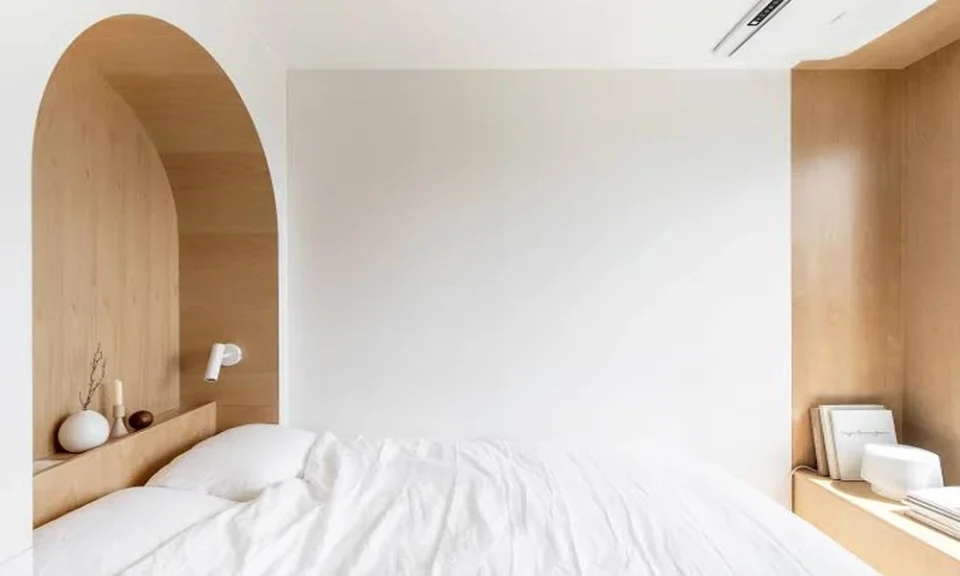
Living in an unfamiliar country feels like being lost. It is the most common feeling among flexpatriates. Short business assignments are daunting. It is common when you are new to the place. Your stay feels at ease when you are staying in a homey feel.
Going for short business assignments make a co-living in Seoul (서울 코리빙) an option. It practically solves the problem better than staying in a hotel room.
Co-living house
Co-living is a modern housing setup. It has private bedrooms paired with shared spaces, such as:
- kitchens
- living rooms
- coworking areas
The space is designed to balance privacy and community. It is like a home where everyone has one place to cook and rest, but with different bedrooms. It offers benefits like:
- cost savings
- convenience
- built-in social network
All-inclusive pricing is offered to tenants, which covers the following:
- rent
- utilities
- internet
- cleaning
Co-living has flexible lease terms that make it appealing to all tenants.
A co-living house is operated as a managed service. Tenants must check what is included in the offer and who manages potential problems. Co-living space works well when moving to Seoul. Yet, you still have no home. Tenants stay for a limited period, either short or long term.
The coliving space is the best option for a furnished place.
Types of co-living spaces
There are different shapes and sizes of co-living spaces. They cater to different lifestyles and personal goals. Knowing the differences helps a tenant set up:
- community-oriented spirit
- individual needs
Urban co-living buildings
Urban co-living buildings are purpose-built spaces. They are specifically designed for shared living. These are multi-story complexes combined with:
- private rooms
- shared common areas
The shared common areas are:
- kitchens
- lounges
- coworking spaces
You can think of them as modern apartment buildings. Yet, with a strong focus on community.
Apartments
Apartments offer a more intimate coliving experience. They are often existing buildings, such as:
- houses
- warehouses
- apartments
These apartments can be:
- historic brownstones
- charming older homes
- spacious lofts
These spaces house smaller groups of residents. It naturally encourages closer connections.
Apartments lack the extensive amenities found in larger coliving buildings. However, they make up for it with character.
Themed communities
Themed-driven co-living spaces connect with like-minded people. The community evolves around:
- shared interests
- careers
- lifestyles
For example:
Co-living spaces for entrepreneurs offer the following:
- networking opportunities
- mentorship programs
- coworking spaces
These creative hubs are catered to:
- artists
- writers
- designers
These student-focused co-living arrangements are designed with:
- study areas
- career resources
The cost of themed coliving varies. But, the real draw is the curated environment.
Benefits of living in a coliving space
Coliving has more perks offered to the tenants.
Cost savings
Coliving reduces the cost of living as everyone is sharing expenses, like:
- utilities
- amenities
Builtin community
Living with people with the same interests makes it easy to make personal and professional connections.
Flexibility
Monthly leases make it easy to move quickly. This is great for a new job or travel plans.
Reduced household responsibilities
Tenants are free from the hassle of routine chores. The unit has cleaning and maintenance services.
Access to premium amenities
Tenants can access several features, such as:
- rooftop decks
- coworking spaces
- fitness centers
Those amenities might be out of reach in a traditional rental.
FAQs
What can you find in a co-living house?
A co-living house combines studio and private rooms with shared facilities and property management.
What common areas are shared in a co-living space?
A co-living space has common spaces where everyone meets together like a family, such as:
Every property has a different combination of areas.
