
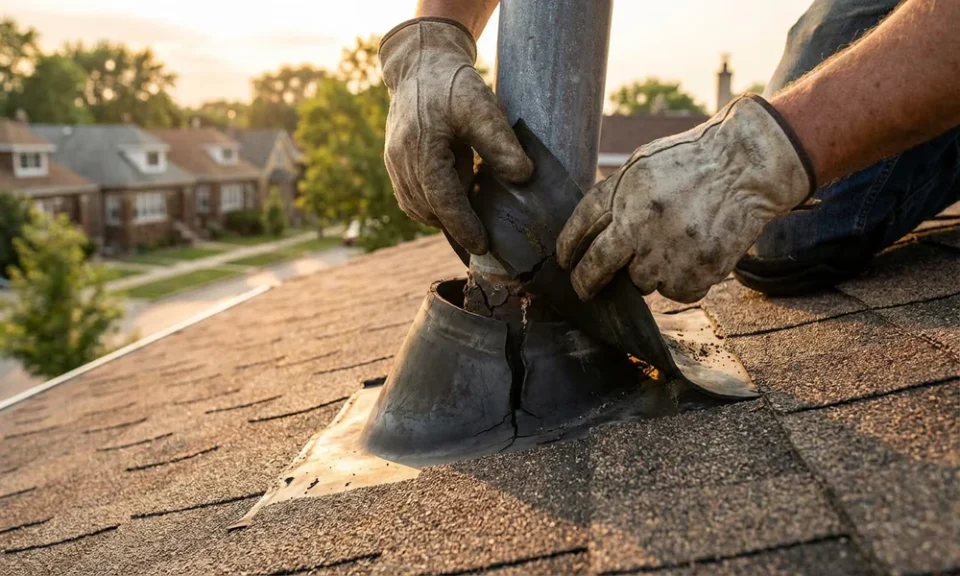
Shingles can change shape long before a roof starts leaking inside the home. Curled edges, surface cracks, and loose tabs often point to heat, moisture, aging, storm exposure, or installation problems. Understanding what causes those changes helps homeowners decide whether focused repairs or broader roof replacement deserves consideration.
Years of Sunlight Slowly Dry Out Asphalt Shingles
Daily sun exposure heats the asphalt inside each shingle and gradually removes the oils that keep it flexible. Once the material dries, edges may curl upward, corners can become brittle, and the surface may crack during normal temperature changes. South- and west-facing slopes often show this wear sooner because they receive stronger afternoon sunlight.
Prolonged heat also weakens the adhesive strip that helps shingles remain flat against one another. A roof company may find that shaded sections still hold firmly while exposed slopes have already started lifting. That uneven aging explains why contractors assess each roof plane separately rather than judging the entire system from one area.
Poor Attic Ventilation Can Age a Roof From Below
Trapped attic heat raises the temperature of the roof deck and shingles above it. During warm months, that added heat can keep roofing materials hot long after the outdoor air begins cooling, which speeds up asphalt deterioration and encourages curling.
Moisture creates another concern when warm indoor air collects in an under-ventilated attic. Condensation may form on decking, nails, and rafters, weakening the roof from beneath. Experienced Huntsville roofers check soffit intake, ridge exhaust, insulation placement, and blocked vents before assuming surface damage comes only from outdoor weather.
Temperature Swings Put Repeated Stress on Shingle Edges
Rapid changes between daytime heat and cooler nighttime temperatures cause roofing materials to expand and contract. That movement happens slowly, but thousands of cycles can weaken shingle edges, loosen fasteners, and break adhesive bonds.
Seasonal shifts increase the strain because asphalt becomes softer in high heat and less flexible during cold conditions. Homeowners searching for roofing near me may notice curled tabs after winter or cracked surfaces following a hot summer. Those changes often reflect years of movement rather than one isolated weather event.
Incorrect Fastening Can Leave Shingles Loose or Distorted
Nails placed too high, too low, or outside the designated fastening zone may fail to hold the shingle securely. Overdriven nails can cut into the material, while underdriven nails may keep the shingle from lying flat.
Uneven fastening also creates tension across the roof surface. Wind can lift poorly secured tabs, breaking the seal and forming creases near the nail line. A qualified roof repair company checks placement, depth, spacing, and deck condition before deciding whether damaged shingles can be reset or need replacement.
Moisture Beneath the Roofing Can Change Shingle Shape
Water does not need to create an indoor drip to affect shingles. Moisture trapped beneath the surface can swell decking, lift nearby materials, and prevent shingles from resting evenly across the roof.
Hidden dampness may come from failed flashing, a damaged vent boot, condensation, or an older leak that never fully dried. Skilled Huntsville roof repair often includes attic checks and moisture readings because replacing visible shingles alone will not solve movement caused by wet materials below.
Strong Wind Can Break Adhesive Seals Without Removing Shingles
Wind damage is not always obvious from the yard. A gust may lift a tab high enough to break its factory seal, then let it settle back into place without tearing it away.
Repeated lifting makes the shingle more likely to crack, crease, or detach during later storms. Contractors examining searches for roof repair near me often focus on roof edges, ridges, corners, and open slopes where wind pressure tends to be stronger. Early repairs can prevent one loose section from affecting neighboring materials.
Manufacturing Quality and Installation Conditions Matter
Shingles vary in thickness, composition, reinforcement, and resistance to heat or wind. Lower-quality materials may lose flexibility sooner, especially when installed on a roof with strong sun exposure or poor ventilation.
Weather during installation also affects adhesion. Cold temperatures, dusty surfaces, and damp conditions can keep seal strips from bonding correctly. Reliable Huntsville roofers consider product requirements, roof pitch, and installation history before determining whether loose shingles failed because of aging, workmanship, or material performance.
Repair or Replacement Depends on How Much Damage Exists
Localized curling, isolated cracks, or a few loose tabs may respond well to targeted repair when the surrounding shingles remain flexible and the deck stays sound. Contractors can replace damaged pieces, correct flashing, improve ventilation, or secure loose materials without disturbing healthy roof sections.
Widespread brittleness, repeated adhesion failure, heavy granule loss, and cracking across several slopes may make roof replacement more practical than continued patching. Fleming Roofing evaluates the full roofing system before recommending either option, helping homeowners understand whether focused Huntsville roof repair can restore dependable performance or whether broader replacement offers better long-term protection.
