
The Most Efficient Technologies for Eco-Friendly HVAC Systems
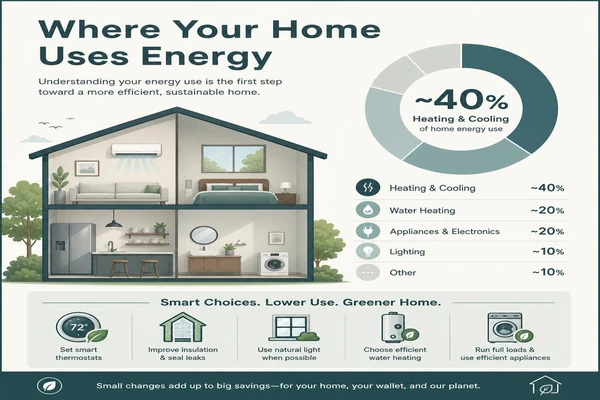
Where sustainability is increasingly vital, our homes play a big role. Did you know that traditional heating and cooling systems are responsible for roughly 40% of a home’s total energy consumption? That’s a significant portion of our carbon footprint and monthly utility bills. As we look towards June 2026 and beyond, finding smarter, greener ways to keep our homes comfortable is no longer just an option-it’s a necessity.
This guide will explore the exciting world of eco-friendly HVAC. We will dive into the most efficient systems available, like geothermal and air-source heat pumps, and explain how they work. We’ll also cover crucial energy efficiency ratings, discuss upfront costs versus long-term savings, and highlight the government incentives that can make these upgrades more affordable. For more general information on these innovative solutions, you might explore resources like Green Comfort eco-friendly HVAC.
Join us as we uncover how sustainable heating and cooling can benefit both your wallet and the planet.
The core principle behind eco-friendly HVAC systems is not to generate heat or cold through burning fossil fuels, but rather to transfer existing thermal energy from one place to another. This fundamental shift significantly reduces energy consumption and, consequently, carbon emissions. By leveraging natural processes and advanced technology, these systems offer superior comfort with a dramatically smaller environmental footprint. The market for sustainable mechanical services is growing rapidly, reflecting a collective move towards more responsible energy use.
To help illustrate the differences between the leading eco-friendly HVAC technologies, we’ve prepared a comparison table:
System Type Primary Mechanism Efficiency Range Environmental Impact Key Benefits Geothermal Heat Pumps Earth’s stable temperature 300% – 500% Very low carbon footprint Highest efficiency, longest lifespan, quiet Air-Source Heat Pumps Air-to-air heat transfer 300% – 400% Low carbon footprint Versatile, dual heating/cooling, increasingly cold-climate capable Ductless Mini-Split Systems Air-to-air heat transfer 300% – 400% Low carbon footprint Zoned comfort, no ducts, easy installation in additions Geothermal Heat Pumps: Tapping Earth’s Constant Temperature
Geothermal heat pumps stand out as perhaps the most eco-friendly HVAC system available today. Their ingenious design harnesses the Earth’s stable underground temperature, which remains constant regardless of surface weather conditions. This is achieved through a network of underground pipes, known as ground loops, filled with a circulating fluid. In winter, the fluid absorbs heat from the Earth and carries it indoors; in summer, it extracts heat from the indoor air and transfers it back into the cooler ground.
This process of heat exchange, rather than heat generation, allows geothermal systems to achieve astounding efficiency rates, typically ranging from 300% to 500%. This means they can produce three to five times more energy than they consume. Beyond their exceptional energy performance, geothermal systems boast an impressive lifespan. While the indoor components might need replacement after 20-25 years, the underground loops can last for 50 years or even longer, offering unparalleled durability and a long-term return on investment. Homeowners utilizing geothermal energy can see their energy bills reduced by 30% to 60%, making them a truly sustainable and cost-effective choice.
Air-Source Heat Pumps: Versatile Eco-Friendly HVAC Performance
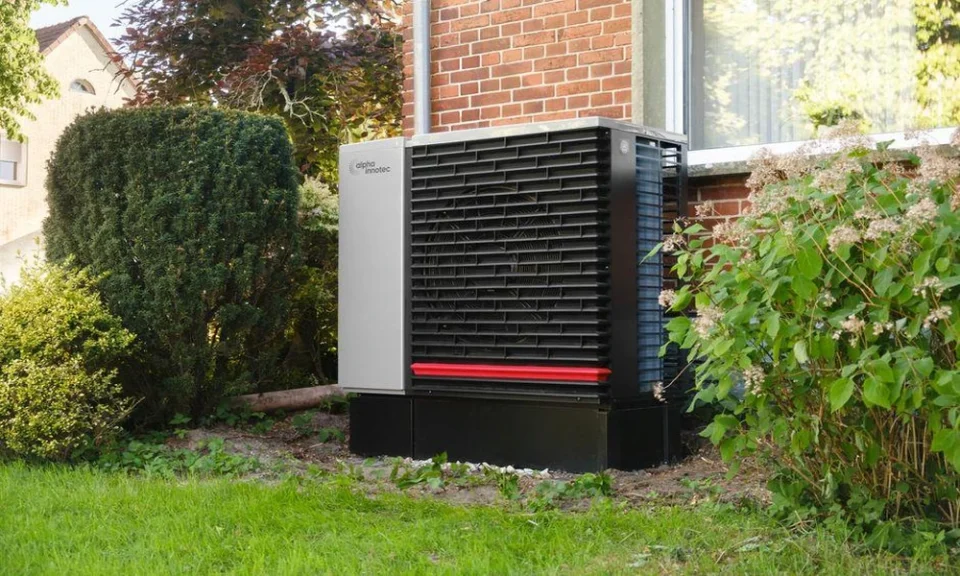
Air-source heat pumps are another highly efficient and increasingly popular choice for eco-conscious homeowners. Similar to geothermal systems, they operate by transferring heat. In the colder months, they extract heat from the outside air, even when temperatures are low, and transfer it inside. During warmer months, the process reverses, removing heat from your home and releasing it outdoors.
Modern air-source heat pumps, particularly those equipped with variable-speed inverter technology, offer remarkable efficiency. This technology allows the compressor to adjust its speed and output precisely to meet the home’s heating or cooling demands, avoiding the energy waste associated with traditional on/off systems. This results in efficiencies often ranging from 300% to 400%, significantly reducing energy consumption compared to conventional furnaces and air conditioners. In fact, upgrading to a modern heat pump can cut energy costs by up to 50%, potentially saving as much as $1000 annually on heating and cooling expenses. Many contemporary models are designed for robust cold-climate heating, providing substantial heating capacity even when outdoor temperatures dip well below freezing. For example, some advanced heat pump split systems, like the ACiQ 3.5 Ton Heat Pump Split System, are engineered to maintain high heating output even at -22°F, offering a viable all-electric heating solution in many regions.
Ductless Mini-Split Systems: Zoned Eco-Friendly HVAC Comfort
Ductless mini-split systems are a specialized type of air-source heat pump that provides highly efficient heating and cooling without the need for extensive ductwork. This makes them an excellent solution for additions, converted spaces, or older homes where installing traditional ducts would be impractical or too costly.
Mini-splits consist of an outdoor compressor/condenser unit connected to one or more indoor air-handling units. Each indoor unit can be controlled independently, allowing for “zoned” heating and cooling. This means you can maintain different temperatures in different rooms, heating or cooling only the spaces you are using, which can lead to substantial energy savings. Like their ducted counterparts, mini-splits utilize inverter technology to precisely regulate temperature and minimize energy waste. They offer the same high efficiency rates as other heat pumps and are known for their quiet operation and ability to improve indoor comfort. If you’re considering this flexible option for your home, exploring resources on Mini Split for Home can provide valuable insights into their benefits and applications.
Understanding Energy Efficiency Ratings and Certifications
When investing in a new HVAC system, understanding energy efficiency ratings is paramount. These ratings provide a standardized way to compare different models and predict their operational costs and environmental impact. Looking for systems with high ratings and certifications like ENERGY STAR ensures you’re choosing equipment designed for optimal performance and energy savings.
Cooling and Heating Metrics Explained
Several key metrics help homeowners evaluate the efficiency of eco-friendly HVAC systems:
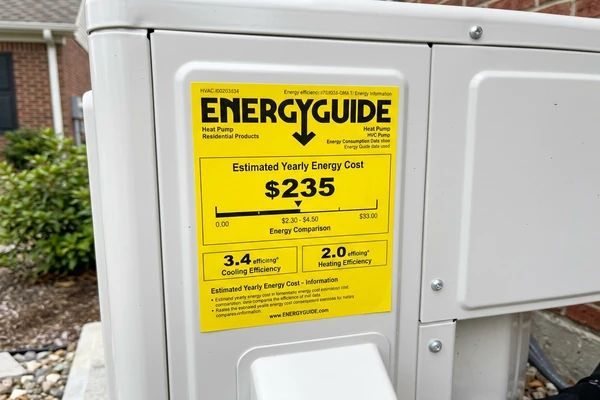
- SEER2 (Seasonal Energy Efficiency Ratio 2): This rating measures the cooling efficiency of air conditioners and heat pumps. A higher SEER2 value indicates greater efficiency, meaning the unit uses less electricity to cool your home over an entire cooling season. As of January 2023, minimum SEER2 ratings were updated, reflecting a push for even more efficient equipment.
- HSPF2 (Heating Seasonal Performance Factor 2): Specific to heat pumps, HSPF2 measures heating efficiency over an entire heating season. A higher HSPF2 rating signifies that the heat pump is more efficient at providing warmth, especially in varying outdoor temperatures.
- AFUE (Annual Fuel Utilization Efficiency): This rating applies to furnaces and boilers, indicating how efficiently they convert fuel (natural gas, propane, or oil) into usable heat over a year. An AFUE of 90% means that 90% of the fuel’s energy is converted into heat for your home, with only 10% lost through the chimney or exhaust. High-efficiency furnaces typically boast AFUE ratings between 90% and 98%.
- ENERGY STAR: This is a widely recognized government-backed symbol for energy efficiency. Products earning the ENERGY STAR label meet strict energy efficiency guidelines set by the U.S. Environmental Protection Agency (EPA) and the U.S. Department of Energy (DOE). Choosing ENERGY STAR certified HVAC equipment ensures that your system will consume less energy, reduce greenhouse gas emissions, and save you money on utility bills.
By prioritizing systems with strong SEER2, HSPF2, and AFUE ratings, and looking for the ENERGY STAR certification, you can confidently select an eco-friendly HVAC system that delivers both comfort and significant long-term savings.
Financial Considerations: Upfront Costs, Long-Term Savings, and Incentives
While the initial investment for eco-friendly HVAC systems can sometimes be higher than traditional alternatives, it’s crucial to consider the long-term financial benefits. The upfront costs for energy-efficient HVAC systems can range from $13,000 to $30,000, depending on the type of system, its capacity, and installation complexities. However, these systems are designed to deliver substantial savings on monthly utility bills, often reducing them by 20% to 40%. This creates a compelling payback period where the energy savings eventually offset the initial investment. Over the lifespan of the system, these savings can amount to tens of thousands of dollars. For homeowners exploring how to manage these investments, understanding available Financing Options can be a crucial step in making sustainable upgrades accessible.
Moreover, homes equipped with green certifications or energy-efficient systems often command higher resale values, selling for 5% to 15% more than comparable properties. This increased home value adds another layer of financial benefit to eco-friendly HVAC upgrades.
Government Rebates and Tax Credits
The landscape of government incentives, rebates, and tax credits for eco-friendly HVAC upgrades is continuously evolving, especially as we move further into 2026. These programs are designed to encourage homeowners to adopt more sustainable technologies by significantly offsetting the initial purchase and installation costs.
The Inflation Reduction Act (IRA), enacted in 2022, introduced a suite of robust tax credits and rebates for energy-efficient home improvements, including HVAC systems. For instance, homeowners can often claim a tax credit for a percentage of the cost of eligible high-efficiency heat pumps, central air conditioners, and furnaces. Specific rebate programs, often administered at the state or local level, may also be available for purchasing and installing ENERGY STAR certified equipment. These incentives can change, so it’s always advisable to consult with a qualified HVAC professional or local energy agency to identify all applicable programs in your area. These financial aids make the transition to a greener, more cost-effective home comfort system more attainable for many households.
Optimizing Performance, Indoor Air Quality, and Smart Controls
Beyond energy efficiency, eco-friendly HVAC systems offer significant improvements in indoor air quality (IAQ) and overall home comfort. Integrating smart technology further enhances their performance, allowing for precise control and optimized energy use.

Smart thermostats, for example, are a cornerstone of modern eco-friendly HVAC. These devices learn your preferences, can be controlled remotely via smartphone apps, and integrate with home automation systems. They allow for precise scheduling, occupancy sensing, and even weather-aware adjustments, ensuring your system runs only when needed and at optimal settings. This intelligent control can lead to additional energy savings of 10% to 30%.
Eco-friendly HVAC systems also play a crucial role in enhancing indoor air quality. Many high-efficiency systems incorporate advanced filtration, capable of capturing up to 99% of dust, allergens, and pollutants. Heat pumps, by design, also offer superior humidity control compared to traditional AC units, which helps prevent mold and mildew growth. Furthermore, incorporating dedicated ventilation solutions, such as Heat Recovery Ventilators (HRVs) or Energy Recovery Ventilators (ERVs), ensures a continuous supply of fresh, filtered outdoor air while minimizing energy loss. A product like the Breezy Eco HRV Unit exemplifies how advanced ventilation technology can improve indoor air quality with high heat recovery efficiency and smart controls.
Essential Maintenance for Green HVAC Systems
To maximize the efficiency, lifespan, and environmental benefits of your eco-friendly HVAC system, regular and diligent maintenance is indispensable. Neglecting maintenance can lead to decreased efficiency, higher energy bills, and premature system failure.
Key maintenance practices include:
- Regular Filter Replacement: This is perhaps the simplest yet most crucial task. Clogged filters restrict airflow, forcing your system to work harder and consume more energy. Replacing or cleaning filters every 1-3 months, depending on usage and household conditions, ensures optimal airflow and air quality.
- Professional Tune-Ups: Schedule annual professional inspections and tune-ups. A certified technician will clean coils, check refrigerant levels, inspect electrical components, lubricate moving parts, and identify any potential issues before they become costly problems. For specific guidance on maintaining your heat pump, consulting resources like a Heat Pump Tune Up guide can be very helpful. Similarly, for specialized systems like mini-splits, seeking out expert Mini Split Tune-Up Services ensures that these advanced units continue to operate at peak efficiency. These routine checks are vital for ensuring your system remains up to 30% more efficient than a poorly maintained one.
Industry Evolution and Local Service Impacts
The growing demand for sustainable solutions is transforming the HVAC industry, leading to significant market growth and consolidation. This evolution is particularly evident in local service markets, where companies are expanding their capabilities to meet the demand for energy-efficient mechanical services.
A notable example of this trend is the recent acquisition of Ecofriendly Mechanical by Harrell-Fish in Bloomington, Indiana, which occurred in late 2025. Ecofriendly Mechanical had served the Bloomington community for over four decades, establishing a strong reputation for sustainable HVAC practices. Harrell-Fish, founded in 1985, is a well-established provider of HVAC and plumbing services, particularly for healthcare, higher education, and government facilities. This acquisition highlights a broader industry movement: combining operational scale with specialized energy efficiency focus. Such mergers aim to enhance sustainable HVAC and plumbing capabilities, reinforcing a commitment to both local communities and broader environmental goals. The integration of specialized local providers into larger, more comprehensive service networks ensures that expertise in eco-friendly systems remains accessible to homeowners and businesses alike. Services like those offered by local HVAC providers, such as those found in HVAC Services Catonsville, demonstrate the widespread availability of professional support for installing and maintaining these advanced systems.
Frequently Asked Questions About Sustainable Heating and Cooling
Homeowners often have specific questions when considering the transition to eco-friendly HVAC systems. Addressing these common concerns can help clarify the benefits and practicalities of these advanced technologies, from initial assessment to long-term performance.
How do I determine the right size HVAC system for my home?
Proper sizing is critical for any HVAC system, but especially for high-efficiency eco-friendly units. An oversized system will cycle on and off too frequently (short-cycling), leading to inefficient operation, poor humidity control, and increased wear and tear. An undersized system, conversely, will struggle to maintain comfortable temperatures, particularly during peak demand.
Determining the right size requires a professional “load calculation” (often referred to as Manual J). This goes beyond simply looking at square footage. A qualified HVAC technician will assess numerous factors, including:
- Home’s Square Footage and Layout: The total area to be heated and cooled.
- Insulation Levels: Wall, ceiling, and floor insulation R-values significantly impact heat loss and gain.
- Window and Door Efficiency: Type, number, and orientation of windows and doors.
- Climate Zone: Local temperature extremes and humidity levels.
- Occupancy: The number of people living in the home.
- Heat-Generating Appliances: Major appliances contribute to the internal heat load.
- Ductwork Condition: For ducted systems, the integrity of the ductwork is crucial.
- Home Orientation: How the home faces the sun affects solar gain.
A thorough load calculation ensures the system is perfectly matched to your home’s unique energy demands, maximizing efficiency and comfort.
Can eco-friendly HVAC systems improve indoor air quality?
Absolutely. Many eco-friendly HVAC systems are designed with indoor air quality (IAQ) as a priority. While traditional systems primarily focus on temperature control, modern green HVAC solutions contribute to healthier indoor environments in several ways:
- Enhanced Filtration: High-efficiency systems often incorporate advanced air filters with higher MERV (Minimum Efficiency Reporting Value) ratings, capable of trapping smaller particles like pollen, dust mites, pet dander, mold spores, and even some bacteria and viruses.
- Humidity Control: Heat pumps, in particular, are excellent at managing indoor humidity levels, which is crucial for comfort and preventing the growth of mold and mildew. Some systems also integrate dedicated dehumidifiers.
- Balanced Ventilation: As mentioned earlier, incorporating HRVs or ERVs with your eco-friendly HVAC system ensures a continuous exchange of stale indoor air with fresh, filtered outdoor air. This dilutes indoor pollutants, volatile organic compounds (VOCs), and carbon dioxide.
- Reduced Combustion Byproducts: By moving away from fossil fuel combustion (as with heat pumps and geothermal), eco-friendly systems eliminate the risk of carbon monoxide leaks and other combustion byproducts that can negatively impact IAQ.
For more detailed information on maintaining healthy indoor environments, especially regarding air quality, resources like Forest Hill Air Quality can offer valuable insights.
What is the lifespan of a geothermal HVAC system compared to traditional units?
The lifespan of an HVAC system is a significant factor in its overall cost-effectiveness and environmental impact. Geothermal HVAC systems boast an exceptionally long operational life, far exceeding that of conventional heating and cooling equipment.
- Geothermal Systems: The underground loop field, which is the most expensive component, can last for 50 years or even more, often with warranties extending for decades. The indoor components (heat pump unit) typically have a lifespan of 20-25 years, which is still longer than many traditional systems. This remarkable durability contributes significantly to their long-term cost-effectiveness and reduces waste.
- Traditional Units: Conventional furnaces and air conditioners generally have a lifespan of 10-15 years, sometimes stretching to 20 years with diligent maintenance.
The extended lifespan of geothermal systems means fewer replacements, less material waste, and more consistent energy savings over a longer period, solidifying their position as a truly sustainable and economically sound investment.
Conclusion
As we navigate the challenges and opportunities of June 2026 and beyond, embracing eco-friendly HVAC solutions is a powerful step towards a sustainable future. From the remarkable efficiencies of geothermal and air-source heat pumps to the flexible comfort of ductless mini-splits, these technologies offer compelling benefits for both our planet and our wallets.
By understanding efficiency ratings, leveraging government incentives, and committing to proper maintenance, homeowners can significantly reduce their energy consumption, lower utility bills, enhance indoor air quality, and contribute to a healthier environment. The journey to a greener home is an investment in comfort, savings, and environmental stewardship.
