
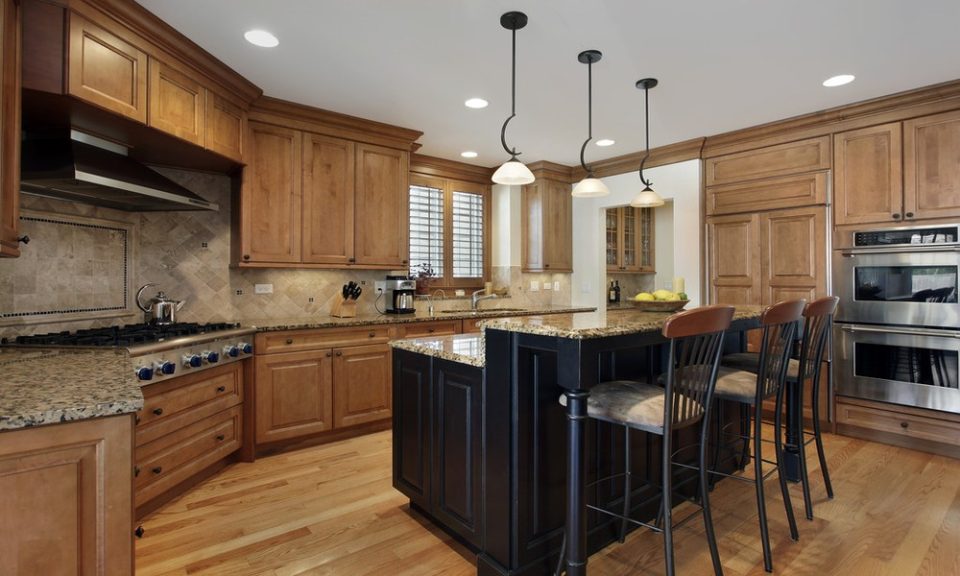
Kitchen cabinet installation is one of the most important parts of a kitchen remodeling project. Cabinets provide storage, improve organization, and play a major role in the overall appearance of the kitchen. Properly installed cabinets also create the foundation for countertops, backsplashes, and appliances.
Although cabinet installation may look simple, the process requires careful planning, accurate measurements, and attention to detail. Professional installers follow several important steps to ensure the cabinets are level, secure, and functional for long-term daily use.
Understanding how kitchen cabinet installation works can help homeowners better prepare for a renovation project and know what to expect during the process.
Measuring and Planning the Kitchen
The first step in Kitchen Cabinet Installation is to measure and plan the kitchen layout. All walls, ceilings, windows, doorways, plumbing lines, spaces for appliances, etc. are carefully measured by the contractors to ensure a proper fit of the cabinets.
This is the time when homeowners select cabinet styles, colors, materials, hardware and storage options. The kitchen layout ensures that there is ample room for storage and that the space is used efficiently, while also providing a comfortable and functional environment.
It is crucial to have accurate measurements as any mistakes will be causing alignment issues later in installation. Correct planning also guarantees that there are no appliance spacing and countertop placement problems.
Removing Existing Cabinets
When the kitchen is being remodeled, the old cabinets will need to be taken off before the new cabinets can be installed. Plumbing fixtures, appliances and electrical components that could interfere with the removal of the cabinets are carefully disconnected and detached.
Existing cabinets will then be unhooked and taken out of the kitchen. Installers also may check the walls and floors for water damage, mould growth or structural problems that need repairs during the process.
Old cabinets are also removed to provide a clean work area for contractors to prepare for the new cabinet.
Preparing the Walls and Floors
The walls and floors should be leveled and stabilized prior to putting in new cabinets. Asymmetrical walls or floor can cause alignment issues with cabinets and make installation of counter tops difficult.
Installers can use shims or make adjustments so that the surfaces are level. This is particularly significant because cabinets need to be level for a lot of reasons, such as in order to give counter tops the support that they require, and for doors and drawers to work.
Typically, any plumbing or electrical rough-in work is done prior to the installation of cabinets.
Installing Upper Cabinets
Work on upper cabinets will usually be done first. Installing wall cabinets prior to base cabinets allows the installer easier access to the wall space and the danger of damage to lower cabinets during installation is mitigated.
The contractors lay out level guidelines on the walls and then take great care to install the cabinets with heavy-duty screws in the wall studs. Before attaching cabinets to another, each cabinet is inspected to see if it is straight and level.
Upper cabinets need to be tightly secured as they are used to store dishes, glassware, and other heavy items in the kitchen. Click here for reference.
Installing Base Cabinets
Contractors install the upper cabinets before they install the base cabinets. Base cabinets are particularly significant as they have to sustain counter tops, sinks and apparatuses.
Typically, the installers start in one corner or area along the main wall. When a flooring surface is not flat, cabinets are leveled with attention to detail using shims when needed.
When they’re lined up correctly, the cabinets are then fixed to the walls and linked to one another to help keep them steady. Sink cabinets and openings for appliances are given special consideration to allow adequate space and plumbing access.
Adding Trim, Doors, and Hardware
After the cabinet boxes are in place, finishing details are added on. This covers trim pieces, filler panels, crown molding, cabinet doors, drawers, handles and knobs.
Trim and molding will help to add a finished look and fill gaps, which create smooth transitions between cabinets and walls.
Adjust cabinet doors and drawers for proper opening and closing. It is possible for the installer to perform some minor adjustments at this time to enhance the appearance and function of the installation.

The finishing touches make the kitchen appear clean and professional.
Final Inspection and Preparation for Countertops
Once they have been installed, contractors conduct a final inspection of the cabinets. They ensure all is level, secure and working correctly.
It is particularly critical to align the cabinets before they are installed in place. Any leveling problems, no matter how small, can cause problems with the countertop fit and appearance.
Installers also verify the appliance spaces, sink openings and drawer clearances, prior to the next phase of the kitchen remodel. Go to this site to learn more.
Conclusion
Kitchen cabinet installation involves much more than simply attaching cabinets to walls. From measuring and planning to leveling, securing, and adding finishing touches, each step plays an important role in creating a functional and attractive kitchen.
Professional cabinet installation helps ensure long-lasting durability, proper alignment, and smooth operation for years to come. By understanding the installation process, homeowners can feel more prepared and confident when beginning a kitchen remodeling project.
