
Maintaining Home Infrastructure with Professional PlumbingModern Water Heating Solutions for Brentwood Residences
When considering affordable water heaters in Brentwood, CA, understanding the available types is the first step toward making an informed decision. The market primarily offers two distinct categories: traditional storage tank water heaters and modern tankless (on-demand) systems. Each has unique characteristics that influence initial cost, energy consumption, and long-term value for Brentwood homeowners.
Comparing Traditional Storage Tanks and Tankless Systems
Traditional storage tank water heaters are perhaps the most recognizable. These units store a pre-set volume of water, typically ranging from 30 to 80 gallons, and continuously heat it to a desired temperature. This approach ensures a ready supply of hot water, but it comes with a trade-off: standby heat loss. Even when hot water isn’t being used, the heater expends energy to maintain the tank’s temperature. While generally more affordable upfront, this continuous heating contributes to higher energy bills over time. Traditional storage tank water heaters typically last 10 to 15 years, offering a reliable, consistent supply until the tank is depleted.
In contrast, tankless water heaters represent a significant leap in efficiency. These compact units heat water only when a hot water tap is opened, eliminating standby heat loss entirely. This on-demand heating can lead to substantial energy savings, potentially hundreds of dollars each year on heating bills, as water heating accounts for a considerable portion of a home’s energy use-estimated by the U.S. Department of Energy (DOE) to be around 18-20 percent. While the initial investment for a tankless system is typically higher, their energy efficiency and longer lifespan (a well-maintained tankless unit can last 20 years or longer) often make them the more cost-effective option in the long run. Their compact size also frees up valuable floor space, a benefit many Brentwood residents appreciate.
Feature Traditional Storage Tank Water Heater Tankless Water Heater Hot Water Supply Limited by tank capacity; can run out Endless supply; heats on demand Energy Efficiency Lower due to standby heat loss High; heats only when needed, no standby loss Lifespan 10-15 years 20+ years with proper maintenance Upfront Cost Generally lower Generally higher Operating Cost Higher due to continuous heating Lower due to energy efficiency Space Requirement Requires significant floor space for the tank Compact, often wall-mounted, saves space Installation Simpler, often direct replacement More complex, may require gas line or electrical upgrades Best For Homes with lower upfront budget, consistent hot water use Homes prioritizing long-term savings, continuous hot water Sizing and Performance Metrics for Hot Water Demand
Choosing the right size water heater is critical for both performance and cost-effectiveness in Brentwood homes. An undersized unit will leave you without enough hot water, while an oversized one wastes energy and money.
For traditional storage tank water heaters, the key metric is the First-Hour Rating (FHR). This indicates the number of gallons of hot water the heater can deliver in an hour, starting with a full tank. To determine the appropriate FHR, we consider your household’s peak hot water usage-the maximum amount of hot water likely to be used during the busiest hour of the day (e.g., morning showers, dishwasher, laundry running simultaneously). The EnergyGuide label on each unit provides this crucial information.
For tankless water heaters, sizing revolves around Gallons Per Minute (GPM). This measures how much hot water the unit can produce continuously. To size a tankless system correctly, we assess the total GPM needed for all hot water appliances that might run simultaneously. For example, a typical shower uses about 2 gallons per minute, while a front-loading washing machine might use 10 gallons per load. A larger family with multiple bathrooms will require a tankless water heater with a higher GPM to ensure sufficient hot water during simultaneous demand. It’s also worth noting that newer, more energy-efficient models, both tank and tankless, might have slightly different physical dimensions than older units due to increased insulation or advanced components, so measuring your available space is always a good practice.
The Role of Professional Drain Clearing in Home Longevity
Beyond water heaters, the health of your home’s entire plumbing system significantly impacts its longevity and your overall comfort. In Brentwood, Oakley, and Antioch, proactive maintenance, particularly professional drain clearing, plays a vital role in sustaining home infrastructure. Blocked drains are more than just an inconvenience; they can lead to serious, costly damage if left unaddressed. We understand that maintaining system hygiene and pipe integrity is paramount to preventing these issues.
Advanced Techniques for Effective Drain Clearing
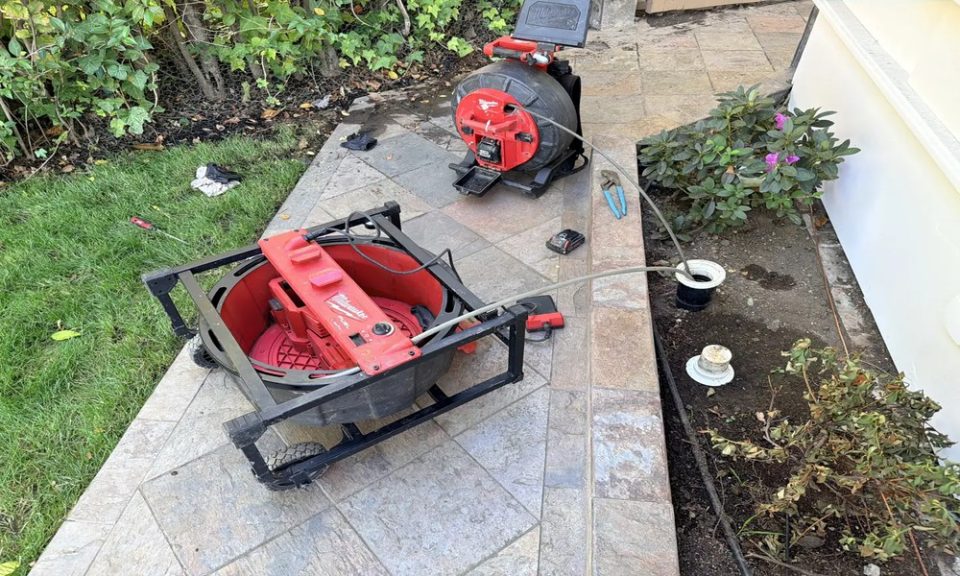
While a plunger or chemical cleaner might offer a temporary fix, professional drain clearing utilizes advanced techniques for thorough and lasting results. One of the most effective methods is hydro jetting. This process involves using high-pressure water jets to scour the inside of pipes, effectively removing years of accumulated grease, mineral buildup, sediment, and even stubborn tree root intrusion. Unlike traditional snaking, which often just pokes a hole through a clog, hydro jetting provides a complete cleaning, restoring pipes to their optimal flow capacity. Our approach to Brentwood drain clearing and water heaters emphasizes preventative maintenance, ensuring your entire plumbing system, from the main sewer line to individual drains, operates efficiently. Regular professional inspection and pipe descaling can prevent future clogs and extend the life of your plumbing system.
Preventing Structural Damage Through Regular Drain Clearing
The consequences of neglected drains can extend far beyond slow water flow. Persistent clogs can lead to increased water pressure within pipes, potentially causing leaks, pipe corrosion, and even burst pipes. Water leaks, especially those hidden behind walls or under floors, can cause significant structural damage to your home’s foundation, framing, and finishes, leading to expensive repairs. By investing in regular drain clearing, we help prevent these issues, safeguarding your property value and avoiding emergency plumbing situations. This preventative measure ensures long-term reliability for your plumbing system and peace of mind for your family.
Enhancing Water Quality and System Efficiency
The quality of water flowing through your home in Brentwood and Discovery Bay can significantly impact both your plumbing system’s efficiency and your family’s health. Hard water, characterized by high mineral content, is a common issue that affects everything from your water heater’s performance to the longevity of your pipes and appliances.
Impact of Hard Water on Plumbing Infrastructure
Hard water is a silent saboteur of plumbing infrastructure. The minerals, primarily calcium and magnesium, present in hard water, lead to scale accumulation inside pipes and appliances. This scale acts as an insulating layer within your water heater, forcing it to work harder and consume more energy to heat water, reducing its overall efficiency. Over time, this mineral buildup can reduce pipe diameter, restrict water flow, and even clog fixtures. In traditional water heaters, sediment buildup can also cover the anode rod, preventing it from doing its job of protecting the tank from corrosion and shortening the unit’s lifespan. Regular tank flushing can help mitigate some of these issues, but the continuous exposure to hard water accelerates component wear and can lead to premature system failure, ultimately increasing the long-term cost of your affordable water heater.
Whole-Home Filtration and Reverse Osmosis
To combat the adverse effects of hard water and improve overall water quality, many Brentwood residents turn to water filtration systems. Whole-home filtration systems, such as those utilizing SpringWell technology, tackle impurities at the point of entry, ensuring clean water throughout your entire house. These systems can effectively remove chlorine, sediment, and other chemicals, leading to better-tasting water, improved skin and hair health, and extended appliance life.
For even purer drinking water, reverse osmosis (RO) systems offer an advanced solution. These point-of-use systems remove a much broader range of contaminants, including dissolved solids, heavy metals, and microscopic impurities, providing amazingly tasty, healthy water directly from your tap. Investing in water softeners or whole-home filtration not only enhances your daily living experience but also protects your plumbing infrastructure, contributing to the long-term affordability and efficiency of your water heating system.
Essential Safety Standards for California Plumbing
In California, especially in seismic zones like Contra Costa County, plumbing safety standards are particularly stringent. When dealing with water heaters, especially gas models, adherence to these protocols is not just about compliance; it’s about safeguarding your home and family. We prioritize these essential safety measures, ensuring that every installation and repair meets or exceeds local regulations.
Seismic Strapping and Earthquake Shut-off Valves
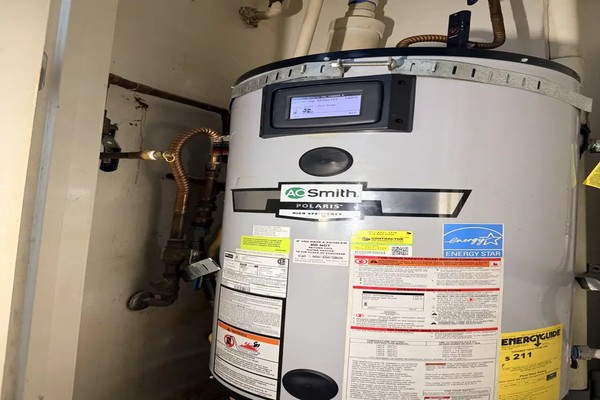
Given California’s seismic activity, earthquake safety is a critical consideration for water heaters. State regulations mandate that water heaters be secured with seismic strapping to prevent them from toppling over during an earthquake. A falling water heater can rupture gas lines, water pipes, and electrical connections, leading to severe hazards like gas leaks, flooding, or electrical fires. Furthermore, many homes in Brentwood benefit from automatic earthquake shut-off valves on their gas lines. These devices are designed to detect seismic activity and automatically cut off the gas supply to the home, significantly reducing the risk of gas leaks and explosions during an earthquake. Regular safety inspections ensure these vital components are properly installed and functioning.
Gas Line Integrity and Ventilation
For gas water heaters, maintaining gas line integrity and proper ventilation is paramount for preventing dangerous situations. We meticulously inspect gas lines for leaks and ensure that the burner assembly and pilot light (or electronic ignition) are functioning correctly. A critical safety component is the Temperature and Pressure (T&P) relief valve, which prevents excessive pressure buildup in the tank, averting potential explosions.
Proper ventilation is essential for gas-fired appliances to safely expel combustion byproducts, including carbon monoxide (CO). A blocked or improperly installed vent pipe can lead to the accumulation of this odorless, colorless, and highly toxic gas inside your home. We emphasize the importance of having working carbon monoxide detectors installed in your home and conducting regular professional maintenance to inspect vent pipes, burner assemblies, and the thermocouple (which senses pilot light presence) to ensure safe and efficient operation. Your family’s safety is our highest priority.
Frequently Asked Questions about Home Plumbing Maintenance
Homeowners in Brentwood often have questions about maintaining their plumbing systems, especially concerning water heaters. Here, we address some of the most common inquiries to help you make informed decisions.
When should a water heater be replaced instead of repaired?
Deciding whether to repair or replace a water heater is a common dilemma for homeowners seeking affordable solutions. Generally, we recommend considering replacement when a water heater has exceeded its typical lifespan. Traditional storage tank water heaters usually last 10 to 15 years. If your unit is approaching or has passed the 10-year mark, and you’re experiencing frequent repairs or a decline in performance, replacement is usually the more cost-effective solution. As a general rule, if a system has exceeded this time frame, it’s usually not worth it to repair it.
Key indicators for replacement include:
- Age: Units over 10 years old.
- Tank Leaks: Any sign of water pooling around the base of the unit, as a leaking tank almost always necessitates replacement.
- Frequent Repairs: If you’re consistently calling for repairs, the cumulative cost can quickly outweigh the investment in a new, more efficient unit.
- Reduced Performance: Running out of hot water quickly, inconsistent water temperature, or strange noises coming from the tank can signal internal issues that are costly to fix.
- Energy Efficiency: Older models are significantly less efficient. Upgrading to a modern, energy-efficient model can lead to substantial long-term savings on utility bills.
What are the benefits of tankless water heaters in smaller homes?
Tankless water heaters offer significant advantages, particularly for smaller homes or those with limited space in Brentwood. Their compact design allows them to be wall-mounted, freeing up valuable floor space that a traditional tank would occupy. Beyond space-saving, the primary benefits include:
- Endless Hot Water: Tankless units heat water on demand, meaning you’ll never run out of hot water, even during peak usage times. This is a major convenience for families.
- Energy Savings: By eliminating standby heat loss, tankless water heaters are much more energy-efficient, leading to reduced utility bills and significant long-term savings.
- Longer Lifespan: With proper maintenance, tankless units can last 20 years or more, outlasting traditional tanks by a significant margin.
- Reduced Risk of Leaks: Without a large tank of stored water, the risk of a catastrophic tank leak and subsequent water damage is substantially lower.
While the upfront cost might be higher, the long-term energy savings and extended lifespan make tankless water heaters an excellent, affordable choice over time for many Brentwood residents.
How does professional hydro jetting differ from standard snaking?
When addressing stubborn clogs, homeowners often wonder about the most effective solution. While standard snaking is a common method, professional hydro jetting offers a superior and more comprehensive approach.
- Standard Snaking: This method involves inserting a long, flexible auger (snake) into the drain to physically break through a clog. It’s effective for localized blockages, but it often only punches a hole through the obstruction, leaving behind residue and buildup on the pipe walls. This means clogs can reform relatively quickly.
- Professional Hydro Jetting: Hydro jetting uses high-pressure water streams (up to 4,000 PSI) to thoroughly clean the inside of pipes. It doesn’t just break through a clog; it scours the entire circumference of the pipe, removing grease, mineral deposits, sediment, and even tree roots. This complete cleaning restores the pipe to its original diameter, significantly reducing the likelihood of future blockages and extending the pipe’s lifespan. It’s a more advanced, long-term solution that ensures better flow and hygiene for your entire plumbing system.
Conclusion
Navigating the options for affordable water heaters in Brentwood, CA, and maintaining your home’s plumbing infrastructure requires careful consideration and professional expertise. From choosing between energy-efficient tankless systems and reliable traditional tanks to understanding the critical role of drain clearing and water quality, every decision impacts your home’s comfort, safety, and long-term value. We are committed to providing Brentwood, Oakley, and Antioch residents with the knowledge and services necessary to ensure system reliability and peace of mind. By making informed choices and investing in professional maintenance, you can enjoy consistent hot water, healthy plumbing, and a comfortable home for years to come.
