
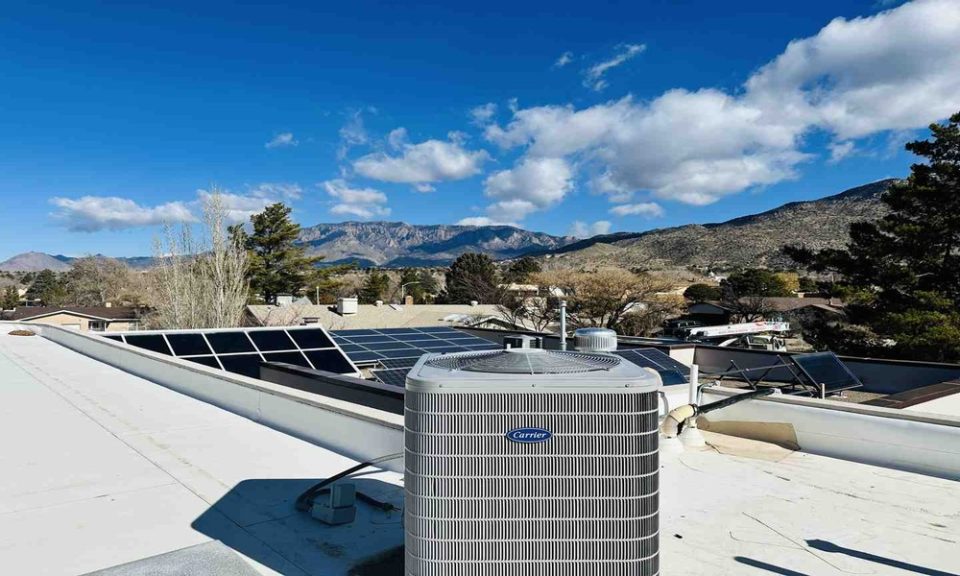
Superior Workmanship in Heating, Cooling, and PlumbingEssential Heating and Plumbing Systems for Albuquerque Homes
Imagine waking up to no hot water – a sudden cold shower on a chilly Albuquerque morning. A malfunctioning water heater can disrupt our entire day, impacting everything from hygiene to household chores. When an old unit fails unexpectedly, the need for a swift solution becomes critical. That’s why understanding the process of 24-hour water heater installation in Albuquerque, NM, is crucial for every homeowner. This guide will help us navigate the urgent replacement process, ensuring we can quickly restore comfort and convenience to our homes, even in an emergency.
To learn more about maintaining your home’s essential systems, click here for our main services page. For immediate assistance with your water heater, contact us today.
In Albuquerque, Rio Rancho, and surrounding areas, our homes rely on a complex network of heating, cooling, and plumbing systems to maintain comfort and safety. These interconnected components are the backbone of modern living, providing everything from warm showers to climate-controlled indoor environments. Ensuring the integrity and efficiency of these systems is paramount for residential safety and system longevity. Whether it’s a furnace working overtime in the winter or an air conditioner battling the summer heat, each system plays a vital role.
When it comes to the crucial aspect of water heating, having reliable services for your Albuquerque heating plumbing water heater is indispensable. We understand that these systems are not just about convenience; they are about maintaining a healthy and functional home. This is why professional maintenance and expert installation are so important. We advocate for working with licensed contractors who are bonded and insured, ensuring that any work performed meets the highest standards of quality and safety. Companies with decades of experience in the region bring invaluable local expertise, offering comprehensive home care solutions that contribute to overall indoor comfort and, for businesses, reliable commercial solutions. For a complete range of services that keep your home running smoothly, exploring general plumbing services in Albuquerque, NM can provide peace of mind. Similarly, for climate control, understanding your options for HVAC services in Albuquerque, NM is key.
Identifying Critical Signs for Water Heater Replacement
Our water heater is often out of sight, out of mind, until it stops working. However, several critical signs can indicate that a water heater is nearing the end of its life and requires immediate replacement, especially in an urgent 24-hour scenario. Recognizing these warnings can help us prevent larger issues like significant property damage.
One of the most obvious indicators is a tank leak. Any visible water pooling around the base of the unit, even small amounts, suggests a breach in the tank’s integrity. This can quickly escalate, leading to extensive water damage if not addressed promptly. Another clear sign is the appearance of rusty water flowing from our faucets. This usually points to internal corrosion within the water heater tank, which can compromise water quality and eventually lead to leaks.
Metallic odors or a distinct smell of sulfur (often described as rotten eggs) coming from the hot water can also signal internal issues, potentially related to the anode rod or bacterial growth within the tank. Similarly, strange noises, such as loud rumbling, banging, or popping sounds, are common. These noises often indicate a significant buildup of sediment at the bottom of the tank. This sediment not only reduces the unit’s efficiency but can also cause the tank to overheat and weaken structurally.
The age of the water heater is a crucial factor. Most traditional tank water heaters have a typical lifespan of 8 to 12 years. If our unit is within or beyond this range, it’s wise to start considering replacement, even if it hasn’t failed completely. Inconsistent temperatures or a complete lack of hot water are direct signs of a failing heating element or other internal component.
Furthermore, any visible structural weakening like cracks or dents on the tank’s exterior, especially near the bottom, can be precursors to a catastrophic failure. A malfunctioning pressure-relief valve is also a serious safety concern; this valve is designed to open when excess pressure builds up inside the tank, preventing explosions. If it’s not working correctly, it poses a significant risk. Ignoring these signs increases property damage risks and can lead to a sudden, costly emergency replacement. Being proactive can help in burst pipe prevention and ensure overall safety. Regular safety inspections can help identify these issues before they become emergencies. For more specific guidance on various issues, you might find it helpful to look into common tankless heater issues in Albuquerque or general troubleshooting for tankless water heaters.
Comparing Traditional and Tankless Water Heater Technologies
When facing a water heater replacement, especially under urgent circumstances, we often consider the two primary types: traditional tank water heaters and tankless water heaters. Each offers distinct advantages and disadvantages, impacting energy efficiency, space, and long-term costs. For a broader understanding, a general comparison of types of water heaters can be very informative.
Traditional Tank Water Heaters store and continuously heat a large volume of water in a tank, typically ranging from 30 to 80 gallons. The main drawback here is standby heat loss, where energy is expended to keep the water hot even when it’s not being used. While generally less expensive to purchase and install upfront, they have a finite supply of hot water, meaning we can run out during periods of high demand.
Tankless Water Heaters, also known as on-demand water heaters, operate differently. They heat water only when it’s needed, eliminating standby heat loss and offering a continuous supply of hot water. This on-demand heating mechanism contributes significantly to their energy efficiency, potentially cutting water heating costs. Their compact size also makes for a space-saving design, a notable advantage for homes with limited utility space.
Here’s a quick comparison:
Feature Traditional Tank Water Heater Tankless Water Heater Hot Water Supply Limited by tank size; can run out Continuous; virtually endless Energy Efficiency Lower due to standby heat loss Higher; heats on demand Installation Cost Generally lower Generally higher (due to venting/gas line upgrades) Lifespan 8-12 years 15-20 years or more Space Requirement Large, bulky tank Compact, wall-mounted unit Environmental Impact Higher energy consumption Lower energy consumption, reduced carbon footprint Maintenance Annual flushing recommended Annual flushing (descaling) crucial, especially with hard water For homeowners in Albuquerque, considering a tankless unit can be particularly appealing. They often have a higher Uniform Energy Factor (UEF), a measure of energy efficiency. This higher efficiency can sometimes qualify for local incentives, such as NM Gas Company rebates, making the initial investment more manageable. For those interested in making the switch, exploring tankless water heater installation in Albuquerque, NM or learning about going tankless in Albuquerque can provide valuable insights. These systems represent a significant residential upgrade and are also available as robust commercial-grade solutions. Further information on specific models can be found under tankless water heaters in Albuquerque, NM.
Navigating Emergency Installation and Response Times
When a water heater fails, especially outside of regular business hours, the need for swift action is paramount. This is where 24-hour availability and rapid response become critical. An emergency water heater installation service in Albuquerque understands the urgency and is equipped to address the situation promptly, aiming for same-day service to restore hot water to our homes.
Upon contacting an emergency service, we can expect a professional team to prioritize property protection. This often involves guiding us through initial steps like shutting off the main water supply to prevent further leaks or damage. When technicians arrive, they will begin by assessing the situation to provide a professional diagnosis. This helps determine if a repair is feasible or if an immediate replacement is the best course of action.
Homeowners can assist by clearing the workspace around the old water heater, ensuring technicians have unobstructed access. This simple preparation step can significantly speed up the installation process. The goal during an emergency is not just a quick fix, but a solution that ensures system stabilization and long-term functionality. Experienced technicians arrive with fully stocked vehicles, carrying common water heater types and parts to facilitate efficient emergency repairs and installations. Their expertise allows them to handle unexpected challenges that might arise during the process, ensuring the new unit is installed correctly and safely. For those in need of immediate service, seeking expert water heater installation is crucial.
Local Considerations for New Mexico Climate and Water Quality
Albuquerque’s unique environment presents specific challenges and considerations for water heater installation and longevity. Understanding these local factors can help us make informed decisions and ensure our systems operate efficiently for years to come.
One of the most significant factors is hard water. The water in many parts of New Mexico contains high levels of minerals, such as calcium and magnesium, leading to mineral deposits and scale buildup within our water heaters and plumbing. This scale can coat heating elements, reducing efficiency and potentially shortening the lifespan of the unit. It can also contribute to sediment accumulation at the bottom of tank-style heaters, leading to those strange popping sounds we discussed earlier. Regular annual flushing of the water heater is crucial to remove this sediment and scale, maintaining efficiency and preventing damage. Additionally, an anode rod inspection should be part of routine maintenance, as this sacrificial rod helps protect the tank from corrosion, especially in hard water conditions. For comprehensive guidance on managing these issues, resources like Water Heater Maintenance and articles on Tankless Water Heater Scale Issues are invaluable.
Beyond water quality, Albuquerque’s climate also plays a role. While our winters can be mild, occasional freezing temperatures can pose risks, particularly for exposed pipes or outdoor tankless units. Proper insulation and installation techniques are essential to prevent freezing and potential pipe bursts. Furthermore, thermal expansion within the water heating system needs to be managed, often with an expansion tank, to protect plumbing components from excessive pressure fluctuations. Given Albuquerque’s high-altitude environment, certain adjustments to gas-fired water heaters might be necessary to ensure optimal combustion and efficiency. This underscores the importance of choosing a service with local expertise that understands these specific environmental demands. They can also offer water analysis services to tailor recommendations for our home. Prioritizing preventative maintenance and understanding how to extend tankless water heaters life are key to maximizing system efficiency and longevity in our region. For more specific care, consider looking into tankless water heater care for homes.
Frequently Asked Questions about Heating and Plumbing
What are the benefits of professional heating and plumbing services?
Engaging professional heating and plumbing services offers numerous advantages that extend beyond immediate repairs. Firstly, certified technicians possess the specialized knowledge and training to diagnose issues accurately and perform repairs or installations safely and efficiently. We can expect honest estimates and transparent pricing, ensuring there are no surprises. Professionals adhere to safety compliance standards, protecting our homes and families from potential hazards. Their work often comes with quality guarantees and warranty protection, providing peace of mind. Moreover, professional services focus on system optimization, ensuring our units run at peak efficiency, which can lead to long-term savings on utility bills. They use professional tools and techniques, leading to long-term reliability of our systems. Their expert diagnosis and meticulous work contribute to the overall health and comfort of our home.
How does Albuquerque’s water quality affect heating and plumbing components?
As previously mentioned, Albuquerque’s water is generally hard, meaning it contains high concentrations of dissolved minerals like calcium deposits and magnesium buildup. This hard water significantly impacts heating and plumbing components in several ways. Over time, these minerals accumulate, forming scale inside pipes, fixtures, and especially within water heaters. This scale can lead to pipe corrosion, reduce water flow, and cause fixture damage. Inside water heaters, scale acts as an insulator, forcing the unit to work harder to heat water, which decreases efficiency reduction and shortens the appliance lifespan. It can also contribute to sediment accumulation at the bottom of tanks. To combat this, solutions like water softening systems can be installed, and regular maintenance, including flushing water heaters, becomes even more critical.
What is the typical lifespan of a water heater in New Mexico?
The typical lifespan of a traditional tank water heater in New Mexico, much like other regions, is generally 8 to 12 years. However, this can vary significantly based on several factors. Maintenance influence is paramount; units that receive regular water heater maintenance, such as annual flushing to remove sediment, tend to last longer. The local water quality impact, particularly hard water, can accelerate wear and tear if not managed. Usage patterns also play a role; a household with high hot water demand will likely see its water heater work harder and potentially fail sooner than one with lower usage. The type of water heater also matters: tank vs. tankless. Tankless units often boast a longer lifespan, sometimes 15-20 years or more, due to their on-demand heating mechanism and different internal components. As a water heater ages, its efficiency degradation becomes noticeable, and component wear increases, making replacement timing a crucial consideration. Staying informed about technological advancements can also help us choose more durable and efficient units for our homes.
Conclusion
Maintaining the comfort and functionality of our Albuquerque homes hinges on the system reliability of our heating, cooling, and plumbing infrastructure. When an emergency strikes, particularly with a failing water heater, understanding the options for 24 hour water heater installation in Albuquerque, NM, is not just convenient-it’s essential. We’ve explored the critical signs that demand immediate attention, the benefits of advanced technologies like tankless systems, and the crucial role of local expertise in navigating our unique climate and water quality challenges.
By prioritizing professional standards in every installation and repair, we ensure long-term efficiency and residential safety. A commitment to regular maintenance commitment and seeking out expert installation services are investments in our home’s future. Choosing a service provider dedicated to local service excellence means our home’s vital systems are in capable hands, ready to provide comfort and peace of mind for years to come.
