March 6, 2026
Quality Flooring and Furniture
Uncategorized

Transforming Living Spaces with Quality Flooring and Furniture

Fundamental Principles of Home Interior Design

Have you ever walked into a home that feels right? A space that is both beautiful and completely functional? We believe every home can achieve this perfect balance.

Our living spaces are more than just rooms. They are where we relax, entertain, and make memories. Thoughtful home interior design helps us create environments that truly support our lives.

This guide will help you unlock your home’s full potential. We will explore the fundamental principles of design. We will show you how to plan layouts that work for you. We will also cover how to infuse your unique style into every corner.

Choosing the right pieces, from foundational flooring to comfortable and stylish Bare Bones home furnishings, can make all the difference. We will share tips on where to splurge and where to save. Our goal is to help you create a space you love. A space that reflects who you are, without breaking the bank.

At the heart of every well-designed space lie fundamental principles that guide aesthetic and functional choices. Understanding these concepts is crucial, whether you’re embarking on a complete renovation or simply refreshing a single room. These principles serve as your compass, ensuring your design choices lead to a cohesive, harmonious outcome.

Balance

Balance in interior design refers to the visual distribution of weight in a room. It creates a sense of equilibrium and stability. There are three main types:

  • Symmetrical Balance: Achieved by placing identical elements on either side of a central axis. Think of two matching nightstands flanking a bed. This creates a formal, traditional feel.
  • Asymmetrical Balance: Involves using different objects with similar visual weight to create balance. For example, a large sofa might be balanced by two smaller armchairs on either side. This offers a more dynamic and casual feel.
  • Radial Balance: Elements are arranged around a central point, like chairs around a dining table or a chandelier above it.

Rhythm

Rhythm is about creating movement and flow through repetition, progression, or contrast. It guides the eye through a space, preventing it from feeling static.

  • Repetition: Repeating colors, patterns, or textures throughout a room.
  • Progression: Gradual changes in size, color, or form, such as a collection of candles in varying heights.
  • Contrast: Placing opposing elements together, such as light and dark or rough and smooth textures, to create visual interest.

Scale and Proportion

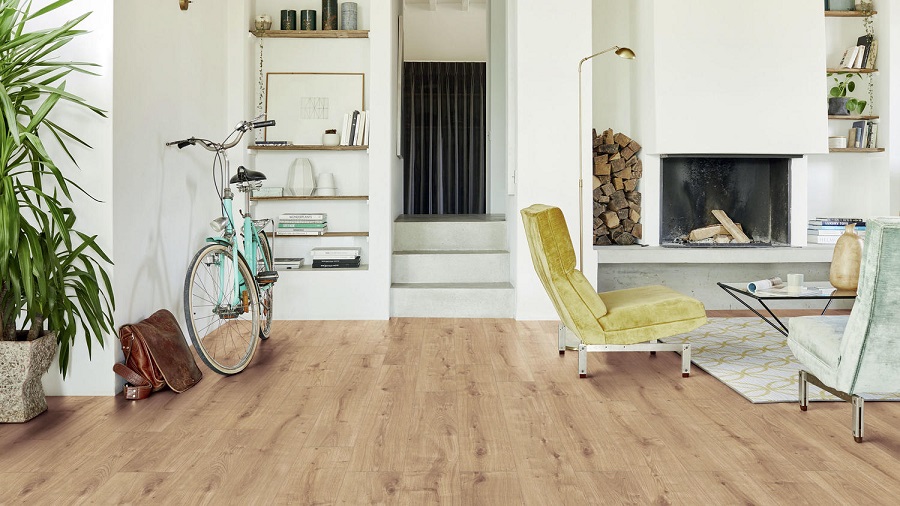
Scale refers to the size of an object in relation to the room or other objects. Proportion is the relationship of parts within a whole. These principles ensure that furniture and decor fit comfortably within a space without overwhelming it or looking too small. For instance, a grand chandelier might be out of scale in a small room, just as a tiny rug might feel disproportionate in a large living area. Considering the foundational elements like flooring, such as the rich tones and textures found in Hardwood home interior design, is essential for establishing the correct scale and proportion from the ground up, as they dictate the perceived size and architectural integrity of a space.

Selecting the Right Palette for Home Interior Design

Color is arguably the most powerful tool in interior design, capable of transforming mood, perception of space, and overall ambiance. To choose a cohesive color scheme, we often recommend the 60-30-10 rule:

  • 60% Dominant Color: This is your primary color, often found on walls or large furniture pieces.
  • 30% Secondary Color: This color complements the dominant hue and is used for items such as curtains, accent chairs, or rugs.
  • 10% Accent Color: A bold splash of color used for decorative items like throw pillows, artwork, or small accessories.

Understanding the psychological impact of colors is also key. Blues and greens evoke calmness, while reds and oranges can energize a space. Neutral backdrops, such as soft grays, whites, or beiges, provide a versatile canvas, allowing you to introduce bolder colors through easily changed accessories and textiles. When planning your palette, consider how your flooring choice, like the timeless elegance of Hardwood home interior design, will integrate. Hardwood floors offer a natural, warm base that complements almost any color scheme, adding an organic depth that paint alone cannot.

Avoiding Common Mistakes in Home Interior Design

Even with the best intentions, it’s easy to fall into common decorating traps that can make a space feel less polished or inviting. We’ve identified some pitfalls to help you steer clear:

  1. Cliché Word Art: While “Live, Laugh, Love” signs might seem charming, they often feel generic and dated. Opt for unique artwork, photography, or personal pieces that truly reflect your personality and tell a story.
  2. Excessive Clutter: Too many small trinkets, decorative bowls filled with random items, or an overload of accessories can make a room feel chaotic and untidy. Practice ruthless editing; if an item doesn’t serve a purpose or bring you joy, it might be time to let it go.
  3. Scale Errors: Placing oversized furniture in a small room or tiny pieces in a grand space can throw off the entire balance. Always measure your room and furniture to ensure everything fits proportionately.
  4. Poor Lighting: Relying on a single overhead light fixture creates harsh shadows and a flat ambiance. Layer your lighting with ambient, task, and accent lights to create warmth, depth, and functionality.
  5. Ignoring Traffic Flow: Placing furniture in a way that obstructs pathways or makes it difficult to move around the room is a major functional flaw. Always consider how people will navigate the space.

Planning Functional Layouts and Furniture Arrangement

A beautiful room is only truly successful if it’s also functional. Planning a room layout requires a thoughtful approach to how you live and interact with your space. It’s about creating an environment that supports your daily activities, from relaxing with a book to hosting a lively gathering.

We recommend starting with a clear understanding of the room’s purpose and the activities that will take place there. Consider the natural traffic flow – where do people enter and exit? What are the main pathways? Your furniture arrangement should facilitate these movements, not hinder them. Focal points are also crucial; these are the areas that naturally draw the eye, such as a fireplace, a large window with a view, or a prominent piece of art. Arrange your seating and other elements to highlight these features.

When selecting and arranging your pieces, functionality often dictates form. For instance, a comfortable sofa is essential for a living room, but its size and orientation will significantly impact the room’s flow. High-quality Bare Bones home furnishings are designed with both aesthetics and practicality in mind, offering pieces that can anchor a room while serving its intended purpose. Before making any purchases, measure everything meticulously – the room’s dimensions, doorways, and each piece of furniture. Sketching out your layout to scale can prevent costly mistakes and ensure a practical, comfortable space.

Practical Room Layouts for Everyday Living

Designing a practical room layout involves more than just pushing furniture against walls. It’s about understanding usage patterns, creating distinct zones, and ensuring accessibility for everyone.

  • Understand Usage Patterns: How do you and your family typically use the room? Is it for quiet reading, lively conversations, dining, or a combination? Your layout should cater to these primary functions.
  • Create Zones: In larger or open-concept spaces, define different activity zones. A living room might have a conversation area, a reading nook, and a media zone. Use rugs, furniture groupings, or even shelving units to delineate these areas without building walls.
  • Ensure Accessibility: Ensure there’s enough space to walk comfortably between furniture pieces. Aisles should be wide enough, and doors should open without hitting obstacles. Consider the needs of all household members, including children, older people, and those with mobility challenges.
  • Choose Functional Furniture: Opt for multi-functional pieces when space is at a premium. A storage ottoman, a sofa bed, or nesting tables can maximize utility. When selecting your core pieces, consider the versatility and durability of Bare Bones home furnishings, which are designed to stand the test of time and adapt to evolving needs.

Rug Placement and Sizing Rules

Area rugs are potent tools in interior design, capable of defining spaces, adding warmth, absorbing sound, and introducing color and texture. However, their impact depends heavily on proper sizing and placement.

  • Living Room: For a cohesive look, all front legs of your main seating furniture (sofa, armchairs) should rest on the rug. Ideally, the rug should extend 6-12 inches beyond the furniture. For a fully anchored space, all furniture should sit entirely on the rug, leaving 10-20 inches of bare floor around the perimeter.
  • Dining Room: The rug should be large enough so that when chairs are pulled out, all four legs remain on the carpet. This usually means extending at least 24 inches beyond the dining table on all sides.
  • Bedroom: A large rug can anchor the bed and nightstands, extending beyond them on all sides. Alternatively, place the rug two-thirds of the way under the bed, leaving the nightstands on the bare floor, or use two smaller runners on either side of the bed.
  • Layering Techniques: For added texture and visual interest, layer a smaller, patterned rug over a larger, neutral carpet. Ensure the base rug is large enough to meet the room’s sizing rules, and the top carpet complements its colors and textures.

Room Type Ideal Rug Size (Approximate) Placement Guidance Living Room 8’x10′ to 9’x12′ Front legs of all major seating on the rug; ideally, all furniture on the carpet with 10-20″ border of bare floor. Dining Room 8’x10′ to 9’x12′ Extends at least 24″ beyond the table on all sides, allowing chairs to remain on the rug when pulled out. Bedroom 8’x10′ to 9’x12′ Large rug under the entire bed and nightstands, or 2/3 under the bed with 18-24″ extending on sides and foot. Hallway Runners (e.g., 2’x8′, 3’x10′) Leave 4-6″ of bare floor on either side; should not touch walls or furniture. Mastering Texture, Lighting, and Personal Style

Beyond the foundational principles of layout and color, the true soul of a home interior design often lies in the nuanced interplay of texture, the strategic use of lighting, and the infusion of personal style. These elements are what transform a functional space into an inviting, layered, and profoundly personal sanctuary.

Texture, both visual and tactile, adds depth and interest to a room. Think about incorporating a variety of materials: the softness of a velvet pillow, the rough weave of a linen throw, the smooth gleam of a polished wood table, or the natural fibers of artisan fabrics. These elements engage our senses, making a space feel richer and more welcoming. Layering different textures, such as a chunky knit blanket over a smooth leather sofa, creates visual warmth and a sense of comfort.

Lighting is another critical component that can dramatically alter a room’s mood and functionality. We advocate for a layered approach, combining three types:

  • Ambient Lighting: The general illumination of a room, often provided by overhead fixtures like recessed lights, chandeliers, or flush mounts.
  • Task Lighting: Focused light for specific activities, such as reading lamps by a sofa, under-cabinet lighting in a kitchen, or desk lamps in a home office.
  • Accent Lighting: Used to highlight specific features, like artwork, architectural details, or plants, adding drama and visual interest.

Incorporating innovative lighting solutions can further enhance your space, allowing you to control brightness, color temperature, and even schedule lighting scenes to match different times of day or moods.

Incorporating Antiques into Modern Interiors

One of the most effective ways to infuse a modern interior with character and a sense of history is to integrate antiques thoughtfully. This isn’t about creating a museum; it’s about creating a dialogue between past and present, resulting in a space that feels curated and unique.

  • Embrace Vintage Patina: The natural wear and tear, the subtle scratches, and the aged finish of an antique piece tell a story. Don’t shy away from these imperfections; they add character and authenticity.
  • Choose Heirloom Quality: Antiques often represent superior craftsmanship and durable materials, offering heirloom quality that can withstand the test of time. These investment pieces can become focal points.
  • Mix Styles Thoughtfully: The key to successful integration is balance. Pair a sleek, minimalist sofa with a rustic antique coffee table. Or, place a modern piece of art above a classic, ornate console. The contrast creates visual interest without feeling disjointed.
  • Weave a Personal Narrative: Select antiques that resonate with you personally, perhaps pieces from your family history or items collected during travels. These pieces become conversation starters and contribute to authentic styling, making your home truly yours.

The Role of Professional Interior Designers

While this guide empowers you to tackle many design challenges, there are times when the expertise of a professional interior designer can be invaluable. Designers offer a breadth of knowledge, experience, and resources that can elevate your project and save you time and money in the long run.

  • Project Consultation: Many designers offer initial consultations to discuss your vision, budget, and scope. This can be a great way to gain clarity and direction, even if you plan to do much of the work yourself.
  • Full-Service Design: For larger projects, a full-service designer will handle everything from concept development and space planning to material selection, procurement, and project management. They act as your advocate, coordinating with contractors and vendors.
  • Discovery Calls: These initial conversations help you determine if a designer’s style and working methods align with your needs. It’s an opportunity to ask questions about their process, fees, and portfolio.
  • Professional Assembly and Expert Support: Designers often have access to professional installers and specialized tradespeople, ensuring that every element of your design, from custom cabinetry to intricate lighting, is executed flawlessly. They also provide ongoing expert support, troubleshooting any issues that may arise.

Choosing a designer is a personal decision. Look for someone whose portfolio reflects a style you admire, who communicates effectively, and who understands your vision for your home.

Balancing Budget and Style: Where to Splurge and Save

Creating a beautiful home doesn’t necessarily mean spending a fortune. It’s about smart budget allocation, understanding where to invest for long-term value and where to economize without sacrificing style. We often advise the 80/20 rule: invest 80% of your budget in foundational, long-lasting pieces and 20% in easily changeable, trendy accents.

Investment Pieces vs. Trendy Accents

Knowing what to splurge on ensures durability, comfort, and timeless appeal, while saving on accents allows for flexibility and keeps your home feeling fresh.

Splurge On:

  • Sofas and Seating: These are high-use items that need to be comfortable and durable. Invest in quality construction, sturdy frames, and resilient upholstery.
  • Mattresses: Essential for health and well-being. A good mattress is an investment in your sleep quality.
  • Hardwood Floors: As a foundational element, quality hardwood flooring adds significant value to your home and stands the test of time, both aesthetically and structurally.
  • Kitchen Appliances: High-quality appliances are workhorses that will see daily use and enhance your home’s functionality for years.
  • Window Treatments: Custom drapes or blinds can significantly impact a room’s aesthetic and insulation.

Save On:

  • Decorative Trinkets and Accessories: These are easy to swap out as trends change or your personal style evolves. Look for affordable options at discount stores, thrift shops, or even DIY.
  • Seasonal Updates: Holiday decor, seasonal throw pillows, or temporary wall art can be purchased affordably to refresh your space without a significant commitment.
  • Trendy Lighting Fixtures: While some statement lighting is worth investing in, smaller, trendy fixtures can be found at lower price points and easily replaced.
  • Guest Room Linens: While quality is important, you might not need the highest thread count for a rarely used guest room.

Decorating on a Budget Without Sacrificing Quality

Achieving a stylish look on a budget is entirely possible with a bit of creativity and strategic planning.

  1. Thrifting Strategies: Explore antique shops, flea markets, and online marketplaces for unique, pre-loved pieces. Look for solid wood furniture that can be refinished or reupholstered. The “80/20 rule for thrifting” suggests that 80% of your finds will be minor, but the 20% of treasures make it worthwhile.
  2. DIY Elements: Embrace your inner crafter! Painting old furniture, creating your own artwork, or making custom throw pillows can add a personal touch at a fraction of the cost.
  3. Versatile Furniture: Choose pieces that can serve multiple functions or be easily moved between rooms. A console table can be a desk, a dining buffet, or an entryway piece.
  4. Low-Cost Upgrades: Simple changes like updating cabinet hardware, painting an accent wall, or swapping out light fixtures can make a significant impact without a hefty price tag.
  5. Smart Shopping: Wait for sales, compare prices online, and sign up for newsletters from your favorite home stores to get exclusive discounts.

Frequently Asked Questions about Home Interior Design

We understand that embarking on a design project can bring up many questions. Here are answers to some of the most common inquiries we receive:

How do I choose a cohesive color scheme for a room?

Start by identifying a source of inspiration, such as a favorite piece of art, a rug, or even a photograph. Pull 2-3 primary colors from this inspiration. Then, apply the 60-30-10 rule: 60% dominant (walls, large furniture), 30% secondary (curtains, accent pieces), and 10% accent (small decor). Consider the mood you want to create; cool colors promote calm, while warm colors add energy. Test paint swatches on your walls to see how they look in different lighting conditions throughout the day.

What is the best way to mix different furniture styles?

The key to successfully mixing styles (e.g., modern with antique) is to find commonalities or contrasts that create visual interest without chaos. Look for shared characteristics like color, material, or scale. For instance, pair a sleek, modern sofa with a vintage wooden coffee table, using a consistent color palette to tie them together. Alternatively, use contrasting textures or forms to create dynamic tension, ensuring there’s a unifying element, like a consistent finish or a complementary color, that brings the disparate pieces into harmony. Avoid having too many competing styles in one room; aim for a balanced blend.

When should I hire a professional interior designer?

Consider hiring a professional interior designer if you’re undertaking a significant renovation, struggling to define your style, feeling overwhelmed by choices, or lack the time to manage a design project yourself. Designers can save you money by preventing costly mistakes, providing access to trade-only resources, and bringing a professional eye to space planning, color selection, and project management. They can help translate your vision into a cohesive, functional, and beautiful reality, often exceeding what you could achieve on your own.

Conclusion

Creating a home that truly reflects who you are is a rewarding journey. By understanding the fundamental principles of home interior design, planning functional layouts, and thoughtfully incorporating texture, lighting, and personal touches, you can transform any living space into a sanctuary. Thoughtful design isn’t about chasing trends or spending excessively; it’s about making intentional choices that foster personal expression, functional beauty, and long-term value.

We encourage you to take your time, experiment, and enjoy the process of making your house a home. The most beautiful spaces are those that tell your unique story.

Related posts

Need Plumbing Assistance – 1 Day Rooter & Plumbing Can Do the Job! 

Timothy Durham

How Colors and Themes Impact Your Space

Timothy Durham

HVAC System Repair

Antonio Ennis