
Preparing Your Home for Extreme Weather with 24/7 HVAC SupportIntroduction
As May 2026 unfolds, homeowners in Roseburg, OR, know that preparing for unpredictable weather is essential for home comfort. Our HVAC systems work hard year-round, from scorching summers to chilly winters. Ensuring they perform optimally, especially when facing extreme weather, relies heavily on consistent AC maintenance. This proactive approach is not just about keeping cool; it’s about safeguarding your home’s comfort, efficiency, and your wallet. Regular AC maintenance in Roseburg, OR, is paramount to preventing unexpected breakdowns and ensuring your system’s longevity. This guide will explore how proper upkeep can keep your system reliable, efficient, and ready for anything.
The Critical Role of Emergency HVAC Services During Weather Extremes
The Rogue Valley, encompassing Roseburg, is no stranger to dramatic shifts in weather. From the intense heatwaves that can push summer temperatures well into the triple digits to the freezing conditions and occasional snowfalls of winter, our HVAC systems are constantly under duress. These extreme fluctuations place immense stress on air conditioning and heating units, making them more susceptible to unexpected failures. When your AC system falters during a sweltering July afternoon or your furnace gives out on a frigid January night, the need for immediate, reliable assistance becomes critical.
This is where the availability of 24/7 emergency HVAC services proves invaluable. A rapid response from trained professionals can mean the difference between minor discomfort and a potentially hazardous situation. Beyond the immediate relief, a quick diagnosis and repair can prevent further damage to your system, which might occur if a problem is left unaddressed. We understand that system breakdowns rarely adhere to convenient business hours, making around-the-clock support a cornerstone of home comfort and safety in our community.
Common weather-related system failures that often necessitate emergency services include:
- Refrigerant leaks: Extreme heat can exacerbate wear on lines, leading to leaks and a loss of cooling capacity.
- Frozen evaporator coils: Often a symptom of restricted airflow or low refrigerant, these can shut down your AC completely.
- Electrical component failures: Surges from summer storms or continuous operation under high stress can fry capacitors or contactors.
- Condensate drain blockages: High humidity can lead to excessive condensation, which, if blocked, can cause water damage or system shutdown.
- Blower motor malfunctions: Constant use in extreme temperatures can overwork the motor, leading to overheating and failure.
- Thermostat issues: Extreme temperatures can sometimes cause thermostats to malfunction, leading to incorrect readings or system control problems.
Proactive Strategies for Year-Round System Reliability
While emergency services are a vital safety net, the most effective approach to maintaining your home’s comfort system is proactive care. Regular AC maintenance is the cornerstone of year-round system reliability, offering numerous benefits that extend far beyond simply avoiding a breakdown. By investing in routine tune-ups, homeowners can significantly extend the lifespan of their equipment, enhance energy efficiency, and catch potential issues through early detection before they escalate into costly repairs.
Consider the analogy of car maintenance: regular oil changes and tire rotations prevent major engine problems and ensure safer, more efficient driving. Your HVAC system operates similarly. A well-maintained unit works less strenuously to achieve desired temperatures, consuming less energy and reducing your utility bills. Furthermore, professional technicians can identify and address minor wear and tear on components like belts, bearings, and electrical connections, preventing them from causing a domino effect of damage throughout the system. For homeowners in the Roseburg area seeking comprehensive and dependable care for their cooling systems, finding reliable 24/7 Roseburg AC maintenance services is a crucial step towards ensuring uninterrupted comfort.
The advantages of proactive maintenance are stark when compared to the risks of a reactive approach, where repairs are only sought after a complete system failure.
Proactive Maintenance Benefits Reactive Repair Risks Extended System Lifespan: Regular care prevents premature wear. Premature System Failure: Neglect shortens operational life. Increased Energy Efficiency: Optimized performance reduces energy consumption. Higher Energy Bills: Inefficient operation wastes energy. Fewer Costly Repairs: Small issues are fixed before becoming major problems. Expensive Emergency Repairs: Unplanned, often higher-cost fixes. Consistent Comfort: Reliable operation ensures stable indoor temperatures. Inconsistent Comfort: Frequent breakdowns lead to discomfort. Improved Indoor Air Quality: Clean filters and coils enhance air purity. Poor Indoor Air Quality: Accumulation of dust and allergens. Enhanced Safety: Electrical and gas components are regularly inspected. Potential Safety Hazards: Unchecked electrical or gas issues. Peace of Mind: Confidence in your system’s reliability. Stress and Inconvenience: Unexpected breakdowns disrupt daily life.Recognizing Red Flags That Require Emergency HVAC Services
Even with the most diligent proactive maintenance, unforeseen issues can arise. Knowing the signs that your AC system needs immediate attention can help you act quickly and potentially prevent further damage or more expensive repairs. Ignoring these red flags can lead to total system failure, especially during peak demand in extreme weather.
Here are common indicators that your AC system requires urgent professional intervention:
- Unusual Noises: While some operational sounds are normal, grinding, hissing, banging, squealing, or bubbling noises are clear warnings. Grinding can indicate a problem with the motor’s bearings, while hissing or bubbling often points to a refrigerant leak. Banging might suggest a loose part or a failing compressor.
- Reduced Airflow: If the air coming from your vents is weak, or if some rooms are significantly cooler than others, it suggests a problem with the blower motor, ductwork, or a severely clogged filter. This can also be a symptom of a frozen evaporator coil.
- Inconsistent Cooling: Your system might be running, but the house isn’t cooling down evenly, or at all. This could be due to a low refrigerant charge, a failing compressor, or issues with the thermostat’s ability to accurately sense and regulate temperature.
- Electrical Odors: A burning smell emanating from your AC unit or vents is a serious warning sign. It could indicate an overheated motor, frayed wiring, or a problem with electrical components. Turn off your system immediately and call for emergency service, as this poses a fire hazard.
- Thermostat Malfunctions: If your thermostat is unresponsive, displaying incorrect temperatures, or if the system isn’t reacting to its settings, it could be a simple battery issue or a more complex electrical problem within the unit or its wiring.
- Short Cycling: This occurs when your AC unit turns on and off frequently without completing a full cooling cycle. Short cycling is inefficient, increases wear and tear on components, and can be a symptom of an oversized unit, a refrigerant leak, or a faulty thermostat.
Why Homeowners Rely on Emergency HVAC Services in Roseburg
When any of these red flags appear, particularly during Roseburg’s extreme weather conditions, homeowners instinctively turn to emergency HVAC services. The reasons are multifaceted, driven by both comfort and necessity.
- Total System Failure: The most obvious reason is a complete breakdown. No cooling in a summer heatwave or no heating in freezing temperatures is not just inconvenient; it can be dangerous, especially for vulnerable populations like the elderly or young children.
- Extreme Indoor Temperatures: Even if the system hasn’t completely failed, an inability to maintain comfortable indoor temperatures can quickly make a home uninhabitable. This is especially true when outdoor temperatures are at their most extreme.
- Safety Concerns: As mentioned with electrical odors, some AC malfunctions pose immediate safety risks, including fire hazards or, in the case of heating systems, potential carbon monoxide leaks (though less common with modern AC units, it highlights the broader safety aspect of HVAC).
- Professional Diagnostics: Modern HVAC systems are complex. Diagnosing the root cause of a problem requires specialized knowledge and tools that only trained professionals possess. Attempting DIY repairs can often worsen the problem or create new hazards.
- Specialized Tools and Parts: Emergency technicians arrive equipped with a wide array of diagnostic tools and often carry common replacement parts, allowing for immediate repairs without delay.
- Trained and Certified Professionals: Reputable emergency service providers employ technicians who are not only highly trained but often hold industry certifications, ensuring they have the expertise to handle any AC system issue efficiently and safely. Their experience means they can quickly pinpoint problems and implement effective solutions, restoring comfort and peace of mind.
Essential Components of Professional System Upkeep
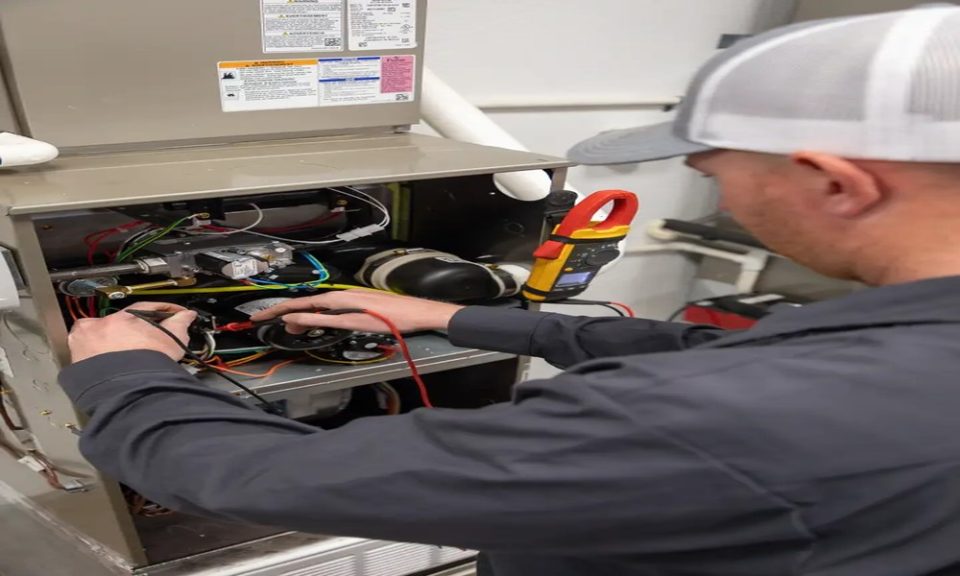
A comprehensive professional AC maintenance visit is far more than just a quick glance at your unit. It’s a meticulous process designed to optimize performance, prevent breakdowns, and ensure the longevity of your system. Understanding what these essential components entail can help homeowners appreciate the value of such services and even perform some basic checks themselves between professional visits.
During a typical maintenance appointment, our technicians perform a thorough inspection and tune-up, addressing critical areas:
- Condenser and Evaporator Coils: These are the heart of your AC’s heat exchange process. The outdoor condenser coil releases heat, while the indoor evaporator coil absorbs it. Both can accumulate dirt, dust, and debris, which acts as an insulator, reducing efficiency. Technicians meticulously clean these coils to ensure optimal heat transfer.
- Refrigerant Charge: The technician will check the refrigerant levels to ensure they are within the manufacturer’s specifications. Low refrigerant often indicates a leak, which will be identified and repaired, followed by recharging the system. Correct refrigerant levels are crucial for efficient cooling.
- Electrical Connections: All electrical terminals are inspected, cleaned, and tightened. Loose connections can cause voltage fluctuations, leading to inefficient operation or even damage to electrical components like the compressor and blower motor.
- Ductwork Integrity: Leaks or disconnections in your ductwork can lead to significant energy loss, as conditioned air escapes into unconditioned spaces. Technicians will inspect the ductwork for any signs of damage and recommend repairs if necessary to ensure efficient air delivery throughout your home.
- Thermostat Calibration: An improperly calibrated thermostat can lead to inaccurate temperature readings and inefficient cycling. The technician will check its accuracy and ensure it’s communicating correctly with your AC system, potentially adjusting settings for optimal performance.
- Air Filtration System: While homeowners can regularly change their air filters, a professional check ensures the correct filter type is being used and that the filter housing is sealed properly. They can also advise on filter upgrades for improved indoor air quality.
- Condensate Drain Line: This line removes moisture collected by the evaporator coil. If clogged, it can lead to water leaks, mold growth, and even system shutdown. Technicians will clear any blockages and ensure proper drainage.
- Blower Motor and Fan Blades: The blower motor circulates air throughout your home, and the fan blades on the outdoor unit dissipate heat. Both are inspected for wear and tear, proper lubrication, and cleanliness to ensure efficient airflow and quiet operation.
- System Controls and Safety Mechanisms: All operational controls, including the start-up and shut-off cycles, are tested. Safety mechanisms, such as pressure switches and overload protectors, are also checked to ensure they function correctly, protecting the unit from damage.
Enhancing Indoor Comfort and Air Quality
Beyond maintaining the mechanical efficiency of your AC system, professional maintenance plays a pivotal role in enhancing your home’s indoor comfort and air quality. In Roseburg, where seasonal changes can bring everything from wildfire smoke to pollen, ensuring clean, healthy indoor air is paramount. Your HVAC system is your primary defense against a range of indoor pollutants, and its proper functioning directly impacts the air you breathe.
- Combating Indoor Pollutants: Homes can harbor various pollutants, including dust, pet dander, mold spores, allergens, and volatile organic compounds (VOCs). A well-maintained AC system, particularly with clean filters and coils, is more effective at trapping and removing these contaminants from the air. Regular cleaning of coils prevents mold and mildew growth, which can otherwise circulate spores throughout your home.
- Optimizing Ventilation: While AC systems primarily recirculate and condition indoor air, proper maintenance ensures that any fresh air intake mechanisms are functioning correctly. This helps in diluting indoor pollutants and bringing in fresh air when appropriate.
- Humidity Control: Roseburg’s climate can experience significant humidity fluctuations. Too much humidity can lead to a sticky, uncomfortable environment and promote mold growth, while too little can cause dry skin and respiratory irritation. Your AC system naturally dehumidifies as it cools. Professional maintenance ensures this function is operating effectively. We recommend maintaining indoor humidity levels between 30% and 50% for optimal comfort and health. Technicians can also inspect and maintain whole-home dehumidifiers or humidifiers if you have them integrated into your system.
- Advanced Air Filtration: During maintenance, technicians can advise on upgrading to higher-MERV (Minimum Efficiency Reporting Value) air filters, which are more effective at capturing microscopic particles. They can also assess the potential for integrating indoor air quality (IAQ) solutions like UV lamps or air purifiers into your existing HVAC system, providing an additional layer of protection against airborne pathogens and allergens.
- Health Benefits: Improved indoor air quality translates directly to health benefits. Reducing allergens and pollutants can alleviate symptoms for individuals with asthma, allergies, and other respiratory conditions. Clean air contributes to better sleep, increased energy, and overall well-being.
- Impact on Energy Consumption: Surprisingly, good indoor air quality practices also contribute to energy efficiency. A system struggling with clogged filters or dirty coils has to work harder, consuming more energy. By keeping your system clean and incorporating effective air quality solutions, you can maintain comfort with less energy expenditure.
- Addressing Rogue Valley Air Quality Standards: While specific “standards” for residential indoor air quality are often self-regulated, being proactive about your home’s air quality aligns with broader community health concerns, especially during periods of regional air quality alerts, such as those caused by wildfires in the Rogue Valley.
Frequently Asked Questions about HVAC Reliability
We often encounter common questions from homeowners regarding their HVAC systems. Here, we address some of the most frequent inquiries to provide clarity and reinforce the importance of proper AC maintenance in Roseburg, OR.
How often should professional HVAC maintenance be scheduled?
For optimal performance and longevity, we recommend scheduling professional HVAC maintenance at least once a year. Ideally, this should be a bi-annual service: one comprehensive tune-up for your cooling system in the spring (before the summer heat sets in) and another for your heating system in the fall (before winter’s chill). This seasonal preparation ensures each component is ready for its peak operational period.
- Cooling System Checks: Performed in late spring, these focus on components critical for cooling efficiency, such as refrigerant levels, condenser and evaporator coil cleanliness, and fan operation.
- Heating System Tune-ups: Conducted in early fall, these ensure your furnace or heat pump is ready for heating demands, checking burners, heat exchangers, and safety controls.
This bi-annual approach catches potential issues before they become major problems during the seasons when your system works hardest.
What is the typical lifespan of a central air conditioning unit?
A well-maintained central air conditioning unit typically has a lifespan of 10 to 15 years. However, several factors can influence this timeframe:
- Maintenance Influence: Systems that receive regular professional maintenance tend to last longer, often reaching or exceeding the upper end of this range. Neglected systems, conversely, may fail much sooner.
- Usage Patterns: Units that run almost continuously due to extreme climate or poor insulation may experience more wear and tear, potentially shortening their lifespan.
- Environmental Factors: The Roseburg climate, with its hot summers and sometimes dusty conditions, can put additional stress on outdoor units. Proximity to coastal areas (though less relevant for Roseburg itself, it’s a general factor) or industrial zones can also introduce corrosive elements.
- System Efficiency and Technology: Older units might still function but become increasingly inefficient, making replacement a more cost-effective option even if they haven’t completely failed. Newer, more energy-efficient models can offer significant long-term savings on utility bills.
While 10-15 years is a good benchmark, consistent care is the best way to maximize your AC unit’s operational life.
How does the Roseburg climate affect HVAC performance?
The climate in Roseburg, OR, significantly impacts HVAC performance and underscores the necessity of regular maintenance. Our region experiences distinct seasons, each posing unique challenges for heating and cooling systems:
- High Summer Demand: Roseburg summers are often hot and dry, with temperatures frequently exceeding 90°F and occasionally reaching triple digits. This sustained high demand means AC units run for extended periods, leading to increased mechanical stress, higher energy consumption, and accelerated wear and tear on components like compressors and fans.
- Freezing Winter Temperatures: While not as extreme as some other regions, Roseburg winters can bring freezing temperatures, requiring heating systems to work hard. This cold can affect outdoor heat pump units, potentially leading to defrost cycle issues or reduced efficiency if not properly maintained.
- Humidity Fluctuations: Although summers are generally dry, spring and fall can bring periods of higher humidity. These fluctuations impact comfort levels and require AC systems to work harder to remove moisture from the air, in addition to cooling it.
- Mechanical Stress from Temperature Swings: The transition seasons (spring and fall) can see significant temperature swings between day and night. This constant expansion and contraction of materials can stress system components over time.
- Local Weather Patterns: Factors like occasional wildfire smoke (impacting air filter life) or dust from agricultural activities can also affect outdoor units and indoor air quality, necessitating more frequent filter changes and coil cleaning.
Understanding these local climatic influences highlights why generic maintenance advice isn’t enough; tailored, professional AC maintenance in Roseburg, OR, is essential to ensure your system can reliably handle the specific demands of our environment.
Conclusion
As we look towards the future in May 2026, the message remains clear: proactive AC maintenance is not merely an option but a necessity for homeowners in Roseburg, OR. It is the most effective strategy for ensuring your home remains a sanctuary of comfort, regardless of what the unpredictable Rogue Valley weather brings. By embracing regular professional tune-ups, you’re investing in the longevity and efficiency of your HVAC system, safeguarding against costly emergency repairs, and enhancing the indoor air quality that contributes to your family’s health and well-being.
The peace of mind that comes from knowing your system is operating at peak performance, ready to tackle summer heatwaves or winter chills, is invaluable. Choosing a reliable, local expert for your AC maintenance ensures that your system receives the specialized care it needs, adhering to the high standards expected by Roseburg homeowners. Prioritizing consistent comfort and system durability through professional reliability is simply smart homeownership in our unique climate.
