
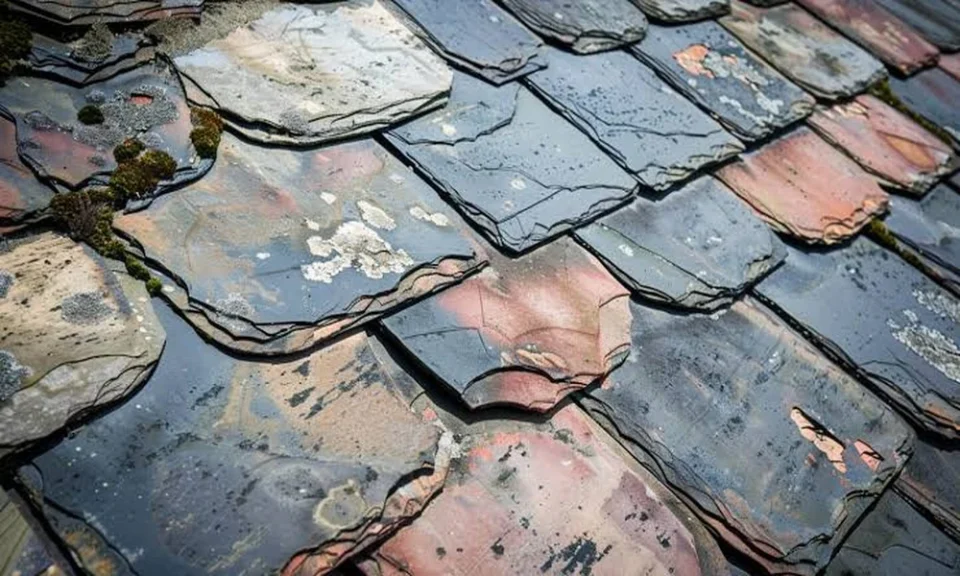
Out in the Permian Basin, a roof lives a hard life even on calm days. The sun bakes asphalt shingles for most of the year, dry wind drags grit across every slope, and then a spring storm rolls in from the west and drops hail the size of golf balls in under ten minutes. When that happens, the real question is rarely whether the roof is damaged. It is whether the damage belongs to the storm or to the years that came before it, because that one distinction decides what an insurance company will pay.
Homeowners in Midland, Odessa and Big Spring who want a trained second opinion on that question often turn to Happy Home Roofing, a residential and commercial roofer whose crews bring more than a century of combined experience and spend much of their time helping families document storm damage before a claim is ever filed. Whoever you call, though, the outcome of a roof claim is shaped by a handful of details that most people never look at until the adjuster is already standing in the driveway.
The Line Between Weather and Wear
Insurers cover sudden, accidental damage. They do not pay for a new roof simply because the old one has worn out, and the Texas Department of Insurance says as much in its consumer guidance on insurance and your roof. That sounds simple, but on a fifteen year old roof in West Texas the two kinds of damage can look surprisingly alike.
Sun aging tends to show up evenly. Shingles shed granules across whole slopes, edges curl, and the asphalt turns brittle and gray. Hail leaves something different. Fresh impacts appear as dark, random spots where granules were knocked loose, and if you press one gently it can feel soft, almost like a bruise on an apple. Wind has its own fingerprints, such as shingles creased along a straight line where they were lifted and folded back, missing tabs on the windward side, or sealant strips torn free.
An adjuster looks for these patterns, and so should you. When storm marks sit on top of an already weathered surface, the claim can still be valid. The documentation simply has to show which damage is new.
Read the Policy Before the Clouds Build
Most people open their declarations page for the first time after a storm, when nothing in it can be changed. A few minutes with it on a clear afternoon tells you more about your eventual payout than any estimate will.
Start with the deductible. In much of Texas, wind and hail now carry a separate deductible figured as a percentage of your dwelling coverage rather than a flat dollar amount. On a home insured for $300,000, a 2 percent wind and hail deductible means the first $6,000 of storm repairs comes out of your own pocket.
Next, find out whether your roof is covered at replacement cost or actual cash value. Replacement cost pays for a comparable new roof at today’s prices. Actual cash value subtracts depreciation for age, which on an older roof can shrink the check dramatically. Some companies switch aging roofs to actual cash value at renewal, so the coverage you bought years ago may not be the coverage you hold now.
Finally, look for a cosmetic damage exclusion. Texas has allowed an endorsement since the late 1990s that removes coverage for hail marks that change how a roof looks without affecting how it performs. This matters most on metal roofs, which are common across the Basin and often dent without ever leaking.
What to Record in the First Hours
The days after a big storm are hectic, and memories blur fast. A simple record made early does more for a claim than anything said later. Before anyone climbs onto the roof, work through these steps from the ground.
- Write down the date and rough time the storm hit, and save any weather alerts that came through on your phone.
- Photograph hailstones beside a coin or ruler if any are still lying in the yard.
- Capture dents on soft metals such as gutters, downspouts, roof vents, the mailbox and the fins on your outdoor AC unit, since these clues help prove the size of the hail.
- Check the attic and ceilings for fresh stains or drips and photograph them while they are still damp.
- Keep receipts for tarps or emergency patches, because most policies expect you to prevent further damage and will reimburse reasonable costs.
Leave the climbing to someone with the right gear. A professional inspection with chalked test squares and close-up photos carries far more weight than phone shots taken from a ladder.
How the Money Actually Arrives
Many homeowners expect a single check for the full amount. With replacement cost coverage, the insurer usually pays in two stages instead. The first check covers the actual cash value minus your deductible. The remainder, known as recoverable depreciation, is released after repairs begin or wrap up and the company receives proof of the work.
Texas law also sets a pace for insurers. Under the state’s prompt payment rules, a company generally has 15 days to acknowledge a claim, then 15 business days after receiving everything it requested to accept or deny it, and 5 business days after accepting to send payment. Delays still happen after widespread hail, but knowing these timelines lets you ask informed questions instead of just waiting by the mailbox.
Missing line items are the most common reason a first offer falls short. An adjuster juggling dozens of claims may leave out drip edge, starter strips, ridge vents, code required underlayment or the cost of tearing off a second layer of old shingles. A roofer can submit a supplement listing these with measurements and photos, and most carriers will review it.
Offers That Deserve a Second Look
Every major storm brings traveling crews knocking on doors, and some of their offers sound generous while putting you at risk. Texas law makes it illegal for a contractor to pay, waive or rebate your deductible, and an insurer can treat that kind of arrangement as fraud. A roofer also cannot serve as your public adjuster on the same property, so be cautious with anyone who promises to take over negotiations with your carrier as part of the job.
Be wary as well of anyone asking for a large payment before materials arrive, pressing you to sign on the spot, or unable to give a local address. A legitimate contractor puts the scope, materials, warranty and payment schedule in writing and is happy to wait while you read every page.
Thinking Past This Storm
A claim is also a chance to make the next one easier. Impact resistant Class 4 shingles cost more upfront, yet many Texas carriers offer premium discounts for them, and they stand up better to the hail that sweeps across the Basin each spring. Better attic ventilation slows the sun aging that blurs the line between wear and weather in the first place. Even a dated photo of your roof taken once a year gives you a baseline that makes the next adjuster’s job, and your own case, much simpler.
None of this requires becoming an insurance expert. It only takes knowing what your policy says, recording what the storm left behind, and working with people who are willing to explain their numbers. A roof that is documented well is a roof that gets paid fairly.
