
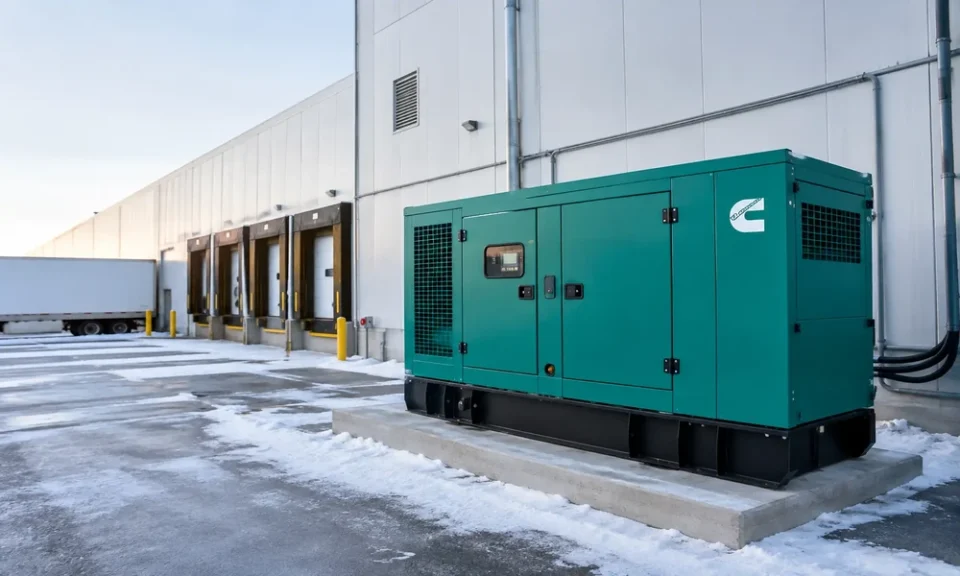
Heavy wet snow on oaks that still have their leaves is the kind of storm that empties hardware store shelves across Warren and Morris counties. Branches give way, lines come down along winding back roads, and crews restore the big feeders first while side streets and long private driveways wait their turn. In the worst storms of the past fifteen years, plenty of households in the hills around Hackettstown waited the better part of a week.
Most people shopping for backup power picture the first few minutes of darkness. The harder test arrives on the second or third day, when fuel runs low, the basement starts to smell damp and nobody remembers which breaker feeds the well.
Talking the timeline through with a Hackettstown electrician before buying anything tends to change the plan. The family-run crew behind njcelectric.com, which handles generator installs alongside panel upgrades and repairs, sees the gap often, homeowners who chose a machine by its wattage sticker and never mapped what the house actually needs as the hours stack up. Walking through an outage in order shows where those needs sit.
The First Hour Sets Up Everything After It
With a permanently installed standby unit, the first hour barely registers. An automatic transfer switch senses the loss of utility power, starts the engine and moves the house over within seconds, then reverses the process when the grid returns.
With a portable generator, the first hour is work. Someone has to wheel it out, fuel it, start it and connect it. How it connects matters more than anything else in this article. The only safe link between a portable unit and household wiring is a transfer switch or a listed interlock kit on the panel, installed by a licensed electrician. Plugging a generator into a dryer outlet or a wall receptacle with a homemade double male cord can send power back out through the transformer and onto the lines, where it endangers the crews working to restore service. This short county building inspection brochure on generator backfeed explains how a transfer switch isolates a home from utility wiring and is worth reading before the first storm.
Placement is the other first-hour decision. Carbon monoxide kills people every outage season, so a portable belongs well away from the house, at least 20 feet from doors, windows and vents, and never in a garage even with the door open.
By Nightfall the House Reveals Its Priorities
Once evening sets in, the loads that truly matter make themselves known. Homes outside the town centers often depend on private wells, and many basements in the area rely on sump pumps to keep groundwater out. A typical order of importance looks something like this.
- Well pump, since no power means no water, no flushing and no washing up.
- Sump pump, especially during spring thaws or a rain-heavy storm.
- Furnace or boiler controls and blower, because oil and gas heat still need electricity to run.
- Refrigerator and chest freezer, which hold safely for a while if the doors stay shut.
- A few lighting circuits, phone chargers and the internet router.
- Any medical equipment, which jumps straight to the top for households that use it.
Motors are the tricky part. A well pump or an older central air compressor can draw two to three times its running wattage for a moment at startup, and a generator sized only for running loads will stall or trip when that surge hits. Modern standby units handle this with load management modules that shed a large appliance briefly so the pump can start.
Day Two Turns Into a Fuel Problem
A mid-size portable running around the clock can burn well over ten gallons of gasoline a day. Gas stations without power cannot pump, and the ones that can draw long lines. Storing enough gasoline safely for several days is awkward, and stored fuel goes stale within months unless it is treated with stabilizer and rotated.
Standby units sidestep this in one of two ways. Homes on a natural gas line can feed the generator directly, giving it an effectively unlimited supply for as long as gas service holds. Homes without gas usually run on propane, which keeps indefinitely but needs a tank large enough for several days of continuous running. A small grill-style cylinder setup will not get far, and an undersized tank that runs dry on day three defeats the purpose of the whole system.
Day Four Shows How Well the Machine Was Chosen
Engines need attention during a long run. Many manufacturers call for an oil change after the first 24 hours of operation on a new unit, and every unit needs oil checks during extended use. A portable that was bought in a hurry and never started since may refuse to start at all, which is why a monthly test run under load is worth the ten minutes it takes.
Standby generators exercise themselves on a weekly schedule, typically for a few minutes, so problems surface on a sunny Tuesday instead of mid-storm. An annual service visit covering oil, filters, the battery and the transfer switch contacts keeps that promise intact. Noise is the other day four reality. A unit that seemed tolerable for an afternoon can wear on neighbors by the fourth night, which is one reason placement and enclosure choices matter during installation.
Choosing Between Essentials and the Whole House
The biggest planning fork is whether to back up everything or only critical circuits. Whole-house coverage means the household barely notices an outage, but it calls for a larger generator, a service-rated transfer switch and often a bigger fuel supply. Essential circuit coverage uses a smaller unit and a subpanel feeding only the loads from the list above, which keeps cost and fuel use down while still protecting the basics.
The existing electrical panel weighs into either choice. An older panel that is already crowded, uses outdated breakers or lacks space for a transfer connection may need attention before a generator is added. Permits also come into play. A standby installation in New Jersey goes through the local construction office, with electrical and fuel gas inspections, and the unit has to sit a manufacturer-specified distance from windows, doors and air intakes.
When the Lights Finally Come Back
Utility power returns without ceremony, often in the middle of the night. A standby system switches back on its own and cools down. With a portable, someone has to flip the transfer switch back to utility, shut the generator down and let it cool before refueling or storing it.
The days afterward are the best time to take notes. Which rooms felt cold, which outlet everyone fought over, how much fuel actually burned and whether the sump kept up all show exactly where the setup fell short. That record turns the next storm from a scramble into a routine, and it gives whoever adjusts the system a clear picture of how the house really lives without the grid.
