
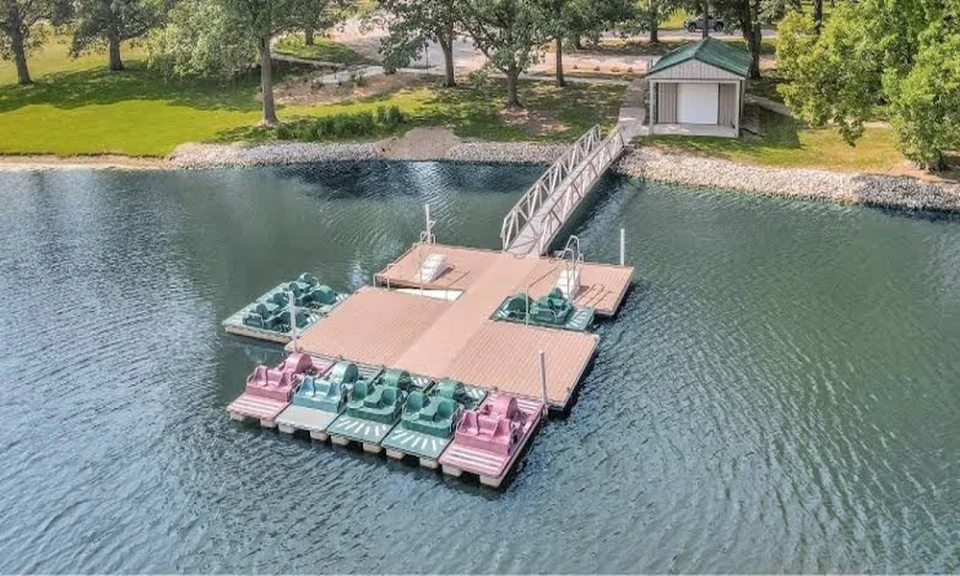
An older waterfront can start to feel tired long before the rest of the property does. Worn boards, narrow walkways, awkward slips, and unstable sections make the dock less enjoyable to use. Replacing the old setup with a new aluminum floating dock gives owners a chance to fix those problems instead of simply rebuilding the same layout.
Replace Worn Dock Sections With a Cleaner Aluminum Frame
Old dock framing often shows its age through sagging sections, loose connections, or repeated repairs. Replacing those areas with an aluminum frame can give the structure a cleaner, more consistent base.
Aluminum does not rot like untreated wood framing. It also works well in modular dock designs because sections can be built around the shape of the waterfront. A boat dock builder can look at which parts of the existing layout still make sense and which ones are better replaced completely.
Update the Layout to Make Boat Access Easier
Many older docks were built around boats that were smaller than the ones owners use today. That can leave slips too narrow or boarding areas in awkward spots.
A new layout gives the owner a chance to rethink where the boat sits and how it approaches the dock. Slip width, turning room, bumpers, and lift placement can all be planned around the current boat instead of working around an outdated setup.
Floating dock builders may also adjust the orientation of the dock if wind or boat traffic makes the old approach difficult.
Add Wider Walkways for Better Everyday Use
Narrow walkways become frustrating once people start carrying coolers, fishing gear, bags, or water toys. A little more width can make everyday use much easier.
Wider sections also give people space to pass each other without stepping around equipment. For families who spend a lot of time outside, that small design change can make the dock feel noticeably more comfortable.
Owners looking at aluminum docks can compare different walkway widths and platform layouts before deciding how much space they really need.
Improve Stability With a Modern Flotation and Anchoring Setup
Older floating docks sometimes move more than they should because the flotation is poorly distributed or the anchoring system has worn over time.
A modern setup can be designed around the actual water depth, bottom conditions, wind exposure, and seasonal water changes. Float placement affects how level the dock feels, while anchoring controls how far it can drift or swing.
The goal is not to make the dock completely rigid. A floating structure still needs to move with the water. It just should not feel loose, uneven, or unpredictable under normal use.
Open Up More Space for Seating, Swimming, and Gear
Modernizing a dock is a good time to stop treating every square foot as boat storage. Some of the most useful space may be a wider platform for chairs, an open swimming edge, or a spot where fishing gear can stay out of the main walkway.
The layout should stay simple enough to move through easily. Storage boxes, ladders, seating, and accessories all need room, but they should not crowd the path between shore and the boat.
That balance can make the waterfront feel more relaxed without making the dock larger than necessary.
Use Low-Maintenance Materials to Cut Down on Upkeep
Older waterfront structures can turn into a cycle of sanding, staining, replacing boards, and tightening hardware. A newer dock can reduce some of that work by using materials that are better suited to constant exposure.
Aluminum framing is one example. Decking can also be selected with maintenance in mind. Buyers comparing aluminum boat docks for sale should look at surface care, drainage, fastening, and how easily damaged components can be repaired or replaced.
Hardware and anchors still need inspection. Low maintenance does not mean no maintenance.
Give the Waterfront a More Finished Look With a New Dock
A new dock can change how the entire shoreline feels. Straight lines, cleaner framing, better access, and a more thoughtful layout can make an older property look much more put together.
The best upgrade is still a practical one. A good design should improve boat access, walking space, stability, and day-to-day use before decorative details are added.
Flotation Systems can transform outdated, deteriorating shorelines by replacing hazardous wood or steel structures with state-of-the-art aluminum floating docks. They streamline the modernization process by handling the technical engineering required to adapt a new, low-maintenance floating system to your existing shoreline footprint. Their premium docks utilize heavy-duty, rust-proof aluminum frames and encapsulated marine floats that seamlessly rise and fall with fluctuating water levels, eliminating the constant adjustments required by aging stationary docks.
