
Why Your Tub is Draining Slow and How to Fix It FastCommon Causes and Diagnosis of a Slow Draining Bathtub
A slow-draining bathtub is a common household annoyance. Water pools around your ankles during a shower. You might hear gurgling sounds or smell unpleasant odors. This minor inconvenience can quickly become a major plumbing headache if ignored.
We know how frustrating this problem can be. That’s why we created this detailed guide. We will help you understand why your tub isn’t draining correctly. We will also give you clear, easy steps to fix it yourself.
We will cover many topics. We’ll show you how to find simple clogs. We’ll also explain deeper plumbing issues. You’ll learn about the right tools and step-by-step DIY solutions. We will also share safe home remedies. Most important, we will help you know when to call a professional for a lasting fix. Our goal is to give you the knowledge to keep your tub draining fast. This will save you time, money, and stress. For those times when expert plumbing solutions are needed, trusted help can make all the difference.
When your bathtub starts draining sluggishly, it’s often a clear signal that something is obstructing the flow. Understanding the common culprits behind slow drainage is the first step toward an effective fix. Most issues stem from blockages within the drain assembly or pipework, but sometimes the problem can be more complex.
Hair, Soap Scum, and Pipe Scale
The vast majority of slow-draining bathtubs are victims of a familiar trio: hair, soap scum, and body oils. Over time, these elements combine to form stubborn clogs. Hair, especially long strands, easily gets caught on drain grates and rough pipe surfaces. Soap, instead of fully dissolving, mixes with body oils and minerals in the water, creating a sticky, greasy residue known as soap scum. This scum adheres to the inside of pipes, narrowing the passage and acting as a magnet for more hair and debris.
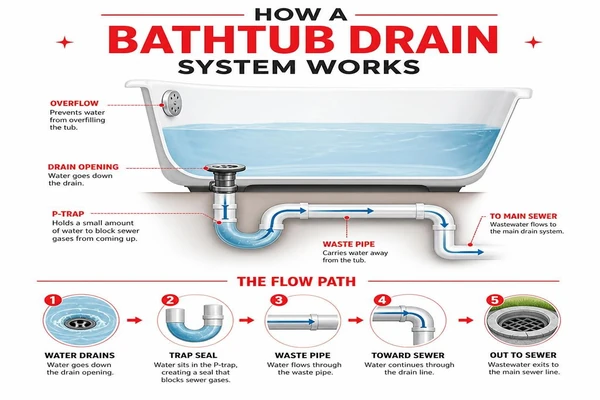
In older homes, particularly those with cast iron pipes, an additional factor comes into play: pipe scale. Cast iron, over decades, can corrode and develop a rough, pitted interior surface. This texture is ideal for trapping hair and soap scum, making clogs more frequent and harder to dislodge. Mineral deposits from hard water also contribute, building up along pipe walls and further constricting the flow. These combined factors create a formidable barrier to proper drainage. Addressing these common issues is crucial for restoring your tub’s functionality, and there are many effective ways to tackle them, as detailed in resources like “What to Do About a Slow Draining Bathtub” from The Spruce.
The Role of the P-Trap and Vent Pipe
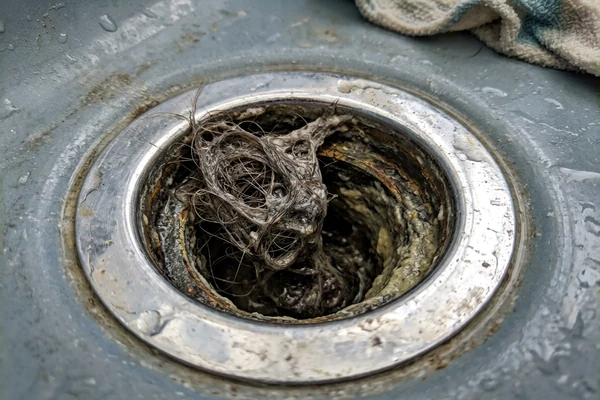
Beyond the immediate drain opening, two critical components of your plumbing system can contribute to slow drainage: the P-trap and the vent pipe.
The P-trap is the U-shaped section of pipe located directly beneath your tub. Its primary function is to hold a small amount of water, creating a barrier that prevents noxious sewer gases from entering your home. However, this curve is also a common collection point for hair, soap scum, and small objects that make it past the drain opening. A significant buildup here will inevitably restrict water flow, leading to slow drainage.
The vent pipe, on the other hand, plays a less obvious but equally vital role. Extending from your drain lines through your roof, the vent pipe allows air into the plumbing system. This air equalizes pressure, ensuring that water can flow smoothly down the drain. If the vent pipe becomes clogged-often by leaves, bird nests, or even ice in colder climates-it creates a vacuum effect. This pressure imbalance prevents water from draining efficiently, often manifesting as slow drainage accompanied by gurgling noises as air struggles to enter the system. A gurgling sound is a strong indicator that you might have a vent pipe issue, rather than just a simple clog.
Older Homes vs. Newer Plumbing Systems
The age of your home’s plumbing can significantly influence the nature and frequency of slow drain problems.
Older Homes (Pre-1970s, generally): These homes often feature cast iron or galvanized steel pipes. As mentioned, cast iron is prone to corrosion and scaling, creating rough surfaces that snag hair and accumulate soap scum more readily than smoother modern pipes. Galvanized steel pipes can also suffer from internal rust and mineral buildup, leading to a gradual reduction in pipe diameter. These older materials are also more brittle and susceptible to damage from harsh chemical drain cleaners. DIY fixes in older homes require a gentler approach to avoid cracking or damaging compromised pipes.
Newer Homes (Post-1970s, generally): Modern plumbing systems typically use PVC (polyvinyl chloride) or ABS (acrylonitrile butadiene styrene) plastic pipes. These materials have smooth interiors, which are less likely to snag debris and accumulate buildup. They are also more resistant to corrosion and the effects of hard water. While still susceptible to hair and soap scum clogs, these pipes are generally easier to clear with standard DIY methods like snaking. However, even in newer homes, significant blockages can occur if preventative measures aren’t consistently applied.
Understanding your home’s pipe materials can help you choose the most appropriate and safest unclogging methods.
Simple Clog vs. Deeper Main Line Problems
Distinguishing between a simple, localized clog and a more serious main line issue is crucial for effective troubleshooting.
Signs of a Simple Clog:
- Isolated Problem: Only your bathtub is draining slowly, while other drains in your home (sinks, toilets) are working perfectly.
- Gradual Slowdown: The drainage has progressively worsened over time, often correlating with increased hair or soap use.
- No Other Symptoms: You don’t notice any sewage odors, gurgling from other fixtures, or water backing up in unexpected places.
Signs of a Deeper Main Line Problem:
- Multiple Fixtures Affected: If your bathtub, toilet, and sink are all draining slowly, or if flushing a toilet causes water to back up into the tub or shower, it’s a strong indicator of a main sewer line blockage.
- Sewage Odors: Unpleasant sewer smells emanating from multiple drains suggest a blockage in the main line, preventing gases from properly venting.
- Water Backing Up: The most alarming sign is sewage or dirty water backing up into tubs, showers, or toilets, especially when you use another water fixture.
- Outdoor Signs: In severe cases, you might notice wet spots or foul odors in your yard, particularly near your sewer line.
Symptom Minor Clog (Bathtub Only) Deep Sewer Line Blockage Affected Fixtures Bathtub only Multiple fixtures (tub, sinks, toilets) Drainage Speed Gradually slows over time All affected drains slow, potentially backing up Gurgling Noises Sometimes, if P-trap or vent is partially blocked Often, from multiple drains or when other fixtures are used Odors Mild, localized, from accumulated debris Strong sewage odors from multiple drains Water Backups Only in the affected bathtub Water/sewage backs up into tub/shower when toilet is flushed DIY Fix Potential High, often solvable with plunger or snake Low, usually requires professional intervention If you suspect a main line issue, or if you’ve tried basic DIY fixes without success in your bathroom, it might be time to investigate further. For guidance on addressing slow drains in other areas, such as a bathroom sink, you can find helpful tips on how to effectively fix a slow draining bathroom sink.
Step-by-Step DIY Methods for an AllStar Slow Draining Tub Fix
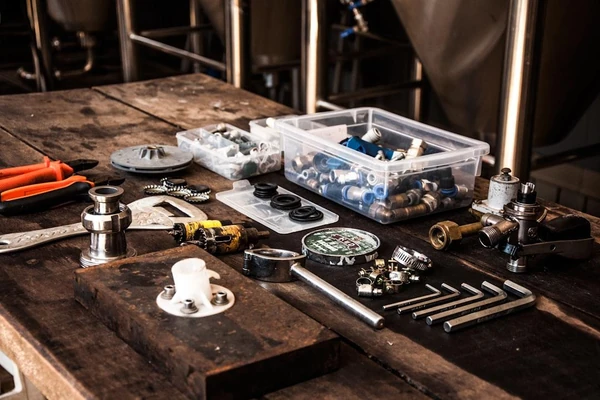
Before calling in the professionals, there are several effective DIY methods you can try to achieve an AllStar slow draining tub fix. These approaches range from simple manual cleaning to using specialized tools, and they can save you both time and money. Always gather your tools and prepare your workspace before you begin.
Cleaning the Stopper and Overflow Linkage
Often, the simplest solution is the most effective. Many clogs begin right at the drain opening, caught by the stopper mechanism.
- Remove the Stopper:Pop-up stoppers: These are usually held in place by a linkage connected to the overflow plate. To remove, you might need to unscrew the overflow plate (two screws typically) and gently pull out the entire assembly, including the stopper and linkage. Some pop-up stoppers can be twisted off directly.
- Lift-and-turn or push-pull stoppers: These can often be unscrewed by hand by turning the knob counter-clockwise or by using pliers if it’s stiff.
- Trip lever stoppers: These have a rocker arm inside the drain that you can usually pull out after removing the overflow plate.
- Clean the Stopper and Linkage: Once removed, you’ll likely find a tangled mess of hair, soap scum, and debris wrapped around the stopper and its linkage. Use a paper towel, old rag, or even pliers to pull off all the accumulated gunk.
- Clean the Drain Opening: Use a flashlight to inspect the drain opening itself. You might be able to reach in with a pair of needle-nose pliers or a hooked tool (like a straightened coat hanger with a small hook bent at the end) to pull out any visible hair or debris just below the opening.
- Reassemble: Carefully reinsert the cleaned stopper and linkage, ensuring it operates smoothly. Test the drain.
How to Plunge a Bathtub Drain Correctly
Plunging is a classic and often successful method for clearing bathtub clogs, especially those closer to the drain opening or in the P-trap. For this, you’ll need a flat-bottomed plunger, not a toilet plunger with a flange.
- Prepare the Tub: Remove the drain stopper and any overflow plate if it interferes with sealing.
- Seal the Overflow: Crucially, the overflow drain needs to be sealed to create effective suction. Use a wet rag, tape, or even a helper’s hand to firmly cover the overflow opening. Without this seal, the plunger will just push air through the overflow, rendering it ineffective.
- Add Water: Fill the tub with enough water to completely submerge the plunger’s rubber cup. About 2-3 inches of water is usually sufficient. This water helps create a tight seal and provides the necessary force.
- Position and Plunge: Place the plunger firmly over the drain, ensuring a good seal. Plunge vigorously with a series of 10-20 rapid up-and-down motions, maintaining the seal. On the last plunge, quickly pull the plunger away from the drain.
- Check Drainage: Observe if the water drains faster. If not, repeat the process several times. For more detailed guidance, This Old House offers excellent advice on how to fix a slow-draining tub, including plunging techniques.
Snaking the Drain Through the Overflow
If plunging doesn’t work, a drain snake (also known as a drain auger or plumber’s snake) is the next step. For bathtubs, snaking through the overflow opening is often more effective than through the main drain. This allows you to bypass the P-trap and reach deeper into the drain line.
- Remove the Overflow Plate: Unscrew the two screws holding the overflow plate in place. Gently pull the plate and any attached stopper linkage out of the overflow opening.
- Insert the Snake: Carefully feed the end of the drain snake (a flexible cable with a corkscrew tip) into the overflow opening. Push it down until you feel resistance, which indicates the clog.
- Engage the Clog: Once you hit the clog, crank the handle on the snake to rotate the cable. This action helps the corkscrew tip to either break up the clog or snag it. If you feel the snake grab something, slowly pull it back out.
- Remove Debris: As you retract the snake, you’ll likely pull out a disgusting mass of hair, soap scum, and other debris. Have a bucket or old newspaper ready to collect this.
- Flush and Test: Once you’ve removed as much as you can, flush the drain with hot water for several minutes to clear any remaining loose debris. Test the drainage. Repeat the snaking process if necessary.
When to Call a Professional for an AllStar Slow Draining Tub Fix
While many slow drain issues can be resolved with DIY methods, there are times when professional intervention is necessary. Knowing when to call in the experts can prevent further damage and ensure a lasting solution. If you’ve tried the DIY steps above and your tub is still draining slowly, or if you notice any of the following signs, it’s time to contact a professional for an AllStar slow draining tub fix.
- Persistent Clogs: You’ve tried plunging and snaking multiple times, but the clog returns quickly or doesn’t clear at all.
- Multiple Slow Drains: If your bathtub, sinks, and toilets are all draining slowly, it indicates a blockage in the main sewer line, which requires specialized equipment and expertise.
- Sewage Backups: Any sign of sewage or dirty water backing up into your tub, shower, or other fixtures is a plumbing emergency that needs immediate professional attention.
- Foul Odors: Persistent, strong sewer gas smells emanating from your drains suggest a significant blockage or a compromised vent pipe.
- Gurgling from Other Fixtures: If using one fixture (like flushing a toilet) causes gurgling in another (like the tub), it’s a sign of a main line or vent pipe issue.
- Suspected Pipe Damage: If you have older pipes and are concerned about corrosion or damage, a professional can perform a camera inspection to assess the pipe’s condition without invasive digging.
- Hydro-Jetting Needs: For severe clogs, especially those caused by grease or tree roots, plumbers use powerful hydro-jetting equipment that blasts water at high pressure to thoroughly clean pipe interiors, a tool not available to homeowners.
A professional plumber has the experience, tools, and diagnostic equipment (like drain cameras) to accurately identify the root cause of the problem and implement a long-term solution.
Safe Home Remedies vs. Chemical Cleaners
When faced with a slow-draining tub, many homeowners instinctively reach for chemical drain cleaners. However, there are safer, more environmentally friendly, and often equally effective home remedies that should be tried first.
The Baking Soda and Vinegar Method
This classic home remedy leverages a simple chemical reaction to help dislodge clogs. It’s particularly effective for breaking down soap scum and organic buildup, but less so for solid objects or severe hair clogs.
- Remove Standing Water: If there’s standing water in the tub, try to remove as much as possible.
- Pour Baking Soda: Pour one cup of baking soda directly down the drain.
- Add Vinegar: Follow with one cup of white vinegar. You’ll immediately hear and see a fizzing reaction, similar to a science fair volcano.
- Cover and Wait: Quickly cover the drain opening with a stopper or a wet cloth to contain the reaction and force it downwards. Let it sit for at least 30 minutes, or even overnight for stubborn clogs.
- Flush with Hot Water: After the waiting period, flush the drain thoroughly with several cups of very hot (but not boiling, especially if you have PVC pipes) water. The hot water helps to wash away the loosened debris.
This method is non-toxic, safe for most pipes (including older ones), and a good first step for minor clogs.
Why You Should Avoid Chemical Drain Cleaners
While chemical drain cleaners promise quick fixes, they come with significant drawbacks and potential dangers that often outweigh their benefits. We strongly advise against their regular use.
- Pipe Damage: The harsh chemicals (often lye or sulfuric acid) in these cleaners generate heat, which can soften PVC pipes, corrode older metal pipes, and even damage seals and gaskets. Repeated use can lead to cracks, leaks, and costly pipe replacement.
- Health Hazards: These products emit toxic fumes that can be dangerous to inhale. Skin contact can cause severe burns, and accidental ingestion is extremely hazardous. Proper ventilation and protective gear are essential if you must use them.
- Environmental Impact: The chemicals eventually enter the wastewater system, potentially harming aquatic life and water treatment processes.
- Ineffectiveness: For severe clogs, chemical cleaners often just eat a small hole through the blockage, creating a temporary fix that quickly clogs again. They don’t typically clear the entire pipe.
- Plumber Safety Risk: If a chemical cleaner fails, and you then call a plumber, residual chemicals in the drain can pose a burn risk to the plumber working on your pipes. Many plumbers will refuse to work on a drain that has recently had chemical cleaners poured into it.
Instead of relying on these risky products, consider safer alternatives. For more detailed information on why chemical cleaners are problematic, explore resources discussing the hidden dangers of DIY drain cleaning.
Implementing an AllStar Slow Draining Tub Fix Prevention Plan
Prevention is always better than cure, especially when it comes to slow drains. A consistent maintenance routine can significantly reduce the frequency of clogs and keep your tub draining freely.
- Use Hair Catchers: This is perhaps the simplest and most effective preventative measure. Install a hair catcher or drain screen over your tub drain. These devices trap hair and larger debris before they enter the pipes. Remember to clean them regularly after each bath or shower.
- Weekly Hot Water Flush: Once a week, after you’ve finished showering, let the hot water run for a few extra minutes. This helps to melt away any accumulated soap scum and oils before they can solidify and form a clog.
- Regular Baking Soda and Vinegar Treatment: Perform the baking soda and vinegar treatment (as described above) once a month as a preventative measure, even if your drain isn’t slow. This helps to keep the pipes clear of minor buildup.
- Avoid Grease and Oils: While bathtubs aren’t typically used for disposing of cooking grease, body oils, bath bombs, and certain bath products can contribute to buildup. Be mindful of what goes down the drain.
- Consider Enzyme Cleaners: Unlike harsh chemical cleaners, enzyme-based drain cleaners use natural bacteria to break down organic matter like hair, grease, and soap scum. They work slowly but are safe for pipes and the environment. Use them periodically according to product instructions.
- Regular Cleaning of Drain Components: Periodically remove and clean your tub stopper and overflow plate, as described in the DIY section. This prevents buildup from accumulating in these easily accessible areas.
By integrating these simple habits into your routine, you can significantly prolong the life of your drains and avoid the headache of a slow-draining tub. For more general advice on maintaining clear drains throughout your home, you can refer to helpful DIY tips for keeping your drains clean and clear.
Frequently Asked Questions About Slow Tub Drains
We understand that you might have more specific questions about your slow-draining tub. Here are answers to some of the most common inquiries.
Can standing water in the tub be safely unclogged at home?
Yes, in most cases, standing water in the tub can be safely unclogged at home, provided you use the right methods and exercise caution. The key is to avoid chemical drain cleaners, especially when water is stagnant, as they can create dangerous fumes and splashes.
Your best first approach is to use a plunger. Ensure you have enough water in the tub to cover the plunger’s bell and create a good seal. Remember to seal the overflow drain as well for maximum effectiveness. If plunging doesn’t work, a plastic drain snake (also known as a hair snake or zip-it tool) is excellent for pulling out hair clogs that are typically the cause of standing water. These tools are inexpensive and designed to navigate the P-trap. If these mechanical methods don’t yield results, or if the water level remains stubbornly high, it’s best to call a professional to prevent further issues.
How long should a bathtub normally take to drain?
A healthy, unobstructed bathtub drain should clear water relatively quickly. Generally, a bathtub full of water should drain completely within one to two minutes. If you notice that your tub takes significantly longer than this-say, three to five minutes or more-then it’s definitely considered a slow drain and indicates a problem.
A good way to gauge this is to fill the tub a few inches after a shower and time how long it takes for the water to disappear completely. If water consistently pools around your ankles during a shower, or if there’s always a small puddle remaining after the shower is off, these are clear signs that your drainage is slower than it should be and warrants attention.
Why does my shower drain gurgle when it drains slowly?
Gurgling sounds coming from your shower or tub drain, especially when it’s draining slowly, are usually a sign of an issue with your plumbing system’s venting. Your plumbing system relies on vent pipes (which typically extend through your roof) to allow air into the drain lines. This air equalizes pressure, ensuring water flows smoothly.
When a vent pipe becomes partially or fully blocked-perhaps by leaves, debris, or even a bird’s nest-it creates a vacuum. As water tries to drain, it pulls air from the nearest available opening, which is often the P-trap of another fixture or the drain itself. This struggle for air causes the distinctive gurgling sound. It’s essentially the sound of air being sucked through the water in the P-trap. While sometimes a severe clog in the drain line itself can cause gurgling, it’s more commonly associated with vent pipe issues or a deeper main line blockage affecting the overall pressure balance of your plumbing system. If you hear gurgling, especially from multiple drains, it’s a strong indicator that you might need professional help to diagnose and clear a vent pipe or main line issue.
Conclusion
A slow-draining bathtub is more than just an inconvenience; it’s a warning sign from your home’s plumbing system. By understanding the common causes-from hair and soap scum to issues with the P-trap or vent pipe-you empower yourself to tackle the problem effectively.
We’ve explored a range of DIY solutions, from cleaning the stopper and mastering the art of plunging to effectively snaking the drain through the overflow. We’ve also highlighted the benefits of natural remedies like baking soda and vinegar, while strongly advising against the use of harsh chemical drain cleaners that can cause more harm than good.
Proactive care through regular maintenance, like using hair catchers and weekly hot water flushes, is your best defense against future clogs. However, knowing when to call a professional is equally important. If your DIY efforts fail, if multiple drains are affected, or if you notice signs of deeper issues like sewage backups or persistent gurgling, don’t hesitate to seek expert help. Addressing these issues promptly not only restores your tub’s functionality but also prevents minor annoyances from escalating into costly plumbing emergencies. Keep your drains clear, and enjoy a smoothly flowing home.
