
Comprehensive Climate Control for Residential and Commercial SpacesUnderstanding the Role of Refrigerant in Comprehensive Climate Control
At the heart of every air conditioning system lies refrigerant, a chemical compound that plays a pivotal role in keeping our indoor environments cool and comfortable. Far from being consumed like fuel, refrigerant circulates within a sealed system, continuously undergoing phase changes to transfer heat. This ingenious process is the bedrock of modern cooling technology.
The journey begins in the evaporator coil, located inside your home. Here, the liquid refrigerant absorbs heat from the warm indoor air, transforming into a low-pressure gas. This heat absorption is what cools the air that is then distributed throughout your space. The now gaseous refrigerant then travels to the compressor, often considered the “engine” of the AC system. The compressor increases the pressure and temperature of the refrigerant gas, preparing it for the next stage.
From the compressor, the high-pressure, hot gas moves to the condenser coil, situated in your outdoor unit. As the refrigerant flows through these coils, it releases the absorbed heat into the cooler outdoor air, reverting back into a liquid state. Finally, the liquid refrigerant passes through an expansion valve, which reduces its pressure and temperature before it returns to the evaporator coil to begin the cycle anew. This continuous loop of heat transfer, facilitated by the refrigerant’s ability to change states, is precisely how your AC system delivers refreshing cool air. Understanding this fundamental process helps us appreciate why proper refrigerant levels are so critical for efficient and effective cooling.
Common Signs of Low Refrigerant in Your AC System
When your AC system starts acting up, it can be frustrating, especially during the sweltering North Carolina summers. While many issues can cause a decline in performance, low refrigerant is a common culprit. Recognizing the signs early can prevent minor inconveniences from escalating into major repairs.
One of the most immediate indicators of a problem is warm air blowing from your vents, even when the thermostat is set to cool. This suggests that the refrigerant isn’t effectively absorbing heat from your indoor environment. Coupled with this, you might notice weak airflow or that your system struggles to push air with its usual force. This can sometimes be confused with other issues, but when combined with other symptoms, it points towards a refrigerant problem. Another tell-tale sign is persistently high humidity indoors. Since refrigerant plays a key role in dehumidification, low levels mean your AC can’t effectively remove moisture from the air, leaving your home feeling sticky and uncomfortable. For a broader understanding of why your AC might not be cooling properly, you can explore common issues that lead to diminished performance.
Identifying Low Refrigerant for Comprehensive Climate Control
Beyond the obvious lack of cool air, several operational cues can signal low refrigerant. You might observe your AC unit running for longer run times than usual, or engaging in short cycling, where it turns on and off frequently without adequately cooling the space. Both scenarios indicate the system is struggling to reach the desired temperature, working harder to compensate for insufficient refrigerant. This increased workload inevitably translates to increased energy bills, as your unit consumes more power trying to achieve its cooling goals. In areas like Houston, where humidity levels are notoriously high, issues like these become even more pronounced. Similarly, in The Triangle, NC, where we experience significant humidity, a struggling AC due to low refrigerant will quickly make indoor conditions unbearable. If you’re experiencing these kinds of performance issues, it might be time to investigate why your AC system isn’t cooling properly.
To help differentiate between low refrigerant symptoms and other common AC problems like airflow restrictions, consider the following:
Symptom Low Refrigerant Airflow Restriction (e.g., dirty filter) Air Temperature Warm or lukewarm air from vents Cool but diminished airflow, or warm if system overheats Cooling Efficiency Poor, takes long to cool, or never reaches set temp Reduced cooling capacity due to poor air circulation Unit Run Time Longer cycles, short cycling Longer cycles, system struggles to maintain temp Energy Bills Significantly higher Higher due to system strain Ice Buildup Common on evaporator coil or suction line Possible on evaporator coil due to lack of heat transfer Humidity Levels High indoors Can be high if system struggles to dehumidify Noises Hissing, bubbling No distinct noises, possibly fan strain Compressor Behavior Runs constantly, or short cycles, may eventually fail Runs constantly, struggles to move air Auditory and Visual Clues of Refrigerant Leaks
Sometimes, your AC system provides more direct, sensory clues that point to a refrigerant issue. Listen carefully for any hissing noises emanating from your outdoor unit or near the indoor evaporator coil. These sounds often indicate refrigerant escaping through a small leak in the lines. Similarly, bubbling sounds can suggest a leak, particularly if you hear them near the refrigerant lines, as escaping gas mixes with any moisture or oil.
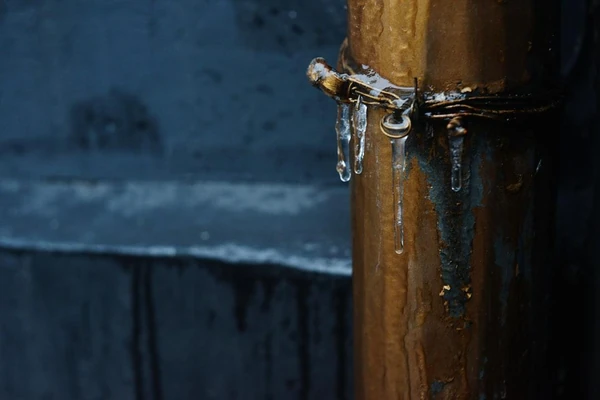
Visually, one of the most classic and alarming signs of low refrigerant is ice buildup on the refrigerant lines or the evaporator coil. While it seems counterintuitive for an AC system to freeze, low refrigerant causes a pressure drop in the evaporator coil. This drop in pressure causes the coil’s temperature to fall below freezing, leading to condensation on the coil freezing into ice. This ice accumulation severely hinders the system’s ability to absorb heat, further reducing cooling efficiency. If you notice a frozen AC evaporator coil, it’s a clear sign that professional attention is needed. Ignoring these signs can lead to more severe damage, making it crucial to act promptly.
Why AC Systems Lose Refrigerant and the Risks of Ignoring It
It’s a common misconception that refrigerant is something that gets “used up” over time, much like gasoline in a car. In reality, your AC system is a closed-loop system, meaning the refrigerant should circulate indefinitely without diminishing. Therefore, if your system is low on refrigerant, it almost invariably points to a refrigerant leak somewhere in the system. Refrigerant doesn’t simply disappear; it escapes.
Several factors can contribute to these leaks. Over time, normal wear and tear can cause microscopic cracks or loose connections in the refrigerant lines. Formicary corrosion, a specific type of corrosion caused by a chemical reaction between copper tubing and certain household chemicals or building materials, can lead to pinhole leaks that are notoriously difficult to detect. Physical damage to the outdoor unit, perhaps from lawn equipment, falling debris, or even rodents, can also puncture lines. Even aging components can become brittle and prone to leaks after years of operation. The useful life of air conditioning equipment is typically about 10-15 years, and older units are naturally more susceptible to such issues.
The Impact of Low Refrigerant on System Longevity
Ignoring the signs of low refrigerant can have severe and expensive consequences for your AC system. When refrigerant levels are low, the system has to work much harder to achieve even a fraction of its cooling capacity. This excessive strain puts immense pressure on critical components, most notably the compressor. The compressor is designed to operate with specific refrigerant pressures and temperatures. When these are out of balance due to low refrigerant, the compressor can overheat, leading to premature wear and ultimately, complete failure. Given that the compressor is often the most expensive component to replace, this can turn a relatively minor leak repair into a significant financial burden.
Beyond compressor damage, low refrigerant can lead to other systemic problems, including overheating of other electrical components and a general decline in overall system efficiency. The constant struggle to cool your home can shorten the entire unit’s lifespan, forcing an early and unplanned replacement. This premature system failure not only impacts your wallet but also your comfort, leaving you without adequate cooling when you need it most. Addressing low refrigerant promptly is crucial for preserving your system’s longevity and avoiding costly breakdowns.
Professional Diagnosis and Repair Protocols
When you suspect your AC system is low on refrigerant, the most critical step is to call a qualified HVAC professional. Attempting to diagnose or “top off” refrigerant yourself is not only ineffective but also dangerous and, in many cases, illegal. EPA regulations, specifically Section 608, mandate that only certified technicians are permitted to handle refrigerants due to their environmental impact. These regulations underscore the importance of professional expertise in dealing with these chemicals.
Upon arrival, a skilled technician will employ a systematic approach to diagnose the issue. They will typically start by interviewing you about the symptoms you’ve observed, gathering crucial information about your AC’s behavior. Next, they will use specialized tools, such as manifold gauges, to accurately measure the pressure within your refrigerant lines. Abnormal pressure readings are a strong indicator of low refrigerant. However, simply noting low pressure isn’t enough; the technician must then perform thorough leak detection. This can involve using electronic leak detectors, applying UV dye to the system (which glows under ultraviolet light at the leak site), or using soapy water solutions to pinpoint escaping bubbles. For complex issues, they might even evacuate the system to safely recover any remaining refrigerant and then pressurize it with nitrogen to find the leak. Understanding how to identify AC refrigerant leaks is a key skill that professionals possess.
Restoring Comprehensive Climate Control Through Proper Repairs
Once a leak is detected, the professional will focus on repairing the lines or replacing the faulty component. It’s crucial that the leak is repaired and not just bypassed or temporarily sealed, as simply adding more refrigerant without fixing the underlying issue is a short-term fix that leads to recurring problems and wasted refrigerant. After the repair is complete, the system will be thoroughly tested to ensure the leak has been eliminated.
The next step involves system evacuation, where a vacuum pump is used to remove all air and moisture from the refrigerant lines. This is vital because air and moisture can contaminate the refrigerant and cause significant damage to the compressor. Finally, the system is precisely recharged with refrigerant to the manufacturer’s specifications. Technicians are trained to use the correct type and amount of refrigerant for your specific unit. Modern AC systems primarily use R-410A, an environmentally friendlier alternative, while older systems may still use R-22 (Freon), which is being phased out due to its ozone-depleting properties. The proper process for repairing refrigerant issues ensures your system operates efficiently and reliably, restoring your home to optimal comfort levels. If you’re experiencing issues with refrigerant pressure, a professional can help solve AC refrigerant pressure problems effectively.
Frequently Asked Questions About AC Refrigerant
Homeowners often have many questions when their AC system shows signs of low refrigerant. We’ve compiled answers to some of the most common concerns to help you better understand this critical aspect of your home’s cooling.
Can I add refrigerant to my AC system myself?
No, you absolutely should not attempt to add refrigerant to your AC system yourself. There are several compelling reasons for this:
- EPA Certification: As mentioned, refrigerants are regulated substances. Handling them requires specific EPA certification (Section 608) due to their potential environmental impact. Uncertified individuals are legally prohibited from purchasing and handling most refrigerants.
- Safety Hazards: Refrigerants are pressurized chemicals that can cause severe chemical burns or frostbite if they come into contact with skin. Inhaling them can also be dangerous. Professionals have specialized equipment and training to handle these substances safely.
- Diagnosis, Not Just a Refill: Low refrigerant almost always indicates a leak, not just a depletion. Simply adding more refrigerant without finding and repairing the leak is akin to refilling a leaky tire without patching it – the problem will persist, and you’ll continue to lose refrigerant.
- System Damage: Overcharging or undercharging your system with refrigerant, or using the wrong type, can cause significant damage to the compressor and other components, leading to much more expensive repairs down the line.
For these reasons, professional handling by a licensed HVAC technician is always the safest and most effective course of action.
How does low refrigerant affect my monthly energy bills?
Low refrigerant levels can significantly impact your monthly energy bills, and not in a good way. When your AC system is low on refrigerant, it struggles to perform its primary function: absorbing and transferring heat. This means the system has to work harder and run longer to try and reach your desired thermostat setting.
This constant, inefficient operation leads to increased system strain and higher power consumption. Your compressor, in particular, will run almost continuously, drawing more electricity than it should. The longer your AC runs, the more energy it uses, directly translating to higher utility costs. Essentially, your system becomes less efficient, meaning you’re paying more money for less cooling. Over time, these elevated bills can add up substantially, making the cost of addressing the refrigerant leak and repair a worthwhile investment for long-term savings. If your AC is running but not cooling, it’s very likely contributing to those higher energy bills.
How can I prevent refrigerant leaks in my North Carolina home?
While some leaks are unavoidable due to aging components or unforeseen physical damage, there are proactive steps you can take to minimize the risk of refrigerant leaks and maintain your AC system’s health in your North Carolina home:
- Annual Maintenance: The most crucial preventative measure is scheduling annual AC maintenance with a qualified HVAC technician. During a spring tune-up, a professional will inspect your entire system, including refrigerant lines, for any signs of wear, corrosion, or potential leaks. They can tighten loose connections, clean coils, and ensure all components are operating optimally. This proactive approach can catch small issues before they escalate into major leaks.
- Spring Tune-ups: Specifically, a spring tune-up prepares your AC for the demanding summer months. Technicians can identify and address minor issues that could lead to refrigerant problems when the system is under heavy load.
- Clearing Outdoor Debris: Regularly inspect your outdoor condenser unit and ensure it’s free from leaves, grass clippings, and other outdoor debris. Keep vegetation trimmed back at least two feet from the unit to ensure proper airflow and prevent physical damage to the coils or lines.
- Filter Changes: While not directly preventing leaks, regularly changing your air filters helps maintain optimal airflow, which in turn reduces strain on your system. A strained system is more prone to wear and tear that could eventually lead to leaks.
By implementing these preventative measures, you can extend the life of your AC system, maintain its efficiency, and reduce the likelihood of encountering costly refrigerant leaks. If you’re in the Durham area and need reliable AC repair, don’t hesitate to reach out to local experts.
Conclusion
Understanding the low refrigerant signs in your AC system is more than just recognizing symptoms; it’s about empowering yourself to protect your home’s comfort, efficiency, and the longevity of your HVAC investment. From the subtle cues of warm air and increased energy bills to the more alarming visual signs of ice buildup and auditory clues of hissing, each indicator points to a critical need for professional attention.
We’ve learned that refrigerant is the lifeblood of your cooling system, circulating in a sealed environment, and its loss always signifies a leak that requires expert repair. Ignoring these issues can lead to severe consequences, including costly compressor damage and a significantly shortened system lifespan.
For dependable comfort and peace of mind, especially during the demanding North Carolina summers, proactive care is paramount. Regular professional maintenance, diligent observation of your system’s performance, and prompt action when issues arise are your best defenses against refrigerant problems. Handling refrigerants is a job for EPA-certified professionals who possess the specialized tools and knowledge to diagnose, repair, and recharge your system safely and effectively. Don’t let a minor leak turn into a major headache. Trust in local HVAC expertise to keep your home cool, your energy bills manageable, and your AC system running smoothly for years to come.
