
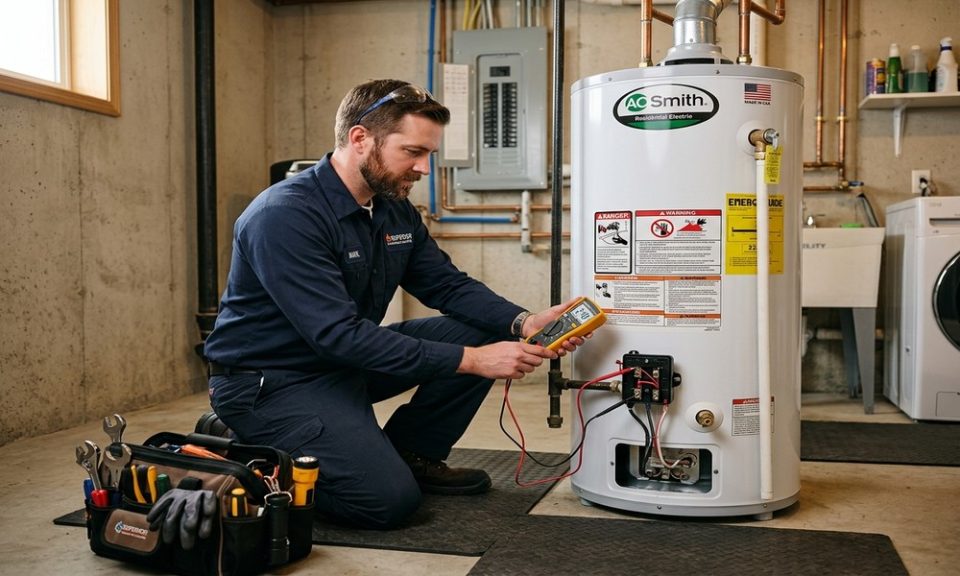
Identifying the Need for Advanced Water Heating Solutions
The silent workhorse of many Los Angeles homes, the water heater, often goes unnoticed until it falters. Recognizing the early warning signs of a failing system can prevent minor inconveniences from escalating into costly emergencies. We encourage homeowners to be vigilant about their water heater’s performance.
Common indicators that your water heater may be in distress include:
- Sediment Buildup: A rumbling or popping sound coming from the tank often signals an accumulation of sediment at the bottom. This reduces efficiency and can lead to premature failure.
- Discolored Water: If your hot water appears rusty or cloudy, it could indicate corrosion inside the tank, especially if you have a traditional tank-style water heater.
- Unusual Noises: Beyond rumbling, banging, or hissing sounds can point to various internal issues, from loose heating elements to pressure problems.
- System Age: Most conventional water heaters have a lifespan of 8-12 years. If your unit is approaching or has exceeded this age, it’s wise to consider professional inspection or replacement.
- Fluctuating Temperatures: Inconsistent hot water, or water that never quite reaches the desired temperature, suggests a problem with the heating element, thermostat, or burner assembly.
- Performance Decline: A noticeable decrease in hot water supply, or the hot water running out much faster than usual, indicates a significant drop in efficiency or capacity.
Ignoring these signs can lead to more severe problems, including leaks or complete system failure. For immediate assessment and resolution of these issues, securing a professional for Fast Los Angeles water heater repair is crucial. Addressing these concerns proactively can extend your water heater’s life and maintain your home’s comfort.
Emergency Plumbing: When to Call for 24-Hour Service in Los Angeles
Plumbing emergencies don’t adhere to a 9-to-5 schedule, and neither do the best emergency plumbing services in Los Angeles. Understanding what constitutes a true emergency is the first step in protecting your home and family.
We consider the following situations to be plumbing emergencies requiring immediate 24-hour service:
- Burst Pipes: A burst pipe can unleash gallons of water per minute, causing extensive water damage to walls, flooring, and foundations. This requires immediate intervention to prevent structural damage and mold growth.
- Gas Odors: If you detect the smell of rotten eggs near your water heater or any gas appliance, it could indicate a gas leak. This is a highly dangerous situation that demands immediate evacuation and a call to both your gas provider and a 24-hour emergency plumber.
- Major Leaks or Flooding: Any significant leak that cannot be contained, or active flooding within your home, requires rapid response to mitigate damage.
- Sewage Backups: An overflowing toilet or sewage backing up into drains presents a serious health hazard due to contaminated water.
- Complete Loss of Water: While not always an emergency, if your entire home suddenly loses water supply, it could indicate a main line break or a localized municipal issue.
- No Hot Water: For many, especially in colder months, a complete lack of hot water is an emergency, impacting hygiene and daily routines. This is particularly true for families with young children or elderly residents.
When faced with any of these situations, immediate action is paramount. We advise homeowners to first locate and shut off their main water supply to prevent further flooding. If gas is involved, evacuate the premises and contact emergency services. Disengaging electricity to flooded areas is also critical to prevent electrocution. Once initial safety measures are taken, contacting a 24-hour emergency plumber in Los Angeles is the next crucial step.
The speed of response in these situations is critical. Many reputable services in Los Angeles pride themselves on rapid deployment; for instance, some emergency plumbing services report an average response time of under 90 minutes, with some even claiming to reach customers in less than 25 minutes. This swift action can significantly reduce potential damage and repair costs.
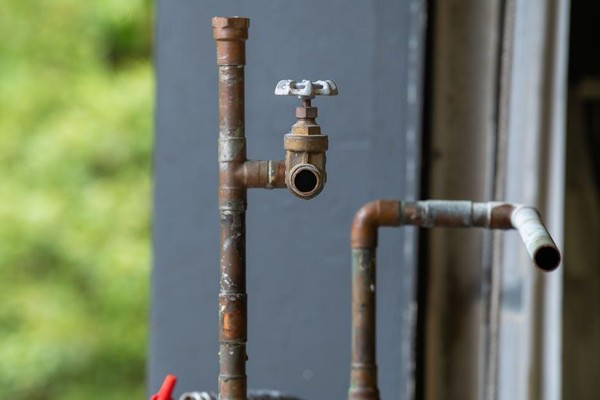
Upgrading to High-Efficiency Systems for Southern California Homes
As homeowners in Los Angeles increasingly prioritize sustainability and cost savings, upgrading to high-efficiency water heating systems has become a popular and practical choice. Modern homes benefit immensely from technologies that offer both comfort and environmental responsibility.
We see a growing trend towards:
- Tankless Water Heaters: These innovative systems heat water on demand, eliminating the need for a storage tank. This means a continuous supply of hot water and significant energy savings, as they only operate when hot water is needed.
- Hybrid Models: Combining the best features of conventional and tankless systems, hybrid water heaters use heat pump technology to extract heat from the air and transfer it to the water, making them incredibly energy-efficient.
- Space-Saving Designs: Tankless and smaller hybrid units free up valuable floor space, offering more flexibility in home design and storage.
Modern high-efficiency water heaters offer numerous advantages, including reduced energy consumption, lower utility bills, and a smaller carbon footprint. While the initial investment might be higher than traditional tank models, the long-term savings and benefits often outweigh the upfront cost.
[TABLE] Comparing Traditional Tank and Tankless Water Heaters
Feature Traditional Tank Water Heater Tankless Water Heater Energy Efficiency Heats and reheats water continuously, even when not in use. Heats water only when needed, highly energy-efficient. Hot Water Supply Limited by tank size; can run out during peak demand. Continuous supply of hot water. Lifespan Typically 8-12 years. Can last 20+ years with proper maintenance. Installation Cost Generally lower upfront cost. Higher initial installation cost. Operating Cost Higher due to standby heat loss. Lower due to on-demand heating. Space Required Requires significant space for the tank. Compact, wall-mounted, saves space. Environmental Impact Higher energy consumption, larger carbon footprint. Lower energy consumption, reduced carbon footprint. Flow Rates Consistent flow until tank is depleted. Excellent flow rates, especially for single-fixture use. Selecting the Right Water Heating Solutions for Your Household
Choosing the ideal water heating system involves more than just selecting a brand. We guide our clients through a comprehensive evaluation process to ensure the chosen solution perfectly matches their unique needs. Key considerations include:
- Capacity Needs: This depends on the number of residents in your home and their hot water usage habits. A larger family or one with multiple bathrooms will require a higher capacity or flow rate.
- Fuel Types: Availability and cost of natural gas, electricity, or propane in your area will influence the most economical choice.
- Peak Hour Demand: Understanding when and how much hot water is typically used simultaneously helps determine if a tankless system’s flow rate can meet demand or if a larger tank is necessary.
- Recovery Rates: For tank systems, the recovery rate-how quickly the water heater can heat a full tank of water-is crucial for ensuring continuous hot water supply.
- Household Size and Usage Patterns: A detailed assessment of daily routines, including showering, laundry, and dishwashing, helps us recommend the most efficient and practical system.
By carefully considering these factors, we can help you select a water heating solution that provides optimal comfort, efficiency, and long-term value for your Los Angeles home.
Proactive Care and Professional Diagnostics
Preventative maintenance is the cornerstone of a reliable water heating system. Just as regular check-ups keep our bodies healthy, routine servicing ensures our water heaters operate efficiently and safely, significantly reducing the likelihood of unexpected breakdowns and emergency repairs.
We advocate for a proactive approach to water heater care, which includes:
- Annual Flushing: Sediment buildup can drastically reduce efficiency and shorten your water heater’s lifespan. An annual flush removes these deposits, maintaining optimal performance.
- Anode Rod Inspection: The anode rod sacrifices itself to prevent corrosion of the tank’s interior. Regular inspection and replacement of this rod are vital for extending the life of your water heater.
- Pressure Relief Valve Testing: This critical safety device prevents excessive pressure buildup in the tank, which could lead to dangerous ruptures. Testing it annually ensures it’s functioning correctly.
- Leak Detection: Even small leaks can lead to significant water damage and mold growth over time. Professional inspections can identify and address these issues early.
- Component Integrity Checks: Technicians assess all major components-heating elements, thermostats, burners, and electrical connections-for wear and tear, replacing parts before they fail.
- Scale Prevention: In areas with hard water, scale buildup can be a persistent problem. Implementing water softening or conditioning solutions can prevent mineral deposits from damaging your water heater and other appliances.
Engaging professional expertise for these diagnostics ensures that every aspect of your water heater is thoroughly checked by someone familiar with the intricacies of various models and systems. This comprehensive approach to maintenance not only extends the life of your unit but also optimizes its performance and safeguards against potential hazards.
Proactive Maintenance for Reliable Water Heating Solutions
Regular maintenance is not just about fixing problems; it’s about optimizing your system for peak performance and longevity. We emphasize several key areas in our proactive maintenance approach:
- Scale Prevention: Addressing hard water issues is crucial in Los Angeles. Water softeners or regular descaling treatments can prevent mineral buildup that clogs pipes and reduces heating efficiency.
- Component Longevity: Through routine inspections and timely replacements of worn parts, we ensure that every component, from heating elements to gas valves, contributes to the overall health of your system.
- Performance Optimization: A well-maintained water heater uses less energy to heat water, leading to lower utility bills and a reduced environmental impact. This includes adjusting thermostat settings and ensuring proper insulation.
- Safety Inspections: Beyond the pressure relief valve, we check for gas leaks, carbon monoxide emissions, and electrical hazards, ensuring your system operates safely within your home.
- Valve Testing: All shut-off valves and drain valves are checked for proper operation, ensuring they can be used effectively in an emergency.
- System Efficiency: By keeping your water heater clean and its components functioning correctly, we help it achieve its maximum energy efficiency rating, providing consistent hot water without excessive energy waste.
By investing in proactive maintenance, homeowners can enjoy peace of mind, knowing their water heating system is reliable, efficient, and safe for years to come.
Frequently Asked Questions about Water Heating Solutions
We understand that homeowners often have many questions when it comes to their water heating systems, especially when an emergency strikes or they’re considering an upgrade. Here, we address some of the most common inquiries we receive.
What constitutes a plumbing emergency in Los Angeles?
A plumbing emergency is any issue that poses an immediate threat to your property, health, or safety. In Los Angeles, this typically includes:
- Burst Pipes: Uncontrolled water flow causing extensive damage.
- Major Leaks: Significant leaks that cannot be contained by simple means.
- Gas Odors: A strong smell of gas near your water heater or gas lines, indicating a potential leak.
- Sewage Backups: Wastewater flowing back into your home, creating a severe health hazard.
- Complete Loss of Water: If your entire home loses water, it could signal a main line break.
- Immediate Safety Risks: Any plumbing issue that could lead to electrical shock, fire, or structural compromise.
These situations require immediate attention from a 24-hour emergency plumber to prevent further damage and ensure safety.
How often should a modern water heater be serviced?
For optimal performance, efficiency, and longevity, we recommend annual maintenance for all modern water heaters, regardless of type (tank, tankless, electric, gas, or hybrid). This annual service typically includes:
- Professional Flushing: To remove sediment buildup from tank units or descale tankless units.
- Safety Inspections: Checking the pressure relief valve, gas lines, electrical connections, and carbon monoxide levels.
- Component Checks: Inspecting heating elements, thermostats, burners, and other critical parts for wear and tear.
- Performance Tuning: Ensuring the system is operating at its peak efficiency.
Regular servicing helps identify potential issues before they become emergencies and extends the lifespan of your unit.
What are the signs that a water heater requires immediate repair?
Several signs indicate your water heater needs prompt professional attention:
- Pooling Water: Any water accumulating around the base of your water heater usually signals a leak.
- Rusty Supply: Hot water that appears rusty or discolored suggests internal tank corrosion.
- Metallic Odors: A metallic smell from your hot water can also indicate corrosion.
- Popping or Rumbling Sounds: Loud noises from the tank typically mean sediment buildup.
- Inconsistent Heat: Water that is lukewarm, suddenly turns cold, or runs out quickly.
- Pilot Light Issues: For gas water heaters, a pilot light that frequently goes out or won’t ignite.
Addressing these signs promptly can prevent a complete breakdown and more expensive repairs down the line.
Conclusion
Investing in modern plumbing and water heating upgrades is more than just a home improvement; it’s an investment in your property’s value, efficiency, and the long-term comfort and safety of your household. From recognizing the subtle signs of a struggling water heater to understanding when to call for urgent 24-hour repair in Los Angeles, proactive engagement is key.
By choosing high-efficiency systems and committing to regular maintenance, homeowners can significantly reduce utility costs, minimize their environmental footprint, and enjoy a consistent, reliable supply of hot water. When emergencies strike, knowing that expert assistance is available around the clock provides invaluable peace of mind. We are dedicated to ensuring your home’s infrastructure is healthy, efficient, and ready to meet the demands of modern living.
