
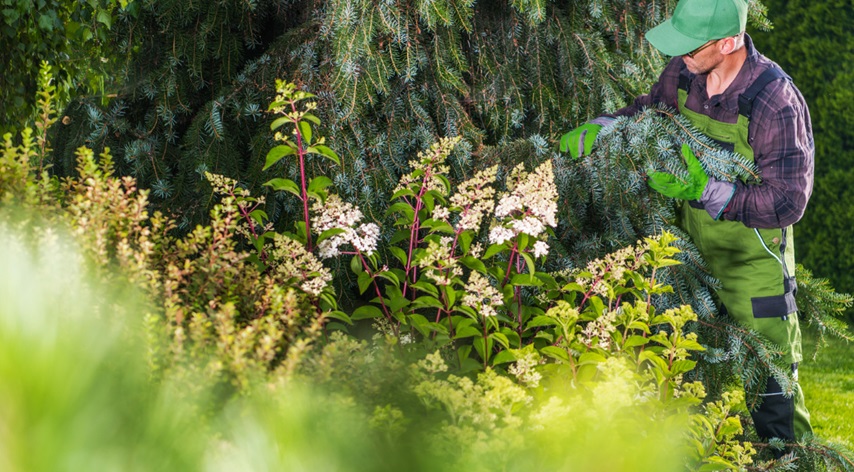
Trees are a vital part of your property, offering shade, beauty, and even an increase in property value. However, when they sustain damage, whether from storms, pests, or aging, it is essential to explore repair solutions before considering removal. Consulting a professional arborist in Alpharetta can help you assess the damage and explore viable options to restore the health of your trees. With their expertise, many trees can be saved, preventing unnecessary replacements and preserving the environment around your space.
This article will provide an overview of effective tree damage repair methods, the role of certified arborists, and the importance of understanding when repair might be a realistic alternative to removal.
Common Causes of Tree Damage and Their Effects
Tree damage can result from a variety of factors, including severe weather, pests, disease, or improper pruning. Such damage may weaken branches, affect the structural stability of the tree, or even compromise its overall health. Understanding the root cause of the issue is a critical first step in determining whether repairs are possible or removal is unavoidable.
Addressing tree health problems early can often save a tree. Professional services help spot warning signs such as ailing trunks, decaying roots, or thinning canopies, increasing the chances of a successful repair.
When is Repair Possible?
Not all tree damage requires removal. Many issues, such as broken branches, nutrient deficiencies, or surface wounds, can be treated effectively. A professional arborist uses specialized tools and techniques to assist the tree’s natural recovery process. Their goal is to protect the health of the tree while ensuring safety for those nearby.
Understanding tree care at a deeper level often starts with knowing what an arborist really does. Arborists specialize in tree health assessment and take the time to evaluate whether a tree is salvageable. This expertise can help you find restoration solutions before making the decision to cut down a tree.
Solutions to Repair Tree Damage
1. Bracing and Cabling
When a tree has structural weaknesses, bracing and cabling provide the added support needed to stabilize it. These techniques involve installing flexible steel cables and strong braces to reduce stress on certain areas, such as weak branches or splitting trunks.
2. Pruning Damaged Areas
Selective pruning can remove broken or diseased branches while preserving the integrity of the tree’s overall structure. This process encourages healthy regrowth and minimizes the risk of disease spreading through untreated areas of the tree.
3. Wound Dressing
For tree wounds resulting from storm damage, pest issues, or human activity, arborists apply wound dressing to seal exposed areas. This reduces the chance of infection or decay, helping the tree heal faster.
4. Soil Modification
Issues like soil compaction or nutrient depletion can prevent trees from recovering. Improving soil quality with aeration, organic matter, and proper fertilization promotes better root health, enabling the tree to regain its strength.
5. Pest and Disease Management
Trees affected by pests or fungi require targeted solutions. Arborists may use specialized treatments, such as sprays or systemic injections, to eliminate harmful organisms and protect the tree from further harm.
6. Routine Maintenance
Consistent care, including periodic inspections and cleaning debris around a tree’s base, ensures that minor issues are identified and resolved before they escalate. Healthy trees are more resilient to damage, making maintenance a key part of prevention.
How Professional Tree Care Makes a Difference
Professional tree repair services provide tailored solutions that go beyond basic care. Arborists are trained to evaluate the structural stability of a tree, use precise techniques to repair damage, and recommend long-term maintenance strategies. Their expertise ensures that repairs are implemented safely and effectively, increasing the probability of saving a damaged tree.
Collaborating with arborists removes the guesswork and reduces risks, especially in complex situations involving large or aging trees. Their assessments factor in safety concerns, environmental impacts, and aesthetic outcomes, ensuring decisions align with your property’s needs. The consideration of when to call an arborist for a tree health assessment also highlights how regular evaluations prevent irreversible damage or unnecessary removals. Technical assessments provide clarity on what approach is best suited for long-term results.
Conclusion
Trees are important assets on any property, which is why exploring repair solutions before opting for removal is always worthwhile. By addressing tree damage with professional care, you can salvage the structure and health of your trees, extending their lifespan and preserving your landscape. With the expertise of an arborist, solutions such as bracing, pruning, and disease management can transform damaged trees into thriving elements of your outdoor space.
