
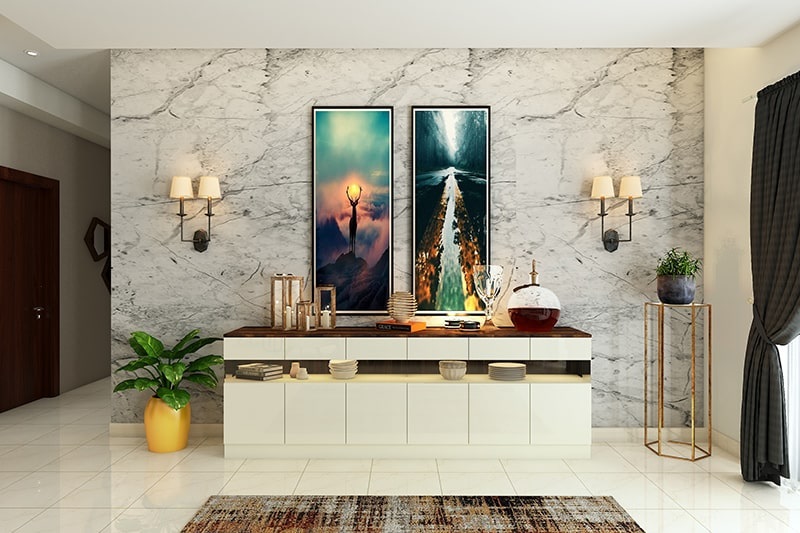
Fundamental Principles of Home Interior Design
We all envision a home that perfectly reflects who we are. It should be a place where comfort meets beauty, and every room tells a story. Creating such a space might seem overwhelming, but it’s an exciting journey.
Good home interior design goes beyond simply picking colors or furniture. It deeply influences our mood, productivity, and overall well-being. A well-designed living area brings spatial harmony and can transform daily life, making routines more enjoyable and relaxation more profound.
We will guide you through the exciting world of home interior design. We’ll explore fundamental principles, help you define your unique style, and show you how to avoid common pitfalls. Get ready to discover practical steps for planning room layouts, shopping smart, and adding those personal touches that make a house truly feel like home.
At the heart of every beautifully designed space are a few core principles that guide the arrangement of elements and create a cohesive look. Understanding these fundamentals is crucial for anyone looking to embark on their interior design journey, whether for a single room or an entire home.
The seven key principles of interior design are:
- Balance: This refers to the equal distribution of visual weight in a room. It can be symmetrical (identical elements on either side of a central axis), asymmetrical (different elements with equal visual weight), or radial (elements arranged around a central point). Achieving balance creates a sense of equilibrium and stability.
- Proportion: This principle deals with the relationship of parts to a whole and to each other. It ensures that elements within a room are appropriately sized relative to one another and to the overall space. A sofa that’s too large for a small living room, for instance, would violate this principle.
- Scale: Similar to proportion, scale relates to the size of an object in relation to other objects and to the room itself. Good scale prevents a room from feeling too sparse or too crowded.
- Rhythm: This is about creating a sense of movement throughout a space, leading the eye from one element to another. It can be achieved through repetition (of colors, patterns, shapes), alternation (two elements repeating in sequence), progression (elements increasing or decreasing in size), or contrast.
- Harmony: Harmony is the feeling of all elements belonging together, creating a unified and complete look. It’s the result of successfully applying all other principles, ensuring consistency in style, color, and texture.
- Emphasis: Every room needs a focal point—a dominant element that draws the eye first. This could be a fireplace, a large window with a view, a piece of art, or a striking piece of furniture. Emphasis creates interest and guides the viewer.
- Unity: This is the overarching principle that ties everything together. Unity ensures that all elements in a room work together to create a singular, coherent theme or message, even if there are diverse elements.
Beyond these principles, the core design elements are the building blocks we use:
- Color: Influences mood, perception of space, and emotional response.
- Light: Both natural and artificial, light affects color perception, mood, and highlights features.
- Texture: Adds depth and sensory appeal, whether tactile (rough, smooth) or visual (patterned fabric).
- Line: Creates visual direction and defines shapes, from horizontal lines (calming) to vertical (elevating) and dynamic (curved, diagonal).
- Form: The shape and structure of objects, whether geometric or organic.
- Space: The three-dimensional area within a room, including both filled (positive) and empty (negative) spaces.
Understanding these foundational concepts is the first step towards creating a truly exceptional space. For those looking to delve deeper into the nuances of these elements and how they contribute to a well-structured and aesthetically pleasing environment, exploring resources dedicated to the intricacies of home interior design can provide invaluable insights and practical applications.
Developing Your Personal Aesthetic and Layout Plan
Before you even think about buying furniture or paint, understand what you truly love. Developing your personal interior design aesthetic is a journey of self-discovery. It’s about curating a style that resonates with your lifestyle, preferences, and the atmosphere you want to cultivate in your home.
One of the most effective tools for this is the mood board. A mood board is a collection of images, textures, colors, and materials that inspire you. It can be physical (magazine clippings, fabric swatches) or digital (Pinterest boards, Houzz ideabooks). As you gather ideas, patterns will emerge, helping you identify your preferences. Do you lean towards the clean lines and functionality of Scandinavian style, with its emphasis on natural light, minimalist decor, and neutral palettes? Or perhaps the cozy, rustic charm of Modern Farmhouse, blending traditional elements with contemporary comfort? You might be drawn to the raw, urban edge of Industrial design, featuring exposed brick, metal, and reclaimed wood, or the retro-futuristic appeal of Mid-century Modern, with its iconic furniture shapes and organic forms. Don’t be afraid to mix and match; your unique aesthetic might be an eclectic blend of several styles.
Once you have a clearer vision of your aesthetic, the next critical step is planning your room layout for practicality and functionality. This involves more than just fitting furniture into a space; it’s about optimizing flow, comfort, and purpose.
Start by measuring your room accurately. Then, measure the furniture pieces you either own or plan to acquire. Use graph paper or an online room planner tool to draw out different arrangements to scale. Consider the room’s primary function: Is it a high-traffic living room for entertaining, a quiet bedroom sanctuary, or a functional home office?
Key considerations for layout planning include:
- Traffic Flow: Ensure there are clear pathways between entry points and key furniture pieces. Avoid placing large items where they obstruct movement.
- Focal Points: Identify natural focal points (like a fireplace or a large window) and arrange furniture to highlight them. If there isn’t a natural one, create one with a statement piece of art or furniture.
- Functionality Zones: In larger or open-concept rooms, divide the space into distinct zones for different activities (e.g., a conversation area, a reading nook, a dining space).
- Furniture Scaling: Ensure furniture is appropriately sized for the room. Oversized pieces can make a room feel cramped, while undersized items can make it feel empty.
- Light Sources: Plan your layout to maximize natural light and ensure artificial lighting is strategically placed for both ambient and task lighting.
Here’s a quick comparison to help you think about layout choices:
Feature Open-Concept Layout Traditional Room Layout Space Perception Feels larger, more airy, and interconnected Defined, intimate, and often more formal Functionality Promotes social interaction, flexible use of space Clear separation of activities, less noise transfer Privacy Less privacy, sounds travel easily More privacy, sound containment Lighting Natural light can penetrate deeply Can create darker corners, requires more artificial Heating/Cooling Can be less energy-efficient to heat/cool Easier to zone heat/cool, potentially more efficient Design Challenge Requires cohesive design across large area Each room can have a distinct design By thoughtfully developing your aesthetic and meticulously planning your layout, you lay a solid foundation for a home that is both beautiful and perfectly suited to your life.
Essential Steps for a Room-by-Room Transformation
Transforming a room from an empty canvas to a personalized haven involves a series of deliberate steps. We approach this process systematically, ensuring that each decision builds upon the last to create a cohesive and functional space.
Defining the Foundation with Home Interior Design
The foundation of any room’s design starts from the ground up, literally.
- Flooring: The choice of flooring significantly impacts the room’s aesthetic, comfort, and maintenance. Hardwood flooring remains a timeless choice, offering durability, warmth, and versatility that complements various design styles. Its natural variations add character, and it can be refinished multiple times, extending its lifespan. When considering your home’s long-term health and value, it’s also important to think about the structural integrity from the top down. For instance, understanding maintenance needs for different roof types, such as the average flat roof cost for repair or replacement, can be a crucial part of holistic home planning, ensuring your interior investments are protected by a sound exterior.
- Area Rugs: Once the primary flooring is in place, area rugs are essential for defining zones, adding warmth, absorbing sound, and introducing color and texture. They can anchor a seating arrangement, add softness to a bedroom, or bring a pop of pattern to a minimalist space.
- Texture Layering: This is a crucial technique for adding depth and interest to a room. Combine different textures through fabrics (velvet, linen, wool), natural elements (wood, stone, woven baskets), and finishes (matte, glossy, distressed). Layering textures prevents a room from feeling flat and adds a tactile dimension that invites touch.
- Color Palettes: With the foundation set, select a cohesive color palette. This typically involves a dominant neutral, a secondary color, and an accent color. Consider the mood you want to evoke and how colors interact with natural and artificial light.
- Natural Light: Maximize natural light whenever possible. Sheer curtains, strategically placed mirrors, and light-colored walls can amplify brightness. Natural light not only makes a room feel larger and more inviting but also impacts how colors are perceived.
Selecting Furniture for Functionality and Home Interior Design
Once the foundational elements are addressed, the focus shifts to furniture, which serves both functional and aesthetic purposes.
- Focal Points: Every well-designed room has a focal point – a feature that immediately draws the eye. This could be a striking piece of art, a fireplace, a large window, or a uniquely designed furniture piece. Arrange other furniture to complement and highlight this focal point.
- Ergonomics: Prioritize ergonomics for comfort and health. Seating should be comfortable and supportive, and tables should be at appropriate heights. This is especially important in areas like home offices or dining rooms where prolonged use occurs.
- Multi-functional Pieces: In smaller spaces or for maximizing utility, opt for multi-functional pieces. Think ottomans with storage, sofa beds, nesting tables, or benches that double as seating and storage.
- Quality Materials: Investing in quality materials for key furniture pieces pays off in the long run. Durable frames, resilient upholstery, and solid wood construction ensure longevity and can elevate the overall feel of your home.
- Artisan Textiles: Incorporate artisan textiles like hand-block printed cushions, woven throws, or unique tapestries. These pieces add a layer of authenticity, cultural richness, and unique personality that mass-produced items often lack.
- Symmetry: While not always necessary, employing symmetry in furniture arrangement can create a sense of order, balance, and formality. This can be achieved by mirroring two identical chairs on either side of a fireplace or placing matching bedside tables and lamps in a bedroom.
By following these steps, we ensure that each room we transform is not only visually appealing but also highly functional and a true reflection of the homeowner’s style.
Avoiding Common Decorating Mistakes and Outdated Trends
Even with the best intentions, it’s easy to fall into common decorating traps or cling to trends that have passed their prime. Knowing what to avoid is just as important as knowing what to embrace.
One of the most pervasive mistakes is excessive clutter. A cluttered space feels chaotic, stressful, and makes it impossible to appreciate individual pieces. This often stems from holding onto too many small, insignificant items or simply having too much stuff. Interior designers frequently advise against decorative elements like cliché word art (e.g., “Live, Laugh, Love” signs) that lack originality and personal meaning, making a space feel generic and dated.
Another pitfall is the overuse of faux distressed finishes. While genuine vintage patina adds character, artificial distressing often looks cheap and can detract from a home’s authenticity, especially in older properties. Similarly, displaying too many small unframed photos can contribute to visual noise rather than curated memories. Instead, opt for larger, framed prints or a thoughtfully arranged gallery wall.
Looking ahead to 2026, some trends are already showing signs of fading or evolving. While specific predictions can vary, we anticipate a continued move away from overtly themed spaces (like full-blown farmhouse chic) towards more nuanced, personalized, and sustainable designs. The emphasis will likely be on quality over quantity, natural materials, and custom elements that tell a story.
When considering the overall appeal of a home, it’s not just the interior that matters. Curb appeal plays a significant role in first impressions and overall property value. A well-maintained exterior complements a thoughtfully designed interior, creating a harmonious experience from the street to the living room. For comprehensive guidance on enhancing your home’s exterior, including everything from siding to landscaping, exploring various Home exterior solutions can provide valuable insights and inspiration for creating a unified and attractive property.
To summarize common mistakes and trends to discard:
- Cliché Word Art: Replace with genuine artwork, personal photos, or meaningful objects.
- Faux Distressed Finishes: Opt for authentic vintage pieces or well-crafted new items.
- Excessive Clutter: Regularly declutter and curate your possessions, keeping only what is meaningful or functional.
- Small Unframed Photos: Create a gallery wall with framed photos or store them in albums.
- Overly Themed Decor: Move towards a more layered, eclectic, and personal style rather than sticking rigidly to one theme.
- Outdated Color Palettes: While trends evolve, avoid colors that feel overly saturated or jarring for your space.
- Poor Lighting: Relying solely on overhead lighting can make a room feel flat. Layer your lighting for depth and ambiance.
By consciously avoiding these common missteps and letting go of outdated trends, we can ensure our homes remain fresh, personal, and truly reflective of contemporary design principles.
Budget-Friendly Upgrades and Personal Touches
You don’t need a massive budget to make a significant impact on your home’s interior design. Many of the most effective transformations come from thoughtful, low-cost upgrades and the incorporation of personal touches. These elements breathe life into a space, making it feel unique and welcoming without breaking the bank.
Here are some of our favorite low-cost upgrades and ways to inject personality:
- Layered Lighting: This is one of the quickest ways to change a room’s mood. Instead of relying on a single overhead light, incorporate task lighting (table lamps, floor lamps) and accent lighting (picture lights, strip lights). Experiment with smart bulbs that allow you to change color temperature and brightness from your phone, adapting the ambiance to any occasion.
- Indoor Plants: Bringing greenery indoors instantly refreshes a space. Plants purify the air, add natural texture, and introduce a calming organic element. Choose plants that suit your light conditions and level of care, and select attractive planters that complement your decor.
- Hardware Updates: Swapping out old cabinet pulls, drawer handles, and even door knobs can dramatically update the look of kitchens, bathrooms, and built-ins. This small detail can make a big difference for minimal cost.
- Paint-by-Numbers Art: For a unique and personal touch, consider creating your own artwork. Modern paint-by-numbers art kits offer sophisticated designs that, once completed and framed, can look surprisingly professional and add a personal story to your walls.
- Vintage Finds: Scour flea markets, thrift stores, and online marketplaces for vintage finds. A unique antique mirror, a retro side table, or a set of charming decorative objects can add character and history to a room. Often, these pieces are more affordable and better made than new items.
- Seasonal Textiles: Update your space seasonally with new throw pillows, blankets, and curtains. Lighter fabrics and brighter colors for spring/summer, and richer textures and warmer tones for fall/winter. This keeps your home feeling fresh and responsive to the changing year.
- Accent Walls: A single accent wall painted in a bold color or covered in removable wallpaper can transform a room without committing to a full repaint or redecoration. It creates a focal point and adds depth.
Here is a list of low-cost home refreshes to consider:
- Declutter and Organize: Free and instantly makes a space feel larger and cleaner.
- Rearrange Furniture: Give your room a new perspective by simply moving existing pieces.
- Deep Clean: A sparkling clean home always feels refreshed.
- Update Throw Pillows and Blankets: Inexpensive way to introduce new colors and textures.
- Add a Large Mirror: Reflects light, makes a room feel bigger, and adds a decorative element.
- Paint a Door: A pop of color on an interior door can be a fun, unexpected detail.
- Bring in Fresh Flowers/Greenery: Adds life and a pleasant aroma.
- Change Shower Curtains: An easy and affordable bathroom update.
- Install Peel-and-Stick Backsplash: Quick kitchen or bathroom upgrade.
- Update Light Fixtures: Even a simple change can modernize a room.
By focusing on these manageable changes and infusing your home with items that tell your story, you can achieve a thoughtfully designed space that feels both luxurious and genuinely yours, all while respecting your budget.
Frequently Asked Questions about Interior Design
We often encounter similar questions from individuals eager to enhance their living spaces. Here, we address some of the most common inquiries to provide clarity and practical advice.
What are the best ways to decorate a room on a budget?
Decorating on a budget is entirely achievable with creativity and strategic planning. The best approaches involve:
- Prioritizing Needs vs. Wants: Identify essential functional pieces first, then allocate remaining budget to decorative items.
- DIY Projects: Embrace projects like painting an accent wall, creating your own artwork (as mentioned with paint-by-numbers kits), or refinishing old furniture.
- Thrift and Second-Hand Shopping: Explore local thrift stores, consignment shops, and online marketplaces for unique, high-quality pieces at a fraction of the cost. Look for good bones that can be easily updated.
- Strategic Splurges: Invest in a few key, high-impact items that will last and make a statement, such as a comfortable sofa or a timeless rug. Economize on accessories.
- Leveraging Sales and Discounts: Plan purchases around seasonal sales or clearance events.
- Utilizing Existing Items: Reupholster old chairs, rearrange existing decor, or move items between rooms to give them a new lease on life.
How do I choose a timeless design style that won’t go out of fashion?
Choosing a timeless design style involves focusing on enduring aesthetics rather than fleeting trends. Here’s how to approach it:
- Embrace Classic Elements: Look for styles that have stood the test of time, such as Traditional, Mid-Century Modern, or even well-executed Scandinavian. These styles often feature clean lines, quality craftsmanship, and balanced proportions.
- Neutral Base Palette: Start with a neutral color palette for walls and large furniture pieces (sofas, beds). This provides a versatile backdrop that can be easily updated with accessories.
- Quality Over Quantity: Invest in well-made furniture pieces crafted from durable materials. These items will last longer and often possess a classic appeal that transcends trends.
- Natural Materials: Incorporate natural materials like wood, stone, linen, cotton, and wool. These materials have an inherent timelessness and add warmth and texture.
- Personalization: While classics provide a foundation, inject your personality through art, books, and meaningful objects. These personal touches ensure your home feels unique and never sterile or generic.
- Functionality: Timeless design is often rooted in functionality. Spaces that work well for daily living tend to remain relevant regardless of changing aesthetics.
What is the most common mistake beginners make in home design?
The most common mistake beginners make is rushing the process and buying items impulsively without a cohesive plan or understanding of their personal aesthetic. This often leads to:
- Inconsistent Style: A collection of unrelated pieces that don’t flow together, making the room feel disjointed.
- Poor Layout: Furniture that doesn’t fit the space, obstructs traffic flow, or doesn’t serve the room’s function effectively.
- Clutter: Buying too many small, decorative items that add visual noise rather than enhancing the space.
- Ignoring Scale and Proportion: Purchasing furniture that is either too large or too small for the room, creating an unbalanced look.
- Neglecting Lighting: Relying on a single overhead light source, resulting in a flat, uninviting atmosphere.
To avoid this, we always recommend starting with the steps outlined earlier: define your personal aesthetic with mood boards, meticulously plan your layout, and then make intentional purchases based on that vision. Taking your time, even if it means living with an unfinished room for a while, will ultimately lead to a more satisfying and enduring design.
Conclusion
Embarking on a home interior design project, whether big or small, is an opportunity for profound personal expression and the creation of spaces that truly enhance daily life. From understanding the fundamental principles of balance and rhythm to defining your unique aesthetic through mood boards, every step contributes to a home that feels authentically yours.
We’ve explored how careful planning, smart shopping, and avoiding common pitfalls like excessive clutter or outdated trends can transform your living spaces. The foundation of a well-designed home extends beyond the interior, with considerations for structural elements and the overall health of your property.
Good design is about creating functional beauty that reflects your personality, supports your lifestyle, and brings you joy. By focusing on quality materials, layering textures, optimizing lighting, and integrating personal touches, you can achieve cohesive aesthetics that offer long-term value and evolve with you. Your home is a canvas, and with these insights, you are well-equipped to paint a masterpiece.
