
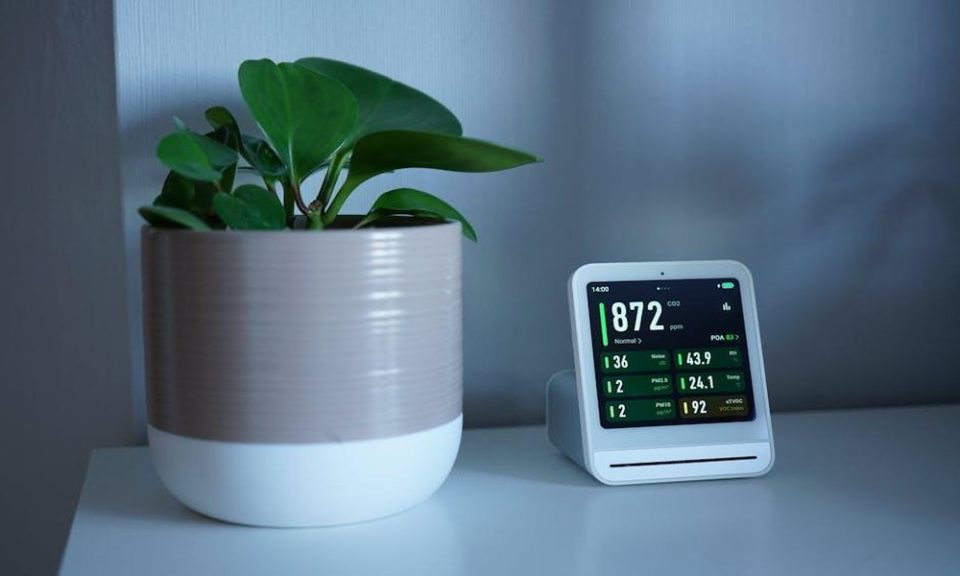
Understanding Home Climate and Air Quality
We spend a significant portion of our lives within the walls of our homes. For many of us, this means about 90% of our time is spent indoors. Because of this, the quality of the air we breathe inside directly impacts our health and comfort.
Unfortunately, indoor air can be far more polluted than the air outside. Globally, household air pollution contributes to millions of premature deaths each year, often linked to inefficient heating or cooking methods. Even in modern homes, factors like inadequate ventilation, hidden pollutants, and improper climate control can create an unhealthy environment.
Understanding our home’s climate and air quality is not just about comfort; it’s about safeguarding our well-being. This guide will help us explore what indoor air quality (IAQ) truly means, identify common pollutants, and highlight the critical role our HVAC systems play in maintaining a healthy living space. We will also look at effective strategies for long-term improvement and remediation. Ensuring our home’s systems are in top condition, for instance, by working with Certified AC maintenance experts, is a vital step in this process.
Join us as we uncover how to transform our homes into sanctuaries of clean air and optimal climate.
Indoor Air Quality (IAQ) refers to the air quality within and around buildings, specifically as it relates to the health and comfort of building occupants. It’s a complex interplay of various factors, including the presence of pollutants, temperature, humidity, and ventilation. A healthy home climate isn’t just about feeling comfortable; it’s about creating an environment that actively supports our physical and mental well-being.
Temperature control is a fundamental aspect of home climate. While we often adjust thermostats for comfort, temperature also influences IAQ in more subtle ways. Higher indoor temperatures can increase the rate at which certain chemicals, like Volatile Organic Compounds (VOCs), off-gas from building materials and furnishings. This means a warmer home might inadvertently lead to higher concentrations of airborne pollutants.
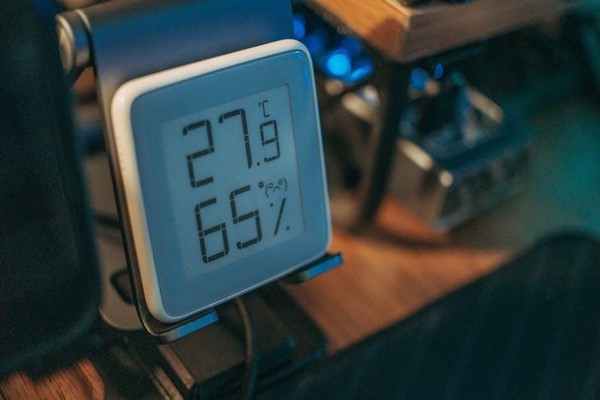
Humidity management is equally critical. The ideal indoor relative humidity typically falls within the 30-50% range. When humidity levels are too high (above 60%), they create a fertile ground for biological pollutants like mold, mildew, bacteria, and dust mites to thrive. These organisms can trigger allergies, asthma, and other respiratory issues. Conversely, excessively low humidity can lead to dry skin, irritated respiratory passages, and increased susceptibility to airborne viruses. Maintaining this delicate balance often requires the intelligent use of humidifiers, dehumidifiers, and proper ventilation.
A key concept in IAQ is the air exchange rate, which measures how frequently indoor air is replaced with fresh outdoor air. A sufficient air exchange rate is essential for diluting and removing indoor pollutants. There are three primary mechanisms through which air exchange occurs in our homes:
- Infiltration: This is the uncontrolled movement of outdoor air into a building through cracks, gaps, and unintentional openings in walls, floors, and ceilings. While it provides some fresh air, it’s often inefficient and can bring in unfiltered outdoor pollutants or moisture.
- Natural Ventilation: This involves the intentional opening of windows and doors to allow air to circulate. It’s a simple and effective way to rapidly clear out stale air and pollutants, especially when outdoor air quality is good. However, it’s dependent on weather conditions and can be less effective in very still or humid environments.
- Mechanical Ventilation: This refers to the use of fans and dedicated ventilation systems (like exhaust fans, supply fans, or balanced ventilation systems) to actively bring in outdoor air and exhaust indoor air. Mechanical ventilation offers greater control over the amount and quality of air entering the home, often incorporating filters to remove outdoor pollutants.
Understanding these mechanisms helps us appreciate the complexity of managing indoor air. For those seeking comprehensive assessments and solutions for their living spaces, consulting professionals specializing in Environmental indoor air quality can provide invaluable insights and tailored strategies.
To further illustrate the differences, consider this comparison:
Feature Infiltration Natural Ventilation Mechanical Ventilation Control Low (unintentional) Moderate (user-dependent) High (system-controlled) Energy Impact Variable (can be high if uncontrolled drafts) Variable (can lead to energy loss) Moderate (can be energy-efficient with heat recovery) Effectiveness Inconsistent pollutant dilution Good for rapid air changes Consistent, controlled pollutant dilution Filtration None None Often includes air filtration Dependency Building envelope integrity Outdoor weather, user behavior System design, maintenance This table highlights that while simple methods like opening windows have their place, modern homes, especially those built for energy efficiency, often require sophisticated mechanical ventilation to ensure consistent and healthy air exchange without excessive energy loss.
Identifying Common Indoor Pollutants and Their Sources
Our homes, despite being our sanctuaries, can harbor a surprising array of pollutants. Identifying these common indoor air pollutants and understanding their sources is the first step toward effective remediation.
Combustion Appliances: Appliances that burn fuel are significant contributors to indoor air pollution.

- Gas Stoves: A growing body of research highlights gas stoves as a primary source of indoor air pollution. They emit nitrogen dioxide (NO2) and, in some cases, dangerous levels of benzene, a known carcinogen. Studies indicate that children living in homes with gas stoves face a 24-42% increased risk of developing asthma. Nitrogen dioxide concentrations can be 50-400% higher in homes with gas stoves compared to those with electric alternatives, often reaching levels that would violate outdoor air quality standards.
- Woodstoves, Kerosene Heaters, and Fireplaces: These can release fine particulate matter (PM2.5), carbon monoxide (CO), and other harmful gases if not properly vented or maintained. Carbon monoxide is particularly dangerous as it is odorless, colorless, and can be fatal.
Environmental Tobacco Smoke (ETS): Also known as secondhand smoke, ETS is a complex mixture of thousands of chemicals, many of which are toxic and carcinogenic. It poses serious health risks, especially to children, increasing their risk of respiratory infections, asthma attacks, and sudden infant death syndrome (SIDS). There is no safe level of exposure to secondhand smoke.
Radon Gas: This naturally occurring radioactive gas is invisible, odorless, and tasteless. It originates from the natural decay of uranium in soil, rock, and water and can seep into homes through cracks in foundations, floor drains, and other openings. The EPA estimates that radon is responsible for about 21,000 lung cancer deaths per year in the United States, making it the second leading cause of lung cancer after smoking. Testing for radon is crucial, as its presence can only be detected with specialized kits.
Volatile Organic Compounds (VOCs): VOCs are gases emitted from certain solids or liquids. Many common household products and building materials off-gas VOCs, contributing to poor IAQ. Exposure can cause eye, nose, and throat irritation, headaches, nausea, and damage to the liver, kidney, and central nervous system. Some VOCs are also suspected or known carcinogens.
Formaldehyde: A specific and prevalent VOC, formaldehyde is a strong-smelling chemical found in many pressed wood products (like particleboard, plywood, and fiberboard), glues, adhesives, permanent press fabrics, paints, and coatings. It is a known human carcinogen and can cause respiratory irritation and allergic reactions.
Asbestos: Once widely used in building materials for its heat resistance and insulating properties (e.g., in insulation, floor tiles, roofing, and siding), asbestos fibers become hazardous when disturbed. Inhaling these microscopic fibers can lead to serious lung diseases, including asbestosis, mesothelioma, and lung cancer, often decades after exposure.
Lead: While lead paint was banned in 1978, it remains a hazard in many older homes. Lead dust, created when lead paint deteriorates or is disturbed during renovations, can be inhaled or ingested, posing significant developmental and neurological risks, especially to young children.
Here is a list of common household VOC sources:
- Paints, varnishes, and paint strippers
- Cleaning supplies and disinfectants
- Aerosol sprays
- Pesticides
- Air fresheners
- Building materials and furnishings (e.g., new carpeting, upholstery, particleboard, plywood)
- Adhesives and glues
- Permanent markers and correction fluids
- Printers and copiers
Understanding these varied sources helps us make informed decisions about the products we bring into our homes and how we manage our living spaces.
The Impact of HVAC Systems and Maintenance
Our home’s Heating, Ventilation, and Air Conditioning (HVAC) system is more than just a means to keep us warm or cool; it’s a critical component in maintaining healthy indoor air quality. Proper HVAC operation and diligent maintenance directly influence the air we breathe, impacting everything from pollutant levels to humidity control.
Filtration: The most direct way our HVAC system affects IAQ is through its air filters. These filters capture airborne particles, preventing them from circulating throughout our homes.
- Filter Types: Standard fiberglass filters offer basic protection, mainly trapping larger dust particles. For improved IAQ, we should consider upgrading to higher-efficiency pleated filters, rated by their Minimum Efficiency Reporting Value (MERV). Filters with a MERV rating of 8-13 are generally recommended for residential use, effectively capturing pollen, pet dander, mold spores, and some bacteria.
- HEPA Filters: For those with severe allergies or respiratory conditions, High-Efficiency Particulate Air (HEPA) filters offer the highest level of filtration, capable of trapping 99.97% of particles 0.3 microns in size. While whole-home HEPA systems can be integrated into HVAC, portable HEPA air purifiers are also effective for specific rooms.
- Regular Replacement: The effectiveness of any filter diminishes over time as it becomes clogged with particulates. We must replace HVAC filters every 1 to 3 months, or more frequently if we have pets, allergies, or live in an area with high outdoor pollution. Neglecting this can not only reduce air quality but also strain the HVAC system, leading to higher energy bills and potential breakdowns.
Regular professional maintenance of our entire HVAC system is paramount. Certified AC maintenance experts can ensure that all components, from the outdoor unit to the indoor coils, are clean and functioning efficiently. This includes checking refrigerant levels, electrical connections, and ensuring proper airflow, all of which contribute to the system’s ability to effectively filter and condition the air.
Duct Cleaning: While often marketed as a universal solution for IAQ, duct cleaning is not always necessary. The EPA generally recommends duct cleaning only if there’s visible mold growth inside the ducts, evidence of a pest infestation, or excessive dust and debris clogging the system. When performed by qualified professionals, it can remove accumulated contaminants that could otherwise be recirculated.
Chimney Inspection: For homes with fireplaces or woodstoves, annual chimney inspections are vital. A clean, unobstructed chimney ensures that combustion byproducts like carbon monoxide and particulate matter are safely vented outside, preventing them from entering our living spaces. Blockages or damage can lead to dangerous backdrafts.
Exhaust Fans: Kitchen and bathroom exhaust fans are essential tools for source control.
- Kitchen Fans: A range hood vented to the outside is crucial for removing cooking fumes, grease particles, and combustion byproducts from gas stoves. Running it during and for several minutes after cooking significantly reduces indoor pollutants.
- Bathroom Fans: These fans remove excess moisture generated during showers and baths, preventing the growth of mold and mildew. We should run them during use and for at least 20 minutes afterward to ensure effective moisture removal.
Moisture Control: Our HVAC system plays a significant role in managing indoor humidity. Air conditioners naturally dehumidify the air as they cool it. In humid climates, or during seasons when cooling isn’t needed, a standalone dehumidifier or a whole-home dehumidification system integrated with the HVAC can maintain optimal humidity levels (30-50%), thus inhibiting the growth of biological pollutants like mold and dust mites.
Seasonal Adjustments: How we use our HVAC system should adapt to the seasons. In summer, proper cooling and dehumidification are key. In winter, while heating, we might need to monitor humidity to prevent it from dropping too low, which can cause discomfort and dry respiratory passages. Ensuring our HVAC system is well-maintained and correctly sized for our home allows it to effectively manage both temperature and humidity, contributing significantly to overall home comfort and air quality.
Environmental Remediation and Long-Term Solutions
Achieving truly healthy indoor air quality often requires a multi-faceted approach that goes beyond routine maintenance. Environmental remediation and the implementation of long-term solutions focus on eliminating pollution at its source, improving overall building performance, and embracing cleaner technologies.
Source Control: The Most Effective Strategy As we’ve discussed, eliminating or reducing pollution at its source is almost always the most effective and cost-efficient strategy for improving IAQ. This means:
- Product Choices: Opting for low-VOC (Volatile Organic Compound) paints, finishes, and building materials. Choosing solid wood furniture over pressed wood products that off-gas formaldehyde.
- Cleaning Habits: Using green cleaning products and avoiding harsh chemicals or aerosol sprays. Storing chemicals in sealed containers in well-ventilated areas.
- Lifestyle Changes: Banning indoor smoking, using exhaust fans during cooking, and maintaining combustion appliances.
Weatherization and Ventilation: A Delicate Balance Weatherization, such as sealing air leaks and adding insulation, is crucial for improving energy efficiency. However, a tightly sealed home can also trap indoor pollutants, making adequate ventilation even more critical.
- Energy Recovery Ventilators (ERVs) and Heat Recovery Ventilators (HRVs): These mechanical ventilation systems are ideal for modern, energy-efficient homes. They continuously bring in fresh outdoor air while exhausting stale indoor air, and critically, they recover a significant portion of the heating or cooling energy from the outgoing air. This means we can enjoy fresh air without a substantial increase in energy costs. ERVs also transfer moisture, helping to balance indoor humidity.
Clean Energy Solutions Transitioning to cleaner energy sources within our homes can dramatically reduce indoor air pollution.
- Electric and Induction Stoves: Replacing gas stoves with electric or induction models eliminates indoor emissions of nitrogen dioxide and benzene, significantly reducing health risks, especially for children. This change not only improves IAQ but also aligns with broader climate goals.
- Improved Cookstoves: While more relevant in a global context, the principle applies to any combustion appliance. Ensuring fireplaces and woodstoves are highly efficient, properly installed, and well-maintained is crucial.
Radon Mitigation: If radon testing reveals elevated levels (typically above 4 pCi/L), professional radon mitigation is essential. The most common and effective method is sub-slab depressurization, which uses a fan to draw radon from beneath the home and vent it safely outside. For new constructions, radon-resistant building techniques can be incorporated to prevent entry from the outset.
For comprehensive assessments and installations of advanced ventilation systems, or for general home comfort solutions that integrate seamlessly with IAQ improvements, consulting experts like Henson Mechanical home comfort can provide tailored guidance and professional service.
Guidance from Leading Organizations:
- EPA Guidelines: The U.S. Environmental Protection Agency (EPA) provides extensive guidance on managing indoor air pollution, emphasizing source control, ventilation, and air cleaning. They offer resources on specific pollutants like radon, lead, and asbestos, as well as general strategies for improving IAQ in homes and schools.
- WHO Standards: The World Health Organization (WHO) issues guidelines for indoor air quality, particularly focusing on household fuel combustion in low- and middle-income countries, but their principles on clean fuels and ventilation are universally applicable.
- NIEHS Research: The National Institute of Environmental Health Sciences (NIEHS) conducts and funds research into the health effects of indoor air pollutants, helping us understand the long-term impacts and develop effective interventions.
By integrating these long-term solutions, from careful product selection to advanced ventilation systems, we can create healthier, more sustainable home environments for ourselves and our families.
Frequently Asked Questions about Home Air Safety
How Home Climate and Air Quality Affects Health
Poor indoor air quality can have a wide range of health effects, from immediate discomfort to severe, long-term illnesses. Understanding these impacts helps underscore the importance of proactive IAQ management.
Immediate Effects: Many indoor air pollutants can cause acute symptoms that appear soon after exposure. These often include:
- Irritation of the eyes, nose, and throat
- Headaches
- Dizziness
- Fatigue
- Nausea
- Exacerbation of allergy symptoms
These symptoms can sometimes be mistaken for colds or other viral illnesses, but if they consistently improve when away from home and return upon re-entry, poor IAQ might be the culprit.
Long-Term Risks: Chronic exposure to indoor air pollutants can lead to much more serious and lasting health problems:
- Respiratory Diseases: Prolonged exposure can contribute to the development or worsening of asthma, chronic obstructive pulmonary disease (COPD), bronchitis, and other respiratory infections. Fine particulate matter, mold spores, and secondhand smoke are major culprits.
- Heart Disease: Research indicates that exposure to certain indoor air pollutants, particularly fine particulates from combustion, can increase the risk of cardiovascular diseases, including heart attacks and strokes.
- Cancer: Several indoor pollutants are known carcinogens. Radon is the leading cause of lung cancer among non-smokers. Asbestos can cause mesothelioma and lung cancer. Benzene from gas stoves and formaldehyde from building materials are also linked to various cancers, including leukemia.
- Cognitive Deficits: Some studies suggest that poor IAQ, particularly elevated CO2 levels and certain VOCs, can negatively impact cognitive function, including concentration, response times, and decision-making.
Vulnerable Groups: Certain populations are disproportionately affected by poor IAQ:
- Children: Their developing lungs and immune systems are more susceptible to pollutants. Exposure can lead to impaired lung development, increased risk of asthma, respiratory infections, and developmental issues. Prenatal exposure to household air pollution has even been linked to impaired lung function in infants and an increased risk of pneumonia in their first year of life.
- Elderly: Older adults often have weakened immune systems and pre-existing respiratory or cardiovascular conditions, making them more vulnerable to the adverse effects of indoor pollutants.
- Individuals with Respiratory Conditions: Those with asthma, allergies, or COPD can experience severe flare-ups and worsened symptoms from common indoor allergens and irritants.
- Low-Income Households: These communities are often exposed to higher levels of indoor pollutants due to older housing stock, less efficient appliances, and limited access to resources for IAQ improvements.
Practical Steps to Improve Home Climate and Air Quality
Improving IAQ doesn’t always require a major overhaul. Many practical steps can be taken immediately to make a significant difference:
- Increase Ventilation: Open windows and doors regularly, especially when outdoor air quality is good, to dilute indoor pollutants. Use bathroom and kitchen exhaust fans consistently.
- Eliminate or Reduce Sources: Ban smoking indoors. Choose low-VOC products. Store chemicals and paints in well-ventilated areas or outdoors. Promptly repair leaks to prevent mold growth.
- Use Air Cleaners Wisely: Supplement ventilation with portable air cleaners equipped with HEPA filters for particulate matter. Consider activated carbon filters for gaseous pollutants.
- Install Carbon Monoxide Detectors: Place CO detectors near sleeping areas and on every level of your home to alert you to this silent, deadly gas.
- Test for Radon: Purchase an inexpensive, DIY radon test kit or hire a professional to test your home. If levels are high, consult a certified mitigation specialist.
- Monitor and Control Humidity: Aim for 30-50% relative humidity. Use dehumidifiers in damp areas like basements and humidifiers in dry winter months.
- Clean Regularly: Dust and vacuum frequently using a vacuum cleaner with a HEPA filter to capture fine particles and allergens. Wash bedding weekly in hot water to control dust mites.
- Go Shoe-Free: Institute a “no shoes indoors” policy to prevent outdoor dirt, pesticides, and other contaminants from being tracked into your home.
Are houseplants and air cleaners effective for air purification?
The effectiveness of houseplants and air cleaners for improving indoor air quality is a common question.
Houseplant Limitations: While laboratory studies have shown that certain plants can remove some VOCs from the air, these experiments are typically conducted in sealed chambers under highly controlled conditions. In a real home environment, with its much larger air volume and constant influx of new pollutants, the number of houseplants required to make a significant impact on overall air quality would be impractical – likely hundreds, if not thousands, per room. Therefore, while plants can add aesthetic value and a touch of nature, we should not rely on them as a primary method for air purification.
Air Cleaner Effectiveness: Air cleaners, or air purifiers, can be effective tools for improving IAQ, but their performance varies greatly depending on the type, size, and specific pollutants they target.
- Particulate Removal: Many air cleaners are highly effective at removing airborne particulate matter, such as dust, pollen, pet dander, mold spores, and fine particles from smoke, especially those equipped with HEPA filters. Their effectiveness is often measured by a Clean Air Delivery Rate (CADR), which indicates how quickly the cleaner removes pollutants from a room.
- Gaseous Pollutant Removal: Standard HEPA filters do not remove gaseous pollutants (like VOCs, formaldehyde, or odors). For these, an air cleaner needs an activated carbon filter or other specialized sorbent media.
- Ozone Generators: It’s important to be cautious of “ozone generators” or “ionizers” that claim to clean the air. Many of these devices intentionally emit ozone, a lung irritant, which can be harmful to respiratory health. The EPA does not recommend their use.
- Maintenance Requirements: Air cleaners require regular filter replacement or cleaning to maintain their effectiveness. Neglecting this can lead to reduced performance and even re-release of trapped pollutants.
In summary, air cleaners can be a valuable supplement to source control and ventilation, particularly for managing particulate matter. However, they are not a substitute for addressing the root causes of indoor air pollution. The EPA also notes that air cleaners are not recommended for reducing radon levels, as they only partially remove radon decay products and do not stop radon from entering the home.
Conclusion
Our homes are meant to be places of comfort and safety, yet the invisible threats of poor indoor air quality can undermine our well-being. From the insidious presence of radon to the everyday emissions from our cooking appliances and cleaning products, understanding the nuances of home climate and air quality is no longer a luxury but a necessity.
We’ve explored how factors like temperature, humidity, and ventilation fundamentally shape our indoor environment. We’ve identified common culprits such as combustion byproducts, VOCs, and biological contaminants, and understood their profound impact on our health, particularly for vulnerable populations. Crucially, we’ve seen the pivotal role our HVAC systems play, not just in comfort, but as a primary defense against airborne pollutants through effective filtration and controlled air exchange.
By embracing proactive management strategies – prioritizing source control, optimizing ventilation with systems like ERVs, making informed choices about materials and appliances, and diligently maintaining our HVAC systems – we can transform our living spaces. This commitment to healthy indoor air is an investment in our long-term health, contributing to fewer respiratory issues, reduced allergy symptoms, and a greater sense of overall well-being.
As residents, taking charge of our home’s air quality is a powerful step towards sustainable living, ensuring that our homes are truly sanctuaries that support our comfort and health for years to come.
