
Two properties can sit only a few miles apart and need completely different fences. A backyard in Southeast Boise may need privacy for children and pets, while a five-acre property outside Star is more concerned with defining pasture, handling strong winds, and keeping livestock where they belong. The right choice starts with how the property is used, and an experienced Boise fence installation company should spend as much time asking questions about the property as discussing fencing materials.
Walking the site often answers questions that photos and measurements can’t. Slopes, prevailing wind, nearby roads, and the way a family uses the yard influence which type of fence makes the most sense.
When Privacy Is the Priority
For many homeowners, privacy is the main reason for installing a fence. Concrete fencing is often the best fit because it offers several practical advantages.
- Creates a solid privacy barrier between neighboring properties.
- Helps reduce traffic noise for homes near busier roads such as Chinden Boulevard or I-84.
- Holds up well against changing weather without warping or rotting.
- Requires very little upkeep compared with traditional wood fencing.
When Appearance Matters Just as Much
Not every property needs a fully enclosed concrete wall. Some homeowners want the durability of concrete without changing the character of the neighborhood. Hybrid fencing offers that balance by combining reinforced concrete components with decorative materials that complement the home’s style. It’s a choice that often suits established neighborhoods, where preserving the overall look of the property matters just as much as adding strength.
When the Property Stretches Beyond the Backyard
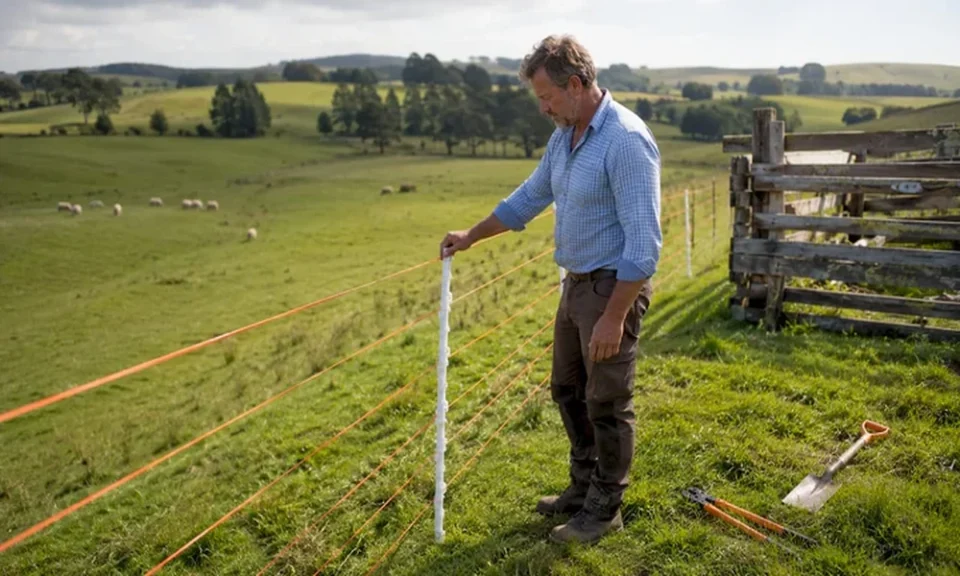
Large parcels call for a different approach. Around Kuna, Middleton, and other rural parts of the Treasure Valley, many property owners aren’t trying to block the view. They’re marking boundaries, separating pastures, or containing horses and other livestock. Rail fencing works well in those situations because it defines the property without closing it off, making it practical for long fence runs that would be unnecessary to build with solid panels.
Looking Beyond the Initial Price
The least expensive quote isn’t always the one that costs the least over time. A privacy fence installed around an open pasture may provide features the property never needed. On the other hand, choosing a lighter fence for a backyard that faces constant wind or heavy neighborhood traffic can lead to more repairs and earlier replacement. Looking at how the fence will perform over the next several years often gives a clearer picture than comparing installation prices alone.
Petrified Fence Boise manufactures its concrete, hybrid, and rail fencing systems in-house using the same proprietary concrete blend across its product lines. That allows homeowners to choose the style that best fits their property without sacrificing the construction standards behind it.
A Decision That’s Easier to Make in Person
Many homeowners begin with one type of fence in mind and change their decision after walking the property with a contractor. Seeing the terrain, discussing daily use, and identifying concerns like wind exposure or privacy often brings different priorities into focus.
The best fence isn’t necessarily the one that looks most impressive in a brochure. It’s the one that fits the property, stands up to local conditions, and continues doing its job long after installation is complete.
