
Essential Services for Property Maintenance and UpgradesStrategic Planning for Home Maintenance and Upgrades
Understanding the fundamental differences between various types of home care is crucial for effective property management. Homeownership involves a continuous cycle of maintaining what you have and strategically improving for the future. We distinguish between routine maintenance, preventative maintenance, and emergency repairs, each playing a vital role in preserving our homes.
Routine maintenance encompasses the regular, often simple tasks we perform to keep our homes functioning smoothly. These are the daily, weekly, or monthly chores that prevent small issues from escalating. Examples include changing HVAC filters, cleaning gutters, testing smoke detectors, and ensuring appliances are well-maintained. These tasks are typically low-cost and can often be handled by homeowners themselves.
Preventative maintenance, on the other hand, involves scheduled, proactive measures designed to extend the lifespan of major systems and components. This might include annual HVAC tune-ups, professional roof inspections, sealing driveways, or having plumbing systems checked for potential issues. The goal here is to identify and address minor wear and tear before it leads to significant breakdowns. While these tasks might incur a professional service fee, they are generally far less expensive than emergency repairs.
Emergency repairs are the unexpected, often costly fixes required when a critical system fails or significant damage occurs. A burst pipe, a furnace breakdown in winter, or sudden roof damage from a storm all fall into this category. These situations are usually urgent and demand immediate attention to prevent further damage or restore essential services. While unpredictable, a robust maintenance plan can significantly reduce their likelihood.
The distinction between home maintenance and home improvement is also key to smart budgeting and prioritization. Home maintenance focuses on preserving the existing condition and functionality of our homes, preventing deterioration, and ensuring everything operates as intended. Home improvement, conversely, involves making changes or additions to enhance aesthetic appeal, functionality, or overall value. This could mean a kitchen remodel, adding a deck, or finishing a basement. While both are important, maintenance is generally non-negotiable for protecting our investment, whereas improvements are often elective and aimed at modernization or increasing property value.
For those looking to ensure their plumbing systems are always in top shape, considering professional services for routine checks and necessary interventions can be invaluable. Expert attention to your home’s water systems can prevent costly emergencies down the line. For example, exploring options like S.O.S. plumbing upgrades can help homeowners identify and address potential issues before they become major problems, ensuring peace of mind and protecting your property from water damage.
Balancing Home Maintenance and Upgrades for Long-Term Value
Achieving a balance between preserving our homes and enhancing them is central to long-term property value. Structural preservation, such as maintaining the foundation, roof, and exterior envelope, is paramount. These elements protect the entire home from the elements and ensure its stability. Neglecting them can lead to cascading problems that are far more expensive to fix than preventative care.
Aesthetic modernization, while often elective, also plays a significant role in value retention and homeowner satisfaction. Updating kitchens, bathrooms, or flooring can significantly improve a home’s appeal and market desirability. However, these upgrades should ideally follow a sound foundation of structural integrity and system functionality. It’s generally wise to address any underlying issues, like a leaky roof or an inefficient HVAC system, before investing heavily in cosmetic changes.
System functionality-ensuring our HVAC, electrical, and plumbing systems are up-to-date and operating efficiently-directly impacts our daily comfort and utility costs. Modern, efficient systems not only reduce monthly expenses but also contribute to a home’s overall value, especially in a market where energy efficiency is increasingly prized. Prioritizing these functional upgrades can offer both immediate and long-term returns.
How Climate and Age Influence Home Maintenance and Upgrades
The unique characteristics of our homes and local environment significantly influence maintenance needs and budgeting. Factors like home age, square footage, climate, and energy efficiency all play a critical role.
Older homes, for instance, often require more extensive and frequent maintenance. With 69% of homeowners living in properties more than 20 years old as of June 2026, many are dealing with aging infrastructure. These homes may have original plumbing, electrical, or HVAC systems nearing the end of their lifespan, demanding closer attention and larger budget allocations for eventual replacement. Newer homes, while generally requiring less immediate repair, still benefit from consistent preventative maintenance to ensure their components reach their full expected lifespan.
Climate is another major determinant. In regions with extreme temperature swings, like Utah, weatherproofing becomes paramount. Harsh winters necessitate robust insulation, efficient heating systems, and well-sealed windows and doors to maintain thermal efficiency and prevent heat loss. Summers, on the other hand, demand effective cooling systems and proper ventilation. Moisture management is crucial in all climates, but especially where heavy precipitation or humidity is common, to prevent issues like mold, rot, and foundation damage. Regular inspections of roofs, gutters, and drainage systems are essential.
Energy efficiency upgrades, such as improved insulation, high-efficiency windows, and modern HVAC systems, not only reduce utility bills but also enhance comfort and contribute to the home’s long-term value. These upgrades can be particularly impactful in areas with high energy costs or extreme weather conditions. Homeowners should consider these improvements as both maintenance (preventing energy loss) and upgrades (enhancing performance and value).
Sequencing and Managing Critical Home Systems
Effective home management involves more than just reacting to problems; it requires a strategic approach to sequencing repairs and upgrades. This ensures that our investments are protected and that we avoid costly rework.
Prioritizing Structural Fixes Before Cosmetic Changes
When planning major repairs or upgrades, a fundamental principle is to prioritize structural integrity above all else. Addressing issues related to the home’s foundation, roof, and water management systems should always come first. Think of it as building a house from the ground up: a solid foundation is essential before you start decorating the interior.
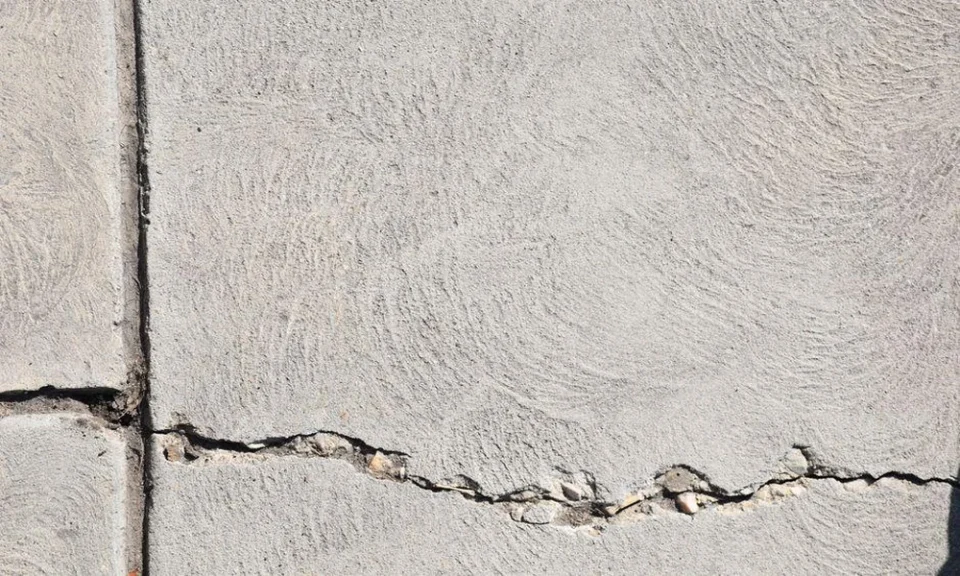
Foundation stability is critical. Cracks, settling, or moisture intrusion can compromise the entire structure of the home. Addressing these issues early prevents more severe and expensive problems down the line. Similarly, roof durability is non-negotiable. A failing roof can lead to water damage throughout the home, affecting insulation, drywall, electrical systems, and even structural wood. Repairing or replacing a roof before it fails is a preventative measure that protects all other investments.
Effective water diversion is also key. Properly functioning gutters, downspouts, and drainage systems channel water away from the foundation, preventing erosion, basement flooding, and moisture-related damage. Neglecting these can lead to significant structural problems. For example, if a home has water management issues, installing new flooring over a damp subfloor would be a costly mistake, as the moisture problem would eventually resurface and damage the new installation.
By tackling structural fixes first, we avoid the costly rework that arises when a new cosmetic upgrade is damaged by an underlying structural or water-related problem. This approach ensures that any subsequent improvements are built upon a secure and stable base.
Here’s a general framework for sequencing major home improvements:
| Priority Level | Type of Fix | Examples TAI T. The average cost of a home in June 2026 is a significant consideration for budgeting. For major repairs, homeowners should consider exploring various financing options. For Comprehensive outdoor upgrades, homeowners can look into services from companies specializing in landscape design and installation. This type of comprehensive approach can include everything from irrigation systems to outdoor living spaces, significantly enhancing both the beauty and functionality of the property.
Maximizing the Lifespan of Heating and Cooling Systems
Our heating and cooling systems are among the most expensive components to replace, making their longevity a key financial consideration. The average lifespan for a furnace and central air conditioner is typically 15-20 years. However, proper seasonal tune-ups and consistent maintenance can significantly extend these lifespans.
Regular HVAC efficiency checks, typically performed in the spring for AC and fall for furnaces, ensure that systems are operating at peak efficiency. This not only reduces monthly energy bills but also catches minor issues before they become major breakdowns. Air filtration is another simple yet impactful aspect of HVAC maintenance; regularly replacing air filters improves indoor air quality and prevents undue strain on the system. Neglecting these seemingly small tasks can lead to premature system failure, forcing a costly replacement sooner than anticipated. For instance, a dirty filter can restrict airflow, causing the system to work harder and potentially leading to frozen evaporator coils.
Creating a 10-Year Systems Assessment Plan
A proactive approach to home maintenance involves creating a long-term plan, ideally spanning 5-10 years, based on a full home systems assessment. This assessment involves evaluating the condition and age of all major home components and appliances.
For instance, while a roof might last 20-30 years, and a water heater 8-12 years, knowing the specific age of your installations allows for predictive budgeting. Appliances typically have lifespans ranging from 9-14 years depending on the type (e.g., washing machine 10-11 years, refrigerator 14 years). By understanding these average lifespans, we can prioritize savings and plan for replacements rather than being caught off guard by sudden failures.
A professional home inspection can be an excellent starting point for this assessment, providing an objective overview of the home’s current condition and identifying potential areas of concern. From there, creating a detailed spreadsheet or using a home maintenance app to track component ages, last maintenance dates, and estimated replacement costs can help us develop a comprehensive plan. This allows us to allocate funds specifically for upcoming major expenses, ensuring we are financially prepared.
Financial and Site Preparation Strategies
Managing the financial aspects of home maintenance and upgrades is just as crucial as understanding the physical tasks involved. Establishing robust financial strategies, including dedicated funds and understanding financing options, can significantly alleviate the stress associated with property ownership.
Establishing a Dedicated Property Maintenance Fund
One of the most impactful financial strategies for homeowners is establishing a dedicated property maintenance fund. Financial experts often recommend budgeting anywhere from 1% to 4% of a home’s value annually for maintenance and repairs. For example, for a home valued at $300,000, this could mean setting aside $3,000 to $12,000 each year. The percentage typically varies based on home age, with newer homes often requiring closer to 1% and older homes (over 30 years) potentially needing up to 4%.
Another useful rule of thumb is to budget $1 per square foot of living space annually. So, for a 3,000 sq ft house, this would translate to a $3,000 annual maintenance budget. A system-based budgeting approach involves calculating the expected lifespan and replacement cost of each major home component (e.g., roof, HVAC, water heater) and then saving a prorated amount each year. For instance, if a roof costs a significant amount to replace and lasts 25 years, we would save a specific fraction of that cost annually.
The best practice for this fund is to keep it in a separate, easily accessible savings account. Automating monthly transfers into this account ensures consistent growth and prevents us from inadvertently spending these funds on other expenses. It’s also wise to build in contingency planning, setting aside an additional 10-20% of the total budget for unexpected discoveries during larger projects, as 41% of homeowners have postponed a repair that later became more expensive to fix.
The Role of Insurance and Financing in Large Projects
Home warranties, insurance, and financing options all play distinct roles in managing maintenance and repair costs. Home insurance is designed to protect against sudden, accidental damage from covered perils like fire, storms, or theft. It is not a substitute for maintenance, and typically does not cover issues arising from neglect or normal wear and tear. However, in the event of major property damage, insurance can be a critical safety net, covering substantial repair or rebuilding costs that would otherwise be financially devastating.
Home warranties, on the other hand, cover the repair or replacement of specific home systems and appliances that break down due to normal wear and tear. While they offer peace of mind, they come with monthly fees, service call charges, and potential limitations on coverage. For some homeowners, particularly those with older appliances or systems, a warranty might be a worthwhile consideration. However, many experts suggest that a well-funded dedicated maintenance savings account is often a more flexible and financially sound long-term strategy.
For larger, planned upgrades or unexpected expensive repairs, financing options can be invaluable. Options like home equity loans, lines of credit, or personal loans can make significant projects more manageable. We know that 62% of homeowners are more likely to move forward with a project when financing is offered, indicating its importance in facilitating necessary improvements. In June 2026, with 77% of homeowners delaying or reducing the scope of home projects due to rising costs, accessible financing can be a crucial tool to prevent deferred maintenance from escalating into more severe problems.
Essential Steps for Outdoor Structural Upgrades
Beyond the interior, the exterior and surrounding landscape of our homes also require significant attention, particularly for structural integrity and long-term appeal. Whether it’s preparing for a new patio, addressing drainage issues, or establishing a robust garden, proper site preparation is fundamental.
Excavation work, for instance, might be necessary for installing new foundations, creating terraced landscaping, or resolving severe grading problems. This ensures a level and stable base for any construction or planting. Drainage solutions are critical for protecting the home’s foundation and preventing water accumulation. This could involve installing French drains, grading the land away from the house, or creating rain gardens. Effective drainage is a preventative measure against costly water damage.
Soil stability is another often-overlooked aspect. Proper soil compaction and amendment are essential for supporting structures, preventing erosion, and ensuring healthy plant growth. For any substantial work involving the landscape or the immediate surroundings of a home, engaging professionals for Residential site preparation can ensure that the groundwork is laid correctly, preventing future issues and protecting the investment in outdoor living spaces.
Frequently Asked Questions about Property Upkeep
What is the difference between routine and preventative maintenance?
Routine maintenance involves regular, often simple tasks performed to keep a home functioning smoothly, such as changing air filters or cleaning gutters. These are typically low-cost and prevent minor issues from growing. Preventative maintenance, conversely, consists of scheduled, proactive measures designed to extend the lifespan of major systems and components, like annual HVAC tune-ups or professional roof inspections. It aims to catch wear and tear before it leads to significant breakdowns, often incurring professional fees but saving on costly emergency repairs.
How should homeowners sequence multiple renovation projects?
Homeowners should prioritize structural integrity and essential systems before cosmetic updates. Begin with critical fixes like foundation repairs, roof replacement, and water management solutions (e.g., proper drainage, sealing leaks). Once the home’s envelope and core systems are secure, move to mechanical upgrades (HVAC, electrical, plumbing), focusing on efficiency. Finally, undertake cosmetic improvements such as kitchen and bathroom remodels, flooring, and painting. This sequencing avoids costly rework and ensures that aesthetic investments are built upon a stable and functional foundation. Bundling multiple renovation projects can also reduce costs by 15% to 30%.
Why is a professional home systems assessment necessary?
A professional home systems assessment is crucial for creating an accurate, long-term maintenance and upgrade plan. It provides an objective evaluation of the condition, age, and expected lifespan of all major home components, from the roof and foundation to HVAC, plumbing, and electrical systems. This assessment helps identify hidden issues, prioritize necessary repairs or replacements, and allows homeowners to budget proactively for future expenses. Without it, homeowners risk unexpected costly breakdowns and making inefficient upgrade decisions. It’s the foundation for a strategic 5-10 year home management plan.
Conclusion
Navigating home maintenance and upgrades can seem daunting, but with a strategic approach, it becomes a manageable and rewarding aspect of homeownership. By understanding the distinctions between routine care, preventative measures, and emergency responses, and by prioritizing structural integrity before cosmetic enhancements, we can protect our most significant investment. Creating dedicated maintenance funds, leveraging insurance and financing wisely, and conducting regular home systems assessments are all key steps toward long-term peace of mind.
Proactive care not only safeguards our assets but also enhances our daily comfort and the overall value of our homes. In June 2026, as homeowners continue to invest in their properties, taking a thoughtful, planned approach to maintenance and upgrades is more important than ever. Embrace the journey of homeownership with confidence, knowing that every well-planned effort contributes to a lasting, comfortable, and valuable home.
