
Top Energy-Efficient HVAC Solutions for Modern HomesKey Takeaways
- Energy-efficient HVAC systems substantially decrease energy consumption and utility costs.
- Innovative appliances like heat pumps and Energy Recovery Ventilators (ERVs) boost both comfort and indoor air quality.
- Smart controls and proper maintenance are crucial for optimal and lasting efficiency.
Table of Contents
- Importance of Energy-Efficient HVAC Systems
- Heat Pumps: A Versatile Solution
- Energy Recovery Ventilators: Enhancing Indoor Air Quality
- Smart Thermostats: Optimizing Energy Use
- Proper Installation and Maintenance
- Government Incentives and Rebates
- Conclusion
As homeowners embrace sustainability and cost-saving measures, energy-efficient HVAC solutions are quickly becoming a cornerstone of modern home design. Focusing on cutting-edge technologies and smart approaches not only enhances comfort but also leads to tangible savings on utility bills. Solutions such as heat pumps and advanced ventilation promote comfort while minimizing environmental impact. Discover why choosing efficient HVAC systems is essential, and how New Albany heat pump home improvement projects are transforming living spaces with cleaner, healthier air and reduced energy usage.
With energy costs rising and concern for the planet growing, integrating efficient HVAC systems is a priority many homeowners cannot afford to overlook. Modern HVAC advances offer seamless control over home climate, promoting both wellness and financial benefits through year-round performance. By addressing energy loss and optimizing heating and cooling, today’s HVAC solutions provide peace of mind along with practical perks.
Importance of Energy-Efficient HVAC Systems
Heating, ventilation, and air conditioning account for a significant proportion of household energy use. Upgrading to efficient HVAC systems is one of the most effective steps homeowners can take to cut waste and reduce their environmental footprints. The U.S. Department of Energy reports that switching to energy-efficient HVAC solutions can shrink a home’s energy consumption by up to 50 percent compared to outdated systems. Such improvements not only save money but also help meet climate goals by reducing greenhouse gas emissions and fossil fuel dependence.
The benefits go beyond the utility bill and environment. Efficient systems also tend to offer quieter operation, better humidity control, and more consistent temperatures throughout the home. Investing in advanced HVAC technologies can increase property value while improving everyday quality of life.
Addressing overall efficiency should include all aspects of the home. For example, making sure your exterior entries and garage are as energy-efficient as your HVAC is especially important. Explore Garage door home improvement options to further enhance thermal performance and security for your living space.
Heat Pumps: A Versatile Solution
Heat pumps have revolutionized the way homes are heated and cooled. Unlike traditional furnaces or air conditioners, heat pumps work by transferring heat instead of generating it, resulting in far greater efficiency. This technology allows for effective climate control during both hot and cold seasons. The Lennox Elite Series EL18KSLV Side Discharge Heat Pump, for example, uses variable-capacity technology to adapt to demand, reducing unnecessary energy use during low-demand periods, and providing reliable performance in smaller spaces.
Benefits of Heat Pumps
- Lower operating costs as compared to traditional HVAC systems.
- Reduction in greenhouse gas emissions.
- Exceptional year-round comfort for various climates.
- Greater reliability, thanks to fewer moving parts.
According to the U.S. Environmental Protection Agency, ENERGY STAR-certified heat pumps can save households about $450 annually when replacing electric resistance heating systems.
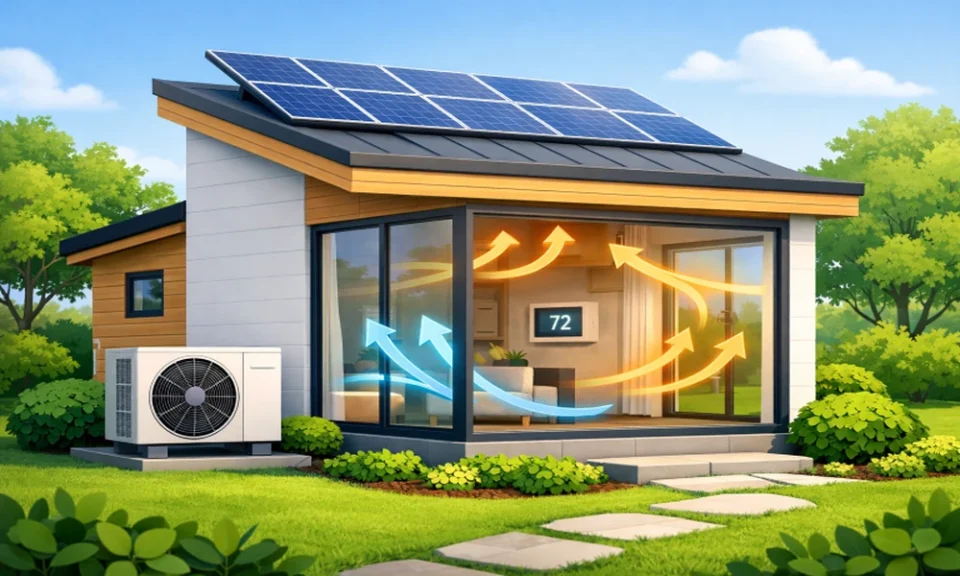
Another crucial aspect of heat pumps is their adaptability to different energy sources and home configurations. For homes with limited outdoor space, mini-split or ductless heat pumps offer a flexible solution that doesn’t require extensive ductwork. These systems are ideal for older homes or room additions where installing new ducts would be impractical or costly. Additionally, heat pumps can be integrated with solar energy systems, further reducing dependency on grid energy and maximizing green energy usage.
Some modern heat pumps also come with smart connectivity, allowing homeowners to monitor and adjust their systems via apps and integrate them into home automation platforms. This added control supports even more granular energy management, ensuring households only use energy when and where it’s truly needed.
Energy Recovery Ventilators: Enhancing Indoor Air Quality
Indoor air quality is crucial for comfort and health, especially as homes become more tightly sealed for efficiency. Energy Recovery Ventilators (ERVs) exchange stale indoor air for fresh outdoor air, capturing up to 80 percent of the outgoing air’s energy in the process. The Panasonic Intelli-Balance Elite ERV series is designed for a range of climates, ensuring homes enjoy steady moisture control and healthy air no matter the weather. These systems continually introduce fresh air while maintaining balanced humidity and temperature levels.
ERVs are particularly valuable in regions where humidity control affects health and comfort, providing relief for individuals with allergies, asthma, or other respiratory conditions. For a deeper understanding of the importance of indoor air quality, the EPA offers guidelines and best practices for improving home environments.
Beyond health benefits, ERVs make it possible to maintain a consistent indoor environment while reducing the load on central HVAC systems. By preserving much of the conditioned air’s energy during the exchange process, ERVs help trim heating and cooling costs even as they improve air quality. Their increasingly compact and quiet designs make them suitable for homes of all sizes and layouts.
Smart Thermostats: Optimizing Energy Use
Smart thermostats are an essential companion to efficient HVAC systems. These devices are programmable and connect to smartphones, providing remote access and fine-grained control over your indoor climate. Smart thermostats adapt to household routines, automatically adjusting settings for comfort and efficiency. Usage data and reports empower homeowners to make intelligent, informed choices that impact monthly expenses.
The flexibility to control settings from anywhere means less wasted energy during vacations or unexpected schedule changes. As a bonus, many models offer compatibility with home automation systems, integrating with smart lighting, security, and more for a holistic, connected home.
Some smart thermostats use learning algorithms to automatically adjust settings, analyzing occupancy patterns, weather forecasts, and even utility rate schedules to optimize performance and reduce costs without sacrificing comfort. Many utilities offer rebates for installing smart thermostats, recognizing their role in supporting grid stability and demand response programs.
Proper Installation and Maintenance
Even the most advanced technology cannot perform at its best without proper installation and ongoing care. Incorrect installation can diminish HVAC efficiency by as much as 30 percent. Qualified professionals should handle complex tasks such as system sizing, ductwork design, and initial configuration. Homeowners can maximize longevity and savings with regular maintenance, including filter changes, duct inspections, and leak repairs. For those planning broader renovation projects, coordinating HVAC upgrades alongside Home improvement flooring updates can help improve overall energy efficiency and create a more cohesive home improvement strategy.
For a comprehensive checklist on how to maintain HVAC efficiency, consult Energy.gov, which features practical advice for do-it-yourself maintenance and finding professional help when needed.
Regular servicing and tune-ups help catch issues before they lead to costly repairs or system failures. Additionally, many manufacturers require proof of maintenance for warranty claims, making routine checkups essential from both a performance and financial perspective.
Homeowners can also clean accessible vents and registers, keep outdoor units clear of vegetation, and utilize programmable settings to maximize system downtime whenever possible. Attending to these details contributes to both immediate savings and the long-term health of the HVAC investment.
Government Incentives and Rebates
Federal, state, and local governments frequently offer incentive programs, rebates, tax credits, and grants designed to make energy-efficient HVAC upgrades more accessible. These financial benefits can dramatically reduce upfront costs and pay back additional expenses over time through utility bill savings.
Staying informed about the latest programs is key. Many utility companies and municipalities have dedicated portals or hotlines. Check resources like the Database of State Incentives for Renewables & Efficiency (DSIRE) to find available offers in your area.
Some incentive programs cover not just new equipment, but also auxiliary improvements like duct sealing, smart thermostat installation, and energy audits. Taking advantage of a combination of rebates can drive down the total cost of a home energy efficiency overhaul. Additionally, special financing options and on-bill repayment programs offered by local utilities can help homeowners spread out the expense of upgrades, making high-performance equipment accessible on nearly any budget.
Conclusion
Choosing energy-efficient HVAC solutions is a wise move for any homeowner who values comfort, savings, and sustainability. From heat pumps to advanced ventilation and smart thermostat controls, modern options make saving energy and enhancing well-being easier than ever. Ensuring proper installation and taking advantage of available incentives allows you to benefit from these innovative solutions while enjoying a healthy, enjoyable home for years to come.
The move toward energy efficiency isn’t just about reducing bills. It’s also about improving air quality, future-proofing properties, and doing your part to promote a greener world. By utilizing today’s best HVAC technologies and resources, you create a comfortable indoor haven while supporting a sustainable future for generations to come.
