
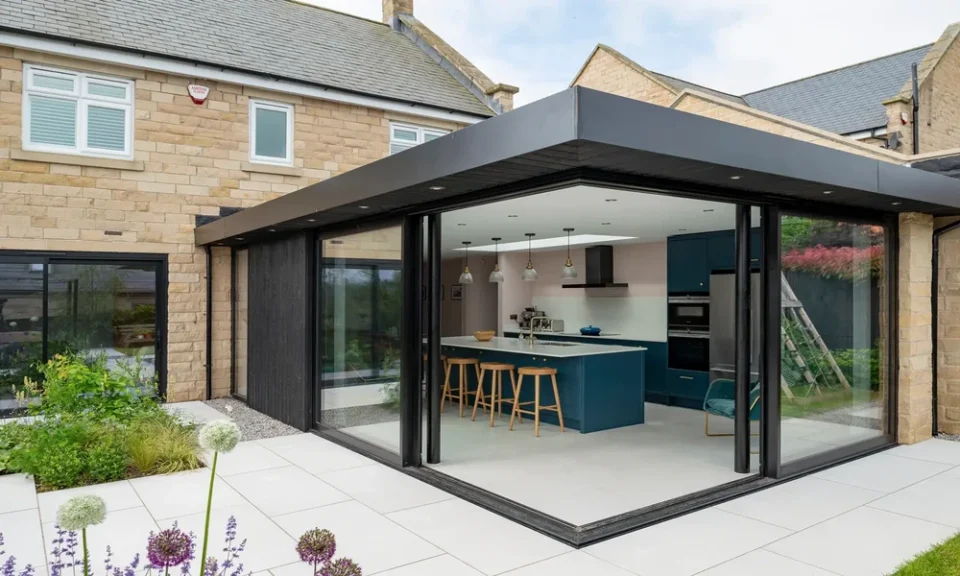
Most homeowners thinking about an extension focus first on the exciting parts: the extra space, the new kitchen layout, the additional bedroom that finally gives everyone some breathing room. Understandably so. But the projects that go smoothly and the ones that turn into months of stress usually part ways much earlier than people expect, at the planning and contractor selection stage, long before anyone’s choosing tiles or worktops.
Working with experienced house extension builders from the very first conversation, rather than bringing them in once the plans are already locked in, makes a genuine difference to how realistic the project ends up being and how few surprises crop up once work actually gets underway.
Planning Permission Is More Nuanced Than Most People Expect
Plenty of single-storey rear extensions fall under permitted development rights and don’t technically need full planning permission, provided they meet specific size and design criteria. But the rules shift depending on whether a property is detached, semi-detached, or terraced, whether it sits in a conservation area, and whether a previous extension has already used up the permitted development allowance going forward. An experienced builder or architect knows these thresholds well enough to flag potential problems before a design has gone too far, which saves a fair amount of time and frustration later in the process.
Building Regulations Are Not Optional, Regardless of Planning Status
Even extensions that skip planning permission altogether still need to comply with Building Regulations, covering structural integrity, fire safety, insulation, and ventilation. This is one area where corners genuinely cannot be cut, both for safety reasons and because non-compliant work creates serious headaches when a property eventually goes up for sale and the buyer’s solicitor asks for completion certificates that simply don’t exist.
Foundations and Structural Considerations Worth Understanding
The type of foundation required depends on soil conditions, the size and weight of the extension, and how close it sits to existing structures, trees, or boundary lines. A few things worth confirming before any work begins:
- A proper soil survey if the property sits on clay or has any known ground stability concerns
- Party wall agreements where the extension sits near a shared boundary with a neighbouring property
- Drainage and soakaway considerations, particularly for larger extensions that increase the amount of impermeable surface around the property
- Structural calculations for any load-bearing walls being removed or altered as part of the build
Budgeting Realistically, Not Optimistically
Extension costs vary considerably depending on size, specification, and overall complexity, and the gap between an initial estimate and the final invoice is often exactly where relationships between homeowners and builders start to break down. A reputable builder gives a detailed breakdown rather than one vague headline figure, and builds in sensible contingency for the kind of unexpected issues that genuinely do come up once walls are opened and ground conditions become clearer than they were on paper.
Why Local Knowledge Genuinely Helps
Builders who are familiar with a specific local authority’s planning department understand typical turnaround times, the common points of objection, and which design details tend to sail through versus which ones invite closer scrutiny. That kind of local knowledge, built up over many projects in the same patch, is genuinely difficult to replicate from outside the area, and it shortens the path considerably from that first conversation to a finished extension you’re actually happy with.
