
The Critical Link Between HVAC and Electrical Services
For businesses in Arcola, TX, a reliable commercial AC system isn’t just a comfort; it’s essential for operations, employee productivity, and customer satisfaction. When these complex systems encounter issues, prompt and effective commercial AC repair becomes critical. We understand the unique challenges faced by commercial properties, especially with Texas’s extreme climate. This guide explores how deeply intertwined your HVAC and electrical systems are, and why their seamless integration is key to avoiding costly breakdowns and ensuring consistent comfort. Ignoring the signs of a struggling system can lead to significant operational disruptions and financial losses.
Learn more about comprehensive HVAC solutions or contact us for immediate service.
We will explore common signs that your commercial AC system needs attention, how Arcola’s climate impacts these units, and what to look for in a repair service. We will also discuss the benefits of regular maintenance and how it can prevent costly repairs. Understanding the connection between your HVAC and electrical infrastructure is vital for long-term reliability and efficiency.
To ensure your commercial AC systems remain efficient and reliable, contact us today for expert support.
At the heart of every functional commercial AC system lies a robust and reliable electrical infrastructure. These aren’t separate entities; rather, they form a symbiotic relationship where the performance of one directly influences the other. Commercial HVAC units, particularly the larger systems commonly found in Arcola, TX businesses, demand substantial electrical power to operate their various components, from powerful compressors to intricate control boards. The efficiency and longevity of these systems are inextricably tied to the quality and stability of their electrical supply.
Consider the complexity of modern commercial AC units. They are not simply mechanical devices; they are sophisticated machines with advanced controls, sensors, and motors that all rely on precise electrical signals and consistent power delivery. Issues such as inadequate power distribution, overloaded circuits, or the absence of dedicated circuits for high-demand equipment can lead to significant operational problems. Voltage fluctuations, for instance, can cause undue stress on motors and electronic controls, potentially leading to premature failure. Ensuring voltage stability and proper grounding is paramount for both the performance and safety of the entire system. When these systems are installed and maintained, it’s crucial to consider the interplay between the mechanical and electrical aspects. For a deeper understanding of how these two critical home systems work together, you can explore resources like Mackey Services HVAC and electrical, which emphasize the importance of integrated solutions. This holistic approach ensures that potential issues are identified and addressed comprehensively, preventing cascading failures that can be both costly and disruptive.
Why Modern HVAC and Electrical Services Require Synchronization
The evolution of commercial HVAC technology has made the synchronization between electrical and mechanical systems more critical than ever. Modern units often feature variable-speed motors, which offer greater energy efficiency and precise temperature control. However, these motors rely on complex electrical controls that are sensitive to power quality. Smart technology, including advanced thermostats and building management systems, further integrates the electrical network with HVAC operations, enabling automated control, diagnostics, and energy optimization.
For businesses, accurate load calculations are essential during the design and installation phases of any commercial AC system. Miscalculations can lead to undersized wiring, frequent circuit trips, or even equipment damage. Adherence to Energy Star standards, which many businesses now prioritize for energy savings and environmental responsibility, often means incorporating electrically efficient components that require specific power characteristics. Without proper electrical support, even the most advanced, energy-efficient HVAC system cannot perform to its potential, leading to compromised comfort and higher operating costs.
The Role of the Electrical Panel in Climate Control
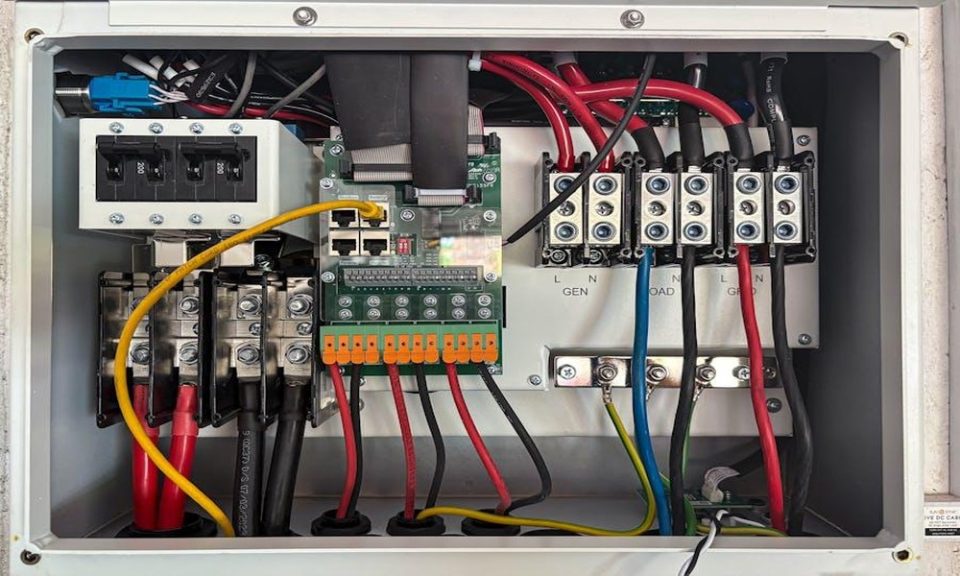
The electrical panel serves as the central nervous system for your commercial property’s power supply, and its role in climate control cannot be overstated. Commercial AC units, especially larger rooftop or packaged systems, have significant amperage requirements. An outdated, undersized, or malfunctioning electrical panel can severely hamper your AC’s performance and even pose safety risks.
Circuit breakers in the panel are designed to protect circuits from overcurrents caused by a faulty AC component or an overloaded system. Frequent tripping of these breakers is a clear indicator of an underlying electrical or HVAC problem that requires immediate attention. For older commercial buildings, a panel upgrade may be necessary to accommodate the electrical demands of new, more powerful AC systems. Beyond the panel itself, the integrity of the wiring throughout your building is crucial. Damaged, corroded, or improperly installed wiring can lead to voltage drops, inefficient operation, and even fire hazards. Ensuring that your electrical panel and associated wiring are in excellent condition is a foundational step in maintaining a reliable and efficient commercial AC system.
How Climate Extremes Impact Integrated Systems
Arcola, TX, is no stranger to extreme weather, which places immense stress on commercial AC and electrical systems. With average summer high temperatures soaring to 94°F, the demand for reliable cooling is constant. This relentless heat forces commercial AC units to work harder and longer, pushing their mechanical and electrical components to their limits. The high ambient temperatures also increase the thermal stress on outdoor electrical wiring and connections, making them more susceptible to degradation and failure.
Coupled with the heat, Arcola’s high humidity levels exacerbate the situation. High humidity makes the air feel warmer, requiring AC systems to run even more aggressively to achieve desired comfort levels. This continuous operation increases electrical consumption, which can strain the local power grid and potentially cause brownouts or power surges that further endanger sensitive HVAC electrical components. Businesses in Arcola, TX, can face significant operational disruptions and financial losses if their commercial AC systems fail during peak summer months, underscoring the critical need for robust, well-maintained integrated systems.
Protecting HVAC and Electrical Services During Texas Storms
Texas storms, characterized by severe thunderstorms, heavy rain, and occasional tropical weather, present unique challenges for integrated HVAC and electrical systems. Power fluctuations, surges, and outages are common during these events, and without adequate protection, they can cause irreparable damage to expensive commercial AC equipment.
Implementing robust surge protection is a non-negotiable measure for any commercial property in Arcola. These devices shield sensitive electronics in your HVAC system from sudden voltage spikes. For critical operations, integrating backup generators ensures continuity during prolonged power outages, preventing not only discomfort but also potential losses due to downtime. Lightning strikes, even indirect ones, can send devastating power surges through electrical systems, making proper grounding and lightning arrestors vital. After a storm, it’s crucial to assess for any power fluctuations or brownouts that might have occurred and have your integrated systems checked by professionals to ensure they recover safely and without hidden damage. Proactive measures can significantly minimize the risk of costly repairs and operational interruptions.
Managing High Humidity and Electrical Components
The persistent high humidity in Arcola, TX, is a silent threat to both the performance and longevity of commercial HVAC and electrical systems. While AC units are designed to remove some moisture, prolonged exposure to high humidity can lead to several problems.
Firstly, it makes it harder for AC systems to cool effectively, as they spend more energy on dehumidification, increasing run times, and electrical load. Secondly, unchecked humidity can lead to condensation forming on electrical components, fostering corrosion and increasing the risk of short circuits or equipment failure. This moisture can also create an environment conducive to mold and mildew growth within ductwork and around air handlers, impacting indoor air quality and potentially leading to costly remediation. Effective dehumidification strategies, whether integrated into the main HVAC system or through standalone units, are crucial. Regular inspections should include checking for condensation buildup, ensuring proper drainage, and applying corrosion prevention measures to electrical contacts. Proactively addressing humidity control safeguards your electrical components and maintains optimal system performance.
Signs Your Integrated System Needs Professional Attention
Recognizing the early warning signs of an issue with your commercial AC system can save your business from extensive damage, costly repairs, and significant downtime. Because HVAC and electrical systems are so closely linked, problems often manifest in ways that suggest issues with both. It’s essential for business owners and facility managers in Arcola, TX, to be vigilant.
Common indicators of trouble include:
- Tripped Breakers: If your AC unit frequently trips its dedicated circuit breaker, it’s a strong sign of an electrical overload or a fault within the HVAC unit, such as a failing motor or a compressor drawing too much current.
- Flickering Lights: This can indicate a power struggle within your building’s electrical system, often exacerbated by the high electrical demand of a commercial AC unit.
- Unusual Noises: Grinding, hissing, clanking, or squealing sounds from your AC unit can point to mechanical failures (like a failing motor bearing) or issues with refrigerant lines (hissing often indicates a leak).
- Inconsistent Cooling: If some areas of your commercial space are too warm while others are too cold, or if the system struggles to reach the thermostat setting, it indicates a problem with cooling capacity, airflow, or the control system.
- Burning Odors: A burning smell, especially one of electrical origin, is a critical warning sign that requires immediate attention and system shutdown to prevent a fire hazard.
- Increased Energy Bills: A sudden, unexplained spike in your utility bills without a change in usage patterns often signals that your AC system is working inefficiently, likely due to a mechanical or electrical fault.
Ignoring these signs can escalate minor issues into major breakdowns, leading to significant operational disruptions and financial losses, especially during Arcola’s hot summer months.
Identifying Component-Specific Repair Needs
Commercial AC systems are complex machines, and understanding the differences in repair needs between various components is key to effective troubleshooting and repair.
- Compressors: Often considered the heart of the AC system, a failing compressor can manifest as unusual grinding noises, a complete lack of cooling, or frequent circuit breaker trips due to excessive current draw. Repair typically involves specialized tools and expertise, and sometimes replacement is the only viable option.
- Condensers: Located in the outdoor unit, the condenser coils dissipate heat. If they are dirty or damaged, the system’s efficiency plummets. Issues can include restricted airflow, refrigerant leaks (affecting cooling), or fan motor failures.
- Evaporators: Inside the building, the evaporator coils absorb heat. A common issue is freezing, often caused by low refrigerant, restricted airflow (dirty filters), or a faulty blower motor. This leads to poor cooling and can cause water leaks.
- Ductwork: While not electrical or mechanical in the same way, compromised ductwork can severely impact AC performance. Leaks, blockages, or improper sizing lead to uneven cooling, reduced airflow, and significant energy waste. Repairs involve sealing, cleaning, or reconfiguring the duct system.
- Thermostat Calibration: A miscalibrated or faulty thermostat can lead to incorrect temperature readings, causing the AC to cycle improperly or not at all. This is often an electrical control issue that can be easily diagnosed and corrected.
- Capacitor Wear: Capacitors provide the initial electrical boost needed to start motors. A failing capacitor can cause motors to hum but not start, or to start slowly, eventually leading to motor failure if not replaced.
Each component requires specific diagnostic skills and repair techniques, highlighting why professional expertise is indispensable for commercial AC repair.
When to Consider System Replacement Over Repair
While repairing a commercial AC unit can often be a cost-effective solution, there comes a point when replacement is the more sensible and economical decision. Recognizing the signs that indicate a system is beyond efficient repair is crucial for businesses in Arcola, TX.
One of the primary factors is equipment age. Commercial AC systems typically have a lifespan of 10-15 years. If your unit is approaching or has exceeded this age, it may be more prone to breakdowns and less energy-efficient. Continually repairing an aging system can become a money pit. Another key indicator is frequent breakdowns. If your AC unit requires multiple repairs each year, especially for major components, the cumulative cost of these repairs can quickly approach the price of a new system. Furthermore, each breakdown results in downtime, impacting business operations and customer satisfaction.
Low SEER (Seasonal Energy Efficiency Ratio) ratings in older units also play a significant role. Modern commercial AC systems are designed with much higher SEER ratings, meaning they consume less energy to provide the same amount of cooling. Upgrading to a new, high-efficiency unit can lead to substantial long-term savings on energy bills, offsetting the initial investment. Finally, technology obsolescence, particularly regarding refrigerants (such as the phase-out of R-22), can make repairs difficult and expensive as parts and refrigerants become scarce. When your commercial AC system reaches this stage, investing in a new, compliant, and efficient unit is often the most prudent choice to prevent future operational disruptions and financial losses.
Maximizing Longevity Through Preventive Maintenance
For commercial properties in Arcola, TX, preventative maintenance is not merely a recommendation; it’s an indispensable strategy for ensuring the longevity, efficiency, and reliability of your AC and integrated electrical systems. Commercial HVAC systems often require specialized maintenance due to higher usage and more complex installations compared to residential units, making a proactive approach even more critical. We know from industry statistics that regular preventative maintenance on commercial HVAC systems can reduce the likelihood of unexpected breakdowns by up to 90%. This staggering figure alone underscores the value of scheduled care.
A comprehensive maintenance plan goes beyond simple filter changes. It includes thorough seasonal tune-ups that address both the mechanical and electrical aspects of your system. This involves meticulous air filter hygiene, ensuring clean filters for optimal airflow and indoor air quality. Coil cleaning, particularly for condenser and evaporator coils, is crucial for maintaining heat transfer efficiency. Technicians also perform critical electrical connection tightening, inspecting wiring for wear and tear, and checking voltage and amperage to ensure components are operating within safe parameters. This integrated approach helps identify potential issues before they escalate into costly repairs, keeping your business comfortable and your operational costs predictable.
The Benefits of Bi-Annual Inspections
Bi-annual inspections are the cornerstone of a robust preventative maintenance program for commercial AC systems, especially given Arcola’s demanding climate. These scheduled check-ups are strategically timed to prepare your system for the extreme temperatures it will face throughout the year.
The spring readiness inspection focuses on preparing your AC system for the intense Texas summer. Technicians will clean coils, check refrigerant levels, inspect electrical components, lubricate moving parts, and calibrate thermostats. This ensures your system is optimized for peak cooling performance and energy efficiency when temperatures soar. Conversely, the fall preparation inspection, while primarily for heating systems, is equally important for integrated HVAC units. It ensures that all components, including cooling components, are in good condition and ready for the cooler months, preventing lingering issues from affecting future AC performance.
Beyond seasonal readiness, these inspections offer significant benefits:
- Efficiency Optimization: Regular tuning keeps your system running at peak efficiency, resulting in lower energy bills.
- Safety Verification: Electrical checks ensure all wiring and connections are safe, reducing the risk of electrical fires or component damage.
- Early Problem Detection: Minor issues such as loose connections, worn belts, or low refrigerant levels can be identified and corrected before they lead to major breakdowns.
Investing in bi-annual maintenance is a smart business decision that protects your assets and ensures continuous comfort.
Improving Indoor Air Quality Through Integrated Care
In commercial settings, indoor air quality (IAQ) is paramount for employee health and productivity and customer comfort. A well-maintained commercial AC system, supported by integrated care, plays a critical role in achieving superior IAQ.
One of the most impactful aspects is duct sealing. Leaky ductwork allows unfiltered air, dust, allergens, and pollutants from unconditioned spaces (like attics or crawl spaces) to enter your conditioned environment. Sealing these leaks not only prevents contaminants but also significantly improves HVAC efficiency by ensuring conditioned air reaches its intended destinations. Furthermore, incorporating UV purifiers and advanced filtration systems into your commercial HVAC setup can dramatically enhance air quality. UV lights neutralize airborne pathogens, while high-efficiency particulate air (HEPA) filters capture microscopic particles that standard filters miss.
Finally, maintaining ventilation balance is crucial. Proper ventilation ensures a steady exchange of indoor air with fresh outdoor air, preventing the buildup of stale air, odors, and pollutants. An integrated approach to HVAC maintenance includes checking and optimizing ventilation systems to ensure your commercial space benefits from clean, healthy, and consistently comfortable air. This holistic care extends the life of your system and creates a healthier environment for everyone within your facility.
Frequently Asked Questions about Home Infrastructure
We understand that managing commercial AC and electrical systems can raise many questions. Here, we address some common concerns businesses in Arcola, TX, often have regarding their integrated infrastructure.
Why does my air conditioner frequently trip the circuit breaker?
A commercial air conditioner that frequently trips its circuit breaker is a clear signal that something is amiss and typically points to an electrical issue or a significant problem within the AC unit itself. The circuit breaker is designed as an overcurrent protection device, meaning it trips to prevent damage to wiring and components when too much electrical current flows through a circuit.
Common reasons for frequent tripping include:
- Compressor Strain: The compressor, being the largest electrical consumer in your AC, might be struggling or failing. A failing compressor can draw excessive current, tripping the breaker.
- Ground Faults: A ground fault occurs when an unintended path for electrical current to the ground exists, often due to damaged wiring or insulation. This is a serious safety hazard and will cause the breaker to trip immediately.
- Undersized Wiring: If the wiring connecting your AC unit to the electrical panel is too small for the unit’s amperage requirements, it will consistently draw more current than the wire can safely handle, leading to trips.
- Motor Issues: Problems with the blower motor or condenser fan motor, such as worn bearings or electrical shorts, can also cause them to draw excessive current.
- Capacitor Failure: A faulty start or run capacitor can prevent the compressor or fan motor from starting correctly, leading to the motor drawing locked-rotor current, which is very high and will trip the breaker.
Diagnosing the exact cause requires specialized knowledge of electrical and HVAC systems. It’s crucial to have a qualified technician inspect the system to prevent further damage or safety risks.
Can a smart thermostat improve my home’s electrical efficiency?
Absolutely, a smart thermostat can significantly improve the energy efficiency of your commercial AC system, resulting in noticeable energy savings. Unlike traditional thermostats, smart thermostats offer advanced features that optimize climate control and reduce unnecessary energy consumption.
Key ways they improve electrical efficiency include:
- Occupancy Sensing: Many smart thermostats can detect when a commercial space is occupied or vacant. During unoccupied hours, they can automatically adjust temperature settings to conserve energy, preventing the system from running unnecessarily.
- Real-Time Data and Analytics: They provide insights into your energy usage patterns, allowing you to identify peak consumption times and make informed adjustments to your schedule.
- Energy Peak Management: Some models can be programmed to slightly adjust temperatures during peak energy demand times (when electricity rates are higher), helping to reduce your utility costs without significantly impacting comfort.
- Remote Monitoring and Control: The ability to adjust your thermostat remotely via a smartphone or computer lets you ensure your system runs efficiently, even when you’re away from the property. This prevents situations where the AC is left running at full blast after everyone has left for the day.
- Adaptive Scheduling: Smart thermostats learn your preferences over time and create optimized schedules that balance comfort with energy savings, ensuring your AC runs only as hard as needed.
By intelligently managing your commercial AC’s operation, a smart thermostat can reduce its energy use and optimize performance, directly contributing to lower electricity bills and a smaller carbon footprint.
How often should integrated HVAC and electrical components be inspected?
For commercial properties in Arcola, TX, we strongly recommend that integrated HVAC and electrical components be professionally inspected at least twice a year. This bi-annual schedule aligns with the critical need for spring maintenance and fall tune-ups, preparing your systems for the extreme demands of both cooling and heating seasons.
- Spring Maintenance: This inspection, ideally conducted before the intense summer heat sets in, focuses on the cooling components. Technicians will check refrigerant levels, clean condenser coils, inspect electrical connections, verify thermostat accuracy, and ensure all electrical components are functioning safely and efficiently for continuous operation during high temperatures.
- Fall Tune-ups: Before the cooler weather arrives, a fall inspection ensures your heating system is ready and that any lingering issues from the cooling season are addressed. This includes checking electrical connections throughout the HVAC unit, inspecting safety controls, and ensuring a smooth transition between heating and cooling, as many commercial systems are integrated.
Beyond these seasonal checks, consider an annual safety audit of your electrical infrastructure, which is crucial to supporting your HVAC system. This can be integrated with one of the bi-annual HVAC checks. These regular inspections fall under the umbrella of preventative care, which is designed to identify minor issues before they escalate into major, costly breakdowns. Given the specialized nature and high usage of commercial systems, consistent, professional oversight of both mechanical and electrical components is the most effective way to ensure optimal performance, energy efficiency, and safety year-round.
Conclusion
The intricate relationship between your commercial AC and electrical systems in Arcola, TX, cannot be overstated. From the relentless summer heat to the potential for severe storms, these integrated infrastructures are constantly under pressure. Understanding their critical link, recognizing the signs of distress, and prioritizing proactive care are not just best practices-they are necessities for any successful business.
Embracing holistic maintenance that addresses both the HVAC and electrical components simultaneously is the most effective strategy for ensuring long-term performance and infrastructure reliability. This integrated approach minimizes unexpected breakdowns, extends equipment lifespan, optimizes energy efficiency, and safeguards the comfort and safety of everyone within your commercial space. Don’t wait for a system failure to highlight the importance of this connection. By investing in comprehensive, professional care for your integrated HVAC and electrical systems, you ensure the uninterrupted operation and sustained success of your business in Arcola, TX.
