
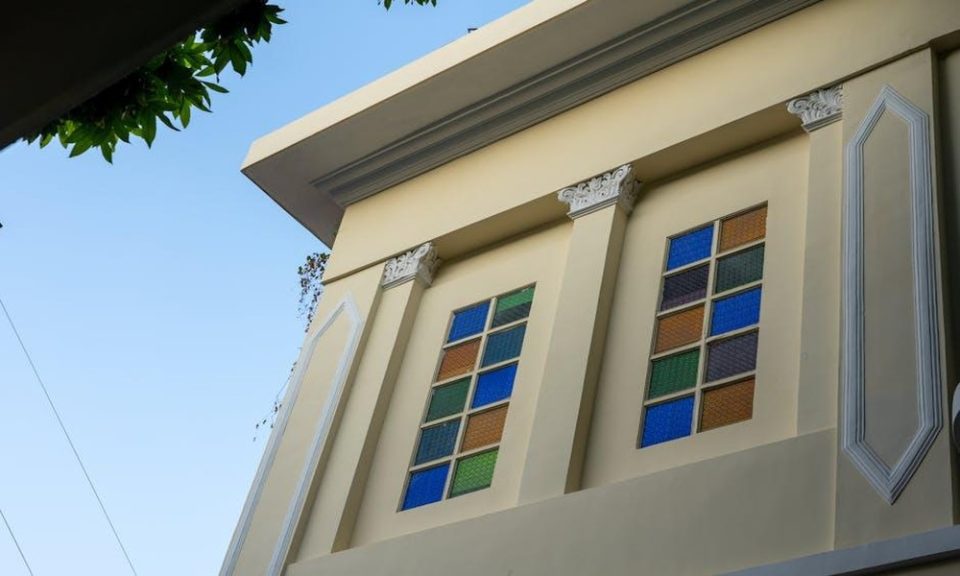
The Impact of Exterior Home Remodeling on Property Value
We understand that maintaining your home’s exterior is crucial for preserving its value and enhancing its curb appeal. From robust roofing to pristine landscaping, every element contributes to your property’s overall impression and longevity. Among these vital components, exterior home stained glass offers a unique blend of artistry and lasting value.
These vibrant panels are more than just decorative accents. They are a statement of craftsmanship and an investment in your home’s distinctive character. They can transform a simple facade into a focal point, boosting both aesthetic appeal and property value.
We will explore the fascinating world of stained glass windows. We’ll uncover their diverse styles, the materials that bring them to life, and their practical benefits in modern home design. Join us as we delve into how these luminous artworks can protect and even elevate your property’s appeal for years to come.
Exterior home remodeling projects often yield significant returns on investment, directly influencing a property’s market value and desirability. While many focus on major structural upgrades, the subtle elegance of stained glass windows can play a surprisingly impactful role in this equation. The global stained glass market itself reflects a growing appreciation for this art form, valued at USD 1.1 billion in 2022 and projected to reach USD 1.7 billion by 2030, exhibiting a robust CAGR of 5.8%. This growth is largely driven by increasing demand for decorative and architectural applications, particularly in residential and commercial buildings. The enduring appeal of architectural heritage, combined with strong demand for artisanal products, underscores the value of meticulously crafted stained glass in any home.
Enhancing Curb Appeal through Exterior Home Remodeling
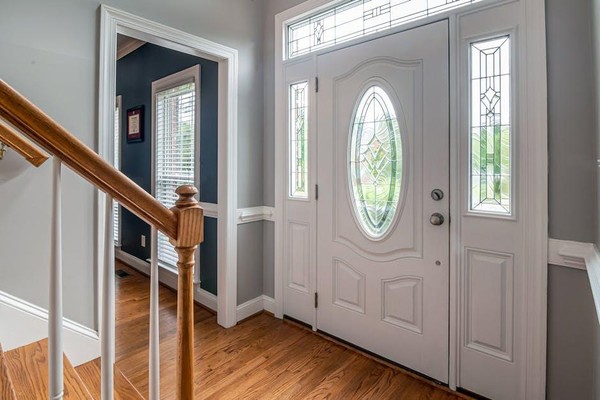
First impressions are paramount, and a home’s exterior is its most visible asset. Stained glass windows can dramatically enhance curb appeal, transforming an ordinary facade into a captivating masterpiece. Imagine an entryway upgraded with a custom transom, casting a welcoming glow and adding instant visual interest. Decorative panels in sidelights or door inserts can create a unique aesthetic that sets your home apart, hinting at the beauty within. These elements not only add color and texture but also convey a sense of bespoke luxury and historical depth. A beautifully designed stained glass front door, for instance, can become the focal point of your home’s exterior, drawing the eye and inviting admiration.
Modern Trends in Exterior Home Remodeling
While often associated with historical architecture, stained glass is experiencing a vibrant resurgence in modern exterior home remodeling. Contemporary aesthetics embrace geometric patterns and minimalist frames, allowing the vibrant glass to speak for itself. Designers are increasingly incorporating these luminous elements into new builds and renovations, recognizing their ability to diffuse light beautifully while adding a pop of color and personality. Beyond aesthetics, modern stained glass installations can also be integrated with energy-efficient solutions, such as being encapsulated within insulated glazing units, offering both beauty and improved thermal performance. This blend of traditional artistry with modern functionality ensures that stained glass remains a relevant and desirable feature in today’s homes.
Architectural Styles and Motifs in Stained Glass
The versatility of stained glass allows it to complement a myriad of architectural styles, from the ornate to the minimalist. Perhaps the most iconic is the Tiffany style, renowned for its intricate designs, vibrant colors, and often nature-inspired motifs. Beyond Tiffany, we see the bold lines and geometric precision of Art Deco, the romantic floral designs of Victorian eras, and even unique regional styles like Orosi windows with their characteristic wooden frames and colored glass. Modern interpretations often feature bullseye glass or abstract compositions, proving that this ancient art form continues to evolve.
Popular Design Motifs
The themes and motifs found in stained glass are as diverse as human imagination. Nature is a perennial source of inspiration, with popular designs featuring hummingbirds, delicate butterfly wings, and lush floral arrangements. Geometric grids and abstract color blocks offer a contemporary flair, perfectly suited for modern interiors seeking a bold statement. Historically, religious iconography dominated stained glass, particularly in churches and cathedrals, depicting biblical stories and saints. Today, while religious themes persist, many homeowners opt for more secular, nature-inspired themes or personalized designs that reflect their individual tastes. You can find a wide array of options, from handcrafted Tiffany-style stained glass hummingbird suncatchers to geometric designs that offer a modern touch.
Regional and Historical Variations
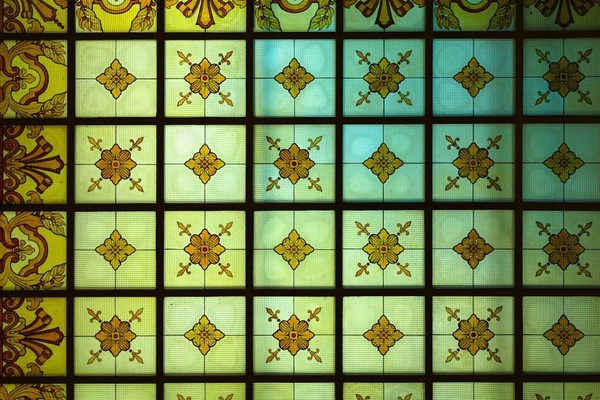
The historical significance of stained glass art is profound, tracing back centuries and evolving across different cultures and regions. Medieval Europe saw the zenith of stained glass in grand cathedrals like Chartres, where elaborate narrative windows served as “visual Bibles” for the illiterate populace. The Gothic Revival in the 19th century rekindled interest in these ancient techniques, leading to a proliferation of new works. Islamic glass traditions, particularly in West Asia, also boast a rich history of colored glass, often featuring intricate geometric patterns and calligraphic designs. The 19th-century German restoration efforts in ancient buildings also spurred a great demand for stained glass, showcasing both traditional and innovative techniques. Today, stained glass continues to find new applications, even as a modern room divider or interior window, demonstrating its timeless adaptability.
Material Composition and Craftsmanship Techniques
The magic of stained glass begins with its fundamental materials. The primary component is glass, which is colored during its molten state by adding various metallic oxides. For instance, copper can create ruby reds, cobalt yields vibrant blues, manganese yields purples, antimony yields yellows, and iron yields greens. Historically, “pot-metal glass” was the standard, where the color is integral to the glass itself. Another significant technique is “silver stain,” introduced around 1300, which involves applying silver compounds (like silver nitrate) to the surface of clear or colored glass and firing it, producing a range of yellow to orange hues.
The individual pieces of colored glass are then meticulously cut to shape and assembled using either lead cames (H-shaped lead strips) in the traditional leaded glass method or copper foil, a technique popularized by Louis Comfort Tiffany. Nickel and chromium are other elements that can be added to glass to produce various colors, including blues, violets, or even black.
| Technique | Description
Material Composition and Craftsmanship Techniques
The allure of stained glass lies not only in its artistic presentation but also in the rich history of its material composition and the intricate craftsmanship techniques employed. Traditionally, glass is colored during its molten state by introducing various metallic oxides. For instance, copper can yield deep ruby reds, cobalt creates vibrant blues, manganese results in rich purples, antimony produces bright yellows, and iron gives a spectrum of greens. This method, known as “pot-metal glass,” ensures the color is intrinsic to the glass itself, creating a luminous depth that shifts with the light.
A significant innovation in stained glass was the introduction of “silver stain” around the turn of the 14th century. This technique involves applying silver compounds, most notably silver nitrate, to the surface of clear or colored glass and firing it at a relatively low temperature. The result is a range of transparent yellow to orange hues, enabling more detailed, nuanced work. Other elements, such as nickel and chromium, can also be added to the glass mixture to produce additional colors, including blues, violets, and even black.
Once the individual pieces of colored glass are cut to shape, they are meticulously assembled. The two primary methods are:
- Leaded Glass: This traditional technique uses H-shaped lead strips, known as “cames,” to hold the glass pieces together. The lead is flexible enough to bend around intricate shapes and is then soldered at the joints for structural integrity. This method is often associated with the grand cathedral windows of medieval Europe.
- Copper Foil: Popularized by Louis Comfort Tiffany in the late 19th century, this technique involves wrapping the edges of each piece of glass with thin copper foil, which is then burnished smooth. The foiled pieces are then arranged and soldered together, creating finer lines and enabling more intricate, three-dimensional designs, such as Tiffany lamps.
These materials and techniques underscore the artisanal quality that defines true stained glass.
Preservation of Craftsmanship
Preserving stained glass craftsmanship is vital, ensuring these timeless techniques continue to thrive. The demand for artisanal products, including handcrafted stained glass items, remains strong, indicating a continued appreciation for bespoke quality. Master artisans meticulously cut, shape, and assemble each piece of glass, often employing methods passed down through generations. Beyond traditional leading and copper foil, other techniques like fused glass (where glass pieces are melted together in a kiln) and the less common Gemmail technique (assembling pieces of colored glass without lead, often with epoxy) represent modern interpretations and expansions of the craft. Custom commissions allow homeowners to collaborate directly with artists, ensuring a unique piece tailored to their specific vision and home.
Factors Influencing Valuation
The price and value of stained glass panels are influenced by several key factors. The design’s complexity, including the number of individual glass pieces and the intricacy of the pattern, plays a significant role. The type and quality of glass used, such as hand-blown antique glass versus machine-rolled glass, also impact cost. Historical significance and provenance can significantly increase the value of antique pieces, while the artist’s or studio’s reputation is crucial for contemporary works. Larger panel sizes naturally command higher prices due to increased material and labor costs. For commercially available pieces, customer satisfaction metrics like star ratings (products rated 4+ stars are often highlighted as ‘Overall Pick’ on platforms like Amazon) and sales volume (“1K+ bought in past month”) serve as indicators of perceived value and desirability.
Preservation and Maintenance of Decorative Glass
Proper care and maintenance are essential to ensure the longevity and beauty of your stained glass panels. These delicate artworks, whether antique or contemporary, require specific attention to preserve their integrity and vibrant colors.
Cleaning Protocols
For routine cleaning, we recommend a gentle approach. Use neutral pH cleaners, such as mild soap and distilled water, and apply them with a soft, lint-free cloth. Avoid abrasive materials or harsh chemicals, as these can scratch the glass, damage the lead came or copper foil, and potentially strip any painted details. For stubborn grime, a cotton swab can be used for precise cleaning in intricate areas. Regularly dust with a feather duster or soft brush to prevent dirt buildup.
Structural inspections should be conducted periodically, especially for older pieces. Check for any signs of lead oxidation (a white powdery residue) or cracks in the glass. Early detection of issues can prevent more extensive and costly repairs. Environmental protection is also key; avoid placing stained glass in areas with extreme temperature fluctuations or direct, prolonged sunlight without proper UV protection, as this can degrade the glass and lead over time.
Long-term Care Strategies
For long-term preservation, avoiding harsh chemicals is paramount. Never use ammonia-based cleaners, window cleaner sprays, or abrasive scrubbing pads. If your stained glass is part of a window, consider professional restoration if you notice significant damage, sagging, or lead deterioration. For valuable or antique pieces, protective glazing-an additional layer of clear glass installed on the exterior-can shield the stained glass from environmental damage, impacts, and UV rays while maintaining its aesthetic. Ensuring the frame stability of any stained glass installation is also crucial to prevent stress on the panel itself. Regular dusting remains the simplest yet most effective maintenance technique.
Benefits for Interior Design
Beyond their aesthetic appeal, stained glass panels offer numerous benefits for interior design. They provide a unique form of privacy, obscuring views while still allowing natural light to filter through, often in a softened, diffused manner. The interplay of light and color can create a dynamic, ever-changing ambiance, fostering a sense of color therapy and well-being within a space. Stained glass can also serve as an elegant way to divide space, such as in the form of interior windows or room dividers, adding architectural interest without completely blocking sightlines or light. These panels serve as powerful aesthetic focal points, imbuing a room with unique character, historical charm, and a personalized artistic touch.
Frequently Asked Questions about Stained Glass Windows
What factors most influence the price of stained glass panels?
The price of stained glass panels reflects several key elements. The complexity of the design, including the number of individual glass pieces and the intricacy of cuts, significantly impacts labor costs. The type of glass used, such as rare, hand-blown, or specialty iridescent glass, will increase material expenses. The number of craftsmanship hours required for cutting, shaping, painting, and assembly is a major determinant. For antique pieces, historical provenance and the reputation of the original artist can add substantial value. Finally, the quality and type of frame materials also contribute to the overall cost.
How do I identify a reputable stained glass seller?
Identifying a reputable stained glass seller, whether for a small suncatcher or a custom window, requires careful consideration. Look for sellers with high star ratings and positive customer reviews, especially those with many purchases. For example, products rated 4+ stars and purchased often are highlighted as ‘Overall Pick’ on Amazon, suggesting high customer satisfaction. Seek out artisans who openly share their credentials and have a strong portfolio of past work. Transparency about materials used and craftsmanship techniques is a good sign. For custom work, a seller’s willingness to discuss your vision, provide detailed quotes, and offer clear communication throughout the process is crucial. Always inquire about shipping protection and return policies for online purchases.
Can stained glass be used in modern exterior doors?
Absolutely! Stained glass can be a stunning addition to modern exterior doors, blending contemporary design with classic artistry. However, for exterior applications, several considerations are important. Structural integrity is paramount; the stained glass panel should be securely installed within a robust door frame. Often, a tempered glass backing is used to protect the stained glass from the elements and provide an extra layer of security. Proper weatherproofing and sealing are essential to prevent moisture infiltration and maintain energy efficiency. Aesthetically, integrating the stained-glass design with your home’s overall architectural style is key to achieving a cohesive look. For homes with well-maintained exterior elements like gutters and siding, adding a unique stained-glass feature can further elevate the property’s appeal and value.
Conclusion
The journey through stained glass windows reveals them to be far more than mere decorative elements. They are dynamic artworks that interact with light, transforming spaces and telling stories. As part of a comprehensive approach to exterior home maintenance, incorporating or preserving stained glass can be a strategic move for any homeowner. From boosting curb appeal to offering unique interior benefits like privacy and color therapy, their timeless appeal is undeniable. By understanding the various styles, materials, and care requirements, we can ensure that these luminous panels continue to protect and enhance the value of our homes, preserving a rich artistic heritage for generations to come.
