
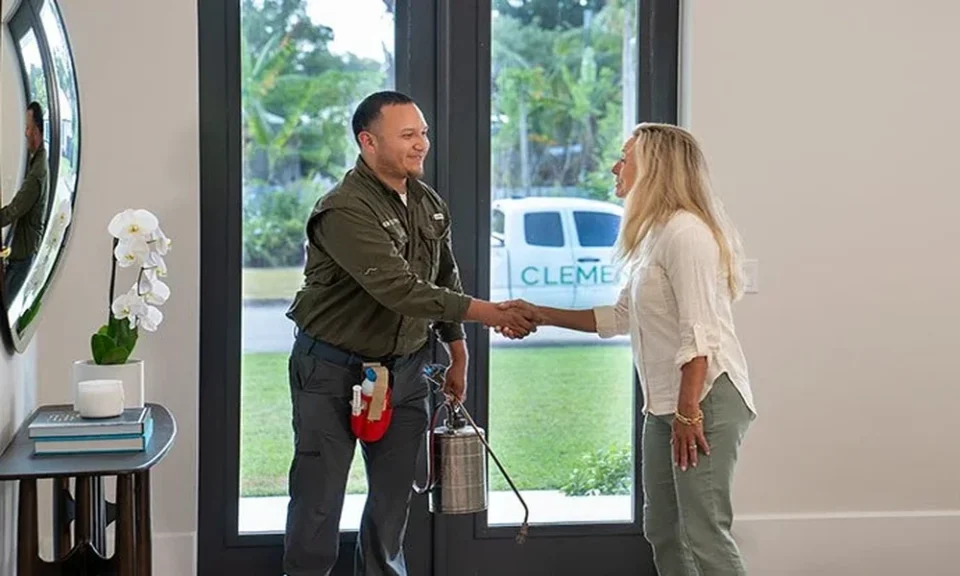
Pest activity is easier to trace when you know what has changed around the home. Before an inspection, pay attention to where pests appear, when they show up, and whether anything around the property has changed.
You do not need to identify the pest or figure out where it came from. A few observations about timing, location, moisture, landscaping, and recent work can give a technician useful leads. Central Florida homes also have outdoor conditions that shift with irrigation, rain, vegetation, and drainage. Anyone considering professional pest control in Alaqua Lakes can make the visit more productive by gathering this before the technician arrives.
Note Where and When You See Pests
Pest problems do not always start from the room where you find them. Notice whether activity gathers near one window, a door, a bathroom, or the garage, and whether the same spot keeps showing signs. Ants along one wall or insects at a patio door tell a technician where to look first.
Timing matters too. Note whether pests appear by day or night, after rain, or when the weather shifts. Something that keeps happening helps more than a pest you saw once.
Look at What Changed Outside
Think back over the weeks before you noticed the problem. Was the yard landscaped, mulched, or replanted? Did the irrigation schedule change? Was a tree taken out or a new bed added?
Changes like these alter the conditions around a house without looking like a problem. A new bed may hold water differently, and disturbed soil can open up ground pests had been using out of sight. In Alaqua Lakes, where the community manages shared landscaping and water features, some of what changes around a home happens beyond the yard itself.
Check the Exterior for Gaps and Water
Take a slow walk around the outside where the house meets the yard. Check screens for tears, look around door and window frames, and note where plants press against the walls or where gaps show at utility lines and vents. You do not need to fix anything. A photo of a torn screen or an odd opening shows the technician what caught your eye.
While you are out there, look for water. Note any patch that stays wet after the yard dries. Watch for water pooling under a fixture, or soil that stays dark after irrigation. Check the gutters, downspouts, drains, and any containers that collect water. The inspector needs to know where water stays and how long.
Note What You Have Tried and Take Photos
If you have used a store spray, bait, or trap, write down when, and whether anything changed. The same goes for past professional treatments, so keep an old service report or the date of the last visit handy. That history helps the technician avoid repeating a treatment that has already failed.
Photos help most when a sign of pest activity does not last. A pest may be gone by the time the technician arrives, but a picture of the insect, a trail, droppings, a screen, or a wet spot preserves what you saw. There is no need to collect insects or disturb anything.
What to Bring to the Inspection
You do not need a diagnosis, only a short account of what you have noticed. Have these ready.
- Where activity shows up. The rooms, doors, windows, or outdoor spots where you have seen pests or signs.
- When it started. Even a rough timeframe separates a recent change from a long-standing one.
- What changed. Recent landscaping, irrigation, repairs, construction, or a change in how you use the yard.
- What you have tried. Store products or past treatments, and whether they helped.
- Anything odd outside. Lasting moisture, standing water, or a damaged screen can give the inspection another lead.
Start With What You Know
The best preparation is plain observation. You do not have to name the species, find a nest, or pick a treatment before asking for help. When pests keep coming back, a local company like Avata can look closely at both the house and the conditions around it. The notes you gathered help that inspection find the source faster.
