
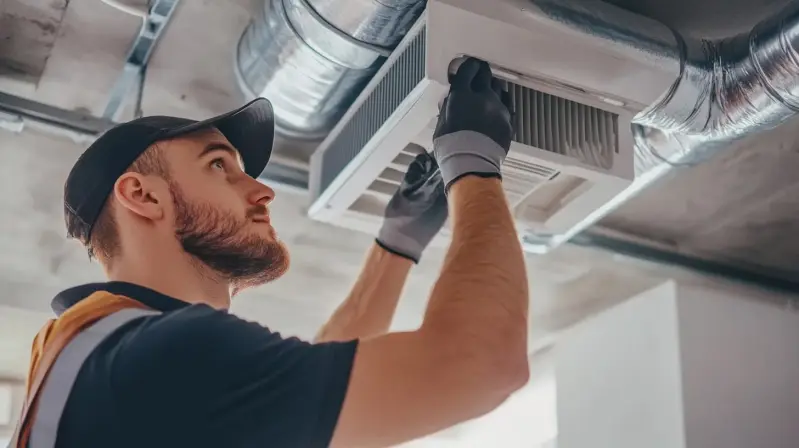
The Link Between Ventilation Systems and Indoor Air Quality
When we consider the overall health of our homes, the quality of the air we breathe indoors is paramount. Many factors contribute to indoor air quality, and the efficiency of our home’s ventilation systems plays a critical role. While often associated with heating and cooling ducts, the dryer vent system is an integral part of a home’s ventilation network, significantly impacting the air we share with our families. A well-maintained dryer vent ensures proper airflow, which is essential not only for appliance performance but also for maintaining a healthy living environment.
Effective ventilation helps prevent the accumulation of airborne pollutants, dust mites, and pollen, all of which can compromise indoor air quality. By ensuring that exhaust systems, including dryer vents, operate efficiently, we can promote a healthier home. This directly contributes to improving indoor air quality by facilitating better system performance and moisture control, which in turn helps in mold prevention.
How Professional Cleaning Enhances Indoor Air Quality
Professional cleaning of ventilation systems goes far beyond a simple surface wipe. For dryer vents, this means a thorough removal of lint and debris that accumulates over time. This contaminant removal is crucial because lint is not just a fire hazard; it also restricts airflow. When airflow is restricted, moisture from the drying clothes can struggle to escape, creating a damp environment that is conducive to microbial growth, including mold and mildew, which can release spores into your home’s air.
By eliminating these blockages, professional cleaning leads to significant allergen reduction. Dust, pet dander, and other irritants often get trapped within vent systems. A comprehensive cleaning process ensures these elements are removed, contributing to better air filtration throughout the home. This commitment to household hygiene also helps with odor elimination, as stagnant moisture and trapped debris can cause unpleasant smells that permeate living spaces. Professional cleaning is an investment in the overall health and freshness of your indoor environment.
Long-Term Health Benefits of Superior Indoor Air Quality
The benefits of superior indoor air quality extend deeply into our long-term health and well-being. When the air circulating in our homes is clean and free of excessive pollutants, occupants often experience respiratory relief, especially those with allergies, asthma, or other respiratory sensitivities. Reduced exposure to irritants can lead to fewer symptoms and a more comfortable daily life.
Beyond allergens, professional dryer vent cleaning plays a vital role in carbon monoxide safety, particularly for homes with gas dryers. A clogged vent can prevent the proper expulsion of combustion byproducts, including carbon monoxide, a colorless, odorless, and highly toxic gas. Ensuring the vent is clear allows these fumes to escape safely, protecting your family from a silent danger.
Furthermore, proper ventilation helps with humidity regulation. As dryers expel a significant amount of moisture-approximately half a gallon per load-an unobstructed vent is critical for directing this moisture outdoors. When vents are clogged, this moisture can back up into the home, contributing to high indoor humidity levels. Excessive humidity can foster mold growth, attract pests, and create an uncomfortable living space, negatively impacting sleep quality and overall comfort. By maintaining optimal humidity, we reduce irritants and foster a truly healthy living environment.
Addressing Hidden Hazards in Dryer Exhaust Lines
While the immediate concern for many homeowners is the efficiency of their dryer, the hidden hazards lurking within dryer exhaust lines are far more critical. Lint, a highly flammable material, accumulates in these vents over time, transforming a common household appliance into a significant fire risk. The statistics are sobering: the National Fire Protection Agency reports that, on average, a fire involving the dryer occurs every 37 minutes in the U.S. These incidents contribute to thousands of annual fires, with an estimated 13,820 house fires and $233 million in property damage stemming from dryer-related incidents each year.
Beyond the fire hazard, clogged dryer vents pose other serious threats. As mentioned, dryers expel a substantial amount of moisture-about half a gallon per load. When the vent is obstructed, this moisture has nowhere to go but back into your home, potentially leading to mold growth, structural damage, and increased humidity. For homes with gas dryers, the stakes are even higher. A blocked vent can lead to a dangerous buildup of toxic fumes, including carbon monoxide, a silent killer. Ensuring your dryer vent is clear is not just about convenience; it’s about safeguarding your home and family. When seeking a professional, look for those who stand behind their work with robust guarantees, such as the Neighborly Done Right Promise™, which signifies a commitment to quality and customer satisfaction.
Comprehensive Maintenance Beyond Simple Cleaning
When you seek out a professional for dryer vent services, you’re looking for more than just a quick clean. Comprehensive maintenance involves a multi-faceted approach to ensure your system is operating safely and efficiently. This begins with a thorough system inspection, where skilled technicians examine the entire vent line, from the dryer connection to the exterior termination cap. They look for signs of damage, improper installation, and potential blockages.
Should issues be identified, professional repair services are available to address problems such as crushed or disconnected ducts, ensuring all components are code-compliant materials. This is crucial for both safety and optimal performance. For new installations or problematic vent configurations, line rerouting assistance can optimize airflow and minimize future lint accumulation.
A common and often overlooked issue is animal intrusion. Birds nesting in dryer vents or other small animals seeking shelter can create significant blockages. Professionals are equipped for bird nest removal and have solutions to prevent future animal intrusion, such as installing protective screens or caps. To accurately assess the system’s performance, technicians utilize specialized tools like airflow meters to measure the velocity of air moving through the vent and static pressure readings to identify resistance points. These diagnostic steps ensure that any underlying issues are identified and resolved, providing a complete and lasting solution beyond just removing visible lint.
Identifying When Your Home Needs Professional Attention
Recognizing the signs that your dryer vent needs professional attention is crucial for preventing hazards and maintaining efficiency. Many homeowners don’t realize their dryer vent is clogged until significant problems arise. However, there are several key indicators that suggest it’s time to call in the experts.
One of the most common signs is experiencing long drying cycles. If your clothes are taking longer than usual to dry, or if you find yourself running multiple cycles for a single load, it’s a strong indication of restricted airflow due to lint buildup. Similarly, if your dryer itself feels excessively hot to the touch, or if your clothes are unusually hot after a cycle, it means the appliance is struggling to expel heat, which can lead to overheating appliances and potential fire risks.
Another tell-tale sign is musty clothing smells. When moisture gets trapped in the vent because of a blockage, it can cause clothes to smell damp or moldy, even after a full drying cycle. You might also notice excess lint accumulating on your clothes or around the dryer area, which indicates that lint is not being properly vented outdoors. Conversely, an empty lint screen, or very little lint on it after a load, can also be a sign of a severe blockage further down the vent line, as the lint isn’t even making it to the trap.
These symptoms all point to restricted airflow, which not only poses a safety hazard but also significantly impacts your energy efficiency. A clogged vent forces your dryer to work harder and longer, consuming more energy and increasing your utility costs. This extra strain also causes increased wear and tear on your appliance, reducing its overall appliance longevity.
Leading manufacturers generally recommend yearly maintenance for dryer vents. However, if you use your dryer frequently-more than twice a week-it’s advisable to consider 6-8 month inspection cycles to ensure optimal performance and safety. Proactive attention to these signs and adherence to recommended cleaning schedules can save you from costly repairs, energy waste, and, most importantly, potential home fires.
Frequently Asked Questions about Indoor Air Quality
Understanding the nuances of dryer vent maintenance and its connection to indoor air quality can raise several questions. Here, we address some of the most common inquiries to provide clarity and empower homeowners to make informed decisions for their property’s health and safety.
How often should dryer vents be cleaned to protect Indoor Air Quality?
The frequency of dryer vent cleaning is a critical factor in maintaining both home safety and indoor air quality. Generally, leading manufacturers and safety organizations recommend yearly cleaning for most households. This annual service helps prevent the dangerous accumulation of lint and debris that can lead to fires and reduced efficiency.
However, this recommendation can vary based on several factors:
- High-Usage Households: If you run your dryer more than twice a week, such as in large families or homes with high laundry demands, a more frequent inspection schedule of every 6 to 8 months is advisable.
- Pet Owners: Homes with pets tend to accumulate more pet hair in their dryer vents, necessitating more frequent cleaning.
- Longer Vent Runs: Dryer vents that are unusually long or have multiple bends are more prone to blockages and may require more frequent attention.
- Older Dryers: Older models may not be as efficient at trapping lint, leading to faster accumulation in the vent.
- Manufacturer Recommendations: Always consult your dryer’s user manual for specific guidance, as manufacturer recommendations are tailored to your appliance.
- Safety Standards: Adhering to these safety standards not only reduces fire risk but also ensures that moisture and potential carbon monoxide from gas dryers are properly expelled, safeguarding your indoor air quality by preventing mold and toxic gas buildup.
Regular cleaning, tailored to your household’s specific needs, is the best approach to ensure optimal performance, safety, and healthy indoor air.
What are the primary risks of neglecting ventilation maintenance?
Neglecting regular ventilation maintenance, particularly for dryer vents, can lead to a cascade of serious problems that impact both home safety and occupant health. The primary risks include:
- Fire Hazards: This is the most significant and well-documented risk. Lint is highly flammable, and its accumulation in dryer vents is a leading cause of house fires. Restricted airflow causes the dryer to overheat, igniting trapped lint.
- Carbon Monoxide Poisoning: For homes with gas dryers, a clogged vent can prevent the proper venting of combustion gases, including carbon monoxide. This odorless, colorless gas can quickly build to dangerous levels, leading to severe illness or even death.
- Mold Growth: When a dryer vent is blocked, moisture from wet clothes cannot escape properly and can be forced back into the laundry area or within the walls. This creates an ideal environment for mold growth, which can trigger allergies, respiratory issues, and other health problems, significantly degrading indoor air quality.
- Increased Energy Bills: A clogged vent forces your dryer to work harder and longer to dry clothes, leading to increased energy consumption and higher utility costs.
- Appliance Failure: The continuous strain on your dryer due to restricted airflow can cause its components to wear out prematurely, leading to expensive repairs or the need for early appliance replacement.
- Clothing Damage: Prolonged exposure to high heat and extended drying cycles, a consequence of clogged vents, can damage clothing fibers, causing your favorite garments to wear out faster.
Addressing these risks through proactive maintenance is essential for a safe, efficient, and healthy home.
How do professionals determine if a vent system is functioning correctly?
Professional dryer vent cleaning services employ a systematic approach to determine if a vent system is functioning correctly, going beyond just visual inspection. Their methods ensure a comprehensive assessment and effective resolution of any issues.
- Visual Inspection: The process typically begins with a thorough visual inspection of the entire vent system, from the dryer connection point to the exterior termination cap. Professionals look for obvious signs of damage, disconnections, improper materials (like flexible vinyl ducting), or blockages at the entry and exit points. They also check for lint buildup around the dryer and in the lint trap.
- Airflow Measurement: One of the most crucial diagnostic tools is an airflow meter. This device measures the velocity of air moving through the vent. A significantly reduced airflow reading indicates a blockage or restriction within the ductwork. Professionals often take “before” and “after” readings to demonstrate the improvement in airflow post-cleaning.
- Static Pressure Tests: In conjunction with airflow measurement, static pressure tests help identify areas of resistance within the vent system. High static pressure indicates a blockage or a poorly designed vent run (e.g., too many bends, excessive length), which can impede proper exhaust.
- Debris Removal: Once a blockage is identified, professionals use specialized brushes, vacuums, and air-powered tools to thoroughly remove all lint, debris, and any animal nests or other obstructions from the entire length of the vent.
- Joint Integrity and Termination Cap Checks: During the inspection, technicians also ensure that all joints in the ductwork are securely connected and sealed to prevent air leaks and lint escape. The exterior termination cap is checked for proper function, ensuring it opens and closes correctly to prevent animal intrusion and backdrafts while allowing proper exhaust.
By combining these diagnostic and cleaning techniques, professionals can accurately assess your dryer vent system’s performance, identify potential hazards, and restore it to optimal, safe operation.
Conclusion
Ensuring the health and safety of our homes is a continuous process, and the often-overlooked dryer vent plays a surprisingly significant role in this endeavor. From mitigating severe fire hazards to safeguarding indoor air quality and optimizing appliance efficiency, the benefits of professional dryer vent cleaning are clear and compelling. We’ve explored how a clogged vent can lead to dangerous situations like house fires and carbon monoxide poisoning, as well as less dramatic but equally impactful issues such as increased energy consumption, premature appliance wear, and degraded indoor air quality due to moisture and mold.
By understanding the warning signs-longer drying times, an overheating dryer, or musty smells-homeowners can take proactive maintenance steps. Opting for professional expertise ensures that your dryer vent system is not just superficially cleaned, but thoroughly inspected, repaired with code-compliant materials if needed, and tested for optimal airflow. This comprehensive approach provides not only immediate efficiency gains but also lasting peace of mind, knowing that your home is safer and your appliance is operating as it should. Prioritizing this essential home maintenance task is a smart investment in the well-being of your family and the longevity of your property.
