
Essential Upgrades for Modern Homes: Cladding, Windows, and PlumbingThe 2026 Landscape of Residential Renovation
In May 2026, homeowners are increasingly looking beyond superficial updates, focusing instead on strategic improvements that deliver long-term value, enhance efficiency, and elevate daily living. The home improvement sector has evolved significantly, with a strong emphasis on sustainability, smart technology integration, and resilience against environmental factors. High-ROI (Return on Investment) projects are no longer just about aesthetic appeal; they encompass upgrades that reduce energy consumption, improve indoor air quality, and minimize maintenance.
For homeowners considering renovations in 2026, projects with the highest return typically include kitchen and bathroom remodels, adding a deck or patio, and, critically, investing in energy-efficient upgrades like new windows and advanced insulation. Exterior enhancements, particularly durable cladding, also consistently rank high due to their dual benefit of curb appeal and structural protection.
When planning any significant home improvement, understanding the expected lifespan of various components is crucial for budgeting and long-term planning. Here’s a quick comparison:
Component Typical Lifespan (Years) Exterior Cladding 20-50+ Windows 15-30 Plumbing System 50-100+ Roof 20-50 HVAC System 10-25
Defining Modern Home Improvement Services
The home improvement services of 2026 are characterized by a blend of innovation and practicality. Trends point towards smart home integration, sustainable material choices, and a holistic approach to property maintenance and enhancement. Homeowners are seeking solutions that not only increase property value but also genuinely improve their lifestyle – from creating more comfortable living environments to reducing utility bills. This shift means services often encompass detailed planning, energy audits, and the integration of advanced systems.
Whether you’re aiming to boost your property’s market appeal or simply create a more enjoyable personal sanctuary, understanding the scope of available services is key. From minor repairs to extensive remodels, the right home improvement services can truly transform your home with stylish and durable cladding solutions, ensuring it meets both current and future needs.
High Performance Exterior Systems and Zoned Design
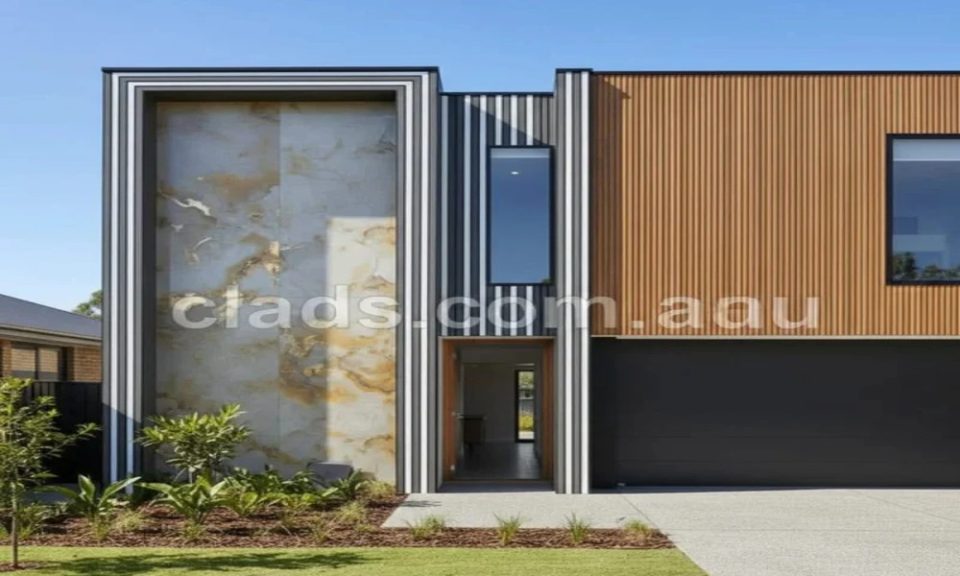
The exterior of a home is its first line of defense and a major contributor to its aesthetic. In 2026, Modern architectural cladding solutions are at the forefront of combining durability, energy efficiency, and sophisticated design. We see a strong move towards zoned design, where different materials are strategically used to highlight architectural features, provide varying levels of protection, and create visual interest.
High-performance cladding often incorporates advanced materials like marine-grade 6063-T6 aluminum with PVDF finishes, known for their exceptional resistance to corrosion and fading. A critical feature in modern installations is rainscreen ventilation, which creates an air gap behind the cladding. This system effectively manages moisture, prevents condensation build-up, and enhances thermal performance, crucial for maintaining a healthy and dry building envelope. Materials such as WPC cladding and Aluminium cladding are gaining popularity for their low maintenance, aesthetic versatility, and long-term performance.
Engineering for the Australian Climate
For homes in Australia, cladding choices must meet rigorous standards to withstand the country’s diverse and often harsh climate. Compliance with the National Construction Code (NCC) is non-negotiable, ensuring structural integrity and safety. Bushfire Attack Level (BAL) ratings are paramount in fire-prone areas, necessitating materials that meet stringent fire resistance standards, such as AS1530.1 non-combustibility requirements for certain applications. These engineered solutions are designed not just for immediate aesthetic appeal but for a robust 50-year lifespan, ensuring peace of mind for homeowners. Investing in these durable systems means fewer repair cycles and a lower total cost of ownership over the home’s lifetime.
To understand the long-term benefits and engineering behind these choices, it’s helpful to review resources like Built to Last: Choosing the Best Durable Exterior Cladding for Your Home. Our 18+ years of experience in the industry underscore the value of choosing premium, engineered materials that pay for themselves by eliminating constant repair and replacement costs.
Material Layering and Zoned Aesthetics
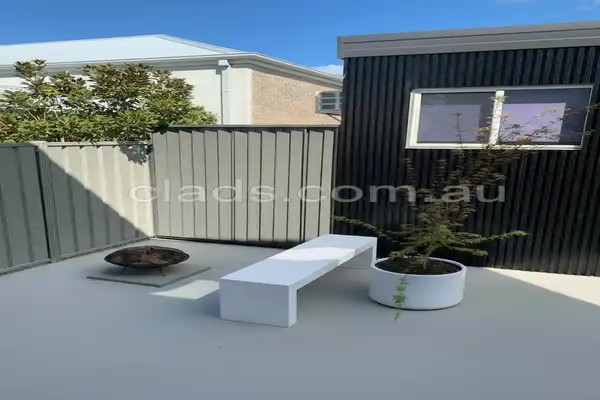
The concept of zoned design extends to material layering, where different cladding types are combined to achieve both functional and aesthetic goals. For instance, Stone cladding can serve as a stunning accent, providing a luxurious, earthy texture that contrasts beautifully with smoother surfaces. While the upfront material cost for stone cladding might appear high, consider the total lifecycle cost. Installation and labor for natural stone can significantly exceed material costs due to its weight, intricate cutting, and specialized application techniques. However, its unparalleled durability and timeless appeal mean virtually no repair cycles, making it a sound long-term investment.
Similarly, Cement cladding offers versatile textures and robust performance, often used for larger expanses or as a base layer. For interior and sheltered exterior applications like eaves and ceilings, HPL (High-Pressure Laminate) provides a sleek, durable, and low-maintenance finish. Beyond aesthetics, acoustic performance is also a growing concern, with materials and systems designed to achieve specific NRC (Noise Reduction Coefficient) ratings, especially for internal spaces. For more on enhancing interior spaces with advanced materials, consider Give Your Ceiling a Glow-Up: Fitting Internal Cladding Made Easy. For current base rates and detailed product information, we always recommend visiting our website directly.
Energy Efficiency Through Advanced Window Systems
Windows are critical to a home’s energy performance, comfort, and security. In 2026, the focus for Window and door home improvement is on advanced systems that significantly reduce heat transfer and improve acoustic insulation.
Modern windows feature thermal breaks in their frames, which prevent heat from conducting through the material. Low U-values (a measure of heat loss) are sought after, achieved through innovations like double or even triple glazing, often filled with inert gases like argon to further enhance insulation. These systems also manage solar heat gain, preventing excessive heat build-up indoors during warmer months while maximizing natural light. The result is a more stable internal temperature, reducing reliance on HVAC systems and lowering energy bills. These improvements contribute significantly to the overall energy efficiency of your home, allowing you to Unlock Your Home’s Potential: Inspiring Exterior Makeover Ideas that go beyond surface-level aesthetics.
Structural Integrity and Security
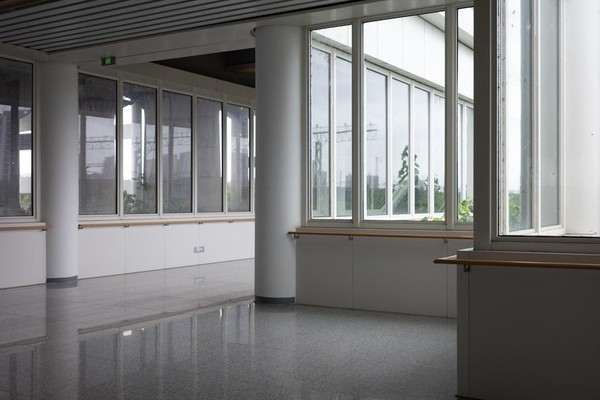
Beyond energy performance, the structural integrity and security of window systems are paramount. Durable frames, often made from reinforced uPVC, aluminum, or timber, are designed to withstand harsh weather conditions and provide robust protection. Multi-point locking mechanisms are standard, offering enhanced security against forced entry. Low-E (low-emissivity) glass coatings not only improve thermal performance but also block harmful UV rays, protecting interior furnishings from fading. Furthermore, advanced window designs actively control condensation, preventing moisture build-up that can lead to mold and damage. These considerations are vital when planning any exterior renovation, as detailed in discussions around Exterior Cladding Ideas That Will Instantly Elevate Your Home’s Look, where windows play a complementary role to the chosen cladding.
Modernizing the Core Infrastructure
While often out of sight, a home’s plumbing system is fundamental to its functionality and hygiene. Modernizing this core infrastructure is a key home improvement service in 2026, driven by demands for efficiency, durability, and smart technology.
Advances in piping materials, such as PEX (cross-linked polyethylene) and HDPE (High-Density Polyethylene), offer superior durability, flexibility, and resistance to corrosion compared to older metal pipes. These materials are easier to install, reduce the risk of leaks, and contribute to cleaner water delivery. Beyond piping, tankless water heaters are becoming increasingly popular for their on-demand hot water, energy savings, and compact size. The integration of plumbing with HVAC systems, often through smart home controls, allows for optimized water heating and climate control. Proactive preventive maintenance, including regular inspections and leak detection systems, is crucial for extending the lifespan of these systems and avoiding costly emergency repairs. For insights into efficient water management, consider resources from experts in Great Basin plumbing improvements.
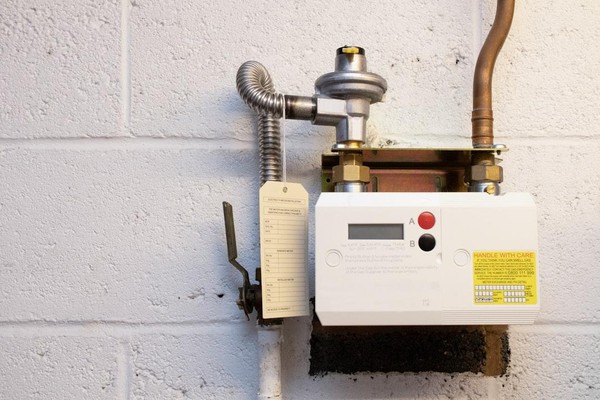
For homeowners looking to integrate modern panels into their wet areas, understanding installation techniques is vital. Clad It Up: Mastering Internal WPC Panel Installation provides valuable guidance on this front.
Emergency Repairs and System Longevity
When plumbing issues arise, prompt action is critical. Many home service providers now offer same-day or next-day emergency plumbing repairs, understanding the urgency of burst pipes or severe leaks. Diagnostic fees, typically ranging from $90 to $150, are often waived if the homeowner proceeds with the recommended repair, making professional assessment accessible.
Beyond plumbing, the longevity of HVAC systems is also heavily reliant on professional maintenance. Technicians handling refrigerants must possess a 608 Certification, mandated by the EPA, ensuring environmentally responsible practices. Regular checks of components like the compressor, which increases gas pressure in cooling systems, are essential for efficiency and preventing complete system failure. For those interested in the fundamentals of interior finishes, learning How to Fit Internal Timber Cladding can be a rewarding DIY skill, but for core infrastructure, professional expertise is indispensable.
Strategic Budgeting for Home Improvement Services
Budgeting for home improvement projects in 2026 requires careful consideration of various factors to ensure financial viability and project success. Whether it’s a kitchen remodel, a bathroom renovation, or essential roof repairs, understanding the cost drivers is paramount.

For large-scale projects like kitchen remodels, factors such as the size of the space, the quality of materials (e.g., custom cabinetry vs. semi-custom, high-end appliances), and the extent of structural changes significantly influence the final cost. Bathroom renovations often offer a strong return on investment, but costs can vary widely based on fixture upgrades, tiling choices, and plumbing modifications. Roof repair estimates depend on the type of roofing material, the extent of damage, and local labor rates.
Accessing reliable 2026 cost guides, like those offered by platforms such as Angi or HomeAdvisor, can provide a baseline for planning. However, local market conditions and the specific scope of work will always dictate final pricing. For those tackling exterior updates, resources like Transform Your Home: The Complete DIY External Cladding Handbook can help in understanding material and labor components.
For low-income or vulnerable homeowners, various financial assistance programs, grants, and low-interest loan options exist. These are often offered by government agencies, non-profit organizations, or community development initiatives aimed at improving housing conditions and preventing displacement. These programs typically have specific eligibility criteria based on income, property type, and the nature of the repairs needed.
When to Hire Professionals for Home Improvement Services
Deciding between DIY and professional services is a common dilemma. While small repairs like tightening loose handles or patching nail holes are excellent DIY tasks, structural repairs, electrical work, plumbing overhauls, and significant remodels almost always warrant professional expertise. Attempting complex tasks without the necessary skills, tools, or permits can lead to safety hazards, costly mistakes, and even void home insurance policies.
Reputable home service companies, such as Renuity or Branch Home Services, offer guarantees and warranties on their work, providing peace of mind. For example, Mr. Handyman service professionals, with an average of 10 years of experience, stand by their “Done Right Promise,” ensuring customer satisfaction. Sears Home Services, with over 1,500 manufacturer-trained technicians, performs more than 7 million repairs annually, often backed by specific warranties on parts and labor. These guarantees are invaluable, protecting your investment and ensuring the work meets industry standards.
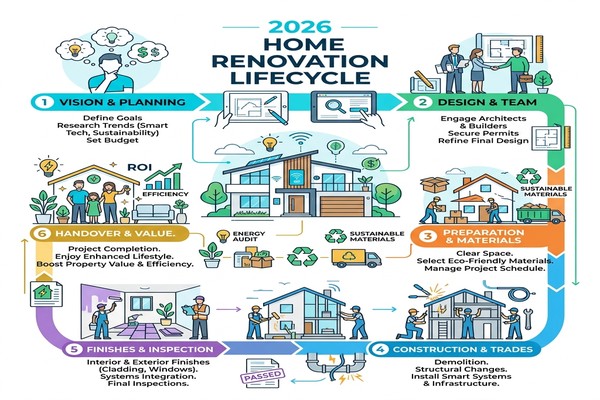
Project timelines vary significantly; a minor repair might take a few hours, while a major kitchen remodel could span several weeks or months. The step-by-step process typically involves initial consultation, design and budgeting, material selection, permitting, demolition, construction, finishing, and a final walkthrough. To minimize disruption, preparing your home by clearing work areas, protecting furniture, and securing pets before a project begins is highly recommended. For major remodeling projects, contacting a specialized firm like Renuity: Top Home Remodeling & Renovation Services Near You or a local expert like Remodeling Company in Flowery Branch, GA | Branch Home Services can streamline the process.
Frequently Asked Questions
What are the most common home improvement services in 2026?
In 2026, the most sought-after home improvement services continue to revolve around enhancing efficiency, comfort, and property value. These commonly include kitchen and bathroom remodels, HVAC system upgrades and maintenance, roof repairs and replacements, exterior cladding installation, window and door replacements, plumbing system modernizations, and smart home technology integration. Handyman services for general repairs and maintenance remain popular for smaller tasks.
How do I find reliable local contractors for major repairs?
Finding reliable local contractors involves several key steps:
- Online Directories: Utilize reputable platforms like Angi or HomeAdvisor to search for licensed and insured professionals in your area. These platforms often include customer reviews and ratings.
- Referrals: Ask friends, family, and neighbors for recommendations. Personal experiences often provide the most trustworthy insights.
- Check Credentials: Verify that contractors are licensed, insured, and have any necessary certifications for specialized work (e.g., 608 Certification for HVAC technicians).
- Get Multiple Quotes: Obtain detailed bids from at least three different contractors to compare pricing, scope of work, and timelines.
- Review Contracts: Ensure all agreements are in writing, detailing project scope, payment schedules, timelines, and warranty information.
What financial assistance is available for vulnerable homeowners?
For low-income or vulnerable homeowners, several avenues for financial assistance exist to help with critical home repairs:
- Government Programs: Federal, state, and local governments often offer grants or low-interest loans for home repairs, particularly for health, safety, and energy efficiency upgrades. Examples include HUD programs or local housing authority initiatives.
- Non-Profit Organizations: Charities and community-based organizations frequently provide assistance, sometimes through direct repair services, financial aid, or educational workshops. Some focus on specific repairs like accessibility modifications.
- Utility Company Programs: Many utility providers offer rebates or assistance programs for energy-efficient upgrades (e.g., new HVAC, insulation) to help reduce energy costs.
- Local Banks/Credit Unions: Some financial institutions offer specific loan products tailored for home improvements with favorable terms for eligible homeowners. It’s advisable to contact your local housing authority or community development office for information on programs specific to your region.
Future-Proofing Your Residential Investment
As we look ahead, the emphasis on long-term durability, performance layers, and sustainable materials will only grow stronger in the realm of home improvement. Investing in premium exterior cladding, high-performance windows, and modernized plumbing systems isn’t just about current aesthetics or comfort; it’s about safeguarding your home against future challenges, reducing environmental impact, and ensuring its value for decades to come.
By prioritizing materials and systems designed for longevity and efficiency, homeowners can significantly reduce maintenance costs, lower utility bills, and enhance their quality of life. Whether it’s ensuring your HVAC system receives regular preventive care through services like Expert Home Appliance Repair & HVAC System Services or addressing small issues before they escalate with comprehensive offerings from Home Repair Services | Mr. Handyman, a proactive approach to home improvement is the smartest investment you can make in 2026 and beyond.
