
Introduction
Do you ever feel overwhelmed by the constant battle against clutter? Does the thought of tidying your home fill you with dread? Many of us experience this daily. A disorganized living space can quietly drain our energy. It impacts our mental well-being and productivity.
But what if we told you it doesn’t have to be this way? We believe a harmonious home is within reach for everyone. It’s about creating systems that work for you, not against you. This extensive guide will explore practical strategies for home organization and maintenance.
We will show you how to simplify overwhelming tasks. We’ll share how simple habits can prevent clutter from returning. We will cover core principles of decluttering. We will also dive into sustainable cleaning routines and organizing specific areas. Imagine a home that supports your peace of mind. A home that saves you time and money. This journey begins right here.
The Psychology of Home Organization and Maintenance
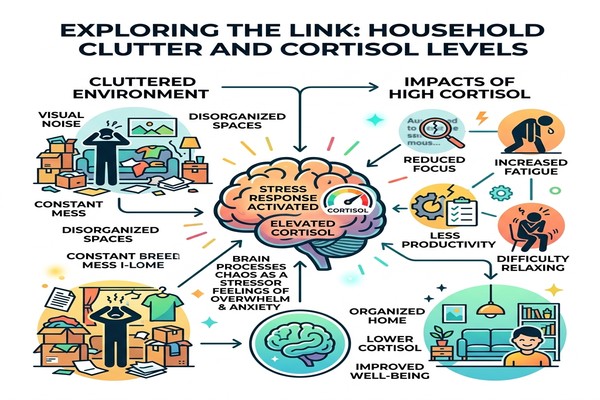
The feeling of being overwhelmed by our homes is a common experience. Often, it stems from what experts call “mental load” and “decision fatigue.” Every item out of place, every task undone, adds a tiny weight to our minds. This accumulation creates a subtle, but persistent, background stress. Our brains are constantly processing the visual noise of clutter, diverting mental energy that could be used for more productive or enjoyable activities. Studies have even shown a direct link between household clutter and elevated cortisol levels, the body’s primary stress hormone.
When our environment is chaotic, it becomes harder to focus, leading to reduced productivity and a sense of being constantly behind. Conversely, an organized home reduces these mental burdens. It transforms our living spaces into restorative environments where we can relax, recharge, and think clearly. By understanding this psychological impact, we can approach organization not as a chore, but as an investment in our mental health and overall well-being.
Core Principles of Effective Decluttering
Decluttering can feel like a monumental task, but it becomes manageable when approached with a clear set of principles. The goal isn’t just to get rid of things, but to create a system where everything has a home and serves a purpose.
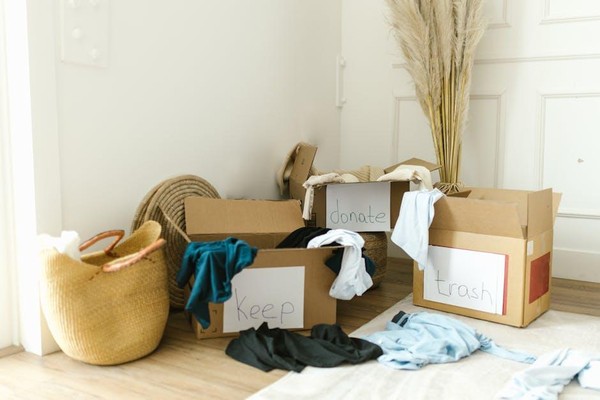
One highly effective method is the “Collect, Choose, Eliminate, Organize” approach. First, Collect everything from a designated space into one pile. This allows you to see the true volume of items. Next, Choose only the items you genuinely love, use regularly, or that hold significant sentimental value. Be honest with yourself. Then, Eliminate the rest by donating, selling, recycling, or discarding. Finally, Organize the chosen items neatly, ensuring they have a designated spot.
To prevent re-accumulation, consider implementing strategies like the “30-day list,” where you postpone non-essential purchases for a month to see if you still need them. For items you’re unsure about, a “maybe box” can be a lifesaver. Store these items out of sight for a few months; if you haven’t needed them, you can confidently let them go. The journey to an organized home is about building momentum and embracing progress over perfection. Don’t aim for an immaculate space overnight; instead, celebrate small victories and consistent effort.
Simplifying the Overwhelming
The sheer scale of organizing an entire home can be paralyzing. The key to simplifying this overwhelming task is to start small. Don’t try to tackle your entire house at once. Instead, pick one tiny area-a single drawer, a shelf, or even just a countertop. This “beginner’s plan” helps build confidence and shows you that progress is possible.
Once you’ve organized that small spot, expand it into a “no-clutter zone.” This is a perpetually tidy area that serves as a visual anchor for your efforts. When you feel overwhelmed, spend just five minutes doing a “five-item sweep,” picking up five misplaced items and putting them in their proper homes. This micro-action prevents significant build-up.
Visualization is also a powerful tool. Before you begin, close your eyes and imagine what your space would look like uncluttered and functional. This mental blueprint can motivate and guide your efforts. When dealing with emotional attachment and sentimental items, it’s okay to take your time. Consider creating a dedicated memory box for truly cherished items, rather than allowing them to contribute to everyday clutter. The goal is a home that supports your current life, not one that’s burdened by the past.
Establishing a Sustainable Home Organization and Maintenance Routine
A truly harmonious home isn’t achieved through one-time cleanouts but through consistent, sustainable routines. The secret lies in breaking down tasks into manageable frequencies: daily, weekly, monthly, seasonal, and annual. This approach prevents minor issues from escalating into overwhelming projects. For a comprehensive guide, we often refer to resources like The Ultimate Household Cleaning Schedule, which provides an excellent framework for when and how often to tackle various chores.
The concept of “autopilot habits” is central here. By consistently performing small tasks, they become second nature, reducing the mental effort required. Think of daily “resets” – putting things back in their place after use. Weekly deep cleans focus on high-traffic areas, keeping dust and grime at bay. Seasonal appliance care, like cleaning refrigerator coils or checking air filters, extends the life of your investments and contributes to Smarter home maintenance.
Consistency is paramount, but so is grace. Life happens, and some days or weeks will be busier than others. If you miss a task, don’t let it derail your entire system. Simply pick up where you left off. The aim is a rhythm that supports your lifestyle, not a rigid schedule that adds stress. Building these habits transforms cleaning from a dreaded chore into an integrated part of daily living.
Frequency-Based Maintenance Tasks
To maintain a home that always feels fresh and organized, we advocate for a frequency-based approach to maintenance. This structured routine ensures that no area is neglected for too long, preventing the accumulation of dirt and clutter.
Daily Tasks: These are quick, essential actions that prevent major build-up. They include making your bed, wiping down kitchen counters after meals, sanitizing high-touch surfaces, and putting away clothes and miscellaneous items. A crucial daily task is managing dishes: empty the dishwasher in the morning, load it throughout the day, and run it before bed.
Weekly Tasks: These focus on high-use areas. Dedicate time to cleaning bathrooms thoroughly (toilets, showers, sinks), vacuuming or mopping floors, doing laundry, and dusting visible surfaces.
Monthly Tasks: These delve a bit deeper. Consider tasks like deep dusting blinds, moldings, and ceiling fans, cleaning mirrors and windows, flushing drains with vinegar, and examining upholstered furniture for spots.
Seasonal Tasks: Align these with the changing seasons, typically quarterly. Examples include washing windows (inside and out), cleaning out the refrigerator and freezer, deep cleaning the oven, laundering pillows and duvets, and sweeping fireplaces.
Annual Tasks: These are the big-ticket items that ensure the longevity and efficiency of your home. Annually, aim to clean gutters, have air ducts professionally inspected and cleaned, deep clean carpets and upholstery, wash walls, and deep clean appliances like washing machines and dishwashers. By distributing these tasks, you avoid the overwhelming “spring cleaning” marathon and maintain a consistently clean environment.
Room-by-Room Strategies for a Functional Home
Effective home organization extends beyond general principles; it requires tailored strategies for each unique space. Our goal is to create functional zones that support the activities performed in each room, making daily life smoother and more enjoyable.
For the kitchen, focus on creating distinct zones for cooking, prep, and baking. Store items where they are used most frequently. For instance, baking supplies near the mixer, and everyday dishes near the dishwasher. Vertical space is your friend here, whether through shelf risers or wall-mounted organizers. If you’re looking for clever ways to maximize storage and keep things tidy, explore resources like 10 Clever Ways to Organize Your Kitchen Cupboards with Baskets. Baskets are fantastic for Streamlined home organization with baskets by containing clutter and categorizing items.
In the pantry, categorize items by type (e.g., snacks, baking, canned goods) and use clear containers or bins. Labeling is key for quick identification. For the bedroom and closet, regular editing is crucial. Follow the “one in, one out” rule for clothes. Utilize drawer dividers, shelf organizers, and hanging solutions to maximize space.
Bathrooms benefit from decluttering countertops and using drawer inserts or under-sink organizers for toiletries. In the living room, focus on functional pieces like storage ottomans or baskets to quickly tidy away blankets and remotes. The home office thrives on clear surfaces and digital organization, but for physical items, an “in-box” system for papers and dedicated spots for supplies are vital.
For the laundry room, ensure supplies are easily accessible, and consider vertical drying racks or folding stations. The entryway needs a “landing zone” with hooks for coats, a tray for shoes, and a spot for mail to prevent items from migrating through the house. In the garage, overhead storage, wall-mounted systems, and clear bins for seasonal items can transform chaos into order. Finally, in playrooms, creating activity zones and using clear, labeled bins for toys helps kids participate in clean-up.
When choosing storage solutions, consider the pros and cons of open versus closed storage:
Feature Open Storage (e.g., open shelves, cubbies) Closed Storage (e.g., cabinets, drawers, opaque bins) Visibility High visibility, easy to find items Items out of sight, reduces visual clutter Maintenance Requires constant tidiness to look good, prone to dust Less frequent tidying needed, protects items from dust Aesthetics Can look curated and stylish, encourages display Creates a clean, minimalist look, hides less attractive items Accessibility Quick access, no doors to open Requires opening/closing, slightly slower access Best For Decorative items, frequently used items, items that are aesthetically pleasing Items that are not visually appealing, less frequently used items, private storage Optimizing Home Organization and Maintenance in High-Traffic Areas
High-traffic areas are the heart of your home, but they’re also the most susceptible to clutter and wear. Optimizing these spaces is crucial for maintaining overall home harmony.
In the kitchen, a well-thought-out workflow can save immense time and reduce frustration. Group items by function: prep tools near the cutting board, cooking utensils by the stove, and dishware near the sink and dishwasher. Regularly decluttering small appliances and keeping countertops clear will significantly improve efficiency.
The laundry room can quickly become a dumping ground. Boost efficiency by ensuring all supplies are within reach, having a dedicated sorting system for whites, darks, and delicates, and installing a folding surface. Consider a monthly focus on this area to ensure it remains functional, as suggested by some organizational experts.
Living room resets are simple, daily habits that prevent clutter from taking over. Before bed, spend five minutes putting away remotes, magazines, and stray items into designated storage. This small effort maintains a peaceful environment.
For a home office, productivity hinges on organization. Keep your desk clear by using drawer organizers for supplies. Implement a digital filing system to reduce paper clutter, and ensure charging stations are tidy to avoid cable tangles.
The garage often becomes a catch-all. Implement robust systems like wall-mounted shelving, pegboards, and clear, labeled bins for seasonal items, tools, and sports equipment. This not only organizes but also maximizes vertical space, allowing cars to actually fit inside.
Finally, in playrooms, creating distinct zones for different activities (e.g., art, building, reading) helps children understand where items belong. Using clear, labeled containers and rotating toys can keep the space manageable and encourage independent clean-up habits.
Overcoming Challenges in Home Organization and Maintenance
Organizing and maintaining a home comes with its unique set of challenges, especially for those in smaller spaces or with busy families. However, with the right strategies, these hurdles can be overcome.
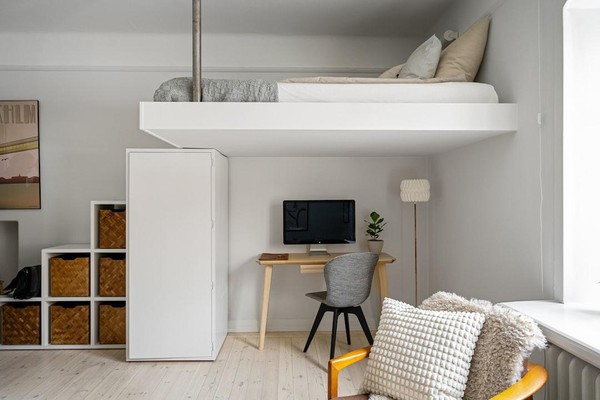
For small homes, apartments, or spaces with kids, maximizing every inch is vital. Vertical space is your best friend – think tall shelving, wall-mounted organizers, and over-the-door storage. Multi-functional furniture, such as ottomans with storage or beds with built-in drawers, can provide hidden solutions. When dealing with children’s items, systems like “toy purgatory” can be effective: temporarily remove toys that aren’t being played with to see if they are truly missed before donating.
Family involvement is non-negotiable for long-term success. Make organization a team effort. Assign age-appropriate chores and create simple, visible systems that everyone can understand and follow. For younger children, picture labels can be incredibly helpful for teaching them where their toys belong. Resources offering practical Home care solutions often emphasize the importance of involving all household members in maintaining a tidy environment. This shared responsibility reduces the burden on one individual and fosters a sense of collective ownership.
Avoiding Common Pitfalls in Home Organization and Maintenance
Even with the best intentions, several common mistakes can derail your organizing efforts and lead to recurring clutter. Being aware of these pitfalls can help you navigate your journey to a more harmonious home.
One of the most frequent errors is buying bins first. Many people assume that purchasing attractive containers will solve their clutter problem. However, without first decluttering and understanding what you truly need to store, you often end up with bins full of unnecessary items, or containers that don’t fit your space or needs. Always declutter and categorize before you shop for storage solutions.
Another pitfall is creating overly complex systems. If a system is too intricate or requires too much effort to maintain, it’s destined to fail. Organization should simplify your life, not complicate it. Aim for intuitive systems that align with your natural habits.
Over-ownership is a root cause of clutter. We often keep items “just in case” or out of a sense of obligation, leading to overflowing spaces. Regularly questioning whether an item serves your current life can help combat this. Similarly, the “just for now” placement-leaving items on surfaces with the intention of putting them away later-is a fast track to clutter accumulation. Give everything a designated home, and commit to putting items back immediately after use.
Perfectionism can also be an enemy of progress. Striving for an immaculate, magazine-worthy home can be paralyzing. Progress over perfection is the goal. A functional, mostly tidy home is far more beneficial than an untouched, perfectly organized one that never gets used. Finally, ignoring maintenance after an initial organizing push ensures clutter will return. Organization is an ongoing process, not a one-time event. Build in regular maintenance tasks to keep your systems effective.
Long-Term Habits for a Clutter-Free Life
Maintaining an organized home is less about periodic overhauls and more about cultivating consistent, small habits that prevent clutter from returning. These “autopilot” actions become second nature, ensuring your space remains functional and peaceful without constant effort. For more insights into creating lasting order, exploring an Organization Category can provide a wealth of additional strategies and inspiration.
One powerful habit is the “one-in, two-out” rule. For every new item you bring into your home, commit to removing two similar items. This proactive approach prevents accumulation, especially for categories like clothing, books, or kitchen gadgets.
The “five-minute reset” is a daily game-changer. Before you leave a room or before bed, take just five minutes to put away misplaced items, fluff pillows, and wipe down surfaces. This small effort prevents minor messes from snowballing. Complementing this is the “one-touch rule”: when you pick something up, either put it in its designated home immediately or deal with it. Avoid setting it down “just for a moment.”
Implementing “limited storage” can also be surprisingly effective. Instead of expanding storage to fit more items, intentionally limit your storage space. This forces you to make conscious decisions about what you truly need and value, preventing over-ownership. Mindful consumption, where you consider the true need and impact of a purchase before buying, further supports a clutter-free lifestyle.
Here are some daily autopilot tasks to integrate into your routine:
- Make your bed.
- Wipe down kitchen counters after each meal.
- Put away clothes immediately after taking them off.
- Sort mail as it comes in, discarding junk immediately.
- Do a quick “five-item sweep” in high-traffic areas.
- Load and run the dishwasher (or wash dishes manually) before bed.
- Return items to their designated homes after use.
Maintaining the System
Establishing an organization system is the first step; maintaining it is the ongoing commitment. Sustainable home organization relies on integrating regular check-ins and flexible approaches into your routine.
One effective strategy is the “monthly focus.” Instead of trying to deep clean or organize your entire home at once, dedicate each month to a specific area or type of task. For instance, April 2026 might be dedicated to the pantry, while May focuses on the master closet. This breaks down large projects into manageable chunks, preventing overwhelm and allowing for thorough attention to detail.
“Rotating tasks” are another excellent way to keep your home deeply clean without feeling burdened. These are chores that don’t need daily or weekly attention but should be done periodically, such as washing baseboards, deep cleaning carpets, or wiping down light fixtures. By rotating 7-8 of these tasks throughout the month, you spread out the effort. Many people find success by designating a “catch-all day” (often a Friday) to tackle these rotating tasks or any weekly chores that were missed.
Seasonal refreshes, aligned with the changing weather, are also vital. This might involve cleaning windows in spring, decluttering outdoor gear in summer, preparing for holidays in autumn, or organizing winter wear. Habit stacking, where you pair a new habit (like putting away laundry) with an existing one (like watching TV), can make maintenance feel effortless. Finally, accountability, whether through a physical calendar, a shared family schedule, or even an online community, can keep you motivated and on track.
Frequently Asked Questions about Home Organization
Why does my home feel overwhelming even after I clean?
Cleaning often addresses surface-level dirt and tidiness, but it doesn’t solve underlying organizational issues. If items don’t have a designated home, they’ll quickly migrate back into piles, leading to visual clutter and mental stress. The feeling of overwhelm stems from the “mental load” of constantly processing disorganization and making decisions about where things should go. An organized home has systems in place that prevent clutter from accumulating, making cleaning more effective and lasting.
How do I start organizing when I have no free time?
The key is to start incredibly small and build momentum. Don’t wait for a large block of free time that may never come. Dedicate just 5-10 minutes a day to one tiny task: clear one drawer, tidy a single shelf, or sort a small pile of papers. Implement the “five-minute reset” and “one-touch rule” to prevent new clutter. Consistency in these micro-actions will yield significant results over time, making you feel more in control without requiring major time commitments.
What are the best storage products for small homes?
For small homes, the best storage products maximize vertical space and offer multi-functional solutions. Think tall, narrow shelving units, over-the-door organizers, wall-mounted cabinets, and under-bed storage containers. Furniture with built-in storage, such as storage ottomans, coffee tables with drawers, or beds with integrated drawers, can provide hidden capacity. Clear, stackable bins are excellent for visibility and efficient use of space, especially in closets and pantries. Always measure your space precisely before purchasing to ensure a perfect fit.
Conclusion
Creating a harmonious home through effective organization and maintenance is a journey, not a destination. It’s about understanding the psychological impact of our surroundings, embracing core decluttering principles, and establishing sustainable routines that work for your unique lifestyle. By simplifying overwhelming tasks, avoiding common pitfalls, and cultivating long-term habits, you can transform your living space into a sanctuary that supports your mental well-being, saves you time, and reduces stress.
We encourage you to take these insights and apply them to your own home, one small step at a time. The path to a more peaceful and productive environment begins with intention and consistent action. For more resources and to discover how we can help you achieve your home organization goals, visit www.digitalcasd.com/. Start today, and unlock the lasting peace that comes with a truly harmonious home.
