
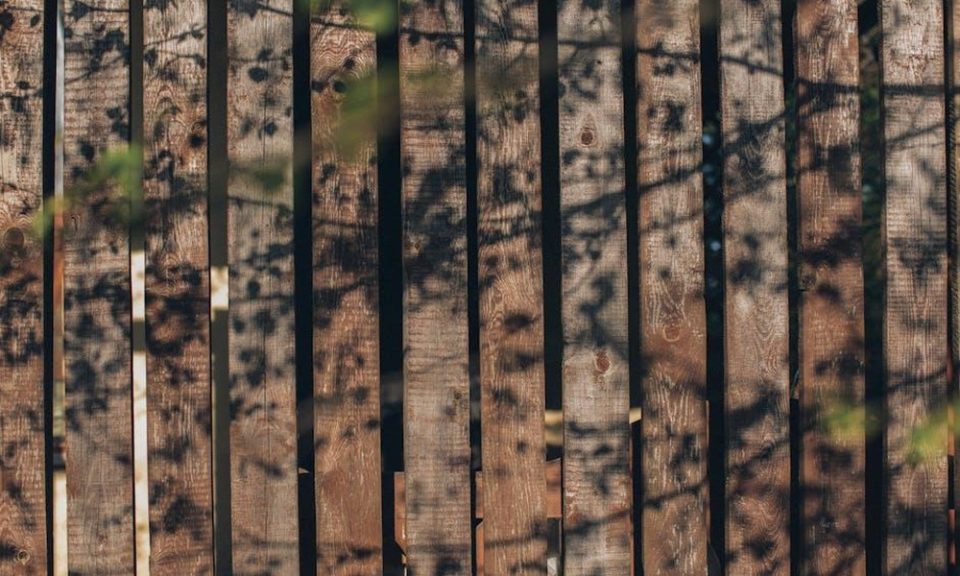
Selecting the Right Wood for Outdoor Living Structures
When we design an outdoor living space, fences are more than just boundaries. They offer privacy, boost curb appeal, and secure our homes. But with so many options, how do we choose the right material?
Selecting the perfect wood for your fence is a big decision. It impacts how long your fence lasts and how it looks. The right choice ensures your investment stands up to weather and time.
In this guide, we will explore the many types of wood available for fencing. We’ll look at the good and bad points of each. We will also cover how things like your local climate, your budget, and how much care you want to give the fence affect your choice. Understanding these factors helps us build fences that are both strong and beautiful. For those looking for guidance from experienced professionals, consulting with custom patio covers can provide valuable insights for your specific project.
Choosing the right wood for your outdoor structures, especially fences, involves balancing aesthetics, durability, and cost. Several popular wood types dominate the market, each with unique characteristics that make them suitable for different applications. The primary contenders often include Western Red Cedar, Redwood, Pressure-treated Pine, Ipe, and Douglas Fir. Our selection process often begins by considering whether a wood offers natural resistance to decay and insects or relies on chemical preservatives for longevity.
Naturally resistant woods, like cedar and redwood, contain inherent oils and compounds that deter pests and moisture. For instance, cedar’s natural oils provide resistance to rot and insects, while cypress wood contains cypretine, a natural insect deterrent. These natural properties mean they often require less chemical treatment, appealing to those seeking more organic solutions. In contrast, woods like pine and Douglas fir, which are less naturally durable, are frequently enhanced with chemical preservatives through a process known as pressure treatment. This treatment infuses the wood with protective chemicals, significantly extending its lifespan in outdoor environments.
To help illustrate the differences, we’ve compiled a comparison of major wood types:
Wood Type Expected Lifespan (Years) Average Cost (per 6ft picket) Maintenance Level Natural Resistance Western Red Cedar 15-30+ $2 – $8 Moderate High (Rot, Insects) Redwood 25-30+ $8 – $10 Low-Moderate High (Rot, Insects) Pressure-Treated Pine 10-15 $1 – $5 High Low (Treated for high) Ipe (Brazilian Walnut) 75+ $3 – $8 Low Very High (Rot, Insects, Fire) Douglas Fir 5-10 (untreated) $1 – $3 High Low (Treated for moderate) Note: Costs are approximate and can vary significantly by region and market conditions. Lifespans assume proper installation and maintenance.
The natural resistance of certain woods is often attributed to specific compounds. For example, redwood contains tannins and oils that prevent bugs, rot, and moisture. Cedar’s natural oils also contribute to its high resistance. These inherent properties make them excellent choices for long-lasting fences, particularly in climates prone to moisture or insect activity. For a deeper dive into these materials, consider exploring guides on various wood fencing materials.
Comparing Naturally Durable Woods vs. Pressure-Treated Options
When evaluating wood for outdoor structures, a key decision lies between naturally durable species and those that are pressure-treated. Southern Yellow Pine is a common choice for pressure treatment due to its ability to absorb chemicals effectively. Historically, Chromated Copper Arsenate (CCA) was a popular treatment, but modern pressure-treated wood often uses copper-based preservatives, offering robust protection against fungal decay and insect infestation. This treatment is crucial, especially for wood intended for ground contact, where moisture and soil organisms accelerate decay. Products like #2 Ground Contact Pressure-Treated Southern Yellow Pine Timber are specifically designed for such applications, ensuring extended durability.
A significant innovation in pressure treatment is Kiln Dried Before Treatment (KDBT) lumber. This process involves drying the wood before treatment, allowing preservatives to penetrate deeper and more uniformly into the wood fibers. This results in enhanced protection compared to standard pressure-treated wood.
While pressure-treated wood offers excellent utility and cost-effectiveness, naturally durable woods like cedar and redwood present a different appeal. These woods don’t rely on chemical infusions for their longevity; instead, their inherent properties provide resistance. Over time, cedar and redwood typically weather to a charming silver-gray patina, a natural aesthetic that many homeowners find desirable. This natural aging process is often preferred over the greenish hue of freshly treated pine, which can also fade to gray but might not offer the same uniform appearance. The choice between these options often comes down to a balance between aesthetic preference, maintenance willingness, and budget. For instance, cedar is often considered a premium choice for its appearance and natural resistance, while pressure-treated pine is a more budget-friendly option that requires consistent maintenance to prolong its lifespan and maintain its appearance.
The Role of Hardwoods in High-End Design
For those seeking the pinnacle of durability and luxury in outdoor living spaces, hardwoods present an exceptional option. Ipe, often referred to as Brazilian Walnut, stands out as one of the most robust choices available. With an outdoor lifespan exceeding 75 years, Ipe is virtually immune to rot, insects, and even boasts a fire resistance rating comparable to concrete. Its incredible density is reflected in its high ranking on the Janka hardness scale, making it exceptionally resistant to wear and tear. However, this density also means Ipe requires specialized installation tools, as conventional fasteners can struggle to penetrate it.
Other notable hardwoods include Black Locust and Osage Orange. Black Locust is renowned for its immense rot resistance and durability, often lasting 20 years or more, even in harsh conditions. Osage Orange, also known as hedge apple, is another naturally insect-repellent hardwood, containing compounds that deter pests. While these hardwoods offer superior longevity and performance, their sustainability can be a concern. Ipe, for instance, has faced stricter trade regulations due to past overharvesting, leading to rising prices and an emphasis on responsibly sourced timber. When considering tropical hardwoods, it’s crucial to inquire about certifications like FSC (Forest Stewardship Council) to ensure ethical and sustainable sourcing. While their upfront cost is higher, the minimal maintenance and extreme longevity of these hardwoods can offer significant long-term value, especially for high-end designs where durability and aesthetic appeal are paramount.
Budget and Climate Considerations for Outdoor Living Structures
Selecting the ideal wood for your outdoor structures requires a careful balance of your budget and the specific climate of your region. The environmental conditions, such as humidity, aridness, and freeze-thaw cycles, profoundly impact how different wood types perform and age. For instance, in regions with high humidity, naturally rot-resistant woods like Western Red Cedar are often recommended. Conversely, in arid climates, certain woods can be prone to warping and twisting as they dry out rapidly. The constant expansion and contraction from freeze-thaw cycles can also stress wood, making durability a key factor.
Cost is, of course, a significant driver. We often evaluate wood based on its cost per linear foot or per picket. Pine fencing, for example, typically ranges from $1-$5 per six-foot-tall picket, making it the most budget-friendly option. Cedar can range from $2-$8, while redwood, a premium choice, might be $8-$10 per picket. These material costs contribute to the overall project expense, which can range from $1,600 to $4,000 for a typical wooden fence installation.
To optimize your budget without sacrificing too much on quality, we often recommend a list of cost-saving material combinations:
- Pressure-treated posts with cedar pickets: This combines the ground-contact durability of treated pine for structural elements with the natural beauty and resistance of cedar for visible components.
- Mixing grades: Using higher-grade wood for visible panels and lower, more affordable grades for less prominent sections or posts (if treated).
- DIY installation: While labor costs are significant, installing the fence yourself can save a substantial portion of the overall budget, though it requires time and skill.
Considering the long-term return on investment (ROI) is also vital. While a cheaper wood might save money upfront, it could lead to higher maintenance expenses and earlier replacement costs down the line. A more durable wood, though initially more expensive, often requires less maintenance and lasts significantly longer, providing better value over its lifespan. For a comprehensive look at the costs associated with wood fences, including installation, you might find this guide to wood fence costs insightful.
Navigating Material Costs and Grades
Understanding wood grades is essential for managing both quality and cost in your outdoor living project. Wood is typically categorized into different grades, with “clear grade” and “premium grade” representing the highest quality. These grades feature minimal knots, imperfections, and a uniform appearance, making them ideal for visible elements where aesthetics are paramount. “Construction grade” or “standard grade” woods, while more affordable, will have more knots and natural defects. While these imperfections can add rustic charm, they can also be points of weakness or contribute to issues like warping if not properly treated and maintained. We generally advise against using the lowest grades for fencing, as their inherent imperfections can accelerate rot and insect damage.
The choice of grade directly impacts the cost. Knot-free boards, especially in naturally durable species like cedar or redwood, command a higher price. When budgeting, it’s important to factor in not just the material cost per linear foot but also potential labor estimates, especially if you’re hiring professionals. Additional costs might include fence removal fees for existing structures, permit acquisition, and the expense of specialized hardware. Leveraging bulk discount opportunities, often available when purchasing a large quantity of materials, can significantly reduce the overall material cost. Furthermore, material availability can influence pricing; some exotic hardwoods or specific grades of cedar might be harder to source in certain regions, potentially increasing both cost and lead time.
Environmental Impact and Sustainable Sourcing
As we plan our outdoor living spaces, considering the environmental impact of our material choices is increasingly important. We aim to balance durability and aesthetics with responsible sourcing. Eco-friendly wood options prioritize sustainability, often coming from forests managed with practices that ensure regeneration and biodiversity.
Forest Stewardship Council (FSC) certification is a key indicator of sustainably harvested wood. This certification ensures that the timber comes from forests managed in an environmentally appropriate, socially beneficial, and economically viable manner. When selecting wood, we look for FSC-certified options, which are available for popular species like cedar and some types of pine.
The choice between old-growth and second-growth forests also plays a role. While old-growth timber often boasts superior density and natural resistance, sourcing from second-growth forests, which are replanted and managed, is generally considered more sustainable. These younger trees grow faster and can be harvested more frequently, reducing pressure on ancient forests.
Composite alternatives, typically made from recycled plastics and wood fibers, offer another eco-conscious option. These materials mimic the look of wood but require less maintenance and often utilize waste products. However, it’s worth noting that their manufacturing process can have its own environmental footprint, and their end-of-life disposal needs to be considered.
Finally, we also consider concerns about chemical leaching, particularly with pressure-treated woods. Modern treatments are designed to be safer, but some homeowners prefer naturally resistant woods to avoid any chemical presence. The carbon sequestration capabilities of timber are also a benefit; wood stores carbon dioxide, making it a more environmentally friendly material compared to many non-renewable alternatives. For more on the environmental aspects of wood, resources like the USDA’s information on preservative-treated wood can provide valuable context.
Matching Wood Species to Outdoor Living Structures Styles
The aesthetic appeal of your outdoor living space is greatly influenced by the style of your fence and the wood species you choose. Different woods lend themselves to various fence styles, creating distinct visual impacts. For instance, privacy fencing, which aims to create a secluded outdoor haven, often benefits from woods that offer uniform grain and good dimensional stability, such as cedar or redwood. These woods can be used in styles like board-on-board or shadowbox fences, which provide full coverage while allowing for some airflow or visual depth.
Picket styles, on the other hand, evoke a more traditional or charming aesthetic. Cedar and spruce are popular choices for classic picket fences, easily cut into various decorative tops like French Gothic or dog-ear designs. For modern homes, horizontal slat designs are increasingly popular, offering clean lines and a contemporary feel. Hardwoods like Ipe or even high-grade cedar work well here, as their stability helps maintain the horizontal alignment over time.
Ranch fencing or split rail fences, often used for larger properties or to define boundaries without obstructing views, typically utilize robust and rustic woods like pine, spruce, or even oak. The goal here is often durability and a natural, rugged look.
Achieving aesthetic harmony involves matching the fence’s style and wood type to your home’s architectural design and the surrounding landscape. A rustic log cabin might pair beautifully with a split rail fence made of rough-sawn pine, while a modern minimalist home could be complemented by a sleek horizontal cedar fence. Understanding these pairings helps us create outdoor spaces that are cohesive and visually appealing. For more on fence styles, you can refer to our Ultimate Guide to Wood Fences and Gates.
Best Wood for Specific Fence Components
When constructing a durable and long-lasting fence, we recognize that different components bear different stresses and require specific wood characteristics. Therefore, choosing the right wood for each part-posts, pickets, rails, and gate frames-is crucial for overall structural integrity and longevity.
Fence Posts: These are the backbone of any fence, often in direct contact with the ground, making them highly susceptible to rot and insect damage. For this reason, pressure-treated timber posts, particularly Southern Yellow Pine, are a common and cost-effective choice. Their chemical treatment provides excellent resistance against decay in ground contact. Alternatively, naturally rot-resistant woods like redwood or the heartwood of cedar can be used, often set in concrete or gravel to minimize soil contact and extend their life. For maximum longevity, some opt for steel posts or concrete footings with wood sleeves.
Pickets: The vertical boards that form the main visual barrier of the fence are typically made from cedar, redwood, or pressure-treated pine. Cedar pickets are highly favored for their natural beauty, uniform grain, and resistance to warping. Redwood pickets offer similar benefits, often with superior strength. Pressure-treated pine pickets are a budget-friendly option, but they require regular maintenance like staining or painting to preserve their appearance and enhance their weather resistance.
Backer Rails: These horizontal supports connect the posts and hold the pickets in place. Douglas Fir rails are a popular choice due to their strength and relatively lower cost compared to cedar or redwood. Pressure-treated pine is also frequently used for rails, offering good structural support and resistance to decay. The rails don’t typically have ground contact, so the emphasis is on strength and dimensional stability to prevent sagging.
Gate Frames: Gates experience more stress and movement than other fence sections. We recommend using strong, stable woods for gate frames, such as cedar or even hardwoods for premium gates. Using robust materials and proper construction techniques, including diagonal bracing, is essential to prevent sagging and ensure smooth operation.
By strategically selecting the best wood for each fence component, we can maximize the fence’s lifespan, reduce maintenance needs, and ensure its structural integrity for years to come.
Design Innovations for Privacy and Airflow
Modern outdoor living spaces often demand fences that offer both privacy and a sense of openness or airflow. Design innovations in wood fencing allow us to achieve this balance. For example, while solid privacy fences offer maximum seclusion, they can sometimes create a closed-off feeling or obstruct breezes.
Lattice tops are a popular solution, adding a decorative element while allowing light and air to pass through. They can soften the top edge of a solid fence and provide a trellis for climbing plants. Similarly, scalloped edges or French Gothic pickets introduce decorative curves and points, breaking up the monotony of a straight fence line and adding visual interest without compromising too much on privacy.
Dog-ear designs, a classic and simple cut at the top corners of pickets, offer a subtle aesthetic improvement and are widely used for their clean, finished look. For those seeking more advanced solutions, shadowbox fences are designed with pickets alternating on either side of the rails. This creates a semi-private barrier that allows light and air to filter through while still largely obscuring direct views. The overlapping nature of board-on-board fences offers full privacy while accommodating the natural shrinkage of wood, preventing gaps from forming over time.
Beyond aesthetics, these designs can also contribute to the fence’s functionality. For instance, designs that allow for some airflow can help reduce wind pressure on the fence, potentially increasing its longevity. While a solid fence can act as a sound barrier, designs with small gaps can still offer significant noise reduction while maintaining a lighter feel. By thoughtfully integrating these design elements, we can create fences that are not only beautiful and private but also contribute to a more comfortable and functional outdoor environment.
Maintenance and Longevity Strategies
Ensuring the longevity of your wood fence is paramount, and proactive maintenance is the key. Regardless of the wood type chosen, regular care significantly extends its lifespan and preserves its aesthetic appeal.
One of the most critical steps is applying weatherproofing sealants and UV protection. These treatments shield the wood from moisture, preventing rot, and protect against the sun’s harsh UV rays, which can cause fading and degradation. We recommend treating your fence with a quality sealant soon after installation and reapplying it every few years, typically every 2-3 years for semi-transparent stains, or as recommended by the product manufacturer. This consistent application helps maintain the wood’s natural color and integrity. For insights on when to apply these treatments, you might find our article on What is the Best Time to Stain Your Fence helpful.
Routine cleaning is also essential. Power washing can effectively remove dirt, grime, mold, and mildew that accumulate over time. However, caution must be exercised to avoid damaging the wood with excessive pressure. Following cleaning, a fresh coat of sealant can be applied.
Annual inspections are crucial for identifying potential issues early. Look for signs of warping, cracking, loose fasteners, or insect activity. Promptly addressing these small problems can prevent them from escalating into costly repairs.
Effective moisture management around the fence line is another vital strategy. Ensure that sprinklers do not constantly spray the fence and that vegetation is trimmed back to allow for proper airflow and sunlight exposure, which helps dry the wood after rain. Good drainage around fence posts is particularly important, as prolonged moisture contact with the ground is a primary cause of post rot. For a comprehensive guide to maintaining various fence materials, explore our Guide to Fence Maintenance for Every Fence Material.
Preventing Common Wood Issues
Wood fences, while beautiful, are susceptible to several common issues that can compromise their appearance and structural integrity. Understanding how to prevent these problems is crucial for maximizing your fence’s lifespan.
Warping and twisting are common concerns, especially with softer woods or those exposed to rapid changes in moisture and temperature. This occurs as wood fibers absorb and release moisture unevenly. Using properly seasoned or kiln-dried wood, and applying a quality sealant, can help stabilize the wood and reduce these tendencies. For woods like pressure-treated pine, which can be prone to warping in dry climates, consistent sealing is especially important.
Fungal decay and mold thrive in damp, shaded conditions. To prevent these, ensure good airflow around the fence by trimming back vegetation. Applying fungicides during cleaning or using sealants with mildewcides can also be effective. The Centers for Disease Control and Prevention offers valuable basic facts about mold and dampness that can be applied to fence maintenance.
Insect infestation, including termites and carpenter ants, can severely damage wood. Naturally resistant woods like cedar and redwood contain oils that deter many pests. For other woods, pressure treatment provides chemical protection. Regular inspections can help detect early signs of infestation, allowing for prompt treatment.
Beyond the wood itself, the hardware used plays a role. We always recommend using stainless steel fasteners or galvanized hardware. These materials resist rust, which can not only stain the wood but also weaken connections over time. Rusting fasteners can lead to loose boards and compromised structural integrity.
Finally, understanding wood shrinkage is important. As wood dries, it naturally shrinks. This is why board-on-board fences are designed with overlapping pickets to prevent gaps from appearing as the wood shrinks. Proper installation techniques that account for this natural movement can help maintain the fence’s appearance and function.
Installation Best Practices for Maximum Lifespan
The longevity of a wood fence is significantly influenced by its installation. Even the most durable wood can fail prematurely if not installed correctly. We adhere to several best practices to ensure maximum lifespan for your fence.
One of the most critical aspects is the installation of fence posts. We recommend setting posts in a gravel and concrete base. This method provides stability and, crucially, minimizes direct soil contact with the wood. Direct soil contact is the leading cause of post rot, as it provides a constant source of moisture and microorganisms. A gravel bed at the bottom of the post hole allows for drainage, while concrete secures the post.
Implementing drainage slopes around the base of each post is also vital. Grading the soil slightly away from the post helps shed water, preventing it from pooling and saturating the wood. In particularly wet areas, post sleeves-protective barriers around the section of the post buried in the ground-can offer an additional layer of defense against moisture and pests.
Proper spacing between posts and pickets is essential for structural integrity and to allow for natural wood expansion and contraction. Too tight, and boards can buckle; too wide, and the fence becomes weak. We also pay close attention to depth requirements for posts, typically burying them at least one-third of their total length, or below the frost line in colder climates, to ensure stability against wind and frost heave.
Finally, professional alignment and construction techniques are paramount. Ensuring posts are plumb and evenly spaced, and that rails and pickets are securely fastened, prevents warping, sagging, and premature failure. Investing in professional installation ensures that all these best practices are meticulously followed, leading to a fence that stands strong and beautiful for decades. You can learn more about proper installation and care from resources like Wood Myths: Facts and Fiction from the University of Massachusetts Amherst.
Frequently Asked Questions about Wood Fencing
What type of wood fence lasts the longest?
The longest-lasting wood fence types vary depending on whether you’re considering softwoods or hardwoods. Among softwoods, Redwood and Western Red Cedar are top contenders, with lifespans often exceeding 25-30 years, especially with proper maintenance. Their natural oils and tannins provide excellent resistance to rot and insects. However, for ultimate longevity, Ipe (Brazilian Walnut) stands out among hardwoods, with an impressive outdoor lifespan of 75 years or more, even with minimal care. Its extreme density and natural resistance make it nearly impervious to decay, insects, and even fire.
Is cedar better than pressure-treated pine for a fence?
The choice between cedar and pressure-treated pine often comes down to a balance of aesthetic preference, budget, and maintenance willingness. Cedar is generally considered superior for its natural beauty, dimensional stability, and inherent resistance to rot and insects without chemical treatment. It also weathers gracefully to a silver-gray patina. However, it typically costs more upfront. Pressure-treated pine is a more budget-friendly option and, with its chemical treatment, offers strong protection against decay and pests. Its main drawbacks can include a tendency to warp or twist if not properly maintained, and its initial greenish hue may not be preferred by all. While pressure-treated wood is durable, cedar often offers a better overall aesthetic and less concern about chemical presence, making it a “better” choice for many homeowners seeking a premium, low-chemical option.
How often should a wood fence be stained or sealed?
To maximize the lifespan and maintain the appearance of your wood fence, we generally recommend staining or sealing it every two to three years. This frequency can vary based on your local climate, the type of wood, and the specific product used. In harsh climates with intense sun exposure or heavy rainfall, more frequent application might be necessary. Using semi-transparent stains or penetrating oils is often preferred, as they soak into the wood, protecting it from within and allowing the natural grain to show through. These treatments provide crucial weathering protection and moisture barriers, helping to prevent rot, UV damage, and color fading. Regular cleaning before reapplication ensures better adhesion and effectiveness of the sealant.
Conclusion
Choosing the right wood for your outdoor living structures is a foundational decision that impacts everything from initial cost to long-term enjoyment. We’ve explored the diverse world of wood fencing, from the naturally resilient cedar and redwood to the robust hardwoods like Ipe, and the cost-effective, chemically enhanced pressure-treated pine. Each option presents a unique blend of durability, aesthetic potential, and maintenance requirements.
Our goal is always to empower you with the knowledge to make an informed decision. By carefully considering factors such as your regional climate, budget constraints, desired aesthetic, and willingness to perform ongoing maintenance, you can select a wood that perfectly aligns with your vision. The best choice often involves balancing these elements to achieve both long-term structural health and your aesthetic goals. Whether you prioritize natural elegance, extreme longevity, or budget-friendly practicality, there’s a wood type that’s right for your outdoor space.
