
Key Takeaways
-
Evaluate a near-water home by its daily usefulness, not only its scenery or asking price.
-
Flood exposure, drainage, wind, salt air, and insurance can materially affect ownership costs.
-
Request property records, insurance quotes, and inspections before removing important contingencies.
-
Age alone does not determine quality. Maintenance history and documented upgrades matter.
-
Practical layouts, durable materials, and permitted improvements can support future resale appeal.
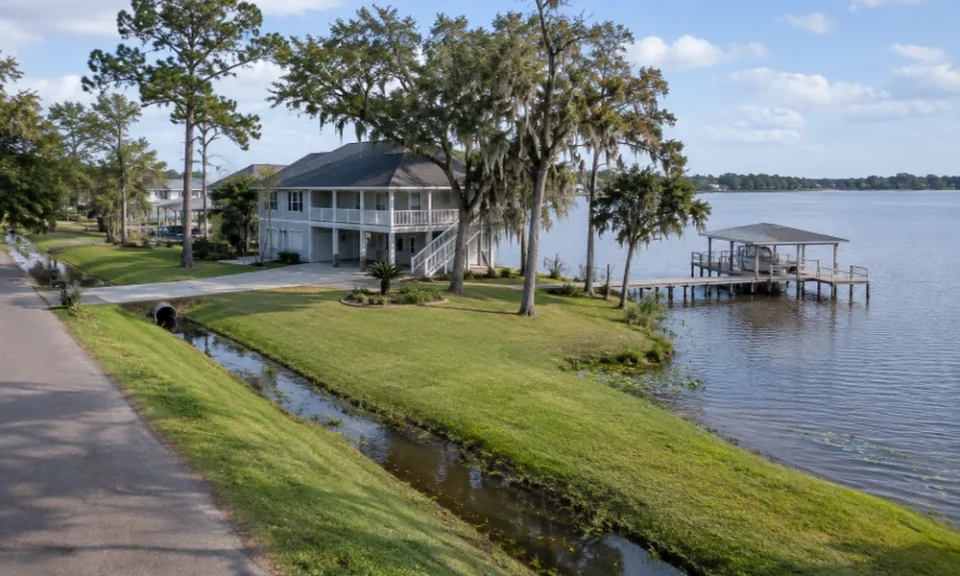
Homes near Lake Pontchartrain, bayous, canals, and the Gulf can offer a compelling lifestyle, from waterfront sunsets to quick access to boating, fishing, parks, and coastal communities. For buyers in Mandeville, the Northshore, Greater New Orleans, and the Mississippi Gulf Coast, the right purchase depends on much more than the view.
Local guidance can help buyers ask better questions before they commit. Mandeville real estate agent Allison Vencil serves buyers and sellers across the Northshore, Greater New Orleans, and the Mississippi Gulf Coast. Allison Vencil’s real estate website includes residential, commercial, rental, and investment property resources, reflecting experience with regional considerations that can affect waterfront or near-water purchases, including location, property condition, inspections, and long-term fit.
Start With How You Will Actually Use the Property
A primary residence, weekend retreat, rental, and investment property can require very different features. Before touring homes, make a list of nonnegotiables: commute time, access to major roads, nearby groceries and medical care, school needs, parking, storage, guest space, and outdoor living areas.
Spend more than one hour a day in the area. A quiet waterfront street on a weekday may feel different on a holiday weekend, during a busy boating season, or after a heavy storm. Consider access to marinas, parks, trails, beaches, and the Causeway, but also think through routine errands and emergency access.
Research Flood Exposure and Drainage by Exact Address
A neighborhood’s general reputation is not enough. Two nearby homes can have different finished-floor elevations, lot grading, drainage paths, and insurance requirements.
-
Check the mapped flood zone and ask whether the lender may require flood insurance.
-
Request an elevation certificate if one is available.
-
Ask whether water has entered the house, garage, crawl space, driveway, or yard.
-
Review seller disclosures, prior storm repairs, and available insurance claim history.
-
Look closely at the street, adjacent lots, ditches, culverts, gutters, downspouts, and drainage inlets.
A lower-risk flood designation does not guarantee that a property will never take on water. Intense rainfall, inadequate grading, blocked drainage, stormwater backup, and coastal conditions can create problems outside a mapped high-risk area.
Get Insurance Information Before the Offer Becomes Final
Do not wait until late in the transaction to investigate insurance. Standard homeowners policies generally do not provide the same protection as a flood policy, and premiums, deductibles, availability, exclusions, and eligibility can vary by property and insurer.
-
Request homeowners and flood insurance quotes early.
-
Ask about wind or hurricane deductibles and the amount you would need to pay before coverage applies.
-
Confirm coverage limits for the structure, personal property, and additional living expenses.
-
Ask whether roof age, electrical systems, plumbing, foundation condition, elevation, or claims history affects eligibility.
Inspect Storm-Ready Features and Exterior Condition
Near-water homes can face regular exposure to moisture, wind-driven rain, and, in some locations, salt air. Inspect the roof’s age, material, shape, visible condition, flashing, and drainage. Look for signs of corrosion, rot, moisture intrusion, or deferred maintenance on windows, exterior doors, garage doors, soffits, siding, decks, balconies, seals, and exterior fasteners.
Ask whether the home has documented storm-resilience upgrades, such as impact-rated openings, shutters, reinforced garage doors, or improved roof-to-wall connections. New construction can offer newer systems, but it is not automatically the better choice. An older home with sound maintenance, good drainage, and clear records may be a stronger purchase than a newer property with unresolved exterior or site issues.
Build a Full Ownership Budget
The mortgage payment is only one part of the decision. Create a monthly and annual budget that includes principal and interest, property taxes, homeowners’ insurance, flood coverage if needed, utilities, pest control, landscaping, homeowners’ association fees, and reserves for roofing, HVAC, windows, siding, drainage, and exterior repairs.
A lower-priced house can cost more to own if it requires expensive insurance, repeated moisture repairs, major drainage work, or a near-term roof replacement. Set aside room in the budget for irregular costs rather than assuming every repair will be minor or optional.
Request Documents and Plan Detailed Inspections
Records can reveal more than a polished showing. Request seller disclosures, roof replacement records, HVAC and plumbing service invoices, permits for additions or remodels, and receipts for drainage, dock, seawall, foundation, or storm-related work. Confirm that major improvements were properly permitted when permits were required.
A general home inspection should assess the roof, foundation, structure, attic, crawl space, moisture conditions, ventilation, electrical system, plumbing, HVAC, windows, doors, and exterior materials. Depending on the findings, bring in a roofer, drainage contractor, structural engineer, mold professional, surveyor, or insurance professional. Specialist opinions can turn a vague concern into a usable repair estimate.
Balance Lifestyle Value With Resale Value
Water access and views can be meaningful advantages, but future buyers will also consider parking, storage, road access, insurance costs, practical room layouts, privacy, outdoor space, and neighborhood services. Durable exterior materials, functional kitchens and bathrooms, natural light, and documented upgrades often appeal to a broad range of buyers.
Avoid assuming that every highly personalized improvement will add equal resale value. Prioritize repairs and upgrades that improve usability, durability, safety, and maintenance rather than choices that only fit one owner’s tastes.
A Seven-Step Buying Process
-
Define how the home will be used now and in the next several years.
-
Set a complete ownership budget, not just a purchase-price target.
-
Check flood exposure, elevation, drainage, and access.
-
Obtain insurance information before key contingencies expire.
-
Review permits, repair records, disclosures, and maintenance history.
-
Complete general and specialist inspections as needed.
-
Compare the home’s lifestyle benefits with its long-term costs and resale factors.
Questions Every Near-Water Buyer Should Ask
-
Has the property, garage, yard, or access road ever flooded?
-
What insurance coverage is required, available, and affordable for this address?
-
Are there special wind or hurricane deductibles?
-
When was the roof replaced, and what repairs may be needed within the next 5 years?
-
How does the street handle heavy rain, drainage, erosion, or access disruptions?
-
Were additions and renovations permitted, and are records available?
-
Would the property still fit the budget if insurance or maintenance costs increased?
Final Thought
When buying near the water in Mandeville or across coastal Louisiana and Mississippi, buy the whole property story, not just the view. Careful research into flood exposure, drainage, insurance, construction quality, maintenance, and resale appeal can create a clearer budget and help prevent unwelcome surprises after closing.
