
The Core Pillars of Home Systems Maintenance
A home is a complex ecosystem of interconnected systems, each vital to its overall function, comfort, and safety. Understanding these core components is the first step toward effective home systems maintenance. Beyond mere aesthetics, regular upkeep of these systems directly contributes to structural integrity, energy efficiency, and the safety of your household. Neglecting any one area can create a domino effect, leading to larger, more expensive problems down the line. Proactive homeowners, for instance, save an average of $3,000+ annually compared to those who only react to breakdowns. This financial incentive, coupled with enhanced safety and comfort, underscores the importance of a holistic maintenance approach.
Seasonal HVAC Maintenance and Air Purifiers
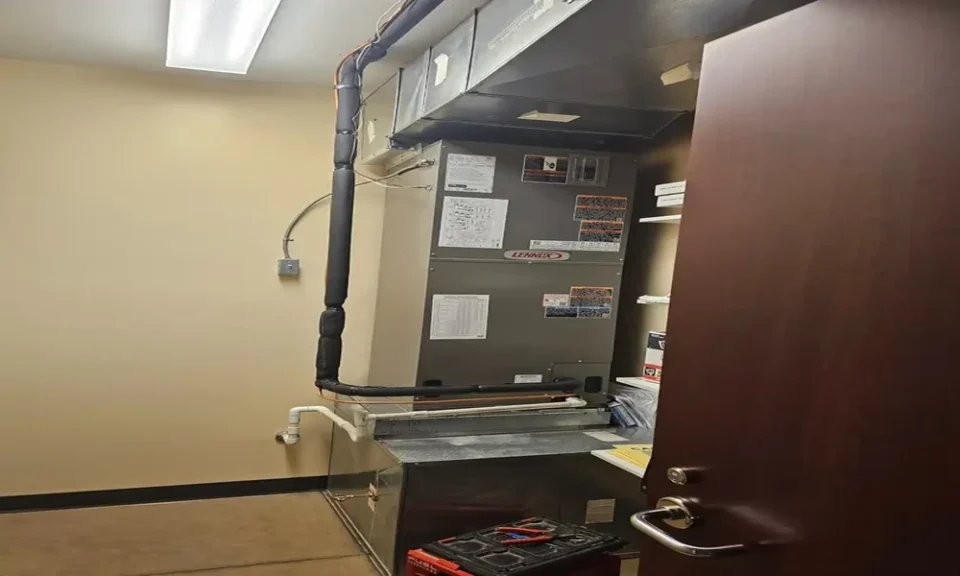
Focusing on HVAC maintenance and air purifiers is arguably the most critical step for maintaining indoor comfort, regardless of the season. These systems work tirelessly year-round to regulate temperature and air quality. Regular maintenance is not just about preventing breakdowns; it’s about optimizing performance, extending lifespan, and ensuring healthy indoor air. For example, many HVAC systems require air filter changes every three months, or even more frequently depending on usage and household conditions. Dirty filters restrict airflow, forcing your system to work harder, which wastes energy and can lead to premature wear.
Beyond filters, comprehensive HVAC maintenance involves checking refrigerant levels, cleaning coils, inspecting electrical connections, and ensuring proper thermostat function. These tasks are often best left to professionals. We’ve found that an annual professional tune-up, ideally before both the heating and cooling seasons, can significantly improve efficiency and catch minor issues before they become major repairs. Consider exploring the benefits of a structured HVAC maintenance plan to ensure your system receives consistent, expert care. Such plans often include detailed visits that cover all critical components, as outlined in what an HVAC maintenance visit includes.
Maintaining your HVAC system also plays a crucial role in indoor air quality. Proper ventilation and filtration are key to minimizing allergens, dust, and pollutants. For comprehensive guidance on keeping your system running smoothly and improving air quality, understanding HVAC service frequency is essential. Regular checks can also prevent issues like mold growth, which can be a significant health concern.
Safe Home Electrical Maintenance Practices
The electrical system is the lifeblood of any modern home, powering everything from lights to essential appliances. However, it’s also one of the most dangerous systems to neglect or attempt to repair without proper expertise. Safe home electrical maintenance practices are paramount to preventing fires, electrical shocks, and costly damage. Our focus should be on routine inspections and understanding when to call in a professional.
Key maintenance tasks include regularly testing Ground Fault Circuit Interrupter (GFCI) outlets in areas prone to moisture, such as bathrooms, kitchens, and outdoor spaces. These devices are designed to cut power rapidly if they detect a ground fault, preventing electrocution. We should also be vigilant about overloaded circuits, indicated by frequently tripping breakers, and avoid using damaged cords or outlets. Wiring inspections, particularly in older homes, can identify outdated or unsafe wiring that may pose a significant fire risk. Surge protection, both at the main electrical panel and point-of-use, is also crucial for safeguarding sensitive electronics from power fluctuations. For detailed insights into maintaining your home’s electrical systems safely and efficiently, we recommend consulting resources dedicated to Home electrical maintenance.
Plumbing and Water System Upkeep
Our home’s plumbing system delivers fresh water and efficiently removes waste, a convenience we often take for granted until something goes wrong. From water heaters to intricate pipe networks, regular maintenance is key to preventing leaks, water damage, and system failures.
One of the most critical components is the water heater. Whether you have a traditional tanked unit or a tankless model, annual flushing helps remove sediment buildup, which can reduce efficiency and shorten its lifespan. Visual inspections for leaks and corrosion are also important. For those interested in advanced solutions, exploring options like tankless water heaters can offer energy savings and endless hot water.
Leak detection is another vital aspect of plumbing maintenance. Even small, undetected leaks can lead to significant water waste and structural damage. A family of four with no outdoor water use in winter likely has a serious leak if water use exceeds 12,000 gallons (16 CCF) per month. We should regularly check faucets, toilets, and under sinks for drips or signs of moisture. Testing toilet flappers for silent leaks with a few drops of food coloring in the tank can save gallons of water annually.
Maintaining optimal water pressure, typically between 45 and 60 pounds per square inch (psi), is also important for fixture performance and preventing undue stress on pipes. Drain care, including regular cleaning to prevent clogs, can avert costly blockages and potential sewer line issues. Investing in water filtration systems can improve water quality, protect appliances, and enhance overall health. Finally, knowing the location of your main water shut-off valve is crucial in an emergency. For serious drain issues, professional assistance for drain and sewer line services is often required.
Creating a Preventative Maintenance Schedule
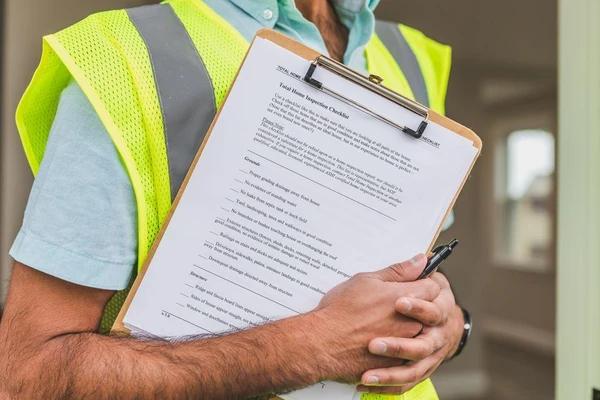
Effective home systems maintenance isn’t about random fixes; it’s about a systematic, proactive approach. Creating and adhering to a preventative maintenance schedule is the cornerstone of protecting your investment. This routine tracking helps us stay ahead of potential problems, adapt to seasonal transitions, and ultimately contribute to a higher “home health score.” As of June 2026, with 1 in 3 homeowners admitting to skipping tasks due to uncertainty, a clear, documented schedule becomes even more valuable.
Monthly and Seasonal Home Systems Maintenance Tasks
Our maintenance calendar should be structured to address tasks that vary in frequency, from monthly checks to seasonal preparations.
Monthly Tasks:
- Filter Replacement: As mentioned, HVAC air filters should be checked monthly and replaced every 1-3 months, depending on usage and filter type. This is a simple yet impactful task for air quality and system efficiency.
- Smoke and Carbon Monoxide Detectors: Test these life-saving devices monthly. Press the test button to ensure they are functioning correctly.
- Visual Plumbing Check: Quickly inspect visible pipes under sinks, around water heaters, and near appliances for any signs of leaks, drips, or corrosion.
- Appliance Care: Clean refrigerator coils, check dishwasher filters, and ensure dryer vents are clear of lint. These small tasks prevent major appliance issues and improve efficiency.
Seasonal Tasks:
- Spring Prep (March-May): Focus on undoing winter’s effects and preparing for warmer weather.
- HVAC: Schedule your annual AC tune-up. Clean outdoor condenser units.
- Gutters and Downspouts: Clean out leaves and debris to ensure proper drainage away from the foundation.
- Exterior: Inspect roof for winter damage, check siding, and clean windows.
- Landscaping: Prepare garden beds, prune shrubs, and inspect irrigation systems.
- Summer Prep (June-August): Maintain efficiency and address outdoor needs.
- HVAC: Continue monitoring filters. Ensure vents are not blocked.
- Outdoor Drainage: Check that rainwater flows away from the house.
- Decks and Patios: Inspect for rot or damage, clean, and reseal if necessary.
- Pest Control: Seal any entry points to prevent summer infestations.
- Fall Prep (September-November): Prepare for colder temperatures and potential winter storms.
- HVAC: Schedule your annual furnace tune-up.
- Gutters: Clean again after leaves fall.
- Winterization: Disconnect and drain outdoor hoses, shut off exterior water valves, and insulate exposed pipes.
- Fireplace/Chimney: If you use a fireplace, schedule a chimney inspection and cleaning.
- Winter Prep (December-February): Focus on interior efficiency and preventing cold-weather damage.
- HVAC: Monitor heating system performance. Consider reversing ceiling fan direction to push warm air down.
- Insulation: Check for drafts around windows and doors, and add weatherstripping or caulk as needed.
- Sump Pump: Test to ensure it’s working properly to prevent basement flooding from melting snow.
- Pipes: Keep cabinet doors open under sinks on exterior walls to allow warm air to circulate around pipes.
Annual Professional Inspections
While many tasks can be handled by homeowners, certain systems require the expertise of certified professionals on an annual basis. These inspections are crucial for identifying hidden problems, ensuring compliance with safety standards, and maintaining warranties.
- HVAC Tune-Ups: As emphasized, annual servicing of both your heating and cooling systems by a qualified technician is paramount. This not only optimizes efficiency but also extends the lifespan of your units. Many manufacturers require professional servicing to keep warranties valid.
- Roofing Inspections: A qualified roofer should inspect roofs every three years, but an annual visual check by the homeowner, especially after severe weather, is wise. Professionals can spot damaged shingles, flashing issues, or potential leaks that are not visible from the ground.
- Chimney Sweeping: If you have a fireplace or wood stove, a CSIA-certified sweep should inspect and clean your chimney annually to prevent dangerous creosote buildup and ensure proper ventilation.
- Foundation Checks: While not always annual, a thorough inspection of your home’s foundation every few years by a structural engineer can identify cracks, settling, or drainage issues that could compromise structural integrity.
- Backflow Testing: In some municipalities, backflow prevention devices on your irrigation or water supply lines require annual testing by a certified plumber to ensure they are preventing contaminated water from entering your potable supply.
Homeowners who set aside 1-3% of their home’s market value annually for maintenance and repairs are better positioned to handle large future expenses like new HVAC units or roof replacements. This proactive budgeting, combined with a detailed schedule, transforms maintenance from a burden into a manageable, value-adding process.
Warning Signs and the DIY vs. Professional Boundary
Even with a meticulous maintenance schedule, home systems can sometimes exhibit warning signs that indicate a problem. Recognizing these red flags early can prevent minor issues from escalating into significant, costly repairs. Understanding when a task is safe for a homeowner to tackle versus when a professional should be called in is a critical safety boundary.
Recognizing System Red Flags
Our homes often communicate their distress through subtle, or not-so-subtle, cues. Paying attention to these diagnostic signs can save us considerable time, money, and stress.
- Strange Noises: Banging from your water heater, rattling from your HVAC unit, or grinding from your garbage disposal are not normal. These sounds often indicate loose parts, motor issues, or blockages.
- Water Stains or Odors: Water stains on ceilings, walls, or floors are clear indicators of a leak. Musty odors, especially in basements or bathrooms, can signal hidden mold growth due to excessive moisture. A persistent sewage smell could point to a drain or sewer line issue.
- Flickering Lights or Tripping Breakers: These are classic signs of electrical problems, potentially indicating overloaded circuits, loose wiring, or faulty components. Ignoring them can lead to electrical fires.
- Slow Drains or Gurgling Toilets: These symptoms suggest a clog is forming in your plumbing system, possibly deep within the pipes or even in the main sewer line.
- Mold Growth: Visible mold on walls, ceilings, or around windows indicates excessive humidity or a water leak. Beyond being unsightly, mold can pose significant health risks.
- High Utility Bills: A sudden, unexplained spike in energy or water bills often points to an inefficient HVAC system, a hidden water leak, or poorly insulated areas.
When to Call a Professional for Home Systems Maintenance
While many basic maintenance tasks are suitable for DIY enthusiasts, certain repairs and inspections require specialized knowledge, tools, and safety precautions. Attempting these without proper training can be dangerous and may void warranties.
DIY Maintenance Tasks (Safe for Homeowners) Professional Services (When to Call an Expert) Changing HVAC air filters HVAC refrigerant handling and charging Testing smoke and CO detectors Major electrical repairs (wiring, panel upgrades) Cleaning gutters and downspouts Gas line installation or repair Flushing water heater (basic models) Structural roofing repairs or replacement Testing GFCI outlets Main sewer line clearing and repair Cleaning drain traps and aerators Water heater replacement or complex diagnostics Weatherstripping and caulking Foundation repairs Lubricating garage door parts Appliance repairs requiring specialized tools Patching small holes in drywall Radon mitigation system installation Specifically, tasks involving refrigerant handling in HVAC systems are regulated and require certified technicians. Electrical repairs beyond simple outlet replacements, particularly those involving the main panel or new wiring, should always be handled by a licensed electrician. Gas line work, whether for appliances or heating systems, presents significant explosion and carbon monoxide risks, necessitating professional intervention. Structural roofing issues, such as major leaks or damage to the roof deck, require experienced roofers. Finally, sewer line clearing for severe blockages or suspected pipe damage is best left to plumbers with specialized equipment like cameras and hydro-jetting tools.
The average homeowner spends $9,000 annually on home repairs and maintenance. While some of this is unavoidable, a significant portion can be mitigated by understanding these boundaries and investing in timely professional service.
Frequently Asked Questions
As homeowners, we often have common questions about maintaining our properties. Addressing these concerns with expert advice can empower us to make informed decisions and ensure the longevity and value of our homes.
How does regular maintenance impact home resale value?
Regular home systems maintenance is one of the most impactful ways to protect and enhance your property’s resale value. When it comes time to sell, a well-maintained home stands out. Potential buyers are often wary of properties that show signs of neglect, as this suggests hidden costs and future headaches. A home with a documented history of maintenance, including service records for HVAC, plumbing, and electrical systems, provides immense buyer confidence.
Home inspections, a standard part of the selling process, will uncover any deferred maintenance. Addressing these issues proactively means fewer surprises during negotiations and a smoother sale. Furthermore, systems that are regularly serviced typically perform better and last longer, which is a significant selling point. We’ve seen that homeowners who consistently invest in maintenance tend to achieve higher sale prices and faster sales. Maintaining comprehensive maintenance logs acts as tangible proof of the care invested in the property, justifying its market value.
What is the ideal water pressure for a residential plumbing system?
The ideal water pressure for a residential plumbing system typically falls between 45 and 60 pounds per square inch (psi). Maintaining water pressure within this range is crucial for several reasons. If the pressure is too low, you’ll experience weak showers and slow-filling appliances, impacting daily convenience. Conversely, if the water pressure is too high (above 80 psi), it can put excessive strain on your pipes, fixtures, and appliances, leading to premature wear, leaks, and even burst pipes. This high pressure can also cause noisy pipes and inefficient water use.
We recommend using a water pressure gauge, which can be easily attached to an outdoor spigot, to check your home’s water pressure. If it consistently measures outside the ideal range, a professional plumber can install or adjust a pressure regulator to bring it within acceptable limits. This simple device can save you from costly repairs and extend the life of your entire plumbing system.
How often should smoke and carbon monoxide detectors be replaced?
Smoke and carbon monoxide (CO) detectors are indispensable safety devices that protect our lives and homes. While they may seem like “set it and forget it” items, they have a limited lifespan and require periodic replacement to ensure optimal function.
- Smoke Detectors: Regardless of whether they are battery-powered or hard-wired, smoke detectors should be replaced every 10 years. The sensors inside these devices degrade over time, reducing their effectiveness. It’s also crucial to test them monthly and replace batteries at least once a year (a good habit is to do this when daylight saving time changes).
- Carbon Monoxide Detectors: Similar to smoke detectors, CO detectors also have a limited lifespan, typically 5 to 7 years. Always check the manufacturer’s recommended replacement date, which is usually printed on the back of the unit. Like smoke detectors, test CO detectors monthly.
For hard-wired systems, while the wiring itself may last longer, the detector units still need to be replaced according to these guidelines. We cannot overstate the importance of adhering to these replacement schedules; these devices are your first line of defense against two of the most dangerous household threats.
Conclusion
Embarking on a journey of consistent home systems maintenance is more than just a chore; it’s a strategic investment in your future. As of June 2026, the data clearly shows that proactive homeowners not only save thousands of dollars annually but also enjoy greater peace of mind, enhanced safety, and a significantly extended lifespan for their most valuable asset. The initial feeling of being unprepared, as experienced by 87% of first-time home buyers, can be overcome by adopting a systematic approach.
By understanding the core pillars of your home’s systems-HVAC, electrical, plumbing, and more-and establishing a routine of monthly, seasonal, and annual tasks, you transform potential crises into manageable upkeep. Recognizing warning signs and knowing when to engage a professional are crucial boundaries that safeguard both your home and your family.
Proper home systems maintenance is about building proactive habits that preserve your home’s integrity, improve its energy efficiency, and protect its value for years to come. It’s about ensuring that your home remains a sanctuary of comfort and security, rather than a source of unexpected expenses. Embrace these practices, and you’ll not only maintain your home; you’ll empower yourself as a homeowner, securing your investment and enjoying the benefits of a well-cared-for property.
