
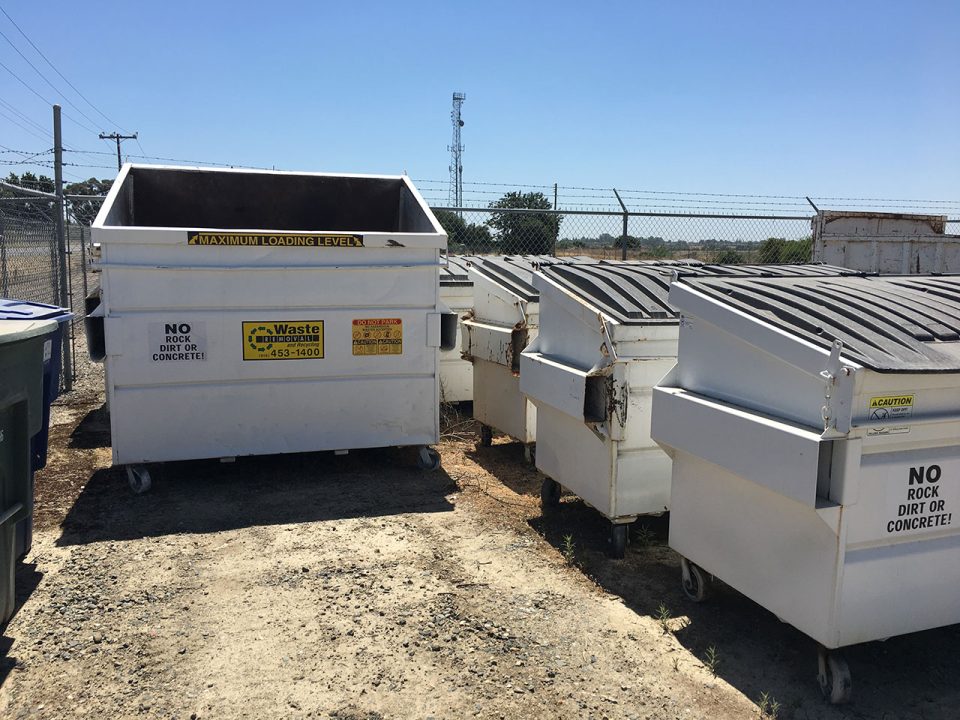
Factories and distribution hubs run on tight schedules, and their waste streams do, too. When production lines ramp up, bins overflow fast, and every delay ripples through shipping, safety, and compliance. That’s where Industrial Dumpster Rental becomes more than a convenience: it’s operational infrastructure. The right mix of container types, pickup cadence, and data visibility can cut hauls, reduce contamination fees, and help meet sustainability targets without slowing the floor. This article breaks down how high-volume sites actually manage waste at scale, what materials industrial dumpster rentals can (and can’t) handle, the rules that govern it all, and the strategies forward-looking teams are using in 2025 to drive cost, compliance, and carbon in the right direction.
How industrial sites manage high-volume waste
High-throughput facilities don’t manage waste as a side task: they plan for it like any other flow of materials. Waste generation is mapped to production schedules, SKU mix, and dock cycles, then supported by the right industrial dumpster rental assets and standard work.
Key realities shape the system:
- Volume spikes and variability: A packaging change, a seasonal ramp, or a shift from kitting to pallet-in/pallet-out can double outbound cardboard overnight. Flexible rentals (e.g., adding a 40-yard roll-off for peak months) prevent emergency hauls and overtime.
- Floor space is premium: Dock and yard layouts are optimized so containers don’t choke traffic. Self-contained compactors sit near wet waste: open-top roll-offs are placed where dunnage and bulky scrap accumulate.
- Safety and uptime come first: Clear aisles, closed lids, and quick swaps keep pests out and forklifts moving. When a compactor is full, a rapid pull-and-replace service window protects throughput.
Typical building blocks include:
- Roll-off containers (20/30/40-yard) for bulky, non-compacted loads like production scrap, mixed industrial waste, or construction debris.
- Stationary compactors (with receiver boxes) for dry waste and OCC: self-contained compactors for wet/putrescible streams.
- Specialty containers such as covered, leak-resistant boxes for food or slurry waste, and locked bins for proprietary materials.
Operationally, teams set a cadence: daily pull checks during Gemba walks, fill-level targets (e.g., 80% triggers), staging SOPs, and a simple escalation path when flows change. Multi-site operators standardize container specs and signage across locations to minimize confusion and contamination while leveraging national pricing. And increasingly, sensors and portal-based scheduling give supervisors live visibility so they’re not guessing when the next haul should happen.
For comprehensive insights into industrial waste management, container optimization, and sustainable disposal strategies, See details.
Types of materials handled by industrial dumpster rentals
Industrial dumpster rentals cover a wide spectrum, but not every material belongs in a standard roll-off or compactor. Understanding the categories prevents fines, environmental risk, and surprise fees.
Common, accepted streams:
- General industrial waste: Non-hazardous solids from production and maintenance (e.g., mixed dunnage, plastics, strapping, non-contaminated absorbents).
- OCC and paper: Cardboard from inbound freight, cores, and cartons, often best compacted or baled for revenue and space savings.
- Plastics: Film (LDPE), PET strapping, injection sprues: segregated plastics may qualify for recycling depending on local markets.
- Metals: Ferrous and non-ferrous scrap, often collected separately for rebate value.
- Construction and demolition (C&D): Pallets, lumber, drywall, concrete from facility upgrades or racking projects.
- Organics/wet waste: Food processing byproducts, cafeteria waste, typically in self-contained compactors with sealed fittings.
Special handling or restrictions:
- Hazardous waste (RCRA): Solvents, paints, certain sludges, flammables, these require permitted haz-waste service, manifests, and compliant containers. They are not placed in standard industrial dumpsters.
- Universal waste: Lamps, batteries, some electronics, managed under specific rules and not mixed into general roll-offs.
- Liquids and free-flowing slurries: Generally prohibited in open-top roll-offs: self-contained or sealed units with proper liners and approvals are used instead.
- “Special waste” by profile: Certain non-hazardous industrial byproducts (e.g., filter cake, foundry sand, non-hazardous contaminated soils) may require landfill pre-approval and documentation.
It pays to confirm accepted materials with the rental provider and local disposal sites before a project starts. Clear signage at each container, what goes in, what doesn’t, and the fee impacts of contamination, will protect budgets and keep loads compliant.
Environmental compliance and regulatory considerations
Industrial waste programs live under a mix of federal, state, and local rules. While every site is different, a few anchors keep programs clean, safe, and audit-ready.
Core regulations and practices:
- RCRA classification: Facilities must determine whether a waste is hazardous or non-hazardous before choosing containers and haulers. Hazardous waste uses permitted vendors, labeled and closed containers, accumulation time limits, and manifests (including e-Manifest where applicable).
- Special waste profiling: Many landfills require pre-approval for certain non-hazardous industrial byproducts. Keep profiles, lab results, and approvals on file and tied to the specific container stream.
- Transport and weight limits: DOT rules, local axle limits, and facility policies govern loading. Overweight loads can trigger fees and safety risks: scale tickets should be tracked.
- Stormwater and spill control: Outdoor dumpsters and compactors must be closed when not in use. Sites with industrial stormwater permits should deploy BMPs, covers, berms, drip pans, and housekeeping, to prevent runoff contamination. Oil-bearing wastes may also intersect with SPCC plans.
- Local ordinances and bans: Some municipalities restrict landfill disposal of cardboard, organics, tires, or electronics, or require enclosures and rodent control. Permits may be needed to stage a container in the public right-of-way.
- Recordkeeping and training: Keep service tickets, manifests, profiles, and scale data for required retention periods. Train staff on what goes where, emergency contacts, and how to report spills.
Practical compliance tips:
- Label containers by stream, destination, and any restrictions: use color-coded signage at eye level.
- Require lids/doors closed, no liquids, no overfilling: spot-check loads before haul.
- Schedule routine yard walks to verify condition, housekeeping, and signage integrity.
Done right, compliance reduces risk and cost. Loads that arrive clean and properly documented move through disposal faster, avoid rejections, and keep operations out of the regulatory spotlight.
Streamlining waste management in warehouses and factories
Efficient programs aren’t accidental, they’re built from a short list of decisions that compound.
- Start with a waste audit: Quantify each stream by weight/volume across a typical week and a peak week. Note where waste originates and how it travels.
- Right-size equipment: Match container size to generation rate. A 40-yard open-top might look efficient, but a 34-yard self-contained compactor could cut hauls by half for wet waste. For OCC, balers or stationary compactors usually beat open-tops on space and cost.
- Optimize placement: Put containers where waste is generated, not where there’s empty space. Shorter travel distances reduce labor minutes and stray debris.
- Set the pickup cadence: Use fill thresholds (70–80%) and production schedules to trigger pulls rather than fixed days that cause half-empty hauls.
- Standardize signage and SOPs: Photos of accepted items, translated where needed. Clear rules lower contamination and avoid chargebacks.
- Close the loop with data: Track hauls, tonnage, contamination incidents, and fees monthly. Use the data to renegotiate pricing, right-size containers, and justify capital (like a compactor).
When selecting an industrial dumpster rental provider, prioritize responsiveness (swap times), breadth of container options, clear fee structures (haul, disposal, rental, overweight, contamination), and reporting capabilities. Multi-site agreements should still allow local flexibility for unique streams.
