
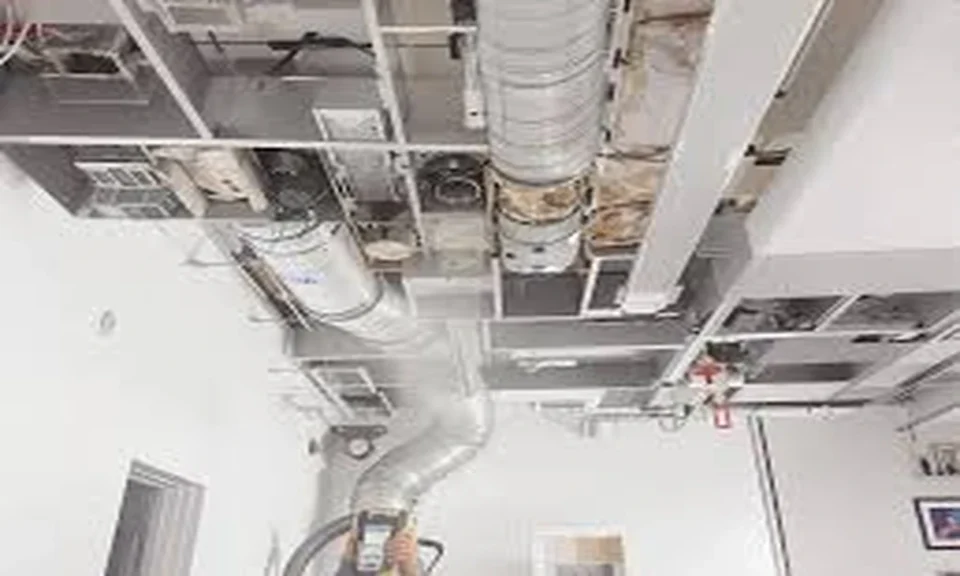
Surface cleaning can make a room look fresh while leaving a surprising amount of debris hidden inside the HVAC system. Dust that settles beyond registers, inside return runs, or along trunk lines remains outside the reach of ordinary household tools. Professional air duct cleaning in Columbia TN goes deeper by targeting accessible buildup throughout the system rather than focusing only on what can be seen from the room.
Routine Dusting Stops Where the Vent Opening Begins
Household dusting works well on register covers, baseboards, shelves, and other exposed surfaces, but it cannot reach far into connected ductwork. Fine particles often collect around elbows, seams, horizontal runs, and larger return pathways where a cloth or handheld vacuum has no practical access. A professional air duct cleaner uses equipment designed to reach those concealed areas while controlling where loosened debris goes.
Why Does Hidden Dust Stay Inside Ductwork for So Long?
Airflow does not keep every particle suspended forever. Heavier debris gradually settles inside lower sections of ducts, while lighter material can cling to textured surfaces, insulation, joints, and areas where air velocity drops.
Repeated heating and cooling cycles may disturb part of that buildup without completely carrying it out of the system. Homeowners searching for air duct cleaners near me may notice dust returning quickly after cleaning furniture, especially when the HVAC system has accumulated construction residue, pet debris, or years of ordinary household particles.
Deep Cleaning Uses Controlled Suction Instead of Simply Moving Dust
Commercial negative-air equipment creates a strong pull through the duct network while technicians loosen deposits from interior surfaces. That pressure guides released material toward sealed collection equipment rather than allowing it to fall farther down the line or drift back into occupied rooms. Source-removal air duct cleaning therefore combines agitation and capture instead of relying on surface wiping alone.
Different Types of Debris Require Different Cleaning Methods
Pet hair, drywall powder, lint, pollen, insect remains, and fine household dust do not behave the same way once they settle. Loose material may respond to suction, while compacted deposits along seams or bends often need mechanical agitation before the vacuum can remove them.
Specialized brushes, air whips, and compressed-air nozzles give technicians several ways to address buildup without treating every duct as identical. Air duct cleaners in Columbia TN should first identify whether the system contains sheet metal, flexible ducting, or internal lining because aggressive tools can damage materials that require gentler handling.
What Makes Return Ducts Especially Important to Clean?
Return pathways continually pull room air toward the HVAC equipment, giving them repeated exposure to lint, pet dander, carpet fibers, and fine dust. Large return grilles near floors can collect even more debris because foot traffic and nearby fabrics constantly disturb particles around them. Deep cleaning follows these return routes instead of assuming that clean supply registers mean the whole system is in good condition.
Inspection Reveals Problems Routine Dusting Cannot Show
Camera equipment can uncover deposits hidden beyond the first bend of a duct, along with damaged insulation, loose connections, construction scraps, or signs of pest activity. Those findings help technicians decide which areas need attention and whether ordinary cleaning is appropriate.
Moisture stains or unusual residue may require a different response than dry household dust. A responsible air duct cleaner should recognize when cleaning needs to pause so an HVAC technician, pest professional, or moisture specialist can address the underlying problem first.
Deep Cleaning Reaches Main Trunks and Connected Pathways
Registers represent only the endpoints of a much larger air-distribution network. Supply branches connect to trunk lines, while return ducts feed air back toward the filter, blower, and other equipment areas that may collect their own layer of debris. Proper air duct cleaning treats those connected pathways as one system rather than a group of unrelated vents.
Better Containment Protects the Rooms Around the Work
Professional crews seal selected registers and maintain negative pressure while cleaning individual sections. This setup reduces the chance of loosened particles escaping into bedrooms, kitchens, hallways, or living spaces while brushes and compressed-air tools are operating.
Protective floor coverings, hose sleeves, HEPA-filtered vacuums, and careful equipment placement add another layer of control. Deep air duct cleaning in Columbia TN should leave surrounding surfaces protected rather than trading hidden duct dust for a new cleanup problem inside the home.
Routine Dusting Still Has an Important Role After Service
Regular household cleaning reduces the amount of new material available to enter return vents. Vacuuming floors, wiping exposed registers, controlling renovation dust, and maintaining suitable HVAC filters all help slow future buildup.
Fresh filters matter especially because they capture particles moving through the return side of the system. Duct cleaning removes existing deposits, while ongoing filtration and housekeeping help keep new contamination from accumulating as quickly afterward.
Deep Cleaning Should Be Based on Actual System Conditions
Visible dust around a grille does not automatically mean an entire duct network requires extensive service. Inspection provides a better basis for deciding whether significant buildup exists and which sections can be safely reached.
Clear service scopes also matter because some low-cost packages clean only the vent openings homeowners can already see. Customers should ask whether returns, supply branches, trunk lines, access points, and other listed areas are included before comparing prices.
Professional Equipment Creates a Clear Difference From Household Tools
Store-bought brushes and ordinary vacuums cannot maintain controlled suction across a full HVAC network. Their limited reach may disturb debris without providing a reliable path for removing it from deeper sections.
Commercial systems pair powerful collection equipment with tools selected for specific duct materials and layouts. This combination gives technicians more control over both the cleaning process and the debris released during the work.
A Deeper Service Addresses What Surface Cleaning Leaves Behind
Ordinary dusting remains useful for visible surfaces, but it cannot remove material buried inside long duct runs, large returns, or hidden trunk sections. Deep cleaning becomes more valuable when inspection reveals meaningful contamination that household maintenance simply cannot reach.
For Columbia homeowners dealing with dust beyond the vent covers, Mr. B’s Air Duct Cleaning offers a more complete approach than routine surface cleaning. Their team can inspect accessible ductwork, use professional source-removal equipment to clear hidden buildup, and focus the service on the parts of the HVAC system where deeper cleaning can make a practical difference.
