
The Role of HVAC and Electrical Services in Home Efficiency
In the quest for a truly efficient and comfortable home, the synergy between your heating, ventilation, and air conditioning (HVAC) system and your home’s electrical infrastructure cannot be overstated. Modern HVAC systems, particularly high-efficiency models, rely heavily on a robust, intelligently designed electrical system. Without proper electrical support, even the most advanced heating solutions can underperform, leading to inefficiency, potential breakdowns, and safety hazards. We often encounter situations where homeowners upgrade their HVAC units without considering the electrical implications, only to find their new system isn’t delivering on its promises.
A foundational step in achieving home efficiency is ensuring your electrical panel can handle the demands of contemporary HVAC equipment. Today’s heat pumps, advanced furnaces, and smart thermostats require specific dedicated circuits and appropriate voltage to operate optimally. For instance, many newer heat pump air handlers require 220V, a significant upgrade from the 115V common in older homes, especially if you’re transitioning to an all-electric system. Without the correct voltage and dedicated wiring, a system might struggle to start, trip circuit breakers frequently, or even suffer damage from insufficient power delivery.
Electrical safety is paramount. The installation of new HVAC components should always be accompanied by a thorough assessment of your home’s wiring, circuit breakers, and grounding. Power surges, though often unseen, can degrade or instantly damage sensitive electronic controls within modern HVAC units. Integrating surge protection at the panel level can safeguard your investment and extend the lifespan of your equipment. Furthermore, as homes become “smarter,” the compatibility of HVAC systems with smart grid technologies and home automation platforms becomes increasingly important. This enables optimized energy consumption based on real-time electricity pricing and demand, resulting in lower bills and a reduced carbon footprint.
Energy consumption is another critical area where HVAC and electrical services intersect. A high-efficiency heat pump or furnace is designed to minimize energy waste. Still, if the electrical connections are faulty or if the system is constantly battling voltage fluctuations, its efficiency is compromised. We focus on ensuring that every component, from the outdoor compressor to the indoor air handler, receives stable, clean power, allowing it to perform as intended and deliver consistent, energy-saving comfort.
Comparing Modern Heating Technologies for the Bay Area
The Bay Area’s unique microclimates, ranging from the cooler coastal fog to the warmer inland valleys, necessitate a thoughtful approach to heating. While our winters are generally mild compared to other regions, temperatures can still dip into the 40s and 50s, making efficient heating essential. When considering modern heating technologies, we typically compare gas furnaces, electric heat pumps, and ductless mini-splits, each with distinct advantages and considerations for Bay Area homes.
Gas Furnaces Traditional gas furnaces remain a popular choice, particularly in homes with existing natural gas lines. They are known for providing a rapid “blast of heat” that quickly warms spaces. Modern gas furnaces are much more efficient than older models, with efficiency ratings (AFUE – Annual Fuel Utilization Efficiency) often reaching 95% or higher. They operate by burning natural gas to heat air, which is then distributed through ductwork (forced air system). While natural gas has historically been a cost-effective fuel source, its environmental impact and California’s push towards electrification are leading many homeowners to explore alternatives. The main components include a burner, heat exchanger, blower motor, and ductwork.
Electric Heat Pumps Heat pumps are a versatile, all-in-one solution for both heating and cooling. Unlike furnaces that generate heat, heat pumps transfer heat. In winter, they extract heat from the outdoor air (even in cold temperatures) and move it indoors. In summer, they reverse the process, moving heat from indoors to outdoors, effectively acting as an air conditioner. This heat transfer mechanism makes them incredibly energy-efficient, especially in moderate climates like the Bay Area, where they don’t have to work as hard to extract heat. Their efficiency is measured by SEER (Seasonal Energy Efficiency Ratio) for cooling and HSPF (Heating Seasonal Performance Factor) for heating, with high ratings (SEER 16+, HSPF 8+) indicating superior performance. Heat pumps are a cornerstone of the all-electric home movement, offering a cleaner alternative to fossil fuels. Key components include an outdoor compressor/condenser unit, an indoor air handler, and refrigerant lines.
Ductless Mini-Splits Ductless mini-splits are a type of heat pump that provides zoned heating and cooling without the need for extensive ductwork. They consist of an outdoor compressor unit connected to one or more indoor air handling units, each controlling a specific zone or room. This allows for precise temperature control in individual areas, reducing energy waste by only heating or cooling occupied spaces. Mini-splits are particularly well-suited for older homes without existing ductwork, additions, or for creating distinct comfort zones. Their efficiency ratings are often very high, and they operate quietly. Components include an outdoor unit, indoor wall-mounted or ceiling-cassette units, and conduit housing power, refrigerant, and condensate lines.
Comparison Overview:
Feature Gas Furnaces Electric Heat Pumps Ductless Mini-Splits (Type of Heat Pump) Fuel Source Natural Gas Electricity Electricity Heating Method Combustion (generates heat) Heat Transfer (moves heat) Heat Transfer (moves heat) Cooling Capability No (separate AC unit needed) Yes (all-in-one) Yes (all-in-one, zoned) Efficiency Metrics AFUE (Annual Fuel Utilization Efficiency) SEER (cooling), HSPF (heating) SEER (cooling), HSPF (heating) Bay Area Suitability Good for quick, intense heat; existing gas lines Excellent for energy efficiency, all-electric homes Excellent for zoned comfort, homes without ductwork Environmental Impact Emits greenhouse gases Lower carbon footprint (especially with clean energy) Lower carbon footprint, precise energy use Installation Requires gas line, ductwork Requires electrical upgrades, ductwork (if ducted) Less invasive, no ductwork needed for indoor units Cost-Effectiveness Can be cheaper to operate if gas prices are low High efficiency can lead to lower operating costs High efficiency, zoned control saves energy For those looking to understand comprehensive heating solutions and services available locally, exploring Bay Area HVAC heating can be very beneficial.
Primary Heating System Components (General):
- Thermostat: The control center for your heating system, regulating temperature. Modern smart thermostats can be integrated with home automation.
- Heat Source: This could be a gas burner (furnace), a refrigerant coil (heat pump), or electric resistance coils.
- Heat Exchanger (Furnace): Transfers heat from the combustion chamber to the air without mixing the two.
- Evaporator Coil (Heat Pump): Absorbs heat from the air (heating mode) or from indoors (cooling mode).
- Condenser Coil (Heat Pump): Releases heat to the outside air (heating mode) or to the outside (cooling mode).
- Compressor (Heat Pump): Circulates and pressurizes refrigerant, which is crucial for heat transfer.
- Blower Motor: Moves heated or cooled air through the ductwork.
- Ductwork: A system of channels that distributes conditioned air throughout the home.
- Refrigerant Lines (Heat Pump): Carry refrigerant between the indoor and outdoor units.
Beyond equipment choice, consider how your lifestyle and floor plan influence real-world performance. For example, homes with open layouts often feel comfortable with a single centrally ducted system. In contrast, multi-story homes with sun-exposed rooms may benefit from zoning or ductless heads to reduce hot/cold spots. Likewise, older Bay Area construction with limited return air paths or undersized ducts can make even a high-efficiency furnace or heat pump feel “weak” unless airflow issues are corrected. Finally, sound and placement can matter in tighter neighborhoods: locating outdoor units away from bedroom windows, using proper vibration isolation, and selecting quieter variable-speed models can improve comfort without changing the heating technology itself.
Technical Considerations for Heat Pump Integration
The increasing popularity of heat pumps in the Bay Area, driven by efficiency and electrification goals, raises several technical considerations. Understanding these aspects is crucial for a successful installation and optimal long-term performance.
All-Electric Transition: Moving to an all-electric home often means replacing a gas furnace with a heat pump. This transition typically requires upgrades to electrical service. Many older homes have 100-amp electrical panels, which may be insufficient to power a modern heat pump alongside other electric appliances. A service upgrade to 200 amps might be necessary to support the increased electrical load.
115V vs. 220V Air Handlers: The indoor unit of a heat pump, known as the air handler, comes in different voltage configurations. Smaller, ductless mini-split systems, or those designed for specific zones, might use 115V. However, full-sized ducted heat pump systems, especially for larger homes, typically require 220V to deliver adequate heating and cooling capacity and to support auxiliary heat strips. Ensuring your home has the correct voltage and dedicated circuits for the air handler is a critical pre-installation step.
Auxiliary Heat Strips: While heat pumps are highly efficient, their performance can decrease in extremely cold temperatures (though rare in the Bay Area). To ensure consistent comfort, most heat pump systems include auxiliary electric heat strips. These act as a backup, kicking in when outdoor temperatures drop significantly, during defrost cycles, or when the thermostat calls for a rapid temperature increase. Proper sizing of these strips is important to prevent excessive electricity consumption.
Defrost Cycles: Heat pumps extract heat from the outside air. In colder, humid conditions, frost can build up on the outdoor coil, reducing efficiency. Heat pumps are designed to periodically enter a “defrost cycle,” in which they temporarily reverse operation to melt ice. During this time, the auxiliary heat strips may activate to prevent a noticeable drop in indoor temperature.
Variable-Speed Inverters: Advanced heat pumps often feature variable-speed compressors and blowers controlled by inverter technology. Unlike traditional single-stage systems that are either “on” or “off,” variable-speed units can modulate their output to match the heating or cooling demand precisely. This leads to more consistent temperatures, better humidity control, quieter operation, and significantly higher energy efficiency.
Refrigerant Flow and Reversing Valves: The core of a heat pump’s operation lies in the continuous circulation of refrigerant. In heating mode, the refrigerant absorbs heat from outdoor air, is compressed, and then releases it indoors. A reversing valve is the component that changes the direction of refrigerant flow, allowing the system to switch between heating and cooling functions.
Expansion Valves: The expansion valve regulates the flow of refrigerant into the evaporator coil, controlling its pressure and temperature. This is a critical component for optimizing the heat transfer process and ensuring the system operates efficiently across varying conditions.
Decibel Levels: Modern heat pumps are designed to operate quietly. However, the decibel level of the outdoor compressor unit should be considered, especially in dense Bay Area neighborhoods. Variable-speed units tend to be quieter as they often run at lower capacities. We always recommend checking the manufacturer’s specifications for noise levels.
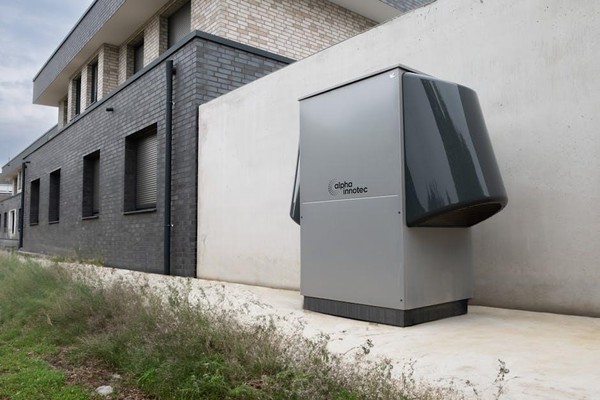
Performance in Moderate Climates: The Bay Area’s moderate climate is well-suited to heat pumps. Unlike regions with extreme cold, Bay Area heat pumps rarely encounter conditions that severely challenge their efficiency or trigger frequent defrost cycles. This results in consistent comfort, lower operating costs, and extended system lifespan.
Essential Maintenance for Integrated Systems
Regular maintenance is not merely a recommendation; it’s a critical investment in the longevity, efficiency, and safety of your integrated HVAC and electrical systems. For Bay Area homeowners, proactive care can prevent costly breakdowns, ensure optimal performance, and safeguard indoor air quality.
Annual Tune-ups: We strongly advocate for annual professional tune-ups, ideally one for heating in the fall and one for cooling in the spring. During these visits, technicians inspect all components, including electrical connections, refrigerant levels, and safety controls. For furnaces, this includes checking the heat exchanger for cracks and ensuring proper combustion. For heat pumps, this involves verifying the refrigerant charge, checking the coils, and testing the reversing valve. These comprehensive checks catch minor issues before they escalate into major problems.
Filter Replacement: One of the simplest yet most impactful maintenance tasks is regularly replacing or cleaning your air filters. Dirty filters restrict airflow, forcing your HVAC system to work harder, increasing energy consumption, and reducing efficiency. It also degrades indoor air quality by allowing dust, allergens, and pollutants to circulate. We recommend checking filters monthly and replacing them every 1-3 months, depending on usage and household conditions (e.g., pets, allergies).
Duct Sealing and Inspection: Your ductwork is the circulatory system of your home’s air. Leaky ducts can lead to significant energy loss, as conditioned air escapes into unconditioned spaces such as attics or crawl spaces. Professional duct sealing ensures that heated or cooled air reaches its intended destination efficiently. Regular inspections can identify leaks, blockages, or damage that can impede airflow and system performance.
Thermostat Calibration: An improperly calibrated thermostat can lead to inaccurate temperature readings, causing your system to run longer or shorter than necessary. During a tune-up, technicians can verify and recalibrate your thermostat, ensuring it accurately reflects and maintains your desired indoor temperature.
Airflow Optimization: Proper airflow is vital for both heating and cooling efficiency. Technicians can assess and optimize airflow by checking fan speeds, blower motor operation, and ductwork integrity. Restricted airflow not only reduces comfort but can also lead to premature wear and tear on components.
Component Longevity: Regular maintenance extends the lifespan of your HVAC equipment. By addressing minor issues, cleaning components, and ensuring all parts are operating within specifications, you reduce stress on the system, delaying the need for expensive repairs or premature replacement.
Emergency Service Availability: Even with diligent maintenance, unforeseen issues can arise. Knowing that your HVAC provider offers prompt emergency service provides peace of mind, especially during peak heating or cooling seasons.
Preventive Care for Electrical Components: Beyond the HVAC unit itself, the electrical connections and circuits powering it require attention. Technicians will check for loose wiring, corroded terminals, and signs of overheating at the electrical panel and within the unit. This preventive electrical care is crucial for safety and system reliability.
Indoor Air Quality (IAQ): Maintenance isn’t just about temperature; it’s about the air you breathe. Clean filters, sealed ducts, and properly functioning ventilation systems contribute significantly to healthier indoor air by reducing dust, mold, and other airborne contaminants.
NATE-Certified Standards: When choosing a service provider, look for technicians who are NATE (North American Technician Excellence) certified. This certification signifies that technicians have proven their knowledge in the HVACR industry by passing specialized tests, ensuring they meet the highest standards of technical expertise and professionalism.
Frequently Asked Questions about Home Heating
Identifying the Need for Professional HVAC and Electrical Services
It’s not always obvious when your heating system needs professional attention. However, several common signs can indicate that it’s time to call in the experts for both HVAC and potentially related electrical services:
- Uneven Temperatures: If some rooms are too hot while others remain cold, it could point to issues with your ductwork, a malfunctioning thermostat, or an improperly sized system.
- Rising Utility Bills: A sudden or gradual increase in your energy bills without a corresponding change in usage often signals that your heating system is losing efficiency and working harder than it should.
- Unusual Noises: Grinding, squealing, banging, or persistent rattling sounds coming from your furnace or heat pump are red flags. These noises can indicate worn-out parts, loose components, or issues with the blower motor.
- Short Cycling: If your heating system turns on and off frequently, running for short bursts, it’s “short cycling.” An oversized system, a clogged filter, or electrical problems can cause this.
- Dry Indoor Air: While some dryness is normal in winter, excessively dry air that causes static shocks, itchy skin, or dry throats can indicate an issue with your heating system or a lack of proper humidification.
- Dust Accumulation: An unusually high amount of dust settling in your home could indicate leaky ductwork, a dirty filter, or a problem with your system’s air filtration.
- Age of Equipment: Heating systems generally have a lifespan of 15-20 years. If your unit is approaching or has exceeded this age, it might be less efficient and more prone to breakdowns, making replacement a more cost-effective option than continuous repairs.
- Frequent Repairs: If you’re calling for repairs multiple times a season, the cost of these fixes can quickly add up, often surpassing the investment in a new, more reliable system.
- Pilot Light Issues (Gas Furnaces): For gas furnaces, a pilot light that frequently goes out or is yellow instead of blue can indicate a problem with the gas supply, thermocouple, or burner, requiring immediate professional attention for safety.
Optimizing Performance with Integrated HVAC and Electrical Services
Once you’ve addressed any immediate repair needs, there are several strategies to optimize the performance of your integrated heating and electrical systems for maximum efficiency and comfort:
- Smart Thermostats: Upgrade to a smart thermostat that learns your preferences, allows remote control via your smartphone, and optimizes energy use based on occupancy and weather patterns. Many can also integrate with home automation systems.
- Programmable Schedules: Even without a full smart thermostat, using a programmable model to set back temperatures when you’re away or asleep can significantly reduce energy consumption without sacrificing comfort.
- Zoning Systems: For larger homes or those with diverse heating needs, a zoning system allows you to control temperatures independently in different areas. This prevents overheating or underheating specific zones, saving energy.
- Insulation Upgrades: Enhance your home’s thermal envelope by upgrading insulation in attics, walls, and crawl spaces. Proper insulation minimizes heat loss in winter and heat gain in summer, reducing the workload on your HVAC system.
- Weatherization: Seal air leaks around windows, doors, and utility penetrations with caulk and weatherstripping. This prevents drafts and keeps conditioned air inside your home.
- High-Efficiency Motors: If replacing your furnace or air handler, opt for models with variable-speed or electronically commutated (ECM) motors. These are significantly more efficient than older single-speed motors, especially at lower capacities.
- Regular Inspections: Beyond annual tune-ups, consider periodic electrical inspections to ensure your wiring, outlets, and panel are safe and up to code, especially if you’re adding new high-demand appliances.
- Proper System Sizing: Ensure your heating system is correctly sized for your home’s square footage, insulation levels, and climate. An oversized system will short-cycle, leading to inefficiency and premature wear, while an undersized one will struggle to maintain comfort.
What incentives are available for high-efficiency system upgrades?
Investing in high-efficiency heating systems, particularly heat pumps, can be significantly offset by a variety of incentives at the federal, state, and local levels. These programs are designed to encourage homeowners to adopt cleaner, more energy-efficient technologies.
- Federal Tax Credits (Inflation Reduction Act – IRA): The IRA introduced substantial tax credits for homeowners upgrading to energy-efficient systems. For heat pumps, you can claim a 30% tax credit on eligible equipment, up to $2,000. This credit is available annually through 2032 and applies to both new installations and replacements.
- Local Utility Rebates: Many Bay Area utilities, such as Pacific Gas and Electric (PG&E), offer rebates for installing high-efficiency furnaces, heat pumps, and smart thermostats. These rebates vary by utility and equipment type, so check your provider’s website for details.
- Electrification Grants and Programs: California is actively promoting home electrification. Programs like TECH Clean California offer significant incentives for installing heat pump water heaters and HVAC heat pumps, aiming to accelerate the transition away from fossil fuels. These can be substantial, often ranging from hundreds to thousands of dollars, depending on the equipment and installer.
- Energy Efficiency Financing: Some utilities and state programs offer low-interest loans or financing options specifically for energy-efficient home improvements, including HVAC upgrades. These can make the upfront cost of a new system more manageable.
- Manufacturer Promotions: HVAC manufacturers often run their own promotional rebates or discounts throughout the year, which can be combined with federal and local incentives for even greater savings.
- Bay Area Air Quality Management District (BAAQMD) Incentives: The BAAQMD sometimes offers programs and incentives for cleaner heating technologies to improve regional air quality.
- Peninsula Clean Energy / Silicon Valley Clean Energy: Specific local energy providers in the Bay Area also offer their own unique rebate programs for heat pump installations and other electrification efforts, tailored to their service areas.
We always recommend consulting with a qualified HVAC contractor who is knowledgeable about these various programs. They can help you identify eligible equipment and navigate the application process to maximize your savings.
Conclusion
The evolution of home heating in the Bay Area points towards a future where comfort, efficiency, and sustainability are inextricably linked. By embracing integrated HVAC and electrical systems, homeowners are not just upgrading their heating; they are future-proofing their homes. The shift towards all-electric solutions, particularly heat pumps, aligns with regional environmental goals and offers significant long-term benefits, from reduced energy bills to improved indoor air quality.
The journey to an optimally heated and energy-efficient home involves careful consideration of technology, a robust electrical foundation, and consistent, professional maintenance. Understanding the nuances of different heating systems, the technical requirements for modern installations, and the available financial incentives empowers homeowners to make informed decisions. The goal is to create an environment where a family can enjoy consistent, comfortable temperatures year-round, knowing their home is operating safely, efficiently, and with a minimal environmental footprint. This integrated approach isn’t just about warmth; it’s about building a better, more sustainable living space for years to come.
